Plot Summary
Cosplay Chaos and Pokémon Comfort
Lewis, a highly skilled but frazzled personal assistant to the UK's most notorious cosplayer Edward, steers chaos at London Comic Con. Beset by Edward's drama-filled rivalry-turned-romance with fellow cosplayer Izzy, Lewis finds solace in Pokémon gaming—his lifelong comfort—while holed up in the chaotic green room. Just as he decides to indulge in a gaming break, a charming stranger—Jason—strikes up conversation, commiserating over elusive digital unicorns. Their impromptu Switch battle kindles unexpected camaraderie, hinting at the spark beneath Lewis's bubbly persona and Jason's understated warmth. A brief but electric connection cuts through convention madness, leaving both men questioning if their chance encounter could become more.
Canceled Show, Broken Hearts
Ten months later, in Toronto, actor Jason returns to work on Celestials only to receive devastating news: the beloved, ground-breaking queer show will be unjustly canceled, its ending warped by network homophobia. Surrounded by friends who've become family and haunted by his ambivalent feelings about fame, Jason feels the rug pulled from beneath him. The cast shares outrage and pain, sensing an all-too-familiar erasure of LGBTQ stories. Jason's internal conflict—quieter than his public success—comes to a head as he faces a professional and personal crossroads, struggling to define what resistance and happiness really mean for him after years closeted and beholden to industry demands.
Back to Blended Roots
After a messy breakup and housing woes, Lewis moves back into his quirky, loving, chaos-laden childhood home. Surrounded by a blended family whose acceptance knows no bounds—and whose antics nearly drive him mad—he struggles with feeling like a perpetual fuckup due to a long string of failed relationships, bouts of self-doubt amplified by ADHD, and professional uncertainty. Social media distracts him from work, but also fuels memories of Jason. Their brief Comic Con encounter lingers in Lewis's mind, and an impulsive Instagram comment reignites the possibility of friendship—or something more—reminding Lewis that his vibrant, if disorderly, life holds surprises yet.
Instagram Reconnection
Jason spots Lewis's cheeky comment on Instagram and instantly recalls their Comic Con spark. Sending a playful message about Pokémon, Jason nervously tests the waters, leading into honest and heartfelt digital conversation. For both, messaging offers unexpected relief from the emotional heaviness of their personal struggles. As they move conversation to WhatsApp, their banter and confessions grow more intimate, building rapport and trust. The virtual space becomes a safe haven where both can be unabashedly nerdy, honest about failures and strengths, and explore hope after disappointment. When Jason comes out to Lewis as bisexual, it's met not with distance, but solidarity and care—setting the tone for a transformative bond.
Messages, Mirrors, and Masks
As Lewis contends with overwhelming family intervention and career limbo, Jason becomes his daily confidant. Despite rising feelings, they each guard their hearts—Lewis wary of repeating old mistakes, Jason fearful of the risks of emotional exposure. Their relationship, forged digitally across time zones and emotional barriers, becomes both anchor and escape. Through shared fandoms and late-night chats, they dismantle pieces of their social armor, growing from fandom friends to something on the edge of romance. Still, both fear that vulnerability may destroy their fragile happiness, unsure if their mutual affection could survive the leap to real life.
Video Calls and Vulnerability
In a long, late-night call, Lewis confides his fears about ADHD and how it has shaped his life and relationships. Jason listens unjudgmentally, asking questions, offering comfort without platitude. Vulnerability begets vulnerability, and Lewis is met with gentle validation that slowly erodes his self-loathing. For Jason, Lewis's open-heartedness is both alarming and electrifying—unlike the guarded personas he's known in his career. Both men begin to savor raw, honest connection, each tentative admission building toward resilience. The comfort of digital distance paradoxically accelerates emotional intimacy, leaving both craving a future where vulnerability is safe and even ordinary.
Longing and Late-Night Confessions
With Jason's return to London planned for Christmas, both men wrestle with rising excitement and anxiety. They share confessions in small, flirty increments—describing desires, recounting old hurts, hinting at hopes for more. Jason's trust in Lewis grows as Lewis never shames his needs or ambitions. For Lewis, the anticipation of real connection—forged by daily messages, candid video calls, and sexual tension—breathes new life into his self-worth. By the time their long-awaited London meeting approaches, their virtual relationship's emotional stakes feel as high as any real-life love affair, each convinced that the risk of heartbreak is worth the fight.
London Board Games and New Beginnings
Lewis crafts their London meet-up as intentionally low-pressure—choosing a board game café to avoid celebrity scrutiny and public awkwardness. Face-to-face, years of online chemistry burst into nervous laughter, gentle jokes, and easy banter thick with romantic possibility. Their physical chemistry is palpable, and despite mutual fears, the transition from online to in-person feels natural. A single touch, a shared smile, and a cooperative game—these acts confirm what endless messages hinted: for the first time, both feel seen, wanted, and safe. As the evening ends, a single question—"Would you like to get out of here?"—ushers in a new era for both.
First Night, First Touches
At Jason's posh London flat, what might have been a nervous first tryst becomes fevered mutual exploration—unburdened by shame and softened by laughter. Both delight in each other's quirks and kinks, sharing joy without judgment. Afterward, Lewis's fears of being "too much" are compassionately dismissed, while Jason's need for physical and emotional closeness finds eager reciprocity. In the silence afterward, they realize the profound shift: no longer playacting the stereotypes of former partners, they are utterly themselves, lust and affection interwoven. Their "first time" is as much a healing as it is a consummation—laying the groundwork for deeper trust.
Christmas, Confessions, Commitments
As the holidays descend, both men are swept into the warmth—and occasional chaos—of one another's chosen families. Between board games with friends and Christmas Day Nerf gun wars, Lewis and Jason fit seamlessly into each other's lives, often surprised by the sense of belonging. Drunken admissions, flirty requests, and explicit sexting (and the anticipation of more) replace previous fears with the effervescence of mutual adoration. Long-distance challenges become opportunities for creative intimacy. Awkward family introductions turn into stories of acceptance. Both finally start to believe that happiness, approached with honesty, is possible for them.
New Year's Eve, New Fears
A cozy, queer New Year's Eve party throws Jason and Lewis into a circle of friends that models the kind of found family they both crave. Subtle tensions—rumors of Celestials' flawed ending, pain over queer erasure—bubble up in conversation. Emotional support from friends and a midnight kiss for Lewis and Jason symbolize rebirth and fresh hope. Even as professional uncertainties loom (Lewis's ADHD struggles, Jason's looming confrontation with the studio), both resolve to face them as a couple, vowing emotional transparency and partnership. The night ends not just in joyful celebration, but in the quiet promise of a shared future.
Fighting For Justice
News from the Celestials set confirms the worst: a forced, homophobic rewriting of history, with Ameus doomed to betray his lover and erase queer joy. For Jason, this is both personal and political—a professional betrayal and an attack on his own newly embraced identity. With Lewis's support, he weighs the risks of resistance: career suicide, backlash, but also the possibility of real change. Friends rally, testimonials are gathered, and a plan emerges—one that will leverage fan passion, personal honesty, and public outcry. Jason's torment turns into the strength to act, as love and rage mix to fuel rebellion.
Network Battles and Tough Choices
As the network stonewalls and friends hedge bets, Jason faces an agonizing choice: play nice to save his career, or risk everything—including his hard-earned future with Lewis—for queer truth on screen. With Lewis's encouragement, he drafts his own coming-out post—hedging, revising, agonizing over every word—knowing he may lose everything. The couple, together with their circle, gather evidence of fan passion and the show's cultural impact. In a climactic series of negotiations, Jason's public coming out forces the network to the table, stirring both fear and hope in executive and fandom circles alike.
Family, Fans, and Fallout
Jason's coming out goes viral, bringing a deluge of support—and some hate—from fans, family, and media. Lewis's careful privacy is tested, as boundaries between public and personal collapse. Unexpectedly, their act of defiance rallies the Celestials cast, including initially hesitant colleagues, into a united front, making it impossible for the network to ignore dissent. Lewis's family, vibrant and chaotic, embrace Jason, while navigating their own blend of anxiety, eccentricity, and pride. The aftershocks are profound, but so is the emergence of true community. The couple discover that love—and activism—require fierce allies and vulnerability in equal measure.
Community Rallying and Coming Out
With the cast united and fan testimonials flooding in, Jason and Lewis orchestrate a campaign that is as much about hearts as headlines. The couple leverage both social media and industry relationships to force the network's hand, refusing to bow to blackmail or fear. A tense boardroom confrontation—Lewis at Jason's side—turns statistics and personal narrative into a rallying cry for responsible representation. In the process, Jason's act of public vulnerability inspires others—casual allies and hidden family alike—to step forward. Transitioning from isolated anger to mobilized activism, the community wins back their story's rightful ending.
Victory, Farewells, and Fresh Starts
The network relents. Celestials receives a rewritten, redemptive ending, allowing its central queer couple to thrive and build a future. The cast celebrates a hard-won victory amid the bittersweet closure of an era. Lewis and Jason move in together, choosing a home not just of bricks and mortar but of mutual devotion, trust, and shared dreams. Jason rediscovers his love for acting through theatre; Lewis, for life, through chosen family. Navigating new jobs, old anxieties, and playful intimacy, they build a life where being themselves is not just accepted but cherished. Their battles—political and personal—become the foundation for enduring happiness.
Ever After in Everyday Life
Years later, the couple's home is filled with laughter, sticky-fingered children, and the colorful chaos of love well-won. Lewis's quirks are celebrated, their intimacy creative and playful, their support for each other unconditional. Both have found work and community that honors their passions and differences. Surrounded by friends—cosplayers, artists, activists—and fueled by mutual joy, Lewis and Jason reflect on the bonuses of loving bravely: inside jokes, professional redemption, late-night game nights, and the simple magic of waking up beside the one person meant for them. Together, they turn the hard lessons of heartbreak, longing, and justice into a future built on hope, healing, and ever-expanding love.
Analysis
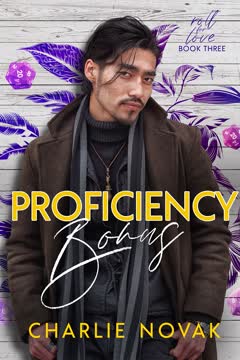
Proficiency Bonus is a queer "fix it" love story that blends nerdy joy with activism, steeped in the reality of media erasure and the everyday labor of being both tender and brave
Centered on the intersection of online fandom, chosen family, neurodiversity, and queer resilience, it offers a modern antidote to decades of tragic LGBTQ narratives—delivering a celebration of "messy" authenticity over picture-perfect heroism. Charlie Novak's story critiques the false binaries of public/private self, "normal"/neurodivergent love, and career/satisfaction by giving its heroes permission not just to survive, but to thrive. The novel's blend of digital and analog, political and personal, is both timely and timeless: in a world of cancellation (both literal and cultural), community, transparency, and joy are not extracurricular—they are lifesaving. Proficiency Bonus insists that everyone deserves their own bonus: not for perfection, but for refusal to abandon hope, the courage to resist erasure, and the simple magic of loving—and being loved—without apology.
Review Summary
Proficiency Bonus is widely praised as a sweet, low-angst romance featuring Lewis, a PA with ADHD, and Jason, a bisexual Asian actor. Readers consistently highlight the organic friendship-to-romance progression, authentic ADHD representation, and the compelling subplot about LGBTQ+ representation in television. Most reviewers recommend reading the series in order to fully appreciate the interconnected characters. Common criticisms include confusing timelines, underdeveloped online relationship scenes, and occasionally wordy prose. The book holds an overall rating of 4.29/5, with many considering it their favourite in the Roll for Love series.
People Also Read




Characters
Lewis Baker
Lewis is a pastel-haired, pink-loving, anime-obsessed personal assistant whose life is organized chaos, both professionally and emotionally. Navigating the pressures of managing high-maintenance clients in the cosplay world and a loving but overwhelming blended family, Lewis's inner world is shaped by years of ADHD, a string of failed relationships, and deep-seated insecurities about being "too much." Yet, underneath his self-doubt is relentless optimism and loyalty, a gift for emotional labor, and a fierce commitment to honesty. Meeting Jason reawakens his hopes for love that accepts all his quirks. Over time, through laughter, vulnerability, and hard-won boundaries, Lewis grows from compulsive caretaker to confident partner, trusting, at last, that he is both lovable and enough.
Jason Lu
Jason is a celebrated television star, beloved by fans as the bisexual demon prince of Celestials, but long forced to keep his true self hidden by industry expectation and personal fear. Torn between career ambition and the longing for emotional authenticity, Jason is gentle, self-deprecating, and deeply lonely at heart. His friendship—and eventual romance—with Lewis sparks the courage to step into vulnerability, challenging him to confront homophobic systems in both his work and personal life. As he risks career and comfort for truth, Jason finds fulfillment not in stardom but in chosen family, honest love, and artistic renewal. Lewis's care allows Jason to heal, grow, and ultimately create the life and representation he once only imagined possible.
Edward
Edward is Lewis's main client: a dazzling, dramatic, world-class cosplayer who masks deep insecurity with sharp wit and relentless drive. His rivalry-turned-romance with Izzy mirrors Lewis and Jason's own enemies-to-lovers journey. While outwardly self-absorbed, Edward adores his circle and provides quirky, unwavering support, even as he tests everyone's patience. His demands and disasters are matched only by his fierce advocacy, usually delivered in blustering fashion. Over time, Edward matures, learning to lean on others, accept help, and push for systemic change in the nerd world.
Izzy
Izzy, Edward's foil and romantic partner, is a tattoo artist whose calm steadiness perfectly balances Edward's flamboyance. He's easily exasperated but deeply devoted, serving as voice of reason and source of strength for both Edward and Lewis. Behind the stoic front lies impish humor and unwavering loyalty. Izzy's open embrace of the found family—and eventually Lewis and Jason—models the possibility of stability and queer joy amid chaos.
Brooke
Jason's closest friend among the Celestials cast, Brooke is vivacious and nurturing, always ready to gut-punch injustice or comfort the hurting. Her immediate acceptance of Jason and Lewis, coupled with righteous anger at the network's homophobia, cements her as emotional linchpin and ally-activist. As Jason's "adopted sibling," her capacity for honest communication keeps both herself and Jason accountable—encouraging growth, self-forgiveness, and the courage to fight for a better ending.
Ezra
Playing Jason's on-screen husband and his off-screen emotional refuge, Ezra is the embodiment of warmth and empathy. Though initially hesitant to confront the network's homophobia, his journey mirrors that of many allies: passive support growing into active resistance. Ezra's gentle guidance helps Jason survive crises of faith, confidence, and identity, even as his own understanding of privilege and community deepens. He chooses loyalty to friends—and the cause of justice—over careerism, further catalyzing collective action.
Jay
Jay, owner of The Lost World bookstore, is an effusive Celestials superfan whose giddy awkwardness gives way to genuine support for Lewis and Jason. His enthusiasm anchors the community's efforts, organizing testimonials and leveraging his circle's talents, while his bookshop becomes the hub of found family. Jay's arc—from tongue-tied idolizer to valued friend and activist—symbolizes empowerment through solidarity, demonstrating how fandom can fuel real change.
Leo
Leo, Jay's partner and a florist, is the understated rock of the group. Quietly skeptical and fiercely loyal, he grounds Jay while offering Lewis and Jason a model of stable queer love. Leo's willingness to help with everything from game nights to the big "network battle" reflects the quiet, essential labor of community-building.
Gem
As a game designer and friend, Gem crafts worlds where Lewis, Jason, and company experiment with identity, acceptance, and absurdity. Gem's commitment to inclusivity and creativity makes their projects a space for healing and laughter. Their open embrace of Finn and others new to gaming shows the value of welcoming, low-barrier community spaces.
Finn
As Lewis's shy, voice-acting brother, Finn represents the quiet, methodical side of the Baker family. Finn's tentative participation in gaming and social events models quiet growth and the importance of embracing new roles. His gradual self-trust inspires Lewis and points to the possibilities of change, even for those slowest to adapt.
Plot Devices
Digital Connection as Safe Haven
The early structure relies on digital communication—texts, Instagram, late-night calls—to create honest, low-stakes vulnerability between Lewis and Jason. This digital cocoon allows for confessions, flirtation, and mutual support at a depth that physical proximity initially precludes, foreshadowing a relationship that will thrive only if both learn unapologetic honesty.
Parallel Romances and Chosen Family
Edward and Izzy's tempestuous, then devoted relationship, and the blended warmth of Lewis's family, serve as plot mirrors and foils to the main couple, demonstrating both the tribulations and possibilities of queer love and support. These parallel stories provide templates for growth and healing, urging Lewis and Jason to envision a more hopeful future.
Industry Critique and Protest Arc
Early hints of studio interference, coupled with fan and cast anxieties, set up the central conflict: the erasure of queer joy on screen. The narrative structure builds from personal vulnerability to collective resistance, culminating in a high-stakes boardroom showdown. This arc models real-world grassroots activism, blending fan campaigns, personal testimony, and the power of coming out as both personal and political tools.
Queer Domesticity and Everyday Magic
Small moments—game nights, board cafés, family chaos, late-night snuggling—evoke everyday domestic life, using lush sensory detail (plushies, snacks, pride outfits) as both comfort and vulnerability. These details foreshadow the couple's endgame: a life built not on drama but on the quiet, affirming rituals of coexistence.
Recurring Vulnerability and Consent Motifs
Repeated conversations about needs, boundaries, and whether to seek comfort or solutions, serve as narrative checkpoints, testing and growing the couple's capacity for radical honesty. This device prevents cycles of misunderstanding, allows for true healing, and undercuts tragic tropes—ensuring that love, not miscommunication, wins the day.