
Plot Summary
Pageant Night Bloodbath
The Lone Star Princess Pageant, a Texas tradition, is shattered by violence as a snowstorm traps contestants and their families inside the new Sherman Ranch Amenity Center. Amid the glitter and sequins, blood stains the dressing room, and a killer is on the loose. Panic spreads as the storm rages outside, isolating the community and forcing everyone to confront the darkness lurking beneath their polished surfaces. The pageant, meant to crown a new queen, instead becomes a stage for terror, suspicion, and the unraveling of long-held secrets. The night's glamour is a thin veil over trauma, and the beauty on display is revealed to be as dangerous as it is alluring.
Small Town, Big Secrets
Anhalt, Texas, is a place where everyone knows everyone—and everything. But beneath the surface, old wounds fester. The disappearance of Isabelle "Izzy" Whitmore twenty-five years ago haunts the town, especially her twin, Ingrid, and their mother, the first Miss Lone Star Princess. The new housing development on the Sherman land, where Izzy vanished, stirs up memories and resentments. The pageant board, led by the formidable Kennedy Claire, is obsessed with tradition and image, but the past refuses to stay buried. As the pageant approaches, the town's collective guilt, rivalries, and generational trauma simmer, threatening to boil over.
Mothers, Daughters, and Masks
The story weaves through the lives of mothers and daughters: Sarah Lynn, the pageant favorite, is shaped by her mother's relentless ambition; Olivia, shy and overlooked, yearns for her estranged mother Cat's approval; Hannah, the outsider, struggles with self-worth and her mother Melanie's protectiveness. Each mother-daughter pair is locked in a dance of love, expectation, and disappointment. The pageant becomes a crucible, testing their bonds and forcing them to confront the masks they wear for each other and the world. The pressure to be perfect, to win, to be seen, drives them to the edge.
The Ghost of Izzy
Izzy's disappearance is the town's original sin. Her twin, Ingrid, returns home as their mother battles cancer, and the excavation for the new development threatens to unearth more than just dirt. The community's collective memory is unreliable, shaped by gossip, shame, and denial. Ingrid's grief is compounded by guilt and unresolved questions: Did Ben Sherman, Izzy's boyfriend, kill her? Why did the Shermans close ranks? As the past is stirred up, old friends and enemies are forced to reckon with what really happened that night—and what they did, or failed to do, in its aftermath.
Rivalries and Reputations
The pageant is more than a contest—it's a battleground for status, legacy, and redemption. Sarah Lynn's mother, Kennedy Claire, is determined her daughter will win at any cost, manipulating, sabotaging, and weaponizing secrets. Newcomers like Olivia and Hannah are underestimated, but their quiet strength surprises everyone. The girls' friendships are tested by jealousy, betrayal, and the pressure to conform. Sabotage—broken heels, missing props, cruel pranks—escalates as the crown draws near. The pageant's golden jubilee becomes a microcosm of the town's toxic beauty culture and the lengths people will go to protect their reputations.
The Past Unearthed
As the storm intensifies, so does the sense of dread. The excavation at Sherman Ranch uncovers human remains in The Hollow—the legendary swimming hole and site of so many childhood memories. It's Izzy. The discovery sends shockwaves through the community, reopening wounds and igniting suspicion. Sheriff Ryan, Melanie's father, must investigate friends and neighbors. Ingrid, driven by guilt and a mysterious note claiming Ben's innocence, digs into the past, uncovering evidence of sabotage, betrayal, and abuse. The line between victim and perpetrator blurs as everyone's secrets threaten to come to light.
The Hollow's Dark Heart
The Hollow, once a place of joy and freedom, is now a crime scene. The girls' late-night party there, echoing their mothers' wild youth, ends in horror when Izzy's body is found in the cave. The storm traps everyone at the Amenity Center, and the killer is among them. The setting becomes claustrophobic, the storm outside mirroring the emotional turmoil within. Old alliances fracture, and new ones form as the truth inches closer. The river, a symbol of both life and death, forces everyone to confront what they've tried to forget.
Sabotage and Sacrifice
As the pageant setup continues, sabotage escalates: scaffolding collapses, nearly killing Olivia. Cat, desperate to protect her daughter, threatens Kennedy Claire with damning footage. The girls, led by Sarah Lynn, steal the evidence to protect themselves. Meanwhile, Melanie's long-buried trauma resurfaces, and she is forced to confront her own complicity in the past. The storm outside is matched by a storm of revelations inside, as mothers and daughters make sacrifices—some noble, some deadly—to protect those they love. The cost of silence and the price of truth become painfully clear.
Storm Traps the Town
The blizzard cuts off all escape. Power fails, tempers flare, and the Amenity Center becomes a pressure cooker. Sheriff Ryan tries to maintain order as panic spreads: Abel Sherman is missing, Ben is accused, and everyone is a suspect. The girls, stripped of their hair in a gesture of solidarity and rebellion, take the stage in a pageant that becomes an act of defiance. The storm forces confessions: betrayals, abuse, and the true nature of the town's "good people." The line between hero and villain blurs as survival instincts take over.
A Killer Among Us
As the pageant reaches its climax, a gunshot rings out. Abel Sherman is found dead, a suicide note confessing to Izzy's murder and Cat's death. But the confession raises more questions than it answers. Melanie, wracked with guilt, reveals her own role in the cover-up and the chain of events that led to tragedy. The community is forced to reckon with the reality that evil can wear a familiar face, and that justice is rarely simple. The storm outside finally breaks, but the emotional storm inside lingers.
Truths Buried, Truths Revealed
In the aftermath, the survivors sift through the wreckage—literal and emotional. Ingrid and Ben find solace in each other, finally free from suspicion. Melanie confesses her part in the past, seeking forgiveness and finding it in unexpected places. The girls, forever changed, forge new bonds of friendship and self-acceptance. The mothers, stripped of their illusions, must learn to let go and allow their daughters to live their own lives. The town, scarred but resilient, begins to heal as the truth is finally spoken aloud.
Forgiveness and Fresh Starts
Months later, the town is changed but not broken. The pageant girls, now friends, move forward with shaved heads and new confidence. Ingrid and Ben build a life together, honoring Izzy's memory. Melanie and Kennedy Claire find peace, letting go of old grudges. Sheriff Ryan, burdened by what he knows, chooses mercy over vengeance. The river flows on, carrying away the past but never forgetting it. The story ends with a sense of hard-won hope: beauty is fleeting, but truth and love endure.
Analysis
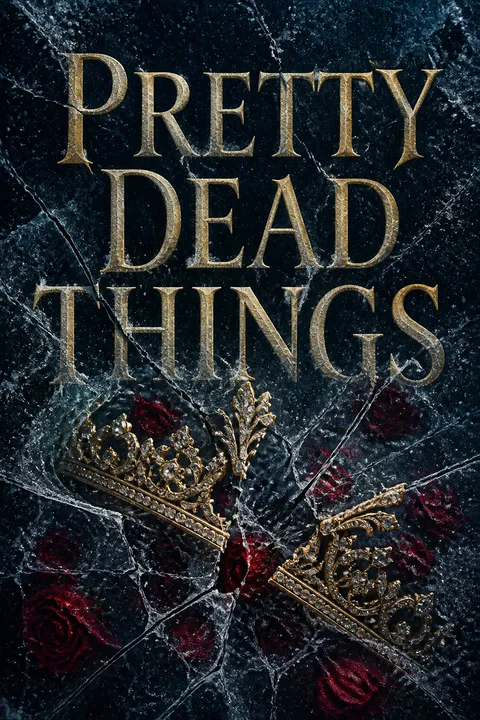
A modern Southern Gothic about beauty, trauma, and the cost of silencePretty Dead Things is a razor-sharp deconstruction of the small-town pageant mythos, exposing the rot beneath the rhinestones. Kelsey Cox uses the pageant as a lens to examine the ways women are shaped, wounded, and weaponized by the expectations of beauty, motherhood, and reputation. The novel's nonlinear, multi-POV structure immerses the reader in the emotional lives of its characters, making their secrets and pain palpable. The storm is both a plot device and a metaphor, forcing the community to confront what it has tried to bury. The ultimate revelation—that the true evil was not the obvious suspect, but the trusted, familiar face—underscores the danger of silence and complicity. The act of the girls shaving their heads is a radical gesture of solidarity and self-acceptance, rejecting the tyranny of beauty and the legacy of shame. The novel's final movement, with its emphasis on forgiveness and fresh starts, offers a hard-won hope: that healing is possible, but only when the truth is spoken and the past is faced. Pretty Dead Things is a haunting, propulsive, and deeply empathetic exploration of what it means to survive—and to be seen.
Review Summary
Characters
Sarah Lynn Preston
Sarah Lynn is the daughter of Kennedy Claire, groomed from birth to win the Lone Star Princess crown. Outwardly perfect—beautiful, poised, and popular—she is haunted by her mother's relentless expectations and the knowledge that her worth is conditional. Her friendship with Hannah and Olivia challenges her to question the pageant's toxic culture and her own complicity in it. Sarah Lynn's journey is one of self-discovery, as she learns to assert her own identity, make sacrifices for her friends, and ultimately reject the narrow definition of beauty and success imposed on her. Her act of shaving her head is both rebellion and solidarity, marking her transformation from pawn to agent of her own life.
Olivia Blake
Olivia is the daughter of Cat and Mark, caught between two worlds: her mother's chaotic love and her stepmother Emily's stability. A talented dancer, Olivia hides her light, afraid to be seen. Her entry into the pageant is both a bid for her mother's approval and a step toward self-acceptance. Olivia's psychological arc is one of moving from invisibility to presence, from longing to agency. The trauma of discovering her mother's murder and the solidarity of her friends propel her toward a new sense of self. Her final dance, performed with a shaved head, is an act of grief, defiance, and liberation.
Hannah Campbell
Hannah is Melanie's daughter, plus-sized, funny, and underestimated by everyone except her closest friends. She struggles with self-image and the pressure to fit in, but her humor and loyalty make her the emotional glue of the trio. Hannah's journey is about finding her voice—literally, as she sings onstage for the first time—and her worth beyond the judgments of others. Her relationship with her mother is both a source of comfort and tension, as Melanie's protectiveness sometimes stifles her. Hannah's act of shaving her head is a declaration of self-love and solidarity.
Ingrid Whitmore
Ingrid is Izzy's surviving twin, forever marked by her sister's disappearance. A photographer by trade, she is both observer and participant, unable to escape the gravitational pull of her family's tragedy. Ingrid's return to Anhalt is prompted by her mother's illness and the unearthing of Izzy's remains. She is driven by guilt, suspicion, and a desperate need for closure. Her relationships—with her parents, with Ben, with her old friends—are fraught with unresolved pain. Ingrid's arc is one of moving from paralysis to action, from self-blame to forgiveness, as she uncovers the truth and allows herself to love and be loved again.
Cat Dennis
Cat is Olivia's estranged mother, a woman whose beauty and charm mask deep wounds and self-destructive tendencies. Her battle with addiction has cost her everything, but she is determined to rebuild her relationship with Olivia. Cat's vulnerability and volatility make her both sympathetic and dangerous. Her efforts to protect Olivia from the pageant's cruelty put her in direct conflict with Kennedy Claire, and her murder becomes the catalyst for the story's final reckoning. Cat's arc is one of striving for forgiveness—from her daughter, her friends, and herself—even as her past catches up with her.
Melanie Campbell
Melanie is Hannah's mother, a nurse and the town's emotional anchor. She is defined by her desire to help others, often at the expense of her own needs. Melanie's history of being bullied and her trauma from the past shape her actions in the present. Her friendship with Cat is both a lifeline and a burden, as she is drawn into the web of secrets surrounding Izzy's death. Melanie's psychological journey is about confronting her own complicity, finding the courage to tell the truth, and learning to forgive herself.
Kennedy Claire Preston
Kennedy Claire is Sarah Lynn's mother and the driving force behind the pageant. A former beauty queen, she is obsessed with image, control, and legacy. Her charm is matched only by her ruthlessness; she will do anything to secure her daughter's victory and her own status. Kennedy Claire's relationship with Sarah Lynn is both loving and toxic, as she projects her own ambitions onto her daughter. Her past—marked by abuse, poverty, and betrayal—fuels her need for power. Kennedy Claire is both villain and victim, her actions shaped by a lifetime of fighting to survive.
Ben Sherman
Ben is Izzy's former boyfriend, forever suspected of her murder. He is a man broken by loss, living in the shadow of his father Abel's silence and the town's suspicion. Ben's loyalty to his family and his inability to defend himself make him both tragic and enigmatic. His relationship with Ingrid is fraught with longing and regret, and his eventual exoneration is bittersweet. Ben's arc is about reclaiming his humanity and finding a place in a community that has cast him out.
Abel Sherman
Abel is Ben's father, a man whose gruff exterior hides a lifetime of guilt and pain. His refusal to cooperate with the investigation into Izzy's disappearance makes him a pariah, but the truth is more complicated. Abel's confession to Izzy's murder and Cat's death is both a final act of self-destruction and a desperate attempt to protect his son. Abel embodies the story's themes of generational trauma, the corrosive power of secrets, and the impossibility of true justice.
Sheriff Ryan
Sheriff Ryan is Melanie's father and the town's lawman. He is a man of principle, but his loyalty to his community and his daughter complicates his pursuit of justice. Sheriff Ryan's investigation is hampered by personal ties, and his ultimate decision to withhold evidence is a testament to the story's moral ambiguity. He represents the struggle between duty and compassion, law and love.
Plot Devices
Nonlinear, Multi-POV Structure
The novel unfolds through a chorus of voices—mothers, daughters, friends, and enemies—each offering a piece of the puzzle. Flashbacks to the past (the original pageant, Izzy's disappearance) are layered with present-day events, creating a tapestry of memory, rumor, and revelation. This structure allows the reader to experience the emotional weight of generational trauma and the ways in which the past shapes the present. The shifting perspectives build suspense, deepen character, and gradually expose the truth.
Foreshadowing and Red Herrings
The narrative is laced with clues—mysterious notes, sabotaged props, suspicious behavior—that point in multiple directions. The storm itself is a metaphor for the chaos and danger brewing beneath the surface. The use of red herrings (e.g., suspicion falling on Ben, the focus on Kennedy Claire's machinations) keeps the reader off-balance, mirroring the characters' own uncertainty. The eventual revelation of the true killer is both shocking and inevitable, the result of careful planting and misdirection.
Symbolism of Beauty and Decay
The pageant, with its glittering gowns and perfect smiles, is a symbol of the town's obsession with appearances. But beauty is revealed to be both a weapon and a warning—"pretty dead things" that mask rot and pain. The recurring imagery of mirrors, hair, and the river underscores the theme that what is seen is not always what is true. The act of the girls shaving their heads is a powerful rejection of the tyranny of beauty and a reclamation of agency.
Locked-Room Mystery and Storm as Catalyst
The blizzard traps the characters together, cutting off escape and forcing secrets into the open. The Amenity Center becomes a crucible, where old grievances and hidden crimes are brought to light. The storm is both literal and metaphorical, a force that strips away pretense and compels reckoning. The locked-room structure heightens tension, accelerates the plot, and ensures that no one can run from the truth.
Generational Trauma and Cycles of Abuse
The novel explores how trauma is passed down—through silence, through expectation, through the desperate need to protect or control. The mothers' choices shape their daughters' lives, for better and worse. The revelation of abuse, betrayal, and complicity forces characters to confront not only what was done to them, but what they have done to others. The possibility of breaking the cycle—through confession, forgiveness, and solidarity—is the story's ultimate hope.








































