Plot Summary
City of Wanderers
Julius, a Nigerian-born psychiatry resident, drifts through Manhattan, using long walks to decompress from his demanding work at a hospital. The city becomes a landscape for reflection—on culture, solitude, migration, and personal history. Julius's meandering traverses neighborhoods, parks, and social boundaries, blending observation and introspection. The narrative flows with his footsteps, closely entwining cityscape with the landscape of his mind. Each street holds stories, echoes of other lives—immigrants, marathoners, the marginalized—reflected in fleeting meetings and silent exchanges. Julius's walking is also an exercise in searching for meaning after a recent breakup; he processes loneliness and the leftover ties of human connection, finding peace and anxiety in the unpredictable energy of urban movement and the constant thrum of anonymous crowds.
Fragments of Memory Return
His walks become an avenue for recollecting and confronting the past—childhood in Nigeria, his mother's distance, his deceased father, and estrangement from family. Memories surface as vivid fragments: a strained relationship with his German mother, distant recollections of his grandmother, and visits to boarding school, all intermixed with the New York present. Julius's encounters with old teachers, neighbors, and former lovers further evoke the act of remembering as uncertain, colored by longing and regret. The city's urban decay, failing businesses, and changing seasons stir memories of impermanence and mortality, as he grapples with feeling both rooted and displaced. Through reading, music, and city walks, remembrance is as much solace as it is disturbance—memory is partial, unreliable, and always shifting with the present.
Lost and Remembered People
Julius visits Professor Saito, an aging mentor, whose WWII internment and scholarly life open discussions about memory, trauma, and cultural erasure. These visits probe mortality and aging, especially as Saito's health falters. Julius's interactions reveal the difficulty of real intimacy—neighbors suffer losses unnoticed, relationships drift, and histories are barely acknowledged. Stories about patients, immigrants, and strangers illuminate how suffering and survival shape individuals and groups. The specter of collective traumas—from European wars to colonization to New York's erased histories—haunt the present, encountered in museum exhibits, conversations, and fleeting city sights. Julius is both witness and participant in this ongoing procession of losses, tasked with giving them form and meaning.
Dialogues of Suffering
Julius's encounters—whether with friends, professors, patients, or strangers—become dialogues about personal and collective pain. With Nadege, a former lover, conversations skirt around emotional absence. With Professor Saito, dialogue circles aging, loss, and the slow recession of memory. Julius's patients embody psychological wounds inflicted by culture, family, racism, and personal trauma. Stories from immigrants detail brutal migrations and the hope for survival, only to meet bureaucratic indifference or detention. The city's surface fissures with undercurrents of suffering, whether in the language of the mentally ill, in jazz's improvisational sadness, or in the silences between people. Through these exchanges, Julius collects stories—never quite able to heal or interpret them fully, yet deeply changed by bearing witness.
Outlines of Exile
Julius's transnational life—Nigerian by birth, part-German by descent, living in America—mirrors the experiences of countless others in New York. Whether speaking to African, Haitian, or Arab immigrants, or tracing the outlines of his own family's migration, he feels the push and pull of belonging and exclusion. Exile marks conversations with Farouq, a Moroccan intellectual in Brussels, whose profound sense of alienation critiques European hypocrisy and the myth of cosmopolitanism. The liminal spaces of detention centers, phone booths, and city backstreets become sites where identities are questioned and forged. Julius's narrative is fundamentally that of a searcher, both rooted and unrooted, exploring the boundaries of self and community.
Beneath the Surface
Julius's work as a psychiatrist brings him into contact with the invisible: mental illness, suppressed trauma, and quiet desperation. In his walks, he stumbles upon historical markers—the African Burial Ground in Manhattan, the vestiges of slave trading, and signs of vanished peoples. Interactions with survivors and victims—the Liberian detainee Saidu, Holocaust images, the aftermath of 9/11—layer Julius's reflections with the weight of history. Yet, much remains unsaid: suffering passes unnoticed, violence is denied, and the city's palimpsest of stories is overwritten and erased. Within this silence, Julius reflects on complicity, guilt, and the possibility of understanding others' pain.
Healing and Harm
Julius draws constant analogies between medical healing and the arts: both seek to assemble meaning from brokenness and disorder. Mahler's music becomes a metaphor for survival and beauty amid devastation—symphonies composed in bereavement, music as a process of elegy and hope. The act of therapeutic listening, whether with patients or friends, echoes the work of the artist: to hold suffering, to attempt a provisional repair. Yet, Julius confronts harm as well: his family's injuries, his mother's wound, the violence of racism and migration, and—ultimately—his own transgressions and moral failures. Healing and harm are intricately interwoven, and neither is ever complete.
Boundaries and Divisions
The novel charts boundaries—between races, nations, languages, and within selves. Political conversations expose the cracks in multicultural ideals; tensions between the city's white and black residents, immigrants, and citizens, young and old complicate every encounter. Julius becomes increasingly aware of how difference generates misunderstanding, fear, and violence—both casual and systemic. His professional divisions (doctor/patient, insider/outsider) mirror deeper schisms within his psyche and community. Even in mundane tasks—banking, shopping, walking—divisions play out, sometimes violently, sometimes as silent estrangement.
Passing Strangers, Passing Time
Everyday encounters—a subway conversation, a chance reunion, a brief sexual liaison—become charged with questions of recognition, intimacy, and anonymity. Strangers slip past one another; friendships and relationships drift or collapse. Julius's inability to remember an old friend epitomizes the slipperiness of connection over time. The city is dense with lives that brush up and then disappear, each carrying a world of unseen sorrows and joys. Time moves unevenly: at once rushed and suspended, as city dwellers hurry past disasters, linger in parks, or sleep through symphonies. Julius ruminates on how little—despite proximity—people truly know or retain of each other.
Lines Across Water
Julius's travels—to Brussels, through memories of Nigeria, across New York's rivers and parks—parallel inner journeys through loss, hope, and identity. Water recurs as motif: rivers that border Manhattan, oceans that separate continents, childhood rainstorms and wells, the wake of a night boat. These crossings speak to transitions—of death, migration, imagination—rendering the city as both refuge and site of longing. Each journey brings Julius into contact with past and present ghosts, bringing him closer to revelations about himself and his world.
Connections and Losses
Important relationships—Professor Saito, Nadege, Moji, friends old and new—anchor Julius's emotional life, yet are always fleeting. He bears witness to Saito's decline and death, struggles to understand lost loves, feels the sting of broken familial bonds, and recognizes his own culpabilities. The failure of communication, the inevitability of forgetting, and the uncertainty of forgiveness mark these relationships. Julius emerges as someone both enriched and burdened by connections, aware of his inability to truly rescue or even fully remember those he has loved or hurt.
Revelations and Shadows
The narrative builds to moments of sharp revelation: a friend accuses Julius of past sexual assault, challenging his sense of self and memories. The accusation—delivered quietly, devastatingly—casts shadows on everything that came before, calling the reliability of Julius's account into question. The ambiguity of truth and denial, the limits of self-knowledge, and the consequences of silence and erasure complicate the book's ethical landscape. The story refuses closure, leaving readers with questions about justice, memory, and moral blindness. Julius must face the pain of being both victim and perpetrator.
Reprieves and Farewells
As spring returns, friends move away or die, old ties are mourned, and Julius begins a new private practice. Moments of fragile happiness appear: a picnic in the park, the sight of cherry blossoms, a child's laughter at a funeral. The book's elegiac tone persists, laced with acceptance and sorrow—of friends lost to death or distance, broken relationships, and the witness of beauty despite pain. Final farewells come both gently and abruptly, in music, memories, and silent gestures, as the ephemeral nature of life and connection is brought into sharp relief.
Catastrophe, Ordinary and Forgotten
Julius reflects on how disasters are both monumental and easily forgotten: 9/11's erasure and memorialization, the slave histories under modern Manhattan, epidemics and wars swept aside by daily routine. Catastrophe is not just exceptional, but ordinary, repeated in countless unnamed lives—through mugging, illness, quiet death, or the unnoticed anguish of strangers. The city carries these wounds in its stones and people, a palimpsest always rewritten, its true stories submerged.
Invisible Cities Within
The geography of Manhattan, with its layers of history, reflects the workings of memory: accreted, partial, overwritten. Julius's walks reveal invisible cities within cities—buried histories, hidden suffering, desires unspoken, streets erased for buildings or disasters. The city is transformed into a map of the mind, with traumas lying beneath the surface, shaping all that is visible. Memory, like the city, is both constructed and easily lost—a panorama seen from above and then forgotten, a model outlasted by its reality.
Of Migration and Violence
Encounters with immigrants—African, Arab, Caribbean, Eastern European—bring to light the pain and hope of displacement, the search for belonging, and the threat of violence. Julius's own migration story is mirrored in those he listens to and observes; the violence of borders, bureaucracy, and racism marks his life and the lives of those around him. Even mundane violence—a mugging, casual prejudice, the grind of labor and indifference—plays out against greater narratives of suffering.
Stories Under the Skin
Physicality—pain, healing, hunger, sex, injury—plays a constant role in Julius's reflections. Illness and injury (his own and others'), the memory of assault, and the vulnerabilities of aging or sickness are not just metaphors but literal events shaping identity. The body holds unspoken histories, visible in scars, disease, and responses to trauma. The mind's work—and its blind spots—is always tethered to what is borne and endured under the skin.
Memory's Blind Spots
Julius, as psychiatrist and narrator, is preoccupied with what we cannot see or know: about others and ourselves. The narrative questions the accuracy of memory, the reliability of self-narrative, and the self-justifications by which harm is minimized or denied. He acknowledges how easily people become the villains in others' stories, how fragments of experience evade even careful search. The city's blind spots—physical and psychic—highlight how much remains unknowable, shaping the ethics of witness and narration.
Encounters With the Past
Julius is often jolted by encounters with the past: works of art in museums, conversations with survivors, visits to monuments and burial grounds. The city's architecture and rituals (concerts, funerals, therapy) are haunted by what has come before. Even in personal encounters, the past returns both as yearning and accusation. Julius tries, often unsuccessfully, to reconcile himself to his family history, to atrocities witnessed and inherited, to harms committed and suffered. The narrative does not allow for easy reconciliation or closure; the past is present, sometimes as ghost and sometimes as wound.
The Weight of Silence
Whether in the refusal to speak of trauma, the forgetting of histories, or the denial of wrongdoing, silence is everywhere. Julius is confronted with this in personal relationships, professional encounters, and historical memory. The burden of what cannot—or will not—be spoken becomes crushing: a friend's accusation, the pain of unacknowledged suffering, the fading memory of the dead. These silences are not neutral; they are chosen, enforced, or inherited, shaping the possibilities of justice, forgiveness, and understanding.
Light Against the Night
Music, art, fleeting connections, acts of care: these offer temporary reprieve and moments of transcendence, like Mahler's radiant finale after a movement of sorrow. Yet, the city returns to night and cold, and the starlight Julius glimpses is always from long ago, already gone or yet to arrive. The book ends poised between these poles—darkness and light, suffering and hope, presence and absence—unresolved, open, admitting of both the beauty and the pain inherent in being fully alive and fully aware.
Analysis
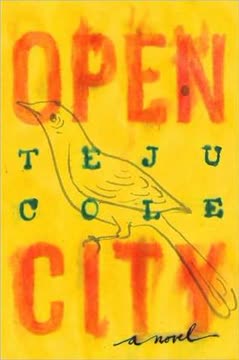
"Open City" stands as a luminous meditation on urban solitude, migration, and the ethics of bearing witness. Through Julius's searching, digressive narrative, Teju Cole explores the difficulties of knowing oneself and others in a world marked by displacement, violence, and impermanence. The book is deliberately anti-closure, pushing readers to dwell in uncertainty—not only about the external world but about personal history, memory, and harm. It challenges assumptions about cosmopolitanism and empathy, revealing the persistent wounds of race, history, and trauma that underlie surface civility. As Julius listens—and sometimes fails to listen—to those he encounters (friends, patients, strangers, ghosts), the novel interrogates whether true understanding or healing is possible, or whether individuals are always circumscribed by their own blind spots and silences. The climactic accusation against Julius, the book's refusal of easy redemption, and its focus on partial, fragile beauty (as in Mahler's symphonies or a fleeting city sunrise) encapsulate its vision: that our cities, like ourselves, are sites of both suffering and sublime connection, endlessly open yet densely inscribed with unseen histories. In our era of migration and fractured identity, "Open City" asks how we carry forward—responsibly, with courage—even when clarity and closure are denied us. It is a novel about the costs and necessity of openness: to pain, to ambiguity, and to the possibility of grace.
Review Summary
Open City is a plotless, introspective novel following Julius, a Nigerian-German psychiatrist wandering New York and Brussels. Reviewers praise Cole's lyrical prose and intellectual depth, drawing frequent comparisons to W.G. Sebald. Many appreciate its meditations on race, history, and urban life, though others find Julius cold and unlikeable. A late revelation about Julius's past divides readers — some find it brilliantly recontextualizing, others feel it lands abruptly. The novel earns admiration for its beautiful writing, even from those frustrated by its lack of narrative momentum.
Characters
Julius
Julius is the protagonist and narrator—a Nigerian-born psychiatry resident living in Manhattan. Intellectual, introspective, and keenly observant, he uses city walks to process the pressures of his medical work and the losses in his personal life—familial estrangement, the breakup with Nadege, and his father's death. Julius's psychological makeup is marked by a sense of outsiderhood, shaped by his mixed Nigerian-German heritage, his migration to the U.S., and the alienation of city life. He is simultaneously empathetic—listening deeply to strangers and friends, eager to understand the suffering of others—and emotionally reserved, often incapable of true intimacy or self-disclosure. As the novel progresses, his reliability and self-knowledge come into question, especially as painful truths about his past emerge, culminating in a deeply unsettling accusation. Julius is both healer and potential harm-doer, a complex explorer of memory, culture, and moral ambiguity.
Professor Saito
Professor Saito is an elderly Japanese-American scholar, Julius's cherished former teacher and surrogate grandfather. Surviving WWII internment, Saito's life is shaped by displacement, academic struggle, and quiet suffering, all of which he relates to Julius in their intimate conversations. Wise, intellectually generous, and reserved, Saito models both resilience and the costs of a life marked by exclusion and personal tragedy, including illness and lost loved ones. His eventual decline and death become an occasion for Julius to contemplate mortality, memory, and the possibility of genuine connection across generation and culture. Saito's legacy is both scholarly—his deep memory for poetry and literature—and emotional, representing the importance, and the limits, of mentorship and cross-cultural empathy.
Farouq
Farouq is a Moroccan immigrant Julius befriends in Brussels. Intense, articulate, and philosophical, Farouq embodies both the promise and the pain of migration: well-educated, passionate about ideas, but thwarted by bureaucracy and racism in Europe. His conversations with Julius—about identity, difference, the end of history, the failures of multiculturalism, and the lure of violence—expose the difficulty of belonging and the oppression of being always seen as "other." Farouq's autodidacticism and zeal for learning contrast with his sense of social impotence and despair, while his relationship with Julius oscillates between camaraderie, disagreement, and misunderstanding. Farouq's story complicates the narrative of cosmopolitan inclusion, revealing the lived costs of alienation and marginalization in the global city.
Nadege
Nadege is Julius's ex-girlfriend, a Haitian-born woman recently relocated to San Francisco. Their relationship is sketched through fractured phone calls, memories, and missed connections. Nadege is both a figure of intimacy—her presence both grounds and destabilizes Julius—and absence, her departure precipitating his urban wanderings and reflections on loss. Though less present than other characters, her departure, letters, and eventual move towards marriage with another haunt Julius throughout. In their interactions, she frames the emotional cost of Julius's reserve and his avoidance of genuine intimacy.
Moji
Moji is a figure from Julius's Nigerian youth, the sister of a childhood friend. Re-encountered by chance in New York, she becomes initially a companion and possible love interest, only to confront Julius with an accusation of sexual assault from their adolescence—a charge he has no memory of or chooses to deny. Moji is strong, articulate, and emotionally direct, her pain both individual and emblematic of the silenced suffering experienced by many women. Her accusation serves as the novel's moral and psychological crux, shattering Julius's sense of self and forcing readers to reconsider the limits of memory, responsibility, and narrative authority.
Saidu
Saidu is a young Liberian refugee whom Julius visits, as part of a church outreach group, in a U.S. immigration detention center. His story is one of loss, endurance, and the desperate desire for safety: orphaned by war, surviving brutality and displacement through several countries to arrive in America, only to face the indifference and harshness of the detention system. Saidu's narrative becomes both a testimony and a burden for Julius, who is moved by compassion but powerless to effect change. Saidu's fate highlights the human cost of border regimes and the precariousness of hope.
Mary
Mary is the nurse-aide for Professor Saito, a strong, warm-hearted Caribbean woman. While a somewhat peripheral character, she embodies everyday care and continuity, bearing witness to the professor's decline and engaging kindly with Julius. Her pregnancy, life outside work, and ongoing adjustments reflect both the endurance and ordinariness of suffering and resilience in immigrant and working-class lives.
Dr. Maillotte
Dr. Annette Maillotte is a Belgian-born, retired surgeon whom Julius meets on a flight to Brussels. She is candid, fiercely intelligent, and deeply shaped by European history, especially WWII. Their long conversation unfolds her memories, attitudes towards migration, family, and war, and serves as a counterpoint to Julius's American-based experience. She becomes a figure representing the complexities of European belonging, integrating history, privilege, and suffering.
The City (New York/Brussels)
Both as physical places and as metaphors, New York and Brussels shape every story, encounter, and memory. The city, with its neighborhoods, history, and anonymous crowds, becomes an acting presence, shaping and reflecting characters' fates, mirroring their fragmentation, hope, and alienation.
The Past (collective and personal)
History—familial, cultural, global—functions as an unspoken but pervasive character, surfacing in memories, art, music, and the city's hidden landscapes. Whether in Julius's personal past (family, childhood traumas) or the collective (exile, colonization, catastrophe, race), the past acts upon and through all other characters, sometimes invisible, sometimes abruptly materializing to demand reckoning.
Plot Devices
Peripatetic Narrative Structure
The novel adopts a meandering, digressive narrative, tracing Julius's physical walks through the city as analogies for his mental and emotional explorations. This peripatetic approach allows the narrative to drift between past and present, memory and observation, seamlessly blending stories overheard, encounters, and recollections. The structure mimics the unpredictability and continuity of thought, and the city itself as an ever-changing text, resisting traditional plot arcs and closure.
Embedded Dialogues and Recounted Stories
Julius's reflective voice alternates with long stretches of dialogue, recollected speech, and the stories of others—friends, mentors, patients, strangers. These tales function as mirrors or counterpoints to his own journey, allowing the narrative to interrogate migration, loss, violence, and belonging from multiple angles. This recursive device reveals the impossibility of one authoritative narrative and foregrounds the fragmentariness of experience.
Blurring of Past and Present
The narrative frequently collapses present observation and memory, so that childhood events, historical traumas, and current events bleed into each other. Julius's walks in Manhattan spark recollections of Nigeria, Brussels, or family, as well as historical analogies—from slave graves to Holocaust museums. This device reflects the persistence of the past in everyday life and emphasizes the impossibility of true detachment or forgetting.
Foreshadowing and Omission
Throughout, Julius refers obliquely to painful memories, broken relationships, and unnamed wounds. The eventual revelation of Moji's accusation is foreshadowed through slips, gaps, and the buildup of stories about denial, forgetting, and harm. These silences are as important as what is spoken, allowing meaning to accrete around what is unsaid, and priming the reader for the destabilizing final revelations.
Mirrors and Doublings
Motifs of mirrors, doubles, and paralleled stories (Julius and Farouq, Julius and his patients, the city's erased and visible histories) permeate the novel. These doublings raise questions about identity, moral certainty, and the universality of suffering, suggesting that the boundaries between self and other, victim and perpetrator, are porous and unstable.
Intertextuality and Allusion
Frequent references to Mahler, classical music, visual art, psychoanalysis, and poetry serve as commentaries on the narrative, amplifying Julius's moods or serving as metaphoric frameworks. Mahler's symphonies, for instance, exemplify the struggle to create meaning amid disaster, functioning both as solace and as a reminder of pain. These allusions also foreshadow or reflect emotional developments—art amplifies and complicates lived experience.
Pacing and Emotional Gradation
The narrative pace alternates between periods of stasis—prolonged city walks, introspective musings—and shocks: violence, sudden revelations, or deaths. This structure creates a sense of unpredictability, mirroring life's interleaving of routine and rupture, and maintaining an emotional tension that propels the reader through quieter portions of the text.








































