

Plot Summary
Outcasts at the Campfire
Lane is fourteen, newly orphaned and thrust into his mom's new family, including her mouthy, charming stepson Noah. At a summer soccer camp, Lane's anxieties amplify his outsider status. Noah, popular and at home, seems to resent Lane's presence. When they're coerced into a party around a campfire, everything Lane fears comes alive: ridicule, pressure, exposure. In a cruel twist, Noah dares Lane into a game with a homophobic edge, culminating in a taunting, public kiss. Humiliated, Lane storms away—unaware that the boundaries between them have begun to warp irreversibly, setting them up for a forbidden connection that neither fully understands nor wants.
First Kiss, Lasting Damage
The fallout from their forced kiss is immediate and destructive. Lane's humiliation turns into violence at a camp picnic the next day. When Noah trickily makes Lane wear a humiliating sign, Lane punches him, leading to a fight that gets them both sent home. The boys' parents separate them, but a bitter rivalry is born—the kind that's as much longing as hatred. Both struggle with shame: Lane, over unwanted feelings and harsh religious upbringing; Noah, over his confused attraction and guilt. Their first closeness is seared in memory as violation and desire, setting a precedent for navigating love through cruelty and defense.
Return to Rivalry
Three years later, they return to the same camp—this time as junior counselors instead of campers. Still forced together but more mature and athletic, their rivalry has evolved. Lane's strict discipline and need for control clash with Noah's charisma and disregard for authority. Each boy is a leader in his own right: Lane, with rigid drills; Noah, with creative play. Their private tension simmers under the surface, spilling into competitive athleticism and subtle sabotage. They recognize that neither can back down—they are each other's nemesis, and spark.
Lines Crossed, Boundaries Blurred
The competitiveness seeps off the field and into their shared cabin. Their nocturnal encounters become increasingly intimate and coercive. Lane's deepest fear—his own desires—are manipulated by Noah, who commands him to touch himself as both a punishment and a revelation. What starts as control and humiliation turns disturbingly mutual; Lane finds release for the first time, shamefully craving the very acts that terrify him. Noah's attempts to dominate are entangled with his own awakening attraction, and both become addicted to crossing each other's boundaries. Their shared secrets become a currency neither wants to relinquish.
Stepbrother Games
Routine develops: whenever Lane grows anxious, Noah orchestrates their secret rituals. Lane protests—sometimes meaning it, sometimes not. Noah pretends it's a joke. Both find solace in the structure; Lane needs denial, Noah needs submission. Eventually, both realize that what they share is deeper than torment. These twisted games grant Lane the only escape from his anxiety, and soon, he can't climax without Noah commanding him. What seemed like punishment morphs into a collaboration—a malfunctioning but essential safety valve.
Confession Denied, Bonds Strengthened
As high school ends, both are accepted into the same college and forced again to be roommates. Resentment simmers, but also grows new roots. The stress of maturity, college, and hidden trauma pushes Lane toward breakdown, but he's unable to confide in anyone but Noah. He rejects his sexuality, cycling between denial and desperate submission. Noah grapples with what he wants: is it power, revenge, or Lane himself? He's tormented by both possessiveness and guilt, yet finds himself unwilling to relinquish the tension between them. Their private, illicit language cements a bond neither dares to name.
Searching for Escape
College brings new expectations and new kinds of pressure. Lane's coping mechanisms erode; school, soccer, and social demands become too much. He tries to lose himself in work, running, anything to replace the illicit comfort he finds in Noah's control. In this fragile state, Lane meets Danny—an affirming, openly queer teammate. Danny offers genuine friendship, but Lane isn't ready. Confronted by support and suspicion from others, and faced with the expanding consequences of secrecy, Lane withdraws further, cycling between panic attacks, self-loathing, and dangerous reliance upon Noah.
Pleasure and Punishment
Their mutual need can't be contained. What begins as obligatory acts in the darkness grows reckless—public risk replaces privacy, and their encounters are tinged with both desperation and affection. Lane's body responds to Noah even as his mind tries to shut him out. Noah, increasingly aware that he desires Lane beyond games, pushes harder. Lane's guilt, both inherited from religious trauma and self-imposed, makes every pleasure both liberation and self-punishment. Their dynamic is brutal, raw, and achingly real—a war of want and fear.
Unraveling in the Shadows
Lane's trauma surfaces in nightmares, flashbacks, and breakdowns; Noah is increasingly the only one able to reach him. Physical closeness comforts Lane, and their silent tenderness grows. Sometimes just lying on each other's chest is enough. But the specter of Lane's past—conversion therapy, emotional and physical abuse, loss of his friend Chris—haunts them both. The world outside starts to close in: the discovery of Lane's background, questions from others, and the ever-present threat of exposure. Love is transgressive, healing, and terrifying.
Making Each Other Whole
With pain comes understanding. Their shared trauma creates a language of care: Noah's patience creates a safe harbor for Lane to finally rest, both physically and emotionally. Risking everything, they allow themselves to want more than survival, more than sex. Lane starts unraveling his past, and learns that healing is possible with someone beside him. Simultaneously, Noah surrenders his defenses, finding joy in Lane's pleasure. Gradually, want becomes need, and need becomes love. What was once a game becomes true belonging.
Rock Bottom, New Roots
Family becomes both a source of trauma and support. Lane's mother reveals truths about her own past; her failure to protect Lane is met with bitterness and grace. Together, they begin the process of mutual forgiveness. Noah's father and Hannah, meanwhile, try to love both boys through confusion and fear. When the truth of Lane's suffering—and his forbidden relationship with Noah—is exposed, there is anger and disbelief, but also the possibility of open love. The hardest step is allowing themselves to believe they are worthy of it.
Facing the Past
The past cannot be avoided. Lane is forced to testify against the leaders of Deliverance Summit, recounting his abuse and the devastating loss of Chris. The ordeal is brutal but necessary, providing public closure for both Lane and the survivors. Noah, Hannah, and Scott stand by him, offering the support he could never expect as a frightened, isolated child. In the trial's aftermath, Lane emerges irrevocably changed—tired, raw, but finally beginning to see healing on the horizon.
Family Ties, Hidden Shames
As the trial resolves, Lane's relationship with his parents shifts; blame, regret, and apology flow from all sides. Both Lane and his mother confess their worst secrets. The process is cathartic and suffocating, but through shared vulnerability, a new kind of family is built. The two stepbrothers, once shackled by shared shame, now have space to forge a new life together.
A New Name, A New Life
The name "Blakely" becomes a badge of hope, not shame. Named after his lost friend Chris Blakely—and all the possibility that name contained—Lane begins to see his future as his own. The same is true of "stepbrothers": a term that once meant familial obligation, then shame, now becomes a symbol of the family they choose, not that which abused or abandoned them. Lane and Noah stop running from what they are, and begin to build what they can become.
Nightmares and Tenderness
Night brings nightmares, but also comfort. Lane cycles between flashbacks and fear, but Noah's presence offers peace. An unspoken agreement emerges: Noah's touch, even if just the weight of his body or a kiss, is the anchor Lane relies on. Night after night, they weather the darkness together, proving love is not the absence of pain, but the ability to survive it.
Offense and Defense
The world won't stop testing them. Whether facing down homophobia, losing friends, or simply fighting for the right to be together, Noah and Lane become each other's defense and attack. They handle public exposure, microaggressions, and the confusion of building a relationship in a world that barely allows it. Adversity only galvanizes their unity.
Coming Out to Each Other
Their coming out is a gradual, non-linear process—not only to others, but to themselves and each other. Through whispered confessions in dark rooms, through touch and play, through shared breakdowns and dreams, they gradually learn to speak aloud the love—and trauma—they once buried. Sex, once a tool of control, becomes a language of trust and truth.
Loving Against the Odds
Against all odds, Lane and Noah choose each other. The secrets and shame that once defined them become memories; they are no longer running. Family, friends, and their own selves learn to (mostly) accept them. Through activism and law school, through each day spent facing sunlight and darkness, they turn survival into life, and torment into the possibility of enduring love.
Analysis
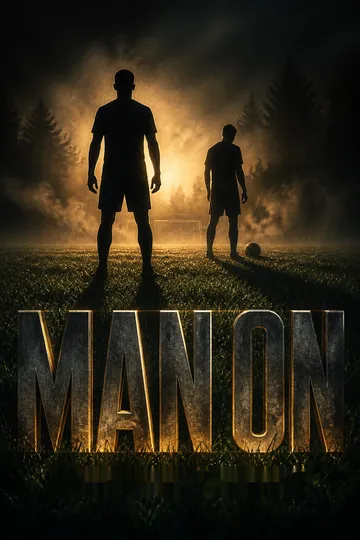
Rebecca Rathe's Man On is a bold, unflinching exploration of trauma, forbidden desire, and the complicated paths to healing. By centering the story around two deeply wounded stepbrothers—Lane, shaped by conversion therapy and fundamentalist abuse, and Noah, whose need for control masks his own pain—the novel boldly excavates the intersections of shame, sexuality, and power. Rathe does not shy from explicit, sometimes uncomfortable depictions of sex and vulnerability, using them as a crucible for growth and self-acceptance. The detailed portrayal of coercive and consensual dynamics offers a nuanced look at how broken people find ways to comfort each other, even if those ways are imperfect or maladaptive. The book's most powerful moments occur when love overcomes systems—familial, religious, legal—that seek to destroy it. Ultimately, Man On insists on the possibility of new roots: that even from devastating pain and cultural rejection, real love can emerge, bearing witness to the truth and forging a future from chosen family, honest expression, and radical acceptance. The narrative serves as a rallying cry: the only way out is through, and the only way through is together.
Review Summary
Man On receives mixed reviews, averaging 4.08/5. Fans praise its emotional depth, scorching chemistry between stepbrothers Lane and Noah, and sensitive handling of religious cult trauma, conversion therapy, and internalized homophobia. Many compare it favorably to For the Fans and Wrath. Critics cite excessive length, repetitive sex scenes, weak plot, and little actual sports content despite its sports romance label. Lane's trauma arc resonates strongly with readers, while Noah's protectiveness wins hearts. The audiobook receives particular praise.
People Also Read




Characters
Lane Blakely
Lane, introverted and traumatized, is ripped from religious seclusion and forced into a new family and world after his grandfather's death. He suffers from extreme anxiety, repression, shame, and the aftereffects of religious and physical abuse, including conversion therapy. An outstanding athlete and scholar, his outward discipline is a coping mechanism masking self-loathing and terror. His relationship with Noah, first adversarial, becomes his one outlet for pain and pleasure, evolving from coercion to interdependence. Lane's journey is one from denial to self-acceptance—finding healing not by erasing trauma but by letting himself be loved through it.
Noah Milner
Noah is Lane's stepbrother, rival, tormentor, and eventual lover. He's the golden boy in his sphere: charming, funny, magnetic, but also impulsive and wounded in quiet ways. At first, his power games with Lane seem cruel, masking his uncertainty about his own desires and jealousy at his father's affection. Over time, Noah's obsession with Lane turns from domination to care—his own emotional survival becomes tethered to Lane's wellness. Noah's deepest struggle is with vulnerability: learning to move beyond power plays to authentic connection.
Hannah
Lane's mother, once a victim of the Deliverance "church," abandoned Lane (under duress) but now tries to parent and heal with him. Wracked with guilt over her past decisions, she's gentle and patient, encouraging Lane's recovery—yet she must face her own trauma in order to help him fully. Her relationship with Lane, marked by careful love and sorrow, becomes key to his healing.
Scott
Noah's father and later Lane's stepfather, Scott embodies silent, sturdy support. His calm temperament and attempts at fairness ground the blended family, often serving as an emotional buffer between the boys and their mothers. Though not always understanding, he is ultimately fiercely loyal to both sons.
Danny Hastings
Danny, a teammate and open, affirming queer character, represents what freedom might be for Lane: safety, acceptance, and platonic (or possibly romantic) intimacy without secrecy or shame. His friendship presses Lane to confront possibilities outside pain—and tests Noah's jealousies and possessiveness.
Miah
Noah's best friend, Miah brings needed levity but also blunders through secrets and boundaries, sometimes igniting trouble without realizing it. As a lens into how outsiders perceive Lane and Noah, he oscillates between blunt support and cluelessness, but ultimately comes to accept their relationship.
Chris Blakely
Lane's first close friend and the inspiration for his "new" name, Chris is a victim of conversion therapy and religious abuse who dies by suicide. His memory looms over Lane's journey, representing lost possibility, survivor's guilt, and the roots of Lane's empathy for others. Chris's story is the catalyst for Lane's testimony—transforming personal pain into public witness.
Gideon Larsen
Gideon, Lane's biological father and chief antagonist, spearheaded the conversion camp and orchestrated much of Lane's and Chris's suffering. He is unnervingly present even in absence, a shadow Lane must ultimately name and expose in court. His betrayal is personal and systemic, the embodiment of all Lane must overcome.
Colleen Blakely
Chris's mother, racked with guilt for allowing the church to destroy her son, becomes an activist and key figure in the fight for justice. Her forgiveness toward Lane, and participation in the trial, is a moment of solidarity, showing that even the deepest wounds can be faced and transformed.
Ms. Clarke
Lane's attorney is relentless, smart, and compassionate—guiding him through the legal and emotional gauntlet of testimony. More than a lawyer, she is a midwife for Lane's voice, ensuring the story is heard, believed, and changes the wider world.
Plot Devices
Rivalry as Camouflage for Longing
The entire structure of the relationship is grounded in antagonism: games, competition, power plays. Their rivalry is both a cover and a crucible, giving both the plausible deniability to explore forbidden feelings and ultimately leading to recognition of love.
Coercion, Consent, and Power Dynamics
The ritualized dominance and submission—and its evolution—are central. Early interactions are coercive, paralleling Lane's history of abuse. Gradually, through mutual trust and self-awareness, the dynamic shifts toward healing. The careful introduction of safe words, explicit consent, and negotiation is a subtle measure of Lane's growing agency, contrasting with his powerlessness in the past.
Religious Trauma and Internalized Homophobia
Lane's nightmares, flashbacks, and self-denial are omnipresent. Religious symbols (the Bible, sermons, hymns) serve as triggers, but also as reference points for Lane's transformation—from curse to prayer, from sin to love.
Healing Through Physical Touch
The role of sex is complex: not merely pleasure, but catharsis and regulation. Physical touch, especially in moments of panic or distress, becomes Lane's most effective medicine. This plot device is subverted by the pair's gradual willingness to exchange power instead of merely seizing or yielding it—love replaces punishment as the true force at work.
Testimony and Speaking Truth
Lane's deposition and courtroom testimony serve as the emotional climax. Publicly naming his abuse—and being believed—offers resolution not only to Lane but to his community. The choice to testify for Chris's mother, to use his pain for good, signals the final step in his metamorphosis.
Chosen Family, New Identity
Adopting "Blakely" as his name is a symbolic rejection of inheritance and trauma. "Brother," "stepbrother," "boyfriend" become fluid, chosen descriptors, giving the characters freedom to redefine kinship and loyalty as something they create together.
Narrative Structure and Perspective
Chapters alternate Lane's fragility with Noah's restlessness, pulling the reader between the desire to protect Lane and the need for both to grow. The story cuts between past and present, flashbacks and real-time action, continuously reminding the reader of the inescapable weight of history on the present.
Forbidden Goals Series Series

Download PDF
Download EPUB
.epub digital book format is ideal for reading ebooks on phones, tablets, and e-readers.








































