
Plot Summary
The Aviary's Dark Welcome
Isobel wakes in a cold, stone cell, her memories fragmented and her body battered. She's been stolen from her life and thrust into a world ruled by cruelty and control. Her captors—Corvin, Ezio, and Aquillus—are enigmatic, dangerous, and young, but their leader, the Fowler, is the true architect of her suffering. The Aviary, a sprawling, isolated mansion, is both her prison and a stage for psychological torment. Isobel's first desperate escape attempt ends in failure, and she's dragged back, her hope flickering. The world outside feels impossibly far away, and the rules of survival are unclear. The only certainty is that nothing in the Aviary is as it seems, and every kindness is laced with threat.
Blood, Snow, and Chains
Isobel's bid for freedom through the snowbound woods is a frantic, animalistic flight. She's barefoot, freezing, and pursued by her captors, who seem to relish the hunt. The landscape is indifferent, the cold biting, and the threat of death is real. When she's finally caught at the edge of a ravine, Corvin's intervention is as much a rescue as it is a recapture. The twins, Ezio and Aquillus, are both mocking and menacing, their youth a mask for their complicity. Isobel is returned to her cell, her body and spirit further broken. The chains—literal and metaphorical—tighten, and the Aviary's rules become clearer: resistance is punished, and submission is the only way to survive.
Paper Birds and Prisoners
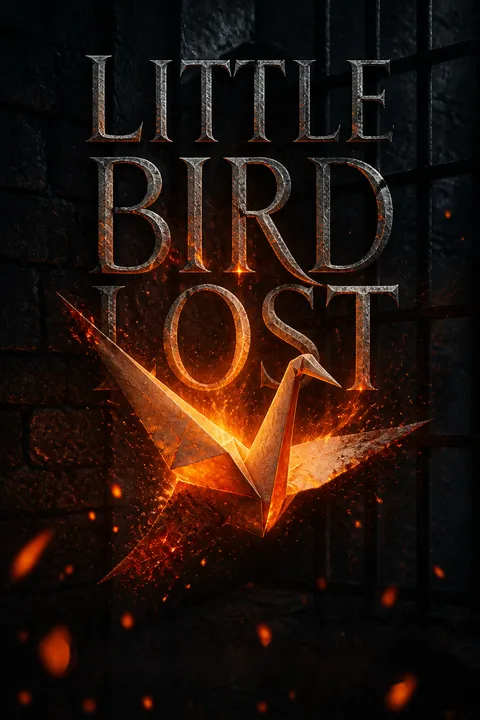
Time in the cell is measured by meals and the appearance of origami birds—small, silent tokens left by an unknown hand. Isobel clings to these as her only connection to humanity, even as hunger gnaws and hope dims. The birds become a symbol of both comfort and mockery, a reminder that someone is watching, someone cares just enough to keep her alive, but not enough to set her free. The monotony is broken only by brief, tense interactions with her captors, who oscillate between cruelty and cold indifference. The cell becomes a world unto itself, and Isobel's sense of self begins to erode.
The Crow and His Flock
Corvin emerges as the dominant force among the captors, his authority unquestioned by the twins. He is both protector and tormentor, his actions dictated by the unseen hand of the Fowler. Ezio is the more playful, outwardly kind twin, while Aquillus is silent, watchful, and deeply scarred. Their dynamic is complex, shaped by shared trauma and the need to survive in a world where love and violence are intertwined. Isobel is drawn into their orbit, her fate inextricably linked to theirs. The lines between captor and captive blur, and the Flock—Corvin, Ezio, and Aquillus—become both her tormentors and her only hope.
The Fowler's Parlor Games
The Fowler, a charismatic and chilling patriarch, draws Isobel into his parlor for tea and conversation. He spins philosophy and fairytales, testing her mind as much as her body. His worldview is one of vice and virtue, suffering and awakening. He claims to be a savior, not a captor, and frames the Aviary as a place of transformation. Isobel is forced to confront the possibility that survival here means embracing the darkness, that freedom is a state of mind, and that the only way out may be through. The parlor becomes a battleground for her soul, and the Fowler's games leave her questioning everything.
Branding by Fire
Isobel's initiation is a brutal, ritualistic branding in the Atrium, witnessed by masked guests and her captors. The pain is excruciating, a test of will and endurance. Corvin is forced to participate, his own trauma surfacing as he inflicts suffering on her. The branding is both a punishment and a transformation, marking Isobel as the Firebird, the Fowler's prized possession. In the aftermath, she is cared for by the Flock, their roles shifting from tormentors to reluctant caretakers. The scars on her back become a symbol of both her captivity and her resilience.
The Rules of Survival
Recovery is slow and agonizing, but Isobel learns the rules of survival in the Aviary. Submission is rewarded with small mercies; resistance brings pain. She adapts, finding ways to assert her will in small, defiant acts—refusing to break, clinging to her name, and seeking connection with the twins. Corvin's cruelty is revealed to be a mask for his own suffering, and Ezio's kindness a lifeline. Aquillus, silent and haunted, becomes a mirror for her own pain. Together, they navigate the shifting power dynamics, each playing the roles the Fowler has written for them.
Hunger, Hope, and Betrayal
Food is both a weapon and a reward, and hunger becomes a constant companion. Isobel's relationship with her captors deepens, shaped by necessity and the slow erosion of boundaries. Corvin's attempts to starve her are revealed as a twisted form of mercy, an effort to spare her from worse fates. The twins' loyalties are tested, and small acts of kindness become acts of rebellion. The Aviary is a world of betrayals, both large and small, and Isobel learns that trust is a dangerous commodity. Hope flickers, but is always at risk of being extinguished.
The Atrium's Cruel Revelry
The Aviary's masked parties are spectacles of cruelty and depravity, where Isobel is paraded, violated, and forced to perform. Corvin, Ezio, and Aquillus are both participants and victims, their own suffering masked by ritual and roleplay. The guests are powerful, untouchable, and the Fowler presides over all, orchestrating the violence with a conductor's precision. Isobel's body is no longer her own, and her mind begins to fracture under the weight of repeated trauma. Yet, in the midst of horror, moments of connection with the Flock offer a glimmer of something like love, or at least understanding.
The Flock's Fractured Bonds
As the seasons turn, the bonds between Isobel and her captors deepen, shaped by shared suffering and the need for comfort. The Flock is a family forged in fire, their love as dangerous as their hate. Forbidden intimacy blooms in the shadows—between Corvin and Aquillus, between Isobel and Ezio, and, in the Atrium, among all four. The lines between victim and perpetrator blur, and Isobel is forced to confront her own complicity, her own desires. The Aviary is both a prison and a home, and the Flock is both her salvation and her doom.
The Firebird's Awakening
A blizzard isolates the Aviary, and the Flock is left to fend for themselves. In the cold, their bonds are tested, and the possibility of escape becomes real. But freedom comes at a cost. Aquillus falls gravely ill, and the Fowler's indifference is revealed to be deadly. When Aquillus dies, the Flock is shattered, and Ezio's grief leads to open rebellion. The Fowler's retribution is swift and brutal, and Isobel and Corvin are left alone, their love and loyalty tested to the breaking point. The Firebird's awakening is both a triumph and a tragedy, as Isobel realizes that survival may mean becoming a monster herself.
The Price of Freedom
With nothing left to lose, Isobel and Corvin set the Aviary ablaze, enacting a long-planned escape. The housekeepers are freed, the guards are neutralized, and the Fowler is confronted in his lair. Isobel becomes both executioner and avenger, killing the Fowler in a final act of defiance. The fire consumes the past, but the cost is high. The Flock is scattered, and Isobel is left alone in the snow, her body and soul marked by all she has endured. Freedom is both a victory and a wound, and the world outside is as cold and indifferent as the Aviary ever was.
Ashes and Aftermath
Isobel is found wandering in the woods, half-dead, and brought to a hospital. Her memories are fragmented, her story unbelievable. Authorities question her sanity, and the possibility that the Flock was a hallucination is raised. Isobel clings to the evidence of her ordeal—a paper bird, a scar, a name—but the world is eager to move on, to explain away the horror. The question of what is real and what is imagined haunts her, and the price of survival becomes clear: she is forever changed, and the world she returns to is not the one she left.
The Return of Isobel
Isobel is reunited with her family, but the years apart have left scars on both sides. Her brother, her parents, her friends—none can fully understand what she has endured, and she cannot return to the girl she was. The Flock is gone, lost to fire and memory, and Isobel is left to grieve both her old life and the strange, terrible love she found in captivity. The world is both too bright and too small, and the question of whether she can ever truly come home lingers.
Home, Memory, and Loss
As Isobel struggles to adapt to freedom, she is haunted by memories of the Aviary and the Flock. The trauma is both a wound and a shield, and the world's attempts to explain away her suffering only deepen her sense of isolation. The question of what is real and what is imagined becomes a torment, and Isobel is forced to confront the possibility that survival means living with loss, with guilt, and with the knowledge that some wounds never heal. The paper bird in her hand is both a comfort and a curse, a reminder of all she has lost and all she has become.
The Flock's Final Flight
Corvin, Ezio, and Aquillus (if he survives) are left to face the consequences of their actions. The world outside is no kinder than the Aviary, and justice is a blunt instrument. Testimony is demanded, bargains are struck, and the truth is both weapon and shield. The Flock is broken, scattered, and the love that once sustained them is now a source of pain. The question of forgiveness—of themselves, of each other, of Isobel—remains unanswered. The end of the Aviary is not the end of suffering, but the beginning of a new kind of struggle.
The End of the Aviary
In the ashes of the Aviary, Isobel and the Flock are left to reckon with what they have done and what has been done to them. The world is eager for closure, for a story that makes sense, but the truth is messier, more painful, and more ambiguous. Survival is both a victory and a defeat, and the question of what it means to be free lingers. The scars—physical and psychological—are permanent, and the possibility of healing is both a hope and a threat. The story ends not with triumph, but with the knowledge that some cages are invisible, and some wounds never close.
By Wings or Ash
Isobel's journey ends as it began: in the snow, alone, marked by suffering and survival. The Firebird is both a symbol of hope and a reminder of all that has been lost. The question of what is real and what is imagined remains unresolved, and the cost of awakening is clear. Freedom is both a gift and a curse, and the world outside is as dangerous as the one she left behind. The story ends with Isobel clutching a paper bird, her heart both broken and whole, and the knowledge that survival is not the end, but the beginning of a new story.
Analysis
Jessie Walker's Little Bird Lost is a harrowing, unflinching exploration of captivity, trauma, and the ambiguous nature of survival. The Aviary is both a literal prison and a metaphor for the world's indifference to suffering, and Isobel's journey is a study in the cost of endurance. The novel interrogates the boundaries between victim and perpetrator, love and violence, freedom and captivity, using the Flock's tangled relationships to blur the lines between complicity and resistance. The Fowler's philosophy—rooted in vice, suffering, and the pursuit of awakening—serves as both a justification for cruelty and a challenge to the reader's own assumptions about morality and survival. The use of fairytale and ritual, masks and performance, deepens the sense of unreality, forcing both Isobel and the reader to question what is real and what is constructed. The novel's refusal to offer easy answers or a simple redemption arc is its greatest strength, insisting that survival is both a victory and a wound, and that the scars of trauma are both a curse and a testament to the possibility of transformation. In the end, Little Bird Lost is a story about the cost of awakening, the ambiguity of freedom, and the enduring power of hope—even, and especially, in the ashes.
Review Summary
Little Bird Lost is widely praised as an emotionally devastating, darkly immersive read that defies traditional romance conventions. Most reviewers award it five stars, highlighting the poetic writing, complex characters, and haunting atmosphere. Readers consistently recommend checking trigger warnings, as the content is extremely dark. Many note the book works best when read blind, without spoilers. Common praise focuses on the compelling female protagonist, rich symbolism drawn from firebird folklore, and the unexpected plot twists. A small number of reviewers DNF'd or rated it lower, citing repetitive writing or pacing issues.
Characters
Isobel (Ember)
Isobel is the heart of the story—a girl stolen from her life and thrust into a world of cruelty, manipulation, and violence. Her journey is one of suffering, adaptation, and transformation. At first, she is desperate to escape, clinging to hope and memories of home, but the Aviary breaks and remakes her. She learns to survive by submitting, by finding small ways to assert her will, and by forging complicated bonds with her captors. Her relationship with Corvin, Ezio, and Aquillus is fraught with pain, desire, and the need for connection. Isobel's psyche is marked by trauma, but also by resilience; she is both victim and agent, both broken and unbreakable. Her development is a study in the cost of survival, the ambiguity of love and hate, and the impossibility of returning to innocence.
Corvin (Luka, the Crow)
Corvin is the eldest of the Flock, both a victim and a perpetrator. Stolen as a child and raised in the Aviary, he is shaped by violence and the need to protect the twins. His cruelty toward Isobel is both a mask and a survival strategy, a way to shield himself and his brothers from the Fowler's wrath. Corvin's relationship with Aquillus is deeply intimate, forged in shared trauma, while his connection to Isobel is fraught with guilt, desire, and the hope for redemption. He is both the Crow—ruthless, cunning, and dangerous—and Luka, the boy who once dreamed of freedom. His development is a study in the cost of loyalty, the burden of guilt, and the possibility of love in a world built on suffering.
Ezio (the Eagle)
Ezio is the more outwardly kind and playful of the twins, using humor and charm to mask his own pain. He is fiercely loyal to his brother Aquillus and to Corvin, and his relationship with Isobel is a lifeline in a world of cruelty. Ezio's innocence is both a shield and a vulnerability, and his exclusion from the worst of the Aviary's violence is both a blessing and a source of isolation. His development is marked by the loss of his brother, the shattering of the Flock, and the need to find his own strength. Ezio is both a victim and a survivor, and his yearning for love and connection is both his greatest strength and his deepest wound.
Aquillus (the Silent Eagle)
Aquillus is the silent, watchful twin, marked by trauma and the loss of his voice. He is both a victim and a protector, enduring suffering to shield his brother and the Flock. His relationship with Corvin is deeply intimate, and his bond with Isobel is one of shared pain and understanding. Aquillus's silence is both a wound and a weapon, and his actions are often the catalyst for change. His development is a study in the cost of sacrifice, the power of love, and the possibility of healing in the aftermath of horror.
The Fowler (Viktor)
The Fowler is the architect of the Aviary, a man whose charm and intelligence mask a deep well of cruelty and control. He frames his actions as acts of salvation, claiming to rescue his Flock from worse fates, but his true motivation is the exercise of power and the pursuit of understanding through suffering. The Fowler's relationship with the Flock is both paternal and predatory, and his manipulation of Isobel is both psychological and physical. He is both a savior and a destroyer, and his development is a study in the ambiguity of evil, the seduction of power, and the cost of playing god.
Lycus (the Wolf)
Lycus is the Fowler's right hand, a man whose violence and depravity are barely contained. He is both a participant in and a symbol of the Aviary's worst excesses, and his relationship with the Flock is one of dominance and exploitation. Lycus's abuse of Aquillus is both a punishment and a perverse form of love, and his presence is a constant reminder of the danger that lurks in the Aviary. He is both a tool and a threat, and his development is a study in the banality of evil and the cost of complicity.
Griselda
Griselda is the head housekeeper, a woman who has survived the Aviary by keeping her head down and protecting the girls under her care. She is both a bystander and a quiet rebel, aiding Isobel and the Flock in small, crucial ways. Her loyalty is to survival, and her actions are shaped by the need to protect herself and those she can. Griselda's development is a study in the cost of survival, the limits of complicity, and the possibility of small acts of resistance.
Isobel's Family (Jeremy, parents, Mason, Waylon)
Isobel's family—her twin brother Jeremy, her parents, and her friends Mason and Waylon—are both a source of hope and a reminder of all she has lost. Their absence haunts her, shaping her longing for escape and her struggle to survive. The possibility of reunion is both a dream and a torment, and their presence in her memories is both a comfort and a wound. Their development is seen through Isobel's eyes, as both the life she left behind and the life she can never fully return to.
The House Girls
The house girls are a constant presence in the Aviary, both invisible and essential. They are both victims and survivors, their fates intertwined with Isobel's and the Flock's. Their silence is both a survival strategy and a form of complicity, and their small acts of kindness are both a comfort and a reminder of the cost of survival. Their development is seen in glimpses, as both a chorus of suffering and a testament to endurance.
The Masked Guests
The masked guests at the Aviary's parties are both participants in and symbols of the world's indifference to suffering. They are powerful, untouchable, and complicit in the violence that unfolds. Their presence is both a threat and a reminder that the Aviary is not an isolated evil, but a reflection of a world that rewards cruelty and punishes weakness. Their development is seen in the shifting power dynamics of the parties, as both enforcers and enablers of the Fowler's will.
Plot Devices
The Aviary as Living Prison
The Aviary is more than a setting—it is a character in its own right, a living, breathing prison that shapes the lives and minds of all who inhabit it. Its labyrinthine halls, hidden rooms, and shifting seasons mirror the psychological torment of its captives. The Aviary is both a place of suffering and a crucible for transformation, a stage for the Fowler's games and a symbol of the world's indifference. Its rules are both arbitrary and absolute, and its power is both physical and psychological.
Branding and Ritual
The branding ceremony is both a punishment and a rite of passage, marking Isobel as the Firebird and binding her to the Aviary. Pain is both a tool of control and a catalyst for awakening, and the rituals of the Aviary are both acts of violence and acts of creation. The branding is a symbol of both suffering and survival, and its scars are both a wound and a badge of honor. Ritual is used to blur the lines between victim and perpetrator, and to bind the Flock together in shared trauma.
Masks and Performance
Masks are both literal and metaphorical in the Aviary, used to conceal identity, to perform roles, and to survive. The parties in the Atrium are spectacles of performance, where violence and desire are both real and staged. The Flock is both a family and a troupe, their roles shifting with the needs of the moment. Performance is both a shield and a weapon, and the question of what is real and what is acted becomes a torment. The masks are both a protection and a prison, and the possibility of removing them is both a hope and a threat.
Fairytale and Philosophy
The Fowler's use of fairytales and philosophy is both a tool of manipulation and a way of making sense of suffering. The story of the Firebird is both a warning and a prophecy, a mirror for Isobel's journey and a map for survival. Philosophy is used to justify cruelty, to blur the lines between vice and virtue, and to frame suffering as a path to awakening. Stories are both a comfort and a curse, and the question of who gets to tell them is both a source of power and a site of struggle.
Unreliable Memory and Ambiguity
Isobel's memories are fragmented, her story both unbelievable and undeniable. The possibility that the Flock is a hallucination is raised, and the question of what is real and what is imagined becomes central. Trauma is both a wound and a shield, and the world's attempts to explain away suffering only deepen the ambiguity. The story is structured to reflect this uncertainty, with time blurring, memories shifting, and the possibility of healing both a hope and a threat. The ending is both a resolution and an opening, leaving the meaning of survival unresolved.
Lost Boys Series


Download PDF
Download EPUB
.epub digital book format is ideal for reading ebooks on phones, tablets, and e-readers.








































