Plot Summary
Autumn Memories and Entanglement
Lily, now in her forties, is pulled back into the past by the autumn light and the ache of lost love. She recalls her youth, her first love with the boy, and the sense that their connection might be as mysterious and enduring as quantum entanglement—two particles, or souls, forever influencing each other across time and distance. Her present life with her husband Marshall is peaceful but shadowed by longing and regret. The narrative sets the tone: memory is not linear, and the past is never truly past. Lily's yearning for forgiveness and meaning is palpable, as is her sense that something in her life is about to change.
Saints, Science, and Sisters
Lily and her younger sister Jane grow up in a household where Catholicism and scientific inquiry coexist. Their mother, Carol, is a feminist and a Vatican II Catholic, while their father, Martin, is a science teacher at a Benedictine boarding school. The sisters are taught to question, to care for the poor, and to embrace both faith and logic. Their mother's lessons are vivid and unconventional, blending stories of saints, female mystics, and scientific wonders like dark matter. The sisters' bond is deep, but their personalities diverge: Lily is devout and dreamy, Jane is irreverent and brilliant. Their mother's early death from cancer leaves a wound that shapes both girls' futures.
Loss, Love, and First Touch
After their mother's death, Lily is hollowed by grief, while Jane turns to math and, later, substances for solace. Lily's emotional numbness is interrupted when she meets the boy, a star athlete with his own wounds—his mother abandoned him as a child. Their relationship is tender, physical, and full of hope, each finding in the other a balm for loss. The boy's working-class background and dreams of football stardom contrast with Lily's intellectual upbringing. Their love is innocent yet intense, and their families' histories and expectations swirl around them, setting the stage for both joy and tragedy.
Coming of Age in Portsmouth
Lily and the boy navigate high school, family pressures, and the social dynamics of a small Rhode Island town. The boy's football prowess brings college scouts and community pride, but also the weight of expectation. Lily's feminist ideals and Jane's rebelliousness clash with the town's conservatism. The sisters' father struggles to raise them alone, and the girls' friendships and romances are shaped by class, gender, and the changing tides of the 1970s. The narrative captures the sweetness and awkwardness of first love, the thrill of rebellion, and the looming sense that innocence cannot last.
Football, Feminism, and Family
The boy's football career peaks with state championships and scholarship offers, while Lily and Jane become increasingly aware of the world's injustices—racism, sexism, and the limits placed on women. School debates over race and religion, the fallout from the women's movement, and the sisters' own experiences with bullying and sexual politics all converge. The family's Catholic faith is both a comfort and a source of tension, as Lily grapples with the contradictions between doctrine and lived experience. The sisters' bond is tested but endures, even as Jane's behavior grows more erratic.
The Night That Changed Everything
At a post-graduation beach party, Lily is sexually assaulted while blackout drunk, and the boy, believing she was raped by David, violently attacks him, causing permanent injury. The incident shatters their lives: the boy is tried and imprisoned, his football dreams destroyed; Lily is wracked with guilt and confusion, unable to remember what happened. The town is divided, rumors swirl, and the legal system fails to deliver justice or healing. The trauma marks the end of innocence for all involved, and the repercussions echo for decades.
Aftermath, Guilt, and Growing Up
Lily and the boy are torn apart by the trial and its aftermath. Lily goes to college, trying to move on but haunted by guilt and longing. The boy, in prison, cuts off contact, believing he must let Lily go for her own good. Jane spirals into addiction, her brilliance undermined by pain. The sisters' father does his best to support them, but the family is fractured. Each character seeks solace in different ways—science, faith, activism, or escape—but the wounds of the past remain unhealed.
New Beginnings, Old Wounds
Lily finds purpose in science and birdwatching, eventually marrying Marshall, a gentle, wealthy ornithologist. Their life together is intellectually rich but emotionally complicated, shadowed by Lily's unresolved feelings for the boy and her inability to have children. Jane's struggles with addiction continue, punctuated by moments of brilliance and connection. The sisters' relationship is both a lifeline and a source of pain. The narrative explores the complexities of marriage, class, and the compromises required to build a life after trauma.
Sisters Apart, Sisters Together
Jane's addiction worsens, leading her to dangerous places and relationships. Lily tries to save her, but their paths diverge: Lily seeks stability and meaning in her marriage and research, while Jane resists conformity, embracing a life of risk and rebellion. Their bond is tested by distance, secrets, and the inability to save each other from their own demons. The sisters' story is one of love, frustration, and the enduring hope that connection can survive even the darkest times.
Marriage, Class, and Compromise
Lily's marriage to Marshall brings her into a world of wealth and social expectation, embodied by her formidable mother-in-law. The contrast between Lily's working-class, Catholic roots and Marshall's WASP heritage is stark, and Lily must learn to navigate new codes of behavior and belonging. The couple's infertility is a private sorrow, and Lily's longing for motherhood is juxtaposed with her intellectual ambitions. The narrative examines the ways class, gender, and family shape identity and the search for fulfillment.
Infertility and Unfulfilled Dreams
Lily and Marshall's attempts to have children end in disappointment, forcing Lily to reimagine her future. She pours herself into research and teaching, finding meaning in intellectual pursuits and the beauty of nature. Letters from the boy, now a sailor in distant seas, stir old feelings and regrets. The past is never far away, and Lily's sense of loss—of love, of motherhood, of possibility—remains acute. The chapter explores the tension between acceptance and longing, and the ways we make peace with unfulfilled dreams.
Reunion, Regret, and Return
Lily returns to Portsmouth for her high school reunion, hoping for closure but finding instead a rekindling of her connection with the boy. Their brief, passionate reunion is fraught with guilt and longing, and Lily must choose between her marriage and her first love. The encounter forces both to confront the ways their lives have been shaped by trauma, choice, and circumstance. The past and present collide, and the possibility of forgiveness—of self and others—emerges as a central question.
Letters Across Oceans
The boy writes to Lily from across the world, sharing stories of adventure, loss, and survival. Their correspondence is both a lifeline and a source of pain, as Lily grapples with her loyalty to Marshall and her enduring love for the boy. The letters are filled with longing, regret, and the hope that connection can transcend time and distance. The narrative explores the ways we carry our first loves with us, and the impossibility of fully letting go.
Guilt, Forgiveness, and Faith
Lily turns to Catholic rituals, family stories, and philosophical inquiry in her search for forgiveness. Encounters with old friends and adversaries—David, now disabled and befriended by the boy; Father Thomas, the monk haunted by his role in the atomic bomb—underscore the complexity of guilt and redemption. The sisters' conversations about faith, science, and morality reveal the limits of logic and the necessity of compassion. The chapter asks: What does it mean to forgive, and to be forgiven?
Addiction, Relapse, and Farewell
Jane's battle with addiction ends in tragedy, despite periods of sobriety and hope. Her death devastates Lily, who is left to mourn not only her sister but the loss of their shared past and the possibility of healing. The narrative captures the pain of watching a loved one self-destruct, the helplessness of survivors, and the ways grief can both isolate and connect us. Jane's wit, brilliance, and irreverence are remembered with love and sorrow.
Full Circle: Light and Loss
Marshall's decline into Alzheimer's and eventual death marks the end of an era for Lily. She returns to Portsmouth, caring for her husband and mourning her sister. Encounters with the boy, now home for good, and with David, reveal the ways time can heal and transform even the deepest wounds. The narrative returns to themes of light, memory, and the interconnectedness of all things—faith, science, love, and loss.
Endings, Endurance, and New Light
In the aftermath of so much loss, Lily finds herself at a crossroads. The boy's return offers the chance for a new chapter, but also the challenge of reconciling past and present. The story ends with a sense of hard-won wisdom: that love and logic, faith and science, darkness and light are not opposites but partners in the human experience. Lily's journey is one of endurance, forgiveness, and the enduring hope that, even after everything, new light is possible.
Analysis
A modern meditation on love, loss, and the limits of logicLaws of Love and Logic is a sweeping, deeply felt exploration of how we make sense of suffering, connection, and the passage of time. Through the intertwined lives of Lily, Jane, the boy, and their families, the novel interrogates the boundaries between faith and reason, science and spirituality, and the ways we seek meaning in the face of tragedy. The narrative's nonlinear structure and scientific metaphors invite readers to question the nature of memory, causality, and forgiveness. At its heart, the book is about endurance: the capacity to survive loss, to forgive oneself and others, and to find light even in the darkest moments. It challenges the notion that life can be fully understood or controlled, suggesting instead that love—messy, illogical, persistent—is both our greatest vulnerability and our only salvation. The lessons are clear: we are all entangled, all culpable, and all deserving of compassion. In the end, the novel offers a hard-won hope: that even after everything, new beginnings are possible, and that the laws of love may be the only ones that truly matter.
Characters
Lily Webb
Lily is the novel's protagonist, a woman shaped by early loss, intellectual curiosity, and a longing for connection. Raised in a household that prized both Catholic faith and scientific inquiry, she is both dreamy and analytical, devout and skeptical. Her mother's death leaves a wound that never fully heals, leading her to seek solace in first love, then in marriage, and always in the pursuit of understanding. Lily's relationships—with her sister Jane, the boy, and her husband Marshall—are marked by tenderness, guilt, and the struggle to reconcile love and logic. Her journey is one of self-forgiveness, acceptance, and the recognition that life's contradictions are its deepest truths.
Jane Webb
Jane is Lily's younger sister, a mathematical prodigy whose irreverence and wit mask deep pain. She is fiercely independent, skeptical of authority, and resistant to conformity. Jane's brilliance is matched by her vulnerability; addiction becomes both her escape and her undoing. Her relationship with Lily is complex—by turns supportive, competitive, and fraught with misunderstanding. Jane's struggles with substance abuse, sexuality, and the search for meaning reflect the novel's themes of freedom, suffering, and the limits of rescue. Her death is a devastating loss, but her spirit endures in Lily's memory.
The Boy (Cooper)
The boy, Lily's first love, is a gifted athlete from a working-class background, marked by abandonment and the pressure to succeed. His relationship with Lily is passionate and redemptive, but also doomed by circumstance and tragedy. The night he attacks David, believing Lily has been raped, destroys his future and sets him adrift. Years spent at sea, letters from distant lands, and eventual return home reveal a man shaped by loss, guilt, and the hope for forgiveness. His enduring love for Lily is both a source of pain and the possibility of new beginnings.
Marshall Middleton
Marshall is Lily's husband, an ornithologist whose kindness, intellect, and stability offer Lily a refuge from her turbulent past. His wealth and social status introduce Lily to a new world, but also highlight the differences in their backgrounds. Marshall's inability to have children is a shared sorrow, and his decline into Alzheimer's is a slow, painful loss for both. His love for Lily is unwavering, and his generosity extends to her family. Marshall embodies the novel's themes of logic, endurance, and the quiet heroism of everyday life.
Carol Webb
Carol is Lily and Jane's mother, a forceful presence whose blend of Catholic faith and feminist ideals shapes her daughters' worldviews. Her lessons—about compassion, justice, and the importance of questioning—echo throughout the novel. Her early death is the central trauma of the sisters' lives, and her absence is felt in every major decision they make. Carol's influence endures in Lily's search for meaning and Jane's resistance to conformity.
Martin Webb
Martin is the girls' father, a science teacher and coach who does his best to raise his daughters after Carol's death. His love is steady but sometimes distant, shaped by his own grief and the challenges of single parenthood. He supports Lily and Jane through their struggles, offering wisdom and comfort when he can. His death marks the end of the family's original constellation, but his legacy lives on in his daughters' resilience.
David McCarren
David is the classmate whose assault by the boy leads to the central tragedy of the novel. Initially portrayed as arrogant and predatory, David's own struggles—with sexuality, family expectation, and eventual disability—complicate the narrative. His later friendship with the boy, and the revelation that he did not rape Lily, add layers of irony and sorrow. David's fate is a reminder of the randomness of suffering and the possibility of redemption.
Father Thomas
Father Thomas is a Benedictine monk and former physicist who mentors Jane and Lily in science and faith. His own guilt over his role in the Manhattan Project parallels the novel's themes of moral ambiguity and the search for absolution. He offers wisdom, comfort, and a model of humility, reminding the sisters—and the reader—that forgiveness is both necessary and elusive.
Head, Jimmy Sullivan, Tim Jones
These secondary characters represent the bonds of youth and the ways trauma ripples through a community. Head is the comic relief and steadfast friend; Jimmy struggles with addiction and loss; Tim, a Black student and closeted gay man, carries his own burdens of secrecy and survival. Their stories intersect with Lily's and the boy's, offering perspectives on loyalty, guilt, and the possibility of change.
Mrs. Middleton
Marshall's mother is a symbol of the world Lily marries into—wealthy, conservative, and steeped in social codes. Her interactions with Lily and Jane highlight issues of class, belonging, and the limits of acceptance. Though often cold and judgmental, she is also capable of unexpected warmth and insight.
Plot Devices
Nonlinear Narrative and Memory
The novel's structure mirrors the workings of memory: past and present intermingle, and key events are revealed gradually through flashbacks, letters, and conversations. This nonlinear approach allows the reader to experience the emotional weight of the characters' histories and the ways the past shapes the present. The use of scientific metaphors—quantum entanglement, nonlocality, the double-slit experiment—reinforces the idea that time is not linear and that connections persist across distance and years.
Letters and Missed Connections
Letters between Lily and the boy, as well as between other characters, serve as both plot devices and emotional touchstones. They allow for the expression of longing, regret, and hope, and often arrive at pivotal moments, prompting reflection or action. The motif of missed connections—unanswered letters, failed visits, lost opportunities—underscores the novel's themes of fate, choice, and the persistence of love.
Parallelism and Doubling
The novel frequently draws parallels between characters and situations: Lily and Jane's divergent responses to loss; the boy's and Lily's experiences of abandonment; the recurrence of addiction, guilt, and forgiveness across generations. These doublings reinforce the idea that individual stories are part of larger patterns, and that understanding comes from seeing connections rather than differences.
Symbolism of Light, Birds, and Science
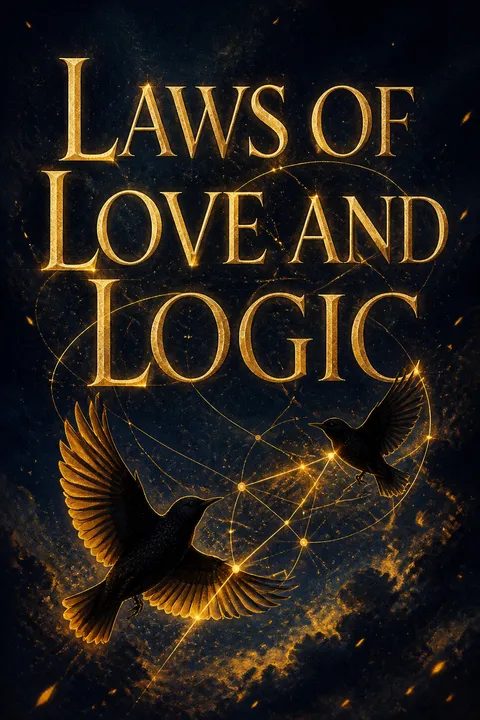
Light—sunsets, starlight, the play of shadows—serves as a symbol of hope, knowledge, and the possibility of transcendence. Birds and birdwatching represent freedom, migration, and the search for home. Scientific concepts (entanglement, nonlocality, the life cycle of stars) are woven throughout, offering both literal and metaphorical frameworks for understanding love, loss, and the mysteries of existence.
Foreshadowing and Irony
The narrative is rich with foreshadowing—early references to loss, prophecy, and the limits of knowledge anticipate later tragedies and revelations. Irony abounds: the boy's act of violence, meant to protect Lily, destroys both their lives; the revelation that David did not rape Lily comes too late to undo the damage. These devices heighten the emotional impact and underscore the novel's themes of uncertainty and the limits of control.
Download PDF
Download EPUB
.epub digital book format is ideal for reading ebooks on phones, tablets, and e-readers.








































