


Plot Summary
Prologue
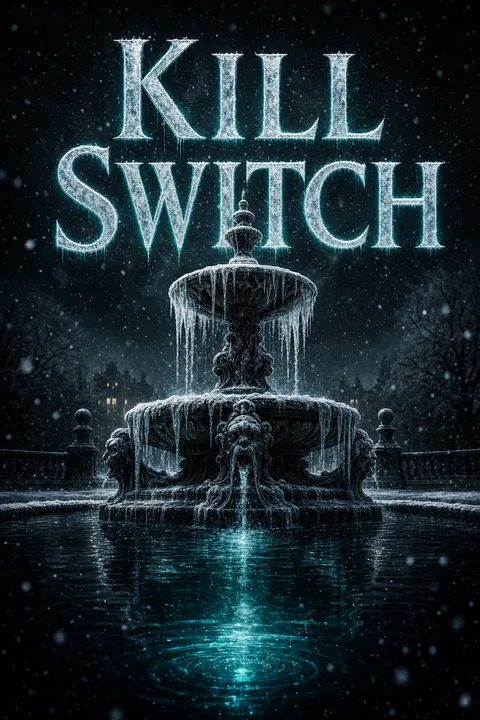
Eight-year-old Winter Ashby1 wanders the Torrance mansion during a ballet party and overhears Gabriel Torrance4 viciously berating his silent, cowering son, Damon.2 Escaping into the garden maze, she discovers that same boy hunched inside a fountain, bleeding and hiding. Rather than betray him to his searching mother, she climbs in beside him. It is the last untroubled afternoon of her sighted life.
Later, in Damon's2 treehouse, a shy first kiss is shattered when her father11 storms up, enraged after catching her mother10 with Gabriel.4 In the struggle Winter1 tumbles over the railing. Damon's2 small hand catches hers, then slips. The fall takes her sight forever, and the fountain becomes the beautiful, terrible origin of everything between them.
The prologue fuses tenderness and catastrophe, establishing the book's central paradox: the person who wounds Winter most is also her first sanctuary. Douglas uses the fountain as a threshold symbol, a womb-like refuge where two damaged children recognize each other before the adult world corrupts the memory. The blindness is not merely tragedy but a narrative engine, reframing sight as a metaphor for how truly Winter perceives Damon. Gabriel's abuse of Damon and Margot's affair braid parental sin into the children's fate. The scene weaponizes nostalgia, teaching readers that in this universe intimacy and injury are inseparable, and that trauma is inherited long before it is chosen.
A Wedding Built on Ruin
Years later, Damon Torrance2 orchestrates the destruction of the Ashby family, exposing mayor Griffin Ashby's11 embezzlement so completely that Griffin11 flees the country and the feds seize everything the family owns. Their home now belongs to Gabriel Torrance.4
Into this wreckage Damon2 marries Winter's1 shallow older sister, Arion,3 promising a settlement in exchange for a year of marriage. In the limousine after the ceremony he coldly informs Arion3 there will be no divorce, ever, that she is merely presentable breeding stock.
Winter,1 now twenty-one and blind, understands the truth Arion3 refuses to see: the marriage is torture, not rescue. Damon2 grabs Winter1 as everyone exits, whispering that she should save her strength. Gabriel4 later confirms it plainly. Arion3 is the face; Winter1 is the prize.
The revenge marriage inverts the fairy-tale rescue: the man who created the family's ruin arrives as its only cure, manufacturing dependence as a form of ownership. Douglas dramatizes economic coercion as intimate violence, showing how wealth converts people into game pieces. Arion's willful blindness contrasts with Winter's literal blindness, suggesting that sight is moral rather than optical. Damon's chilling contract-speech reveals a man who has weaponized honesty itself; his refusal to lie becomes another instrument of control. The section establishes the central tension: Winter possesses nothing left to lose, which paradoxically makes her the only person Damon has never been able to frighten into obedience, and therefore the only one worth conquering.
The Road Out Closes
Refusing to spend a single night under Damon's2 roof, Winter1 has her best friend Ethan Belmont12 drive her toward Montreal, her escape duffel packed with cash she has hoarded for years. On the empty country road, police stop the car, and officers on Gabriel's4 payroll produce bags of cocaine from Ethan's12 trunk, threatening him with distribution charges.
When Winter1 demands they release him, they hand her a phone. It is Gabriel,4 not Damon,2 coolly informing her that Ethan12 will be freed only if she returns home and behaves. He tells her not to be so predictable next time, that her defiance is exactly why Damon2 wants her. Cornered, Winter1 goes back, realizing the Torrances control every road, every officer, and every person she might use to run.
This section maps the architecture of the cage. Gabriel, not Damon, springs the trap, subtly foreshadowing the true apex predator of the story and complicating the villain hierarchy. The scene demonstrates that Winter's autonomy is not limited by her blindness but by systemic corruption, patriarchal wealth that owns the machinery of law itself. Ethan's endangerment establishes the recurring lever the Torrances pull: harm those Winter loves to control Winter. Her decision to surrender is not weakness but strategic love, the first hint that she measures cost differently than her captors expect. The chapter transforms a small-town road into a surveillance state, privatizing justice and rendering escape a fantasy she must abandon and redesign.
The Boy Who Made Others Bleed
The narrative reaches back seven years to reveal how Damon2 became a monster. He secretly houses Banks,5 his father's illegitimate daughter, whom he bought from her addict mother at twelve, keeping her in his room, bound and disguised.
Damon2 discovers his sexual appetites are cerebral: he coerces a young teacher, then recoils, haunted by his mother Natalya's16 abuse. When memory overwhelms him, he phones Banks5 and forces her to say cruel things until his rage flares and burns the worse pain away, a psychological kill switch.
Into this world blind fourteen-year-old Winter1 arrives at Thunder Bay Prep, guided by classmate Erika Fane.6 Pushed into the boys' locker room as a prank, she recognizes Damon2 by the wooden rosary against his chest, and he decides, delighted, to make her his new fixation.
Douglas builds a clinical portrait of trauma reproduction. Damon's abuse by his mother rewires desire into a need for mindfucks over physical sex, and his ownership of Banks recreates the very possessive control he suffered under Gabriel. The kill switch mechanism, pain masking pain, becomes the book's governing metaphor for dissociation: he manufactures crises to survive worse ones. Introducing Winter mid-flashback reframes the present-day sadist as a boy starved for something uncorrupted. Her blindness makes her the one person who cannot see the reputation that precedes him, offering a blank slate. The recognition-by-rosary scene seeds the identity motif that will later devastate her, tying childhood tenderness to adolescent menace.
The Ghost in Her House
Five years before the present, sixteen-year-old Winter1 is stalked in her own home by a whispering intruder who terrifies her yet never harms her. He confesses he is sick, that fear is the only thing he can still feel strongly.
When her parents return mid-invasion and their marriage erupts into a brutal, degrading fight, the stranger covers Winter's1 ears, hides them both in the closet, and holds her against his heartbeat until she falls asleep, then tucks her into bed.
She wakes to find he has retrieved the Christmas snow village she wanted, something only someone at Arion's3 party could have known. Winter,1 starved for danger and secrets, chooses not to tell her parents. She wants the faceless boy to come back, unaware her ghost is Damon Torrance.2
The chapter stages the seduction of ambivalence. The intruder embodies both threat and refuge, and Winter's refusal to report him marks her complicity in her own endangerment, a psychology of the neglected child who prefers frightening attention to none at all. Douglas juxtaposes her parents' sanctioned marital violence with the intruder's illicit tenderness, arguing that the labeled monster behaves more protectively than the respectable adults. The snow village functions as evidence of care disguised as menace. Crucially, dramatic irony governs everything: readers know the ghost's identity while Winter does not, converting every gentle gesture into a slow-arming bomb, since the eventual revelation will retroactively poison the sweetest moments of her adolescence.
Driving Blind Through Black
On Devil's Night the ghost returns and offers Winter1 something impossible: he sits her in his lap behind the wheel and lets her drive his car down empty roads, coaching her with patience she has never received, letting her learn at her own speed. Then a motorcycle ride at terrifying speed, wind and falling and release.
He names it for her as a color, black: fear, danger, risk, freedom. Later they sabotage her cruel dance-theater boss's office with air-horn pranks, giddy conspirators. He whispers he will show her red someday. For the first time since losing her sight, Winter1 feels she can see, and she falls hopelessly for a boy whose face she will never know, guarding him as her one delicious secret.
Speed becomes Winter's restored sight. Douglas reframes disability not as limitation but as a different sensorium, and Damon, tellingly, is the only person who refuses to coddle her, granting agency through danger. The synesthetic language of colors gives their bond a private code, a lovers' vocabulary built from sensation rather than vision. His patience while teaching her to drive reveals the tenderness his adult self will spend the novel denying. The chapter romanticizes risk as liberation, yet the reader's knowledge of his identity keeps dread humming beneath the exhilaration. This is grooming rendered as rescue, a morally vertiginous seduction the book neither fully condemns nor absolves, insisting instead on its emotional reality.
The Shower and the Video
After more secret nights, Winter1 and the ghost finally make love in her shower, her first time. He records the encounter on the group phone his friends use for pranks, wanting to keep her forever, promising to bring her to a Maine cabin and confess everything. But that same Devil's Night, Rika,6 retaliating against Damon2 and Trevor Crist for a roadside assault, has mistakenly grabbed Will's7 hoodie containing that phone.
Enraged, she uploads the intimate footage, along with a video of Kai9 and Will7 beating a corrupt cop. The town explodes. Winter's father11 and the dean burst in as Damon2 is arrested, and only then does Winter1 learn her beloved ghost is Damon Torrance.2 Devastated and humiliated, she screams for him to die and leave her alone.
The catastrophe hinges on a stolen sweatshirt, a masterstroke of causal irony where private tenderness is annihilated by a bystander's revenge. Douglas indicts the digital panopticon: intimacy becomes evidence, and public opinion, not truth, renders the verdict. The revelation weaponizes the identity motif established in the prologue, collapsing Winter's dream lover and her childhood assailant into one body. Her cry that he should die is grief disguised as hatred, the wound of a betrayed adolescent who mistook lie for love. The scene also exposes the double standard around consent and reputation, as the town reframes a genuine bond into a scandal, punishing the victim's willingness while mythologizing the golden boy's crime.
A Drugged Goodbye
Out on bail before sentencing, Damon2 slips back into Winter's1 house on the night everything has collapsed. She confronts him, listening to the viral audio of their most private moments, wishing him unimaginable suffering. Weakened by grief and rage, she suddenly cannot stand, realizing he has drugged the water her mother10 left her.
As she slides toward unconsciousness in his arms, Damon2 whispers that he only wanted to hold her one last time and that he is sorry. She vows to send him to prison. His final words, sharp even as she fades, are that she had better hope he never gets out. He is convicted of statutory rape and spends three years in solitary confinement while his friends serve lighter terms.
The drugged embrace crystallizes Damon's tragedy: even his love arrives as violation, tenderness he can only access by removing the other person's will. Douglas refuses redemption here, letting the apology coexist with the assault. The threat that closes the scene, spoken as prophecy, becomes the hinge between backstory and present-day vengeance, retroactively explaining the man who married Arion. Winter's promise to imprison him is both justice and self-protection, yet the reader senses the cost: three years of solitary will hollow him further. The section interrogates whether accountability heals or merely deepens damage, planting the moral question that the present-day romance must somehow answer without excusing the crime that seeded it.
Beg for the Dog
Back in the present, Damon2 escalates his torment: he commands Winter's1 golden retriever Mikhail18 in Russian, then forces Winter1 to her knees to beg for her own dog.18
To Erika Fane,6 now secretly his ally, he reveals why he burns for revenge, that Winter's1 silent courtroom testimony sent him into three years of solitary confinement, twenty-three hours a day, where he beat his head against walls and welcomed the guards his father4 paid to hurt him because bodily pain quieted the pain in his mind.
Rika,6 it emerges, gave Damon2 the documents to destroy Winter's father,11 in exchange for proof that Gabriel4 and Evans Crist murdered her own father. Damon2 confesses his true plan: make Winter1 want him, then make her hate herself for it, to finally kill his obsession.
The begging scene is degradation as intimacy, Damon reenacting his own subjugation by transferring it onto the woman who embodies both his salvation and his ruin. His solitary-confinement monologue reframes sadism as a survival grammar learned in a concrete box, generating empathy without exoneration. The Rika alliance widens the chessboard, revealing that Winter is a pawn in overlapping conspiracies she never authorized, deepening her powerlessness. Most chilling is Damon's stated goal: he seeks not conquest but exorcism, to reduce Winter to ordinariness so her hold on him dissolves. Douglas exposes the logic of obsessive attachment, where love and annihilation share a border, and where being wanted becomes indistinguishable from being consumed.
He Rebuilds the Fountain
Winter's1 resistance frays. At Coldfield, an adults-only haunted attraction, a masked figure carries her into a hidden room and takes her against a mattress; only afterward does she realize it was Damon,2 and that she wanted it.
Publicly she retaliates, dedicating a scorching, mocking dance to him at Michael8 and Rika's6 engagement party. Then Damon2 tears out the gaudy Ashby fountain and spends two sleepless days building something in its place.
Alone one morning, terrified by noises in the empty house, Winter1 flees, then returns to discover he has replaced the fountain with a towering maze of water, nooks and waterfalls to hide inside, an exact echo of the fountain and treehouse where they first hid as children. Weeping, she dances through it, and forgives what she swore she never would.
The water maze is the novel's emotional fulcrum, a grand romantic gesture encoded in private symbolism only Winter can read by touch. Douglas argues that reconciliation in this relationship cannot be spoken; it must be built, sculpted from the architecture of their shared refuge. The haunted-house encounter blurs consent and desire in the book's most morally fraught register, insisting Winter owns her wanting even when she loathes its object. Her mocking dance is armor, performance as defiance, while the maze dissolves that armor. The chapter dramatizes how trauma-bonded love communicates: not through apology but through recreation of the one safe place, transforming an instrument of childhood escape into an adult vow.
The Truth Against the Wall
When Winter1 presses knives to Damon's2 throat and ribs, demanding to know what she ever did to make him hate her, he finally speaks the unspeakable. He tells of the puppy his father4 hanged in the woods and left for him to find, teaching him that love invites punishment. He confesses the years his mother Natalya16 climbed into his bed, and that he eventually beat her bloody and drove her away for good.
And he reveals what her eight-year-old kindness in the fountain meant: she taught him to survive, and when she reappeared he craved one beautiful, uncorrupted thing. Nothing between them, he insists, was ever a lie except his name. Winter,1 undone, runs to the window gasping for air, wondering why he never told her years ago.
This is the confession that reframes the entire novel. Douglas withholds Damon's interiority until Winter arms herself, dramatizing how the abused disclose only under threat, safer offering their history at knifepoint than in vulnerability. The hanged dog and the maternal abuse form the etiology of his cruelty, revealing sadism as trauma rerouted outward. His insistence that only his name was a lie recasts the shower betrayal as tragic miscommunication rather than pure malice. Winter's gasping flight signals not resolution but overwhelm, the vertigo of learning your tormentor was also a tortured child. The scene refuses easy catharsis, positioning forgiveness as a wound reopening rather than closing, honest about the cost of understanding a monster.
The Cove and the Midnight Maze
On Devil's Night, Winter1 arrives at the Throwback celebration at the abandoned Cove amusement park ready, for the first time, to choose Damon2 without a fight. Amid smoke and music he leads her into the Midnight Maze, where they play a blind game of Marco Polo that dissolves into desperate sex against the plastic walls. She tells him she loves him and demands he say it back; he only teases, someday.
But the next morning Ethan12 calls, furious: photos of Winter1 kissing the man she once sent to prison for rape2 have gone viral. Ethan12 brands her a liar and a fool, insisting no one will believe Damon2 deceived her twice. Winter's1 fragile happiness curdles into doubt, and the old wound, his refusal to say the words, reopens.
Consent, finally freely given, is immediately punished by the same digital court that destroyed her at sixteen, closing a cruel loop. Douglas underscores how public spectacle overwrites private truth: the town cannot read the years of context, only the scandalous frame. The Midnight Maze reprises the couple's hiding-place motif in adult form, sanctuary rebuilt through play. Winter's demand for the words and Damon's evasion expose the asymmetry of their courage; she risks declaration while he, terrified of loss, hoards vulnerability. Ethan functions as the voice of external judgment, weaponizing shame. The chapter argues that reclaiming desire in public is its own act of defiance, even when the crowd insists on misreading it.
Stabbed and Taken
Miles Anderson,14 Gabriel's4 henchman and the man who once attacked both Winter1 and Rika,6 stabs Damon2 in the side as Gabriel's4 men drag him from the house; Gabriel,4 furious that Arion3 is not pregnant and that Damon2 will not obey, intends to lock his son2 away at Blackchurch for weeks. Damon2 bleeds nearly out at his father's4 mansion, too proud to ask for help.
But Winter1 refuses to abandon him. Guided by Banks's5 knowledge of the house's crawl spaces, Winter,1 Rika,6 and Alex13 climb across the roof and haul the wounded Damon2 out through the attic, escaping with Will7 driving. In the car Winter1 confesses she came back because she cannot face a life without the hope of him. Damon2 collapses from blood loss as they race to the hospital.
The abduction elevates Gabriel from background architect to active tyrant, clarifying that the real antagonist was never Damon but the father who manufactured him. Douglas inverts the rescue trope: the women, historically the pawns and prizes, become the rescuers, seizing agency through the very domestic architecture built to imprison them. Winter's confession reframes her earlier flight; she left to think, not to abandon, distinguishing self-respect from surrender. Damon's refusal to seek help dramatizes how pride and self-loathing intertwine in the abused, so accustomed to suffering that survival feels optional. The bleeding wound literalizes his internal hemorrhage, and his collapse into Winter's arms marks the first time he permits himself to be saved.
Three Bodies in the Dark
Recovering after a transfusion, oddly, from Rika,6 whose rare blood type mysteriously matches his, Damon2 reunites with his self-destructing best friend Will.7
After a car chase ends with their vehicle plunging into a river, from which Damon2 drags Winter1 and a panicking, near-drowning Will7 to safety, the three shelter in the renovated catacombs beneath St. Killian's. There, tangled together in warmth and adrenaline, Winter,1 Damon,2 and Will7 fall into bed, Damon2 claiming both the woman and the friend he nearly killed and cannot let go.
Afterward Damon2 finally says he loves her. Winter1 later finds the box he told her about, submerged in a catacomb pool: the wooden rosary and jeweled barrette they hid in the fountain as children, kept safe through prison and years apart.
The threesome operationalizes Damon's central hunger, to hold everything he loves at once, and his bond with Will registers as grief for a friendship he sabotaged, intimacy braided with guilt over a near-drowning he caused. Douglas frames the encounter less as titillation than as trauma-bonded triangulation, three broken people reassembling in the dark. The blood-type match plants a genetic clue that will detonate at the climax, rewarding attentive readers. The recovered relics are the novel's most devoted image: Damon carried their childhood tokens through solitary confinement, proof that beneath cruelty ran an unbroken thread of fidelity. His long-withheld I love you, spoken only in safety, completes the emotional arc the maze began.
Devil's Night Reckoning
To end Gabriel4 for good, Damon2 reunites the horsemen and their women. Masked, they storm the town's Devil's Night festivities on motorcycles, Winter1 riding behind Damon2 and rolling smoke grenades she cannot see but times by his signals. Using colored smoke as cover, they flush the elite party at the White Crow Tavern, box in and free Michael8 and Winter1 from Gabriel's4 men in the square, and chase Gabriel4 through the tavern up to the roof.
Rika6 drops a guard with a thrown dagger. Cornered, Gabriel4 refuses to leave the town Damon2 intends to claim, taunting that Damon2 lacks the nerve to kill him and dangling the inheritance he has already rewritten in Banks's5 favor. Damon,2 unflinching, tells him to leave or be made to.
The siege converts the horsemen's adolescent mischief into coordinated insurgency, a coming-of-age of villainy where play becomes power. Winter's role, deploying weapons by touch and trust, literalizes the theme that everyone is temporarily blind in the smoke, equalizing her with the sighted and honoring her competence. Douglas stages the confrontation as chess made flesh, Rika's dagger the queen's strike. Gabriel's taunt about nerve and inheritance is the abuser's final gambit, dangling money and daring his son toward the abyss. The rooftop setting, elevated and exposed, mirrors the childhood treehouse, cycling the story back to a high place where a fall, physical or moral, always looms, priming the climax's terrible symmetry.
The Cruelest Inheritance
Before Damon2 can act, Gabriel4 unleashes his final weapon: the truth. Natalya16 was never Damon's2 mother. Gabriel4 raped Christiane Fane,17 Rika's6 mother, while her husband was abroad, then seized the newborn on the night of his birth, murdered her husband years later to keep his secret, and drugged Christiane17 into docility for life.
Damon2 is Christiane's17 son and Rika's6 half-brother; Banks,5 Gabriel's4 daughter, is his half-sister too. Gabriel4 gloats that Damon2 never once noticed the woman watching him from doorways for decades.17
Consumed by rage at a life stolen, at the good parents he might have had, Damon2 drives his dagger into his father's4 stomach three times and watches him die on the roof, no longer running from the horror, but making sure of it.
The revelation reorders the entire saga's genealogy, exposing Gabriel as the architect of every ruined life around him and rendering the horsemen's tangled bonds literally fraternal. Douglas frames the murder not as triumph but as grief made kinetic, Damon killing the man who stole the tenderness he glimpses too late in Christiane. The detail that his true mother watched silently for years is unbearable: her passivity, itself a product of Gabriel's cruelty, becomes another inheritance of paralysis. Killing Gabriel is both liberation and the ultimate expression of learned violence, the son completing a cycle even as he ends it. The climax insists that vengeance and mourning are, for Damon, the same motion.
Freedom Someone Else Bought
Damon2 is arrested with blood on his hands, expecting prison. Instead a lawyer arrives, dismisses the guard, kills the camera, and offers him the murder weapon to destroy. Every witness has signed a testimony blaming a disgruntled employee; Gabriel's4 own guards now answer to Banks,5 his sole heir. Someone powerful wanted Damon2 to have a chance.
He realizes it is Christiane Fane,17 the mother he never knew he had. Freed, Damon2 confronts her on her doorstep, coldly refusing her as a parent while claiming Rika6 as his sister, warning her never to come between them. He renounces Gabriel's4 fortune, letting Banks5 keep it. With Arion's3 marriage annulled as fraud, Damon2 and Winter1 are finally, dangerously, free to build a life of their own.
The rescue by Christiane reframes maternal love as belated, imperfect reparation, a mother who could never protect her son now buying his freedom with the wealth of the man who violated her. Douglas resists sentimental reunion: Damon accepts the gift while rejecting the giver, unwilling to forgive passivity even when it finally acts. His renunciation of the inheritance signals genuine change, the abused son refusing to become the empire his father built. Claiming Rika as sister converts biological revelation into chosen family, the novel's truest currency. The annulment and freedom arrive not as clean happy ending but as fragile opening, the town still wary, the future unwritten, agency finally earned rather than seized.
Epilogue
In the present, snow falls over Thunder Bay. Winter,1 pregnant, lies with Damon2 while he resists a cigarette she is gently coaxing him to quit. Penniless by choice, he has stumbled into a calling: a client adored the treehouse and water maze he built, and now commissions pour in for the very hiding places that defined his life. Winter's1 dance career blooms under Rika6 and Michael's8 sponsorship.
A remembered childhood scene closes the circle, the day in the fountain when eight-year-old Winter1 taught wounded Damon2 that the body registers only one pain at a time, biting his finger to prove it, the origin of his kill switch and of everything. They no longer need to hide. They simply choose to, together, inside the fountain of their own making.
The epilogue resolves the kill-switch motif with devastating tenderness: the coping mechanism that made Damon monstrous originated in a child's act of comfort, reframing his damage as love misapplied. Douglas transforms the hiding-place symbol from trauma refuge into freely chosen sanctuary, marking maturation, they hide now by preference, not necessity. Damon's new vocation, building treehouses and water mazes, literalizes redemption through creation rather than destruction, monetizing tenderness instead of vengeance. Pregnancy and the quit-smoking negotiation domesticate the danger without erasing it. The circular return to the fountain argues that healing does not abolish origins but reinterprets them, that the same water can drown or shelter depending on who chooses to climb in beside you.
Analysis
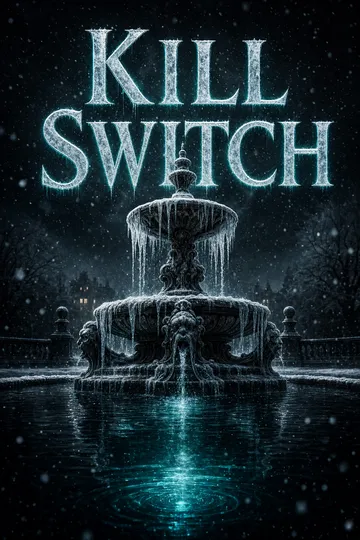
Kill Switch is a study in trauma as inheritance, asking whether a person forged by abuse can choose creation over repetition. Douglas structures the novel as an excavation, braiding four timelines so that every present cruelty is slowly explained by a past wound, forcing readers to hold judgment and empathy simultaneously. This is the book's central provocation: it neither excuses Damon's2 crimes nor lets us dismiss him as a monster, insisting instead on the harder truth that victims can become perpetrators, and that understanding is not the same as absolution. Blindness operates as the governing metaphor. Winter,1 who cannot see, perceives Damon2 most truly, while the sighted town, the courts, and social media see only surface and scandal. Douglas thereby critiques a spectacle culture that mistakes footage for fact, punishing the visible willingness of a victim while mythologizing a golden boy's crime. The recurring water and hiding-place imagery reframes sanctuary itself: the same fountain can drown or shelter, and healing means reinterpreting origins rather than escaping them. The kill-switch principle, pain masking pain, radiates outward from Damon's2 psychology into the book's moral architecture, where every character medicates one agony with another, love with control, grief with vengeance, shame with defiance. The generational reveal, that the true villain is the father4 who manufactured the son,2 shifts culpability upward, indicting patriarchal wealth and the machinery it owns. Ultimately the novel argues that chosen family, Banks,5 Rika,6 Will,7 Winter,1 can partially redeem inherited damage, and that Damon's2 redemption arrives not through apology but through building: transforming his instrument of vengeance into an instrument of shelter. It is a dark romance that treats obsession honestly as both prison and refuge, refusing the comfort of clean morality while granting its wounded lovers a fragile, earned, snow-quiet peace.
Review Summary
Kill Switch receives mixed reviews, with many praising its dark romance and complex characters, particularly Damon's redemption arc. Readers appreciate the intense emotions, plot twists, and character development. However, some criticize problematic elements, including statutory rape, non-consensual acts, and slut-shaming. The book's explicit content and morally ambiguous characters divide readers, with some finding it captivating and others uncomfortable. Overall, it's a polarizing installment in the Devil's Night series, praised for its intensity but criticized for its controversial themes.
People Also Read




Characters
Winter Ashby
Blind dancer, revenge's prizeBlinded at eight by a fall from Damon's2 treehouse, Winter is a ferociously willful ballet dancer who refuses to be treated as fragile. Where her family reads her disability as inconvenience, she experiences the world through heightened touch, sound, and rhythm, mapping rooms and choreography in her mind. Psychologically she is shaped by neglect: parents who tucked her away and a sister who mocked her3, leaving her starved for attention that does not condescend. This hunger explains her dangerous magnetism toward Damon2, the only person who never coddles her, and her willingness to court fear as a form of aliveness. Beneath her defiance runs profound loneliness and a fierce craving for autonomy, respect, and a life that is unquestionably her own choosing.
Damon Torrance
Damaged, obsessive antiheroThe dark-eyed son of a monstrous father4, Damon is a study in trauma weaponized. Sexually abused by his mother16 and terrorized by Gabriel4, he learned that pain masks pain and that hurting others quiets the horror inside, a kill switch for a mind that cannot rest. His desires are cerebral rather than physical, drawn to mindfucks, fear, and control. Yet beneath the sadist lives a boy who once hid in a fountain and was shown a moment of pure kindness he never forgot. Fiercely possessive of the few people he loves, Banks5, Will7, Winter1, he cannot distinguish devotion from consumption. Damon is both predator and victim, patient strategist and impulsive animal, terrified above all of loss and of being left alone.
Arion Ashby
Sister who married himWinter's1 shallow, status-obsessed older sister, Arion always coveted Damon2 and eagerly accepts marriage to him despite his role in her family's ruin. Cold and competitive, she treated the blind Winter1 as stupid throughout childhood. Willing to endure any humiliation to preserve wealth and social standing, she embodies the self-deception Winter1 refuses, mistaking gilded captivity for good fortune.
Gabriel Torrance
Damon's monstrous fatherThe patriarch behind every catastrophe, Gabriel is a controlling, sadistic tycoon who owns officials, police, and fortunes across the eastern seaboard. He raised Damon2 through intimidation and violence, permitting the boy's abuse because suffering, in his creed, forges men. Master of composure, he rarely loses his cool, ruling through leverage and patience. Gabriel views people as assets and heirs as investments, demanding obedience and grandchildren from a son2 he simultaneously despises and needs. His long game of manipulation makes him the true antagonist, a man whose cruelty operates less through rage than through calculated, generational control.
Banks
Damon's hidden half-sisterGabriel's4 illegitimate daughter, whom Damon2 bought from her addict mother at twelve and hid in his room, Banks is his oldest anchor, the one who can read and soothe him. Once bound and disguised for her safety, she has grown into a bright, curious college student married to Kai9, hungry to expand the small world Damon's2 protectiveness once confined. She loves him without excusing him.
Erika Fane
Chess-minded secret allyCalled Rika, she is Michael Crist's8 sharp, fearless fiancee and a collector of swords and strategy. Once terrified of Damon2, she now negotiates with him as an equal, trading damaging information to pursue justice for her own murdered father. Clever, cold when necessary, and fiercely loyal, Rika plays people like chess pieces yet retains a moral core, refusing to let Damon2 destroy Winter1 unopposed.
Will Grayson
Self-destructing best friendA senator's grandson and Damon's2 closest friend, Will masks bottomless pain with charm, humor, and escalating addiction. His bond with Damon2 is the deepest and most volatile of the horsemen, love, dependence, and rage tangled together after a near-fatal betrayal on a yacht. Drawn to self-destruction and haunted by an unattainable woman, Will keeps pushing Damon2 toward the edge they both crave.
Michael Crist
Estranged horseman leaderThe composed, powerful leader of Damon's2 former friends and Rika's6 fiance, Michael is a rising basketball star with money, connections, and a charmed life he refuses to risk carelessly. Once Damon's2 brother in mischief, he now keeps him at civil arm's length, distrustful and protective of Rika6, yet still bound by a shared, dangerous history.
Kai
The noble horsemanThe conscience of the group and Banks's5 husband, Kai is the manicured, principled counterpart to Damon's2 chaos. He served prison time alongside the others but carries himself with calm authority, ready to defend the women and diffuse conflict. He and Damon2 are brothers in all but blood, mutual loyalty coexisting with genuine dislike.
Margot Ashby
Complicit, fearful motherWinter's1 mother, who once carried on an affair with Gabriel Torrance4, is a woman worn down by a cruel husband11 and her own fear. She loves Winter1 but repeatedly fails to protect her, prioritizing survival and social standing. Her passivity, and possible old entanglement with the Torrances, delivers her daughters back into danger.
Griffin Ashby
Fugitive embezzler fatherWinter's1 father and Thunder Bay's mayor, a preening, controlling man whose embezzlement and tax fraud, once exposed, collapse the family. He fled the country alone, abandoning his wife10 and daughters to the Torrances' mercy.
Ethan Belmont
Winter's would-be rescuerWinter's1 video-game-designing friend who harbors romantic feelings for her and tries to help her flee. Well-meaning but out of his depth against the Torrances, his affection curdles into judgment when scandal returns.
Alex
Escort turned accompliceA no-nonsense student and escort with a computer science minor, hired by Damon2 to seduce information out of Evans Crist. Unflappable and pragmatic, she becomes a trusted operative and friend within the group.
Miles Anderson
Gabriel's cruel henchmanA predator from Winter's1 past who once tried to assault her and Rika6, now working for Gabriel4. He is the one who stabs Damon2 and torments Winter1, a recurring instrument of the older generation's violence.
Mr. Crane
Damon's loyal securityThe head of the security detail Gabriel4 assigns Damon2, who quietly proves more loyal to Damon2 and Winter1 than to his true paymaster, bending rules and relaying discreet help.
Natalya Delova
Damon's abuserThe renowned ballerina and Gabriel's4 wife who raised Damon2 and sexually abused him for years, the source of his deepest trauma and his revulsion toward certain intimacies. She vanished from Thunder Bay long before the present.
Christiane Fane
Rika's fragile motherRika's6 beautiful, damaged mother, long numbed by pills and alcohol, who watches Damon2 from doorways with an inexplicable sorrow. A victim of Gabriel's4 cruelty, she moves through the story as a quiet, haunting presence whose significance surfaces late.
Mikhail
Winter's golden retrieverWinter's1 beloved dog, named for a Russian dancer, her one uncomplicated comfort. Damon2 uses the animal as leverage, commanding it in Russian to demonstrate his mastery over what Winter1 loves.
Plot Devices
The colors, black and red
Private language of sensationBecause Winter1 cannot see, Damon2 translates emotion into color as pure feeling. Black, first taught during a terrifying midnight motorcycle ride, means fear, falling, danger, and freedom, the thrill of risk in a controlled space. Red, promised repeatedly and delivered much later, means anger, fury, heat, and need so consuming it turns a person animal, the primal register of desire. This synesthetic vocabulary becomes the couple's most intimate code, a way of naming experience that bypasses sight entirely. Douglas uses the colors to chart Winter's1 emotional journey, from the exhilarating black of adolescence to the ferocious red of adult wanting, and to distinguish the couple's private understanding from a world that only sees scandal.
The kill switch
Pain that silences worse painDamon's2 governing psychology is the principle that the body registers only one pain at a time, so a sharper hurt can drown a deeper one. As a boy he cut, burned, and pricked himself in hidden places; later he learned that inflicting rage-triggering cruelty, or absorbing beatings, could reset his overloaded mind like flipping a switch. He phones Banks5 to make her say vicious things, provoking a fury that quiets his trauma. The device explains his sadism as survival rather than mere villainy, and its tender origin, revealed at the story's close, reframes the entire novel. It is both the wound and the strange thread of love running beneath every cruelty.
The hidden ghost
Concealed identity seductionFor years Damon2 visits teenage Winter1 as an anonymous intruder, whispering to disguise his voice, showering away his cigarette smell, and removing his rosary so she cannot identify him by touch. Because she is blind, he becomes a faceless boy she falls in love with while simultaneously hating the known Damon Torrance2. Douglas exploits this dramatic irony ruthlessly: readers know the ghost's identity long before Winter1, so every tender scene carries a fuse. The eventual revelation, that her dream lover and her assailant are one person, detonates their relationship and reframes betrayal as tragic deception rather than simple malice. The device interrogates whether we love people or the versions of them we are permitted to perceive.
The recorded video
Private intimacy made public weaponDamon2 films his first night with Winter1 on the phone his friends use to record pranks, intending to keep the memory forever. When Rika6 mistakenly grabs the sweatshirt containing that phone and, enraged, uploads the footage alongside evidence of another assault, the private becomes viral overnight. The video sends Damon2 to prison for statutory rape, brands Winter1 a scandalous liar, and poisons the town's judgment for years. Douglas uses it to indict the digital panopticon, where recorded intimacy becomes irreversible evidence and public opinion overrides context and truth. Its resurfacing, when photos of the reconciled couple leak, closes a cruel loop, showing how the same mechanism that destroyed them at sixteen keeps punishing them into adulthood.
The fountain and hiding places
Recurring symbol of refugeFrom the childhood fountain where the two first hid, to the treehouse, closets, showers, catacombs, and the elaborate water maze Damon2 builds, enclosed sanctuaries recur as the couple's emotional signature. Water, in particular, quiets the world for both of them, offering cover from a hostile reality. Douglas threads these spaces through every era of the story so that architecture itself becomes language: when Damon2 tears out the ugly Ashby fountain and constructs a maze of waterfalls to hide inside, it is a wordless declaration only Winter1 can read by touch. The motif evolves from trauma refuge into freely chosen shelter, tracking the couple's movement from hiding out of necessity to hiding by loving choice.
FAQ
Synopsis & Basic Details
What is Kill Switch about?
- Complex relationship, dark past: Kill Switch explores the intense and twisted relationship between Winter Ashby, a visually impaired young woman, and Damon Torrance, a man with a dark past seeking redemption.
- Secrets and Lies, and manipulation: The story delves into themes of power, control, and manipulation as Winter and Damon navigate a dangerous game of cat and mouse, uncovering family secrets and hidden agendas along the way.
- Redemption and Forgiveness: Amidst a backdrop of social scandal and personal turmoil, Kill Switch examines the possibility of redemption and forgiveness, testing the boundaries of love and trust in the face of adversity.
- Turbulent journey, self-discovery: It's a story about a turbulent journey of self-discovery, where characters confront their deepest fears and desires, ultimately shaping their destinies in unexpected ways.
Why should I read Kill Switch?
- Intense emotional journey: Readers seeking a thrilling and emotionally charged experience will be captivated by the complex relationship between Winter and Damon, as they navigate a world of secrets, lies, and forbidden desires.
- Exploration of dark themes: The book delves into dark themes of power, control, and psychological manipulation, offering a thought-provoking exploration of the human psyche and the impact of past traumas on present relationships.
- Compelling characters, moral ambiguity: Kill Switch features compelling characters with morally ambiguous motivations, challenging readers to question their own perceptions of right and wrong, and to empathize with those who exist in the gray areas of morality.
- Twisted romance, suspenseful plot: Fans of dark romance and suspenseful plots will be drawn to the unpredictable twists and turns of the story, as Winter and Damon's relationship evolves amidst a backdrop of social scandal and personal turmoil.
What is the background of Kill Switch?
- Elite society, Thunder Bay: The story is set against the backdrop of the affluent and influential society of Thunder Bay, a fictional town where wealth, power, and social status reign supreme, shaping the lives and relationships of its inhabitants.
- Devil's Night tradition, mischief: The Devil's Night tradition, a night of mischief and mayhem, adds a layer of danger and unpredictability to the story, serving as a catalyst for chaos and revealing the darker impulses of the characters.
- Past trauma, psychological scars: The characters are haunted by past traumas and psychological scars, which influence their present actions and relationships, adding depth and complexity to their motivations and behaviors.
- Social Media Scandal, public scrutiny: The pervasive influence of social media and the threat of public scrutiny play a significant role in the story, amplifying the consequences of the characters' actions and adding a contemporary edge to the narrative.
What are the most memorable quotes in Kill Switch?
- "Now... Now, you belong to me.": This quote, spoken by Damon at Arion's wedding, encapsulates his possessive nature and sets the stage for the power dynamics that will unfold, highlighting his desire for control and ownership.
- "His plan wasn't to ruin us. It was to torture.": This line, spoken by Winter, reveals her understanding of Damon's motivations and the psychological torment he intends to inflict, emphasizing the dark and twisted nature of their relationship.
- "You're his cherry on top.": Gabriel Torrance's chilling description of Winter's role in Damon's life underscores her objectification and the twisted power dynamics at play, highlighting the manipulative nature of the Torrance family.
What writing style, narrative choices, and literary techniques does Penelope Douglas use?
- Dual POV, internal conflict: Douglas employs a dual point-of-view narrative, allowing readers to delve into the internal conflicts and motivations of both Winter and Damon, creating a complex and nuanced portrayal of their relationship.
- Atmospheric descriptions, suspense: The author uses atmospheric descriptions and suspenseful pacing to create a sense of unease and tension, drawing readers into the dark and twisted world of Kill Switch and keeping them on the edge of their seats.
- Foreshadowing, thematic echoes: Douglas utilizes foreshadowing and thematic echoes to hint at future events and reinforce key themes, adding layers of meaning and complexity to the narrative and rewarding attentive readers.
- Dark romance, morally gray characters: The book is characterized by a dark romance style, featuring morally gray characters and exploring themes of power, control, and obsession, challenging readers to confront uncomfortable truths about human nature and desire.
Hidden Details & Subtle Connections
What are some minor details that add significant meaning?
- Ballet slippers, lost innocence: Winter's ballet slippers, scuffed and ruined during her childhood encounter with Damon, symbolize the loss of her innocence and the lasting impact of that event on her life.
- The fountain, recurring motif: The fountain, where Winter and Damon first connect, becomes a recurring motif throughout the story, representing both a place of refuge and a source of trauma, highlighting the duality of their relationship.
- Rosary beads, twisted faith: Damon's rosary beads, a symbol of faith and redemption, are twisted into a tool of manipulation and control, reflecting his complex and often contradictory nature, and his struggle with his own inner demons.
- The color black, foreboding darkness: The recurring use of the color black in clothing, settings, and descriptions foreshadows the darkness and danger that permeate Winter and Damon's relationship, creating a sense of foreboding and unease.
What are some subtle foreshadowing and callbacks?
- "You're going to be very beautiful someday": Mr. Torrance's comment to young Winter foreshadows her later objectification and the twisted desires that will surround her, highlighting the predatory nature of the Torrance men.
- Damon's knowledge of Winter's church habits: Damon's awareness of Winter's refusal to take communion foreshadows his manipulative nature and his tendency to observe and exploit her vulnerabilities, emphasizing his calculated approach to their relationship.
- The song "Then He Kissed Me": The Crystals' song playing during a key moment hints at the idealized version of romance that Winter craves, contrasting with the dark reality of her connection with Damon, and highlighting her internal conflict.
- The mention of the steam room at Hunter-Bailey: The reference to Rika's past experience in the steam room foreshadows her later involvement in the power dynamics and games played by Damon and his friends, hinting at her own hidden desires and complexities.
What are some unexpected character connections?
- Winter and Rika's physical resemblance: The recurring observation of Winter and Rika's physical similarities creates a subtle connection between them, highlighting their shared defiance and vulnerability, and hinting at a deeper understanding between them.
- Margot and Gabriel's past affair: The subtle hints of a past affair between Winter's mother, Margot, and Damon's father, Gabriel, adds a layer of complexity to the family dynamics, suggesting a history of betrayal and manipulation that extends beyond Winter and Damon's relationship.
- Will and Damon's codependency: The codependent nature of Will and Damon's friendship is revealed through subtle interactions and shared history, highlighting the complex dynamics of their relationship and the sacrifices they make for each other, even at their own expense.
- Rika and Winter's shared trauma: The shared trauma of having their fathers targeted by the Torrance family creates an unexpected bond between Rika and Winter, leading to a complex alliance built on mutual understanding and a desire for revenge.
Who are the most significant supporting characters?
- Rika Fane, strategic ally: Rika Fane, Michael's fiancée, is a significant supporting character due to her strategic mind and resourcefulness, providing Winter and Damon with valuable information and assistance, and playing a key role in their fight against the Torrance family.
- Will Grayson, conflicted friend: Will Grayson, Damon's best friend, is a significant supporting character due to his complex relationship with Damon and his unwavering loyalty, often caught between his loyalty to his friend and his own moral compass, adding depth and conflict to the narrative.
- Banks, loyal confidante: Banks, Damon's adopted sister, is a significant supporting character due to her unwavering loyalty and her ability to see through Damon's facade, providing him with a much-needed anchor and a voice of reason amidst the chaos.
- Gabriel Torrance, manipulative patriarch: Gabriel Torrance, Damon's father, is a significant supporting character due to his powerful influence and manipulative tactics, shaping the lives of those around him and serving as a constant source of conflict and tension in Damon's life.
Psychological, Emotional, & Relational Analysis
What are some unspoken motivations of the characters?
- Damon's need for control, fear of vulnerability: Damon's unspoken motivation is his need for control, stemming from his troubled past and his fear of vulnerability, driving him to manipulate and dominate those around him, particularly Winter.
- Winter's desire for independence, fear of dependence: Winter's unspoken motivation is her desire for independence, fueled by her visual impairment and her fear of becoming dependent on others, leading her to resist Damon's control and fight for her own agency.
- Arion's ambition, social status: Arion's unspoken motivation is her ambition and desire for social status, driving her to marry Damon despite her lack of genuine affection for him, and to prioritize her own advancement over her sister's well-being.
- Rika's guilt, desire for justice: Rika's unspoken motivation is her guilt over her father's death and her desire for justice, leading her to align herself with Damon and Winter, and to use her strategic mind and resources to bring down those responsible.
What psychological complexities do the characters exhibit?
- Damon's sadomasochistic tendencies, self-destructive behavior: Damon exhibits psychological complexities through his sadomasochistic tendencies and self-destructive behavior, stemming from his troubled past and his struggle to reconcile his dark desires with his longing for redemption.
- Winter's internal conflict, attraction to danger: Winter exhibits psychological complexities through her internal conflict between her desire for safety and security and her undeniable attraction to danger, stemming from her traumatic past and her longing for excitement and passion.
- Arion's ambition, emotional detachment: Arion exhibits psychological complexities through her ambition and emotional detachment, stemming from her desire for social status and her inability to form genuine connections, leading her to prioritize her own advancement over the well-being of others.
- Rika's strategic mind, moral ambiguity: Rika exhibits psychological complexities through her strategic mind and moral ambiguity, stemming from her desire for justice and her willingness to cross ethical boundaries to achieve her goals, blurring the lines between right and wrong.
What are the major emotional turning points?
- Winter's realization of Damon's true nature: A major emotional turning point occurs when Winter realizes the extent of Damon's manipulation and control, shattering her trust and forcing her to confront the dark reality of their relationship.
- Damon's confession of his past trauma: A major emotional turning point occurs when Damon confesses his past trauma and his struggle with his inner demons, revealing his vulnerability and challenging Winter's perception of him.
- The leaked video, public humiliation: The leaked video serves as a major emotional turning point, exposing Winter and Damon's private moments to public scrutiny and forcing them to confront the consequences of their actions and the judgment of others.
- The revelation of Gabriel's crimes, family betrayal: The revelation of Gabriel's crimes and the extent of the family's betrayal marks a major emotional turning point, shattering Winter's sense of security and forcing her to question everything she thought she knew about her family and her past.
How do relationship dynamics evolve?
- Winter and Damon, from trauma to twisted love: Winter and Damon's relationship evolves from a shared trauma to a complex and twisted love, marked by power struggles, manipulation, and moments of genuine connection, testing the boundaries of trust and forgiveness.
- Winter and Arion, from rivalry to reluctant alliance: Winter and Arion's relationship evolves from a strained rivalry to a reluctant alliance, as they are forced to confront their family's secrets and work together to protect themselves from external threats, highlighting the complexities of sisterhood.
- Damon and his friends, from brotherhood to fractured loyalty: Damon's relationship with his friends evolves from a strong brotherhood to a fractured loyalty, as their individual desires and moral compasses clash, testing the bonds of their friendship and forcing them to confront their own demons.
- Winter and Rika, from suspicion to strategic partnership: Winter and Rika's relationship evolves from initial suspicion to a strategic partnership, as they recognize their shared goals and work together to uncover the truth and protect those they care about, highlighting the power of female solidarity.
Interpretation & Debate
Which parts of the story remain ambiguous or open-ended?
- The extent of Damon's genuine remorse: The extent of Damon's genuine remorse for his past actions remains ambiguous, leaving readers to question whether his desire for redemption is truly sincere or simply another form of manipulation.
- The long-term consequences of the characters' choices: The long-term consequences of the characters' choices, particularly those related to violence and manipulation, remain open-ended, leaving readers to ponder the lasting impact of their actions on their lives and relationships.
- The true nature of love, twisted circumstances: The true nature of love in such twisted circumstances remains ambiguous, leaving readers to question whether Winter and Damon's connection is a genuine expression of love or simply a manifestation of their shared trauma and darkness.
- The possibility of lasting peace, future happiness: The possibility of lasting peace and future happiness for Winter and Damon remains open-ended, leaving readers to wonder whether they can truly escape their pasts and build a healthy and fulfilling relationship, or if they are destined to be forever haunted by their demons.
What are some debatable, controversial scenes or moments in Kill Switch?
- The statutory rape, moral implications: The statutory rape committed by Damon against Winter is a highly debatable and controversial scene, raising questions about consent, power dynamics, and the moral implications of their relationship, and sparking debate about whether their connection can ever be truly consensual.
- Damon's manipulative tactics, justification: Damon's manipulative tactics and controlling behavior are a source of debate, with some readers arguing that they are justified by his troubled past and his desire to protect Winter, while others condemn them as abusive and harmful.
- Winter's attraction to Damon, Stockholm syndrome: Winter's attraction to Damon, despite his past actions and his continued attempts to control her, is a controversial aspect of the story, leading to debate about whether she is a victim of Stockholm syndrome or simply drawn to his dark and dangerous nature.
- The violence, justification for revenge: The violence depicted in the story, particularly Damon's acts of revenge, is a source of debate, with some readers arguing that it is justified by the characters' past traumas and their desire for justice, while others condemn it as excessive and morally reprehensible.
Kill Switch Ending Explained: How It Ends & What It Means
- Damon's actions, ultimate sacrifice: The ending sees Damon taking extreme measures to protect Winter, leading to a violent confrontation and his potential imprisonment, raising questions about the true cost of redemption and the lengths to which he is willing to go for her.
- Winter's agency, breaking free: Winter's decision to stay with Damon, despite the risks and uncertainties, signifies her assertion of agency and her determination to forge her own path, even if it means embracing the darkness that surrounds them.
- Uncertain future, hope for redemption: The open-ended nature of the ending leaves the characters' future uncertain, but hints at the possibility of redemption and a new beginning, as they navigate the challenges ahead with a renewed sense of purpose and a deeper understanding of themselves and each other.
- Cycle of violence, breaking free: The ending underscores the cyclical nature of violence and trauma, but also suggests the possibility of breaking free from these patterns through love, trust, and a commitment to healing, leaving readers to ponder the complexities of human nature and the enduring power of hope.
Devil's Night Series
About the Author
Other books by Penelope Douglas





Download PDF
Download EPUB
.epub digital book format is ideal for reading ebooks on phones, tablets, and e-readers.








































