
Plot Summary
Red Nightgown, Red Soil
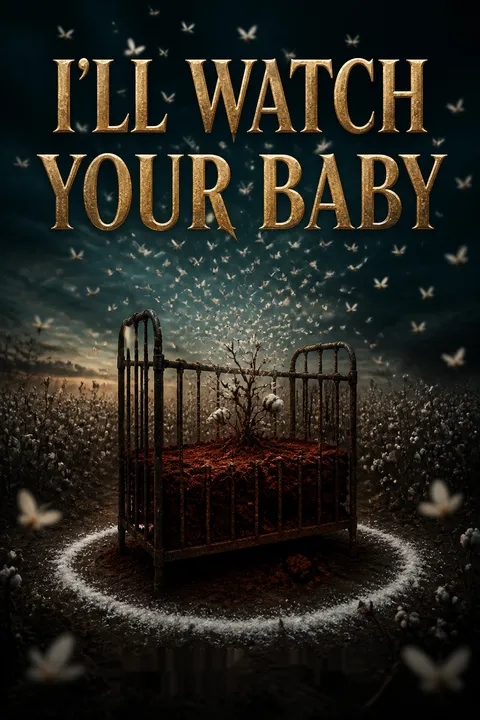
A girl lies dying in an overgrown cotton field, flies and blood saturating her red nightgown. Her body is hidden beneath the dirt by unknown killers quarreling as they bury her. She dies unnamed and alone, burned by resentment and a seething wish never to die unavenged. This prologue roots the story in suffering, murder, and an angry spirit—her final thoughts bitter but determined that her soul will not be the only one claimed.
The Welfare Queen Arrives
In 1970s Chicago, Lottie Turner is desperate to scrub herself clean—physically and metaphorically. Wandering into a church for social respectability, she's initially repelled by predatory men and cliquish congregants, but is arrested by Filly Kerr, a magnetic, Caribbean émigré, whose poise and goodness inexplicably welcome Lottie's edge. Their first irreverent meeting at a church picnic catalyzes a profound, unlikely friendship. Lottie's goal is simple: find a good woman as plausible alibi and shield. But as their bond deepens, the lines between mutual need, love, and exploitation blur.
Filly's Friendship and Unraveling
Filly and Lottie become inseparable in a tight domestic orbit: dinners, errands, school nights, and late-night confidences. But cracks appear. Filly, husband Roy, and their children are strained by poverty, betrayal, and a chronic undiagnosed illness that saps Filly's brilliance. Roy's infidelity and desertion escalate Filly's isolation and pain. Lottie, once using Filly for social cover, now finds herself a necessary caretaker—witness to the cruelties that threaten to swallow her friend. The chapter swells with warmth, but grief, resentment, and buried secrets begin to reach for Lottie too.
Ghosts of Emergency
As Filly declines, Lottie's own world teeters on the brink—a newspaper exposé unmasking her network of forged identities, welfare fraud, and hidden children. She flees authorities and ex-lovers, hustling babysitting jobs while plotting a final escape. Flies and blood seem to follow her, mocking with every new child procured or money counted. Her fixer, Gene, promises salvation if she can only deliver a white baby for adoption. The supernatural thread tightens: flies and heat trouble her sleep, anxiety giving way to haunting visions, as pressures (legal, spiritual) build to crisis.
Lottie's Children for Sale
Pressed by time and threats of exposure, Lottie steels herself to kidnap a white newborn—her "holy grail"—from the maternity ward. She rationalizes her escalating crimes as justified by personal and historical harms, all while speaking comfort and skepticism to frightened mothers. Her network—lovers, nannies, other misfit women—doubts and sometimes betrays her. For every child, Lottie finds a way to see product, payment, and a fragmented line back to her own erased childhood. But flies and fever dog her, and as her house fills with children and deals with devils, the "business" of baby-selling becomes a fever dream that tightens to horror.
Flies and the Fugitive Queen
Lottie's fraud and theft become the stuff of headlines—her name infamous, her image manipulated by white political figures eager for a scapegoat. Old friends and lovers disappear or turn her in; only Filly, now gravely ill, stands by her, their rapport deepening but growing more desperate and strange. Flies and strange phenomena invade Lottie's psyche and home: infestations, hallucinations, tropes of possession. As the authorities close in and her life collapses, Lottie's past and the house itself become sites of reckoning, the ground softening, haunted by secrets dead and alive.
The Reporter and the Fraud
Her persona—"welfare queen"—becomes cannon fodder for politicians and newspapers. The real Lottie, chameleon of race and name, slips through cracks in the system, deflecting legal threats with wit and fury. But reporter Fred Fisher's relentless pursuit, cop Artie's vendetta, and alliances with dubious men like Gene pull Lottie into a final confrontation. Her own survival stratagems—honed to brilliance—are reframed as proof of evil by the press. The lines between fact, fiction, myth, and political weaponry fracture, and Lottie's image takes on a monstrous, spectral life of its own.
Exile to the Queen's Past
Fleeing police and betrayal, Lottie holes up at Filly's again. The house is now thick with ghostly activity, flies, and the sense that something unspeakable is seeping through memory and floorboards. Filly's health pivots unpredictably, mirroring spectral cycles tied to a mysterious tapestry. Their bond frays—a love both maternal and exploitative—until both are forced to confront not just a haunting but the return of old sins and deaths, the cotton fields of Lottie's Southern past bleeding into the Chicago present. In trying to leave, Lottie inexorably returns.
The Girl in the Field
A parallel narrative surfaces—an enslaved girl dying in a field, her grave whose rage and suffering fuel the infestation of flies and the curse on the land and its daughters. The ghost's presence doesn't just stalk Lottie but infects her, turning the residue of historical theft, sexual exploitation, and abandonment into literal possession. The "girl in the field"—her end red, her resentment burning—becomes, over time, the queen of her own myth: angry, hungry, and unwilling to let lineage or trauma rest.
Bless in the Haunted House
Decades later, in the 1990s, Blessyn ("Bless") Stewart and her crew—Manny, Devin, and Sasha—are rootless scammers who break into a derelict Tennessee plantation house chasing rumors of a hidden fortune. Inside, they find a hoarder's nest and a half-mad woman, Mrs. Gibson (the aged Lottie), surrounded by decaying remnants and a perimeter salted against evil. Bless fights illness, fever, flies, and estrangement from her friends, even as the house stirs with more than rot and grief. They are trapped not only physically, but in a psychic, historical snare older than any of them.
Salt Circles, Dead Flies
As the days pass, salt circles and insect swarms contain and isolate Bless and her friends. Each becomes obsessed, ill, and sleepless, their interpersonal rifts deepening alongside the supernatural. Bless is tormented by dreams, mysterious photos showing more and more children, and the sense that her orphanhood and "adoption" hide greater theft. The house becomes a crucible, a battleground for possession, history, and the living's capacity to learn the truth.
Possession and Past Crimes
Fevered, Bless is overtaken by spectral memories—her own and those not hers. Lottie's past, the history of a murdered girl, and the web of black children stolen, sold, and lost bleed together. Friends are picked off, killed, or lost to the circle's curse. Bless endures a literal possession, forced to confront the cycles of exploitation, hunger, and revenge that made her (and may destroy her). Ghost, queen, and inheritor braid together in a grisly testament to the unresolved wounds of black womanhood and generational trauma.
All the Children Gone
As the possession tightens—Bless, Lottie, and the murdered girl roiling in fever—children die or are disappeared, legacies are erased, and homes burn. Filly sacrifices herself to save her son, Lottie loses nearly everything, and Bless emerges in a ruined present, clear that the curse is not ended, only transferred. Survival feels pyrrhic—but better her, she thinks, than let the cycle repeat unchallenged.
The Trap Is Sprung
Bless inherits the crown of haunting, but not without resistance. Traumatized, bearing histories both her own and Lottie's, she sets a trap to stop Lottie's haunting, to seal the source of the infection back in the earth. But as lines between self, ghost, and oppressor blur, she finds the cost is not just in ghosts defeated or friends lost, but in her own identity and future. Both queens face off in a psychic, physical duel for the land, the living, and the right to be remembered.
Roots in Blood and Dirt
Visions and flashbacks unravel Lottie's origins in slavery, sexual exploitation, colorism, and abandonment. Bless, merging with the rage and sorrow of the murdered girl, witnesses the betrayals and violence that seed later cycles: children sold, mothers gone, the endless hunger for recognition, justice, and revenge. The foundational violence of America becomes echo, curse, and character—a root that twists all daughters who follow.
Battle of Queens
In the book's climax, Bless is consumed by the queen of flies—the original ghost—becoming both vessel and enemy. Sasha tries to save her, but Bless devours her blood and will, the rage and hunger overwhelming the personal. Lottie, now with Filly's strength, confronts Bless as old crime surges into new violence. Only the recognition of shared, horrifying history—and the possibility of letting go—breaks the chain. The queens battle for supremacy, but neither truly wins.
Escape and Aftermath
Morning comes. The house is gone; most friends and family are dead or scattered. Bless and Daphne, both wounded and utterly changed, find each other on the road. In hate, love, and exhaustion, they escape the burning past—neither free, but also no longer helpless. Their future will echo their mothers', but as survivors they now own their own escape, no matter how pyrrhic.
Epilogue
The story closes with the suggestion that the curse is never truly vanquished, only held at bay. The queens—of fraud, flies, dirt, and ghosts—leave marks on everyone they touch. Bless and Daphne, scarred and sharp, can only look ahead, wary and cold. And in the world outside, the image of the welfare queen (and the ghosts of history) continues to stain, shape, and challenge the world's conscience.
Analysis
Neena Viel's "I'll Watch Your Baby" is a layered, metafictional horror novel masquerading as a crime thriller, unpacking the myth of the "welfare queen" against a tapestry of generational black trauma, systemic abuse, and the spectral legacies of slavery. The book's central lesson is bitter: personal and historical pain, when untreated and unacknowledged, does not just pass silently into the past—it festers, demands recompense, and feeds on new generations. Lottie, both symbol and subversion of the welfare queen archetype, commits monstrous crimes but is herself a product and victim of even larger historical ones, the line between survival and monstrosity blurred. The haunting queen—the murdered enslaved girl—serves as a living metaphor for generational trauma; her vengeance displaces horror from white oppressors onto the descendents themselves, questioning whether healing is possible when the source crime is denied. The whiteflies, salt circles, and endless cycles, literal and figurative, interrogate America's capacity to scapegoat black women for "ruined" systems while never grappling with its original sins. Viel reserves empathy even for her antiheroes, suggesting survival and wickedness are interwoven, and that love, when it appears, can be tainted with hunger and danger. The story is ultimately a warning and reflection: cycles of possession, betrayal, and pain will continue—politically and spiritually—unless society is brave enough to look, listen, and exorcise its own ghosts.
Review Summary
I'll Watch Your Baby receives mixed reviews, averaging 3.63/5. Readers praise its dual timeline structure following Lottie (1974) and Bless (1994), its reclamation of the "welfare queen" narrative inspired by Linda Taylor, and its visceral supernatural horror elements, particularly the recurring white flies symbolizing generational trauma. Many find the morally complex characters compelling despite their flaws. Common criticisms include a confusing writing style, slow pacing, and an occasionally disorienting narrative structure. The audiobook narration receives strong praise for enhancing atmosphere.
People Also Read





Characters
Lottie Turner / Mrs. Gibson
Lottie is a master of reinvention: part scam artist, part caretaker, deeply complex, half victim, half villain. She navigates blackness, colorism, and America's monstrous bureaucracy with wit and anger, redefining herself race and name at every turn to survive, even as she does enormous harm—kidnapping and selling children, faking illness and need, using faith and friendship for cover. Her deepest wound is abandonment and the unspeakable hunger for family, belonging, and recognition. When finally faced with being "haunted" by the murdered girl's ghost and her own past, she lurches between resistance and surrender, ultimately sacrificing herself to save another while seeding the curse forward. Lottie is both product and author of the systems that made her, at once complicit, tragic, and monstrous.
Filly Kerr
Filly is Lottie's friend, opposite, and sometimes moral center: a loving, Caribbean-born immigrant with unwavering gentleness and empathy. Despite husband Roy's betrayals, chronic illness, and eventual spiritual possession, Filly persistently forgives and nurtures all around her—children, friends, betrayers. Her friendship with Lottie is co-dependent and transformative, but she pays a dire price, becoming host for a vengeful ghost who uses her love against her. Filly's ultimate act is self-sacrifice—her love, flaws, and endurance refracted in all the surviving women.
Blessyn "Bless" Stewart / Grace Morgan
Bless is a biracial, disenfranchised young woman abandoned by adoptive Christian parents. She's a consummate outsider: tough, funny, skeptical, desperately searching for belonging and purpose. Recruited into a cycle of scams and hauntings, Bless's journey is an unraveling of her own theft, the story of her abduction, and her dependence on manipulative chosen family. Her gradual possession by the queen of flies (the murdered girl) is the book's tragic engine, as her need for connection and justice intersects with supernatural vengeance. Bless eventually claims agency—if not purity—in sealing the curse, but at enormous personal and psychic cost.
Sasha
Appearing first as a naïve companion, Sasha is revealed as the architect of revenge: a survivor whose entire family was murdered by Lottie. She manipulates Bless into her plot to destroy Lottie, using her as bait and muscle, while masking deep need and pain. Sasha's posture—composed, almost regal—conceals volatile grief and anger. Ultimately drained and betrayed, she suffers the narrative's full circle of exploitation, becoming both avenger and victim.
Manny
Manny is Bless's earnest, humorous friend, himself stolen as a child and "sold" into family. He is the group's light and balance—charming, vain, but deeply loyal—whose own trauma parallels Bless's but manifests less destructively. He supports Bless's independence and ultimately sacrifices himself, emblematic of the price paid by all the baby-sold children.
Devin
Devin is the redheaded, goofy companion, also sold as a baby. He serves as comic relief but is ultimately dismembered and killed as the house's curse intensifies, representing the expendability of the stolen and how trauma is always eager for new hosts. Devin's death binds the curse to the present generation.
Wayne Kerr
Wayne is Filly's son. Always skeptical and resistant, often dubbed difficult or unlikable, he becomes both a target of the house's curse and—because of remaining family ties—crucial to his mother's final act. Wayne survives, but the cost is measured in permanent trauma and distrust.
Daphne Kerr
Daphne, Filly's daughter, is witness, survivor, and eventual ally to Bless. Like Bless, she must reconcile love for flawed protectors and the need to escape cycles of violence. She emerges newly sharp, skeptical—mirroring Lottie in temperament—in the world beyond.
The Murdered Girl / Queen of Flies
Neither simply a ghost nor a metaphor, the murdered girl is the animating trauma behind all possession and haunting. Sexually exploited, killed for profit, left in red dirt, her rage gives birth to swarms of whiteflies and the perversion of the house. She seeks hosts—first Lottie, later Bless—to keep her vengeance alive and find love, desperate and insatiable for what was always denied.
Roger Russell / Fred Fisher / Artie
Politician Russell, reporter Fisher, and detective Artie are avatars of white authority: unscrupulous, manipulative, and eager to craft myths that blame black women for all society's failings. They pursue "the welfare queen," reframe her as ultimate criminal, and obscure the deeper, original crimes. They enable the survival of the curse by refusing truth a place on the public record.
Plot Devices
Multiple Timelines and Narrative Fracture
The novel employs a jump-cut narrative—1970s Chicago, the spectral past, 1990s Tennessee, and centuries-old plantation oppression—interlacing them to show how past evil infects the present. Bless's sections mirror and comment upon Lottie's history, and vice versa, until victimhood and villainy become indistinguishable. Narrative distortion—visions, fever dreams, supernatural events—reflects both literal haunting and psychological torment.
Foreshadowing and Repetition
Cycles and echoes pervade: the red nightgown, infestation of flies, soil bleeding up, salt circles, and the recurrence of possession. Each device foretells another loop of trauma. The photo with multiplying children is a literalized motif for the accumulation of theft and suffering that cannot be erased. The repeated dialogue between Lottie and Filly (there are no lines between us) is both bond and curse.
Symbolism: Flies, Dirt, Cotton, Salt
Flies stand in for repressed grief, rotting hope, and the persistence of trauma. Cotton and soil represent both the physical site of suffering and failed attempts at renewal. Salt circles are makeshift attempts at containment, but always breached; the curse is never fully banished, only transferred. The house as locus of haunting becomes inhospitable, echoing the inescapability of home as both nurture and site of abuse.
Unreliable Narration and Shifting Perspective
Truths in "I'll Watch Your Baby" are always partial and malleable, told and retold by Lottie, Bless, Sasha, and the ghost. Identities blend and slip; the reader is left continually questioning who is truly in control at any given time. This device mirrors how systems, stories, and trauma refuse to rest in fixed shape.
Download PDF
Download EPUB
.epub digital book format is ideal for reading ebooks on phones, tablets, and e-readers.








































