Plot Summary
Blood and Awakening Shadows
In the oppressive heat of a London summer, Lenore Crowther wakes to the familiar, numbing ritual of her monthly bleeding—a reminder of her childlessness and the failures of her marriage to Henry. Her life is a series of careful performances, managing a household and social standing, but beneath the surface, she is haunted by grief, hunger, and a sense of emptiness. A flicker of movement in the night, a shadow in her room, unsettles her. The boundaries between dream and reality blur, and Lenore's sense of self begins to fracture. The taste of blood, the ache of longing, and the echo of a mysterious presence foreshadow the unraveling of her carefully ordered world.
Arrival at Nethershaw
Lenore and Henry leave London for Nethershaw, a remote moorland estate in Derbyshire. The journey is fraught with tension—Lenore's memories of her parents' violent deaths, her orphaning, and the cold comfort of her upbringing with Aunt Daphne. Henry is preoccupied with business and reputation, dismissive of Lenore's anxieties. Upon arrival, a carriage accident brings a mysterious woman, Carmilla Kernstein, into their lives. The house itself is ancient, crumbling, and full of secrets. Lenore is thrust into the role of mistress, responsible for restoring order, but the landscape and the house resist her control. The sense of isolation, decay, and the uncanny deepens as the past and present begin to intertwine.
The Stranger in White
The woman from the crash, Carmilla, is installed as a guest. She is beautiful, enigmatic, and strangely familiar—Lenore recognizes her from a dream. Carmilla's presence unsettles the household; she is languid, demanding, and seems to exist outside the rules of propriety. Lenore is drawn to her, both fascinated and disturbed. The staff whisper about Carmilla's nocturnal wanderings, and Lenore's own dreams grow more vivid and frightening. The boundaries of hospitality, desire, and fear blur as Carmilla's influence grows. Lenore's sense of self is further destabilized, and the house becomes a stage for secrets and suppressed hungers.
Nightmares and Hungers
Lenore's health declines—pain, nausea, and nightmares plague her. She is haunted by visions of Carmilla, by the memory of her own childhood traumas, and by the relentless demands of her role. The house is alive with noises, shadows, and the sense of something watching. Carmilla's presence is both a comfort and a threat, awakening desires Lenore has long suppressed. The staff and even Lenore herself begin to act strangely, driven by inexplicable hungers. The line between victim and predator blurs, and Lenore's grip on reality weakens. The moors outside seem to echo the wildness growing within her.
The Unraveling Marriage
The marriage between Lenore and Henry is revealed as hollow and transactional. Henry is ambitious, controlling, and increasingly cruel. Lenore discovers evidence of his business's corruption and his emotional distance. The arrival of Cora, Lenore's friend, adds another layer of tension—her youth and ease highlight Lenore's own sense of failure. Henry's plans for a grand shooting party put further pressure on Lenore, who is expected to perform perfection while her world crumbles. The discovery of poison, the threat of violence, and the growing intimacy with Carmilla push Lenore to the brink.
Carmilla's Enchantment
Carmilla draws Lenore into a web of intimacy and confession. Their relationship becomes charged with desire, vulnerability, and danger. Carmilla challenges Lenore to confront her own wants, to acknowledge the hunger she has denied. Through their encounters, Lenore experiences pleasure and pain, awakening to parts of herself she has long buried. The boundaries between love, obsession, and predation blur. Carmilla's true nature remains elusive—she is both savior and destroyer, mirror and monster. Lenore's transformation accelerates, and the house becomes a crucible for her metamorphosis.
Past and Poison
Lenore's past—her orphaning, Aunt Daphne's cruelty, the trauma of her marriage—comes to the fore. She realizes she has always been shaped by others' appetites and expectations. Meanwhile, Henry's plot to poison Lenore with arsenic-laced pastilles is uncovered. Lenore's illness is not just metaphorical but literal. The revelation is both a horror and a liberation—she sees the depth of Henry's betrayal and the extent of her own passivity. The poison becomes a symbol of all the ways Lenore has been diminished, controlled, and starved of agency.
The Hunger Spreads
The strange hunger infects others—servants, villagers, even animals. A maid is caught eating Carmilla's hair; a girl devours a chicken raw; a woman in the village eats her husband's flesh. The boundaries of civilization break down, and the monstrous appetite spreads. Lenore witnesses these acts with a mix of horror and recognition. The hunger is not just physical but existential—a longing for life, for sensation, for freedom. Carmilla's influence is everywhere, and Lenore begins to see herself as both victim and vector. The world outside mirrors the chaos within.
Cora's Arrival and Rivalry
Cora's presence intensifies the emotional stakes. She is everything Lenore is not—young, carefree, desired. The rivalry between Cora and Carmilla becomes a battle for Lenore's loyalty and identity. Cora's relationship with Henry is ambiguous, fueling Lenore's jealousy and paranoia. The dynamics of power, gender, and social critique play out in the drawing rooms and on the moors. Lenore is forced to confront the limits of friendship, the pain of exclusion, and the cost of wanting. The stage is set for tragedy as alliances shift and secrets come to light.
Accidents and Accusations
A series of accidents—real and orchestrated—punctuate the narrative. A worker is maimed at Henry's factory; a girl is found bloodied; Cora falls from a cliff. Each incident is a test of loyalty, truth, and survival. Lenore is caught between guilt and self-preservation, between the stories she tells and the realities she cannot escape. The police are called, and suspicion falls on everyone. The veneer of respectability cracks, revealing the violence and hunger beneath. Lenore must decide what she is willing to do to survive—and what she is willing to become.
The Poisoned Wife
Realizing the full extent of Henry's plot, Lenore takes action. She stops eating the poisoned pastilles, gathers evidence, and enlists the help of Detective Lacey. The struggle becomes one of agency—can Lenore reclaim her life, or is she doomed to be a victim? The tension between passivity and action, between hunger and restraint, reaches its peak. Lenore's relationship with Carmilla becomes a source of strength and danger. The poison is both literal and symbolic—a test of Lenore's will to live, to want, to fight back.
Revelations and Reckonings
The secrets at the heart of Nethershaw are revealed—Henry's crimes, Cora's betrayal, Lenore's own capacity for violence. Lenore confronts Henry, armed with knowledge and rage. The balance of power shifts as Lenore asserts herself, refusing to be cowed or controlled. The narrative becomes a reckoning—not just for Henry, but for Lenore's entire life. The hunger that has haunted her becomes a weapon, a source of agency. The boundaries between victim and monster dissolve, and Lenore embraces her own darkness.
The Cliff's Edge
In a climactic confrontation, Cora falls to her death—an accident, a murder, or both. Lenore is left to grapple with guilt, relief, and the realization that she is capable of violence. The event is both a liberation and a curse, marking the point of no return. Lenore's hunger is now unbound, her old self dead. The world outside is indifferent, and Lenore must decide what kind of monster she will become. The moors, the house, and the body all become sites of transformation and reckoning.
The Final Feast
The shooting party arrives, and the house is filled with guests, food, and spectacle. Beneath the surface, violence simmers. Lenore and Henry's final confrontation is brutal—she unleashes her rage, her hunger, and her newfound power. The boundaries between human and monster, victim and predator, are obliterated. Blood is spilled, and Lenore emerges victorious, but changed. The feast is both literal and metaphorical—a consumption of the past, a devouring of old selves, a birth of something new and terrifying.
Vindication and Vengeance
With Henry dead and her enemies vanquished, Lenore faces the aftermath. She manipulates the narrative, enlisting Detective Lacey's help, and ensures her own survival. The world believes her innocent, a victim of circumstance. Lenore is vindicated, but the cost is high. She is free, but marked by violence and hunger. The house, the moors, and her own body are transformed. The story ends not with peace, but with the promise of further appetite, further becoming.
The Monster Unleashed
Lenore stands at the threshold of a new life—no longer a victim, no longer restrained by fear or propriety. She is monstrous, hungry, and alive. Carmilla returns, offering companionship, understanding, and the promise of more. The world is open, dangerous, and full of possibility. Lenore's journey is not one of redemption, but of transformation—she has become what she feared, and in doing so, has found power. The final hunger is not just for food or love, but for life itself, unbounded and unapologetic.
The Last Hunger
The story closes with Lenore and Carmilla together, united by hunger, desire, and the knowledge of what it means to survive. The past is both a wound and a weapon, the future uncertain but full of promise. Lenore is no longer afraid to want, to take, to become. The hunger that once threatened to destroy her is now her strength. The world is monstrous, but so is she—and in that, there is freedom.
Analysis
Hungerstone is a fiercely modern Gothic novel that reimagines the vampire myth as a story of female hunger, agency, and transformation. At its core, the book is about the costs of survival in a world that punishes women for wanting—for food, for love, for power, for life itself. Lenore's journey from passive victim to monstrous survivor is both a personal and political allegory: she must confront the ways she has been starved—emotionally, physically, spiritually—by family, marriage, and society. The novel interrogates the boundaries between victim and perpetrator, human and monster, desire and destruction. Carmilla is both catalyst and mirror, forcing Lenore to reckon with her own appetites and the violence required to claim them. The story's relentless focus on hunger—literal and metaphorical—serves as a critique of Victorian (and contemporary) constraints on women's bodies and desires. In the end, Hungerstone refuses easy redemption or closure; instead, it offers the unsettling possibility that to survive, one must become what one fears, and that in embracing monstrosity, there is a kind of freedom. The lesson is both cautionary and empowering: know your hunger, and feed it well.
Review Summary
Characters
Lenore Crowther
Lenore is the protagonist—a woman shaped by loss, trauma, and the relentless demands of Victorian womanhood. Orphaned young and raised by the cold Aunt Daphne, Lenore learns to suppress her desires and master her emotions, believing survival depends on self-control. Her marriage to Henry is transactional, loveless, and ultimately dangerous. Lenore's psychological journey is one from passivity to agency, from victimhood to monstrosity. She is deeply introspective, self-critical, and plagued by guilt, but also capable of great passion, violence, and transformation. Her relationships—with Henry, Cora, and especially Carmilla—force her to confront her own hunger, both literal and metaphorical. By the novel's end, Lenore has embraced her darkness, finding power in the very appetites she was taught to fear.
Carmilla Kernstein
Carmilla is the mysterious stranger whose arrival at Nethershaw upends everything. She is beautiful, languid, and otherworldly—at once victim and predator, mirror and monster. Carmilla's true nature is ambiguous: she is a vampire, a symbol of forbidden desire, and a force of transformation. She draws out Lenore's suppressed wants, challenging her to embrace her hunger and agency. Carmilla is both savior and destroyer, offering intimacy, pleasure, and danger. Her influence spreads contagiously, infecting the household and the village with strange appetites. Carmilla's relationship with Lenore is central—she is the catalyst for Lenore's metamorphosis, the embodiment of the monstrous feminine, and the promise of a life beyond fear.
Henry Crowther
Henry is Lenore's husband—a self-made man obsessed with status, reputation, and control. He is charming in public but cold, cruel, and manipulative in private. Henry's business is built on exploitation and deceit; his marriage is transactional and loveless. He seeks to poison Lenore, viewing her as an obstacle to his ambitions. Henry's psychological complexity lies in his insecurity, his need for mastery, and his inability to tolerate vulnerability or failure. He is both victim and perpetrator of the era's toxic masculinity. His downfall is precipitated by his own appetites and the awakening of Lenore's agency. In the end, Henry is unmade by the very forces he sought to control.
Cora
Cora is Lenore's friend and rival—a symbol of everything Lenore is not: young, carefree, desired, and at ease in the world. Cora's presence intensifies Lenore's sense of inadequacy and jealousy. She is both innocent and complicit, drawn into the web of secrets, betrayals, and violence at Nethershaw. Cora's relationship with Henry is ambiguous, fueling Lenore's paranoia and rage. Her death—whether accident or murder—marks the point of no return for Lenore, forcing her to confront her own capacity for violence and the cost of survival. Cora is both a mirror and a foil, embodying the privileges and dangers of femininity.
Aunt Daphne
Aunt Daphne is Lenore's guardian after her parents' deaths—a woman embittered by her own disappointments and determined to mold Lenore into a creature of restraint and self-denial. Daphne's psychological hold over Lenore is profound; she is both jailer and caretaker, shaping Lenore's beliefs about love, safety, and desire. Daphne's legacy is one of emotional starvation, teaching Lenore that to want is to risk pain. Her death frees Lenore physically but leaves deep psychological scars. Daphne is the embodiment of the internalized oppression that Lenore must overcome.
Molly
Molly is Lenore's maid—a figure of loyalty and care, but also vulnerability. She is drawn into the household's contagion of hunger, caught eating Carmilla's hair in a trance-like state. Molly's fate is a warning of the dangers of suppressed desire and the collateral damage of the household's unraveling. She represents the lower-class women whose lives are shaped by the whims and appetites of their employers. Molly's relationship with Lenore is one of dependence and affection, but also power imbalance.
Detective Inspector Lacey
Lacey is the police inspector who investigates the various accidents and deaths at Nethershaw. He is a figure of authority and reason, but also limited by the era's prejudices and the power of the upper class. Lacey's interactions with Lenore are marked by suspicion, sympathy, and a gradual recognition of the truth. He becomes the recipient of Lenore's evidence against Henry, playing a crucial role in her survival. Lacey represents the possibility of justice, but also its limitations.
Dr. Foxfield
Dr. Foxfield is the physician called to assess Lenore's health and sanity. He embodies the era's medical misogyny, quick to diagnose hysteria and dismiss Lenore's suffering as the product of a barren womb. Foxfield is easily manipulated by Henry, complicit in the plot to have Lenore committed. He is a symbol of the institutional forces that police women's bodies and desires.
The Housekeeper
The housekeeper at Nethershaw is a figure of order and tradition, struggling to maintain control as the household descends into chaos. She is both an enforcer of propriety and a witness to its collapse. Her role highlights the fragility of social order and the limits of authority in the face of the uncanny.
The Moors / Nethershaw
The landscape and the house are characters in their own right—ancient, untamable, and full of secrets. The moors mirror Lenore's internal wildness, the house her attempts at control. Both are sites of transformation, violence, and revelation. They are indifferent to human suffering, but also the stage upon which the drama of hunger and survival plays out.
Plot Devices
Gothic Setting and Atmosphere
The novel uses the classic Gothic setting—a remote, crumbling estate on the moors—to create an atmosphere of isolation, dread, and suppressed desire. The house and landscape are both literal and symbolic, reflecting Lenore's psychological state and the forces that threaten to consume her. The setting is alive with noises, shadows, and secrets, blurring the line between reality and nightmare.
Unreliable Narration and Psychological Realism
The story is told through Lenore's deeply subjective perspective, blending memory, dream, and reality. Her psychological unraveling is mirrored in the narrative structure—flashbacks, hallucinations, and confessions disrupt linear time. The reader is forced to question what is real, what is imagined, and what is monstrous. This device heightens the sense of uncertainty and suspense.
The Vampire as Metaphor
Carmilla's vampirism is both literal and metaphorical—a symbol of forbidden desire, female agency, and the contagion of hunger. The spread of strange appetites through the household and village mirrors the spread of psychological and social unrest. The vampire is a figure of both liberation and destruction, challenging the boundaries of identity, morality, and the body.
Poison and Consumption
The motif of poison—arsenic-laced pastilles, tainted food, and the act of eating—runs throughout the novel. Hunger is both a physical and existential force, driving characters to violence, confession, and transformation. The act of consumption becomes a metaphor for desire, agency, and the struggle for survival. The boundaries between nourishment and destruction, pleasure and pain, are constantly blurred.
Power, Gender, and Social Critique
The novel interrogates the power dynamics of marriage, class, and gender. Lenore's journey is one from submission to rebellion, from victimhood to monstrosity. The plot devices of inheritance, reputation, and social performance are used to critique the limitations placed on women and the violence required to break free. The story is both a personal and political reckoning.
Foreshadowing and Symbolism
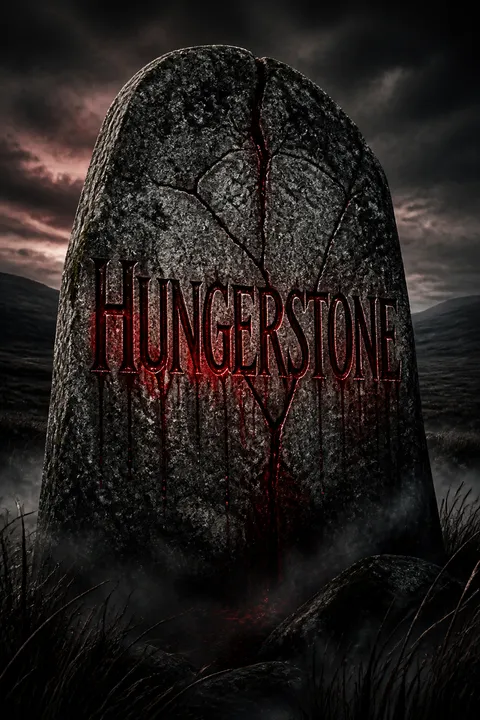
The narrative is rich with foreshadowing—dreams of blood, shadows in the night, the recurring motif of hunger stones (markers of famine). These symbols prepare the reader for the novel's climactic acts of violence and transformation. The moors, the house, and the body are all sites of symbolic meaning, layered with history and possibility.








































