Key Takeaways
1. Copywriting: A Lucrative Career for Creative Writers
"If I can do it, you can."
Diverse opportunities. Copywriting offers a way for skilled writers to earn a good, dependable income. It encompasses various forms of writing for businesses, including websites, brochures, marketing materials, and more. This career path allows writers to work flexibly, often from home, and balance their creative and commercial pursuits.
Skills and qualifications. Successful copywriters typically have:
- Strong writing and editing skills
- Ability to adapt to different tones and styles
- Understanding of marketing basics
- Familiarity with SEO (Search Engine Optimization)
- Good research and interviewing skills
Getting started. Begin by building a portfolio, even if it means doing some initial work for free or at a reduced rate. Focus on developing relationships with graphic designers, web developers, and small businesses in your area. As you gain experience, you can specialize in specific industries or types of copywriting.
2. Understanding Your Market and Target Audience
"Markets are places where buyers and sellers meet. Where like-minded tribes gather to exchange goods and services."
Market segmentation. Understanding your target market is crucial for success in copywriting. Markets can be segmented based on various factors:
- Business size (SMEs, large corporations)
- Industry sectors
- Geographic location
- Demographics
- Type of work required (B2B or B2C)
Identifying ideal clients. The sweet spot for building a client list is often small to medium-sized enterprises (SMEs) that aren't big enough to have their own marketing department. These businesses are likely to have an ongoing need for copywriting services and understand the value of professional writing.
Adapting your approach. Tailor your marketing and communication style to suit your target audience. For example, a corporate-style website might appeal to public sector clients but could put off creative artisans. Be clear about the market segment you're targeting and adjust your approach accordingly.
3. Building a Strong Client Base and Network
"Word of mouth is the best kind of marketing."
Networking strategies. Building a strong network is crucial for finding clients and growing your business. Effective networking strategies include:
- Attending industry events and business networking groups
- Collaborating with complementary businesses (e.g., graphic designers, web developers)
- Utilizing online platforms like LinkedIn
- Asking for referrals and testimonials from satisfied clients
Developing partnerships. Look for "cascader" or "influencer" businesses that complement your services. These might include:
- Accountants
- Enterprise bodies
- Wedding planners
- Catering equipment companies
- Dental kit manufacturers
These businesses often have a wide range of clients who may need copywriting services.
Online presence. Maintain a professional website and active social media profiles. Regular blog posts or newsletters can help keep you on potential clients' radar and demonstrate your expertise.
4. Mastering the Art of Web and Print Copywriting
"Search engines need words."
Web copywriting skills. Writing for the web requires specific skills:
- Understanding SEO principles
- Writing meta descriptions and headlines
- Creating content that is both search engine-friendly and engaging for readers
- Adapting to different formats (blogs, landing pages, social media posts)
Print copywriting considerations. Print materials have different requirements:
- Working within space constraints
- Collaborating closely with designers
- Paying extra attention to proofreading, as errors in print are more costly to fix
- Understanding the longevity of print materials
Versatility. Be prepared to handle various types of copywriting jobs, including:
- Straplines and slogans
- Product descriptions
- Case studies
- Packaging and labels
- Brochures and leaflets
Each type of copywriting has its own challenges and best practices. Stay adaptable and continue learning to excel in different areas.
5. Effective Time Management and Productivity Strategies
"The worst boss in the world might well be you."
Time tracking. Use tools like Toggl to monitor how you spend your working hours. This can help you identify time-wasters and improve productivity. Aim for 5-6 billable hours per day, allowing time for admin, breaks, and marketing.
Avoiding distractions. Implement strategies to minimize distractions:
- Set specific work hours
- Use website blockers during focused work periods
- Create a dedicated workspace
- Practice the Pomodoro technique (25-minute work bursts followed by 5-minute breaks)
Balancing workload. Avoid the "feast or famine" cycle by:
- Maintaining a steady pipeline of work
- Learning to say no to projects that don't align with your goals
- Using slow periods for marketing and skill development
Remember to take regular breaks, vacations, and maintain a healthy work-life balance to prevent burnout and maintain long-term productivity.
6. Navigating Client Relationships and Collaborations
"Copywriting isn't about you."
Setting expectations. Clearly communicate your process, terms, and conditions from the outset. This includes:
- Number of revision rounds included
- Payment terms
- Copyright transfer upon payment
- Turnaround times
Managing difficult clients. Be prepared to handle various client personalities:
- Perfectionists who struggle to articulate what they want
- Clients who undervalue copywriting services
- Those who make last-minute changes or expand the project scope
Collaboration skills. Work effectively with other professionals:
- Graphic designers
- Web developers
- SEO specialists
- Marketing teams
Be flexible and open to feedback, but also confident in your expertise. Learn to articulate the value of your services to clients who may not fully understand the importance of good copy.
7. Financial Management and Pricing Your Services
"If you're not making decent money from your copywriting business, you're doing it wrong."
Pricing strategies. Consider different pricing models:
- Project-based rates for clarity and client preference
- Hourly rates for flexibility and transparency
- Day rates for longer engagements
Factor in non-billable time (admin, marketing) when setting your rates. Don't undervalue your services – remember that your skills are valuable and in demand.
Financial management. Implement good financial practices:
- Keep separate business and personal bank accounts
- Use accounting software like FreeAgent for invoicing and expenses tracking
- Set aside money for taxes and slow periods
- Consider professional indemnity insurance
Handling payment issues. Have clear processes for:
- Upfront payments for larger projects
- Following up on late payments
- Dealing with non-paying clients (e.g., using debt collection agencies as a last resort)
Regularly review and adjust your rates as you gain experience and expertise.
8. Developing a Professional Mindset and Work Ethic
"Copywriting is a collaborative process, more like scriptwriting or editorial work."
Professionalism. Approach your copywriting business with the same seriousness as any other profession:
- Dress appropriately for client meetings
- Be punctual and respect deadlines
- Maintain clear communication
- Continue learning and improving your skills
Adaptability. Be prepared to:
- Work with different types of clients and industries
- Adapt your writing style to various brand voices
- Stay up-to-date with industry trends and technologies
Self-care. Remember that as a freelancer, you are your own most valuable asset:
- Take care of your physical health (ergonomic workspace, regular exercise)
- Maintain good mental health (set boundaries, take breaks)
- Invest in your professional development
Cultivate a growth mindset, always looking for ways to improve your skills and business practices.
9. Expanding Your Business and Income Growth
"For sole traders, the main limitation on earning more income is your time."
Increasing efficiency. Look for ways to work smarter:
- Develop templates and processes for common tasks
- Focus on higher-paying, longer-term projects
- Cultivate repeat business from existing clients
Expanding services. Consider offering additional services to increase your value:
- SEO copywriting
- Content strategy
- Social media management
- Proofreading and editing
Scaling your business. If you want to grow beyond a sole trader:
- Collaborate with other freelancers on larger projects
- Consider hiring subcontractors or employees
- Explore partnerships with complementary businesses
Remember that growth isn't always about size – it can also mean increasing your rates, specializing in a lucrative niche, or improving your work-life balance.
Review Summary
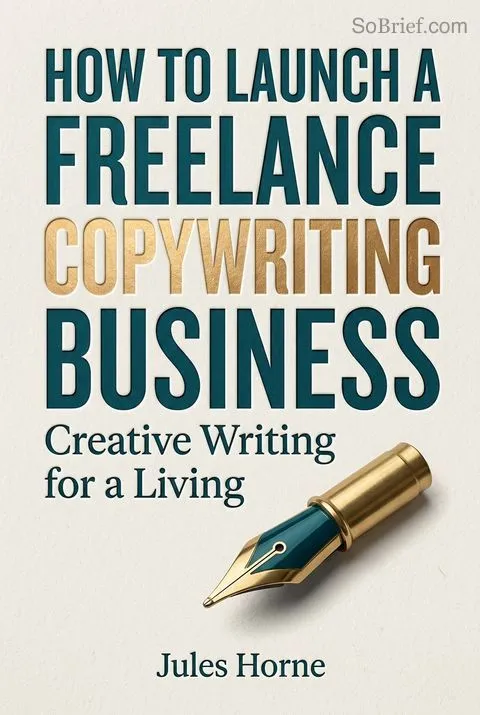
The book "How to Launch a Freelance Copywriting Business" received mixed reviews. Some readers found it informative and motivating, offering valuable insights into the copywriting profession and practical advice for starting a business. However, others felt it was more suitable for those with existing knowledge rather than complete beginners. Critics noted that while the book contains useful information, some of it could be figured out independently. Overall, the book seems to provide a comprehensive guide to the copywriting business, though its suitability may vary depending on the reader's experience level.
People Also Read



Download PDF
Download EPUB
.epub digital book format is ideal for reading ebooks on phones, tablets, and e-readers.








































