Plot Summary
Black Enough To Terrify
Bride is born blue-black, a color her light-skinned mother, Sweetness, finds both shocking and humiliating. Sweetness, shaped by the color prejudices of her era, recoils from the baby's darkness, feeling fear and shame for herself and the challenges she expects her daughter will face. The father, Louis, suspects infidelity and soon abandons them. Sweetness insists on a strict upbringing, convinced this will protect Bride in a world eager to punish blackness. Sweetness never calls herself "mother," keeping distance between them, believing love is less necessary than relentless survival. Lula Ann, renamed Bride later, becomes emotionally isolated, absorbing each rejection, silently hungering for acceptance and touch. The complex wounds of colorism seed the story's core: how society's and family's wounds shape everything that follows.
Names, Faces, and Colors
Lula Ann's name—stripped of affection and replaced with "Bride"—becomes as much armor as aspiration. Throughout childhood, Bride faces relentless scrutiny for her skin color, both from family and the outside world. Her self-worth is built in opposition to the judgment she faces. Eventually, she grows into a striking woman whose beauty is inseparable from her blackness. Reinvention—through name, appearance, and confidence—is her weapon against a society and a mother who once saw only ugliness. Bride's achievements are hard-won, her sense of self anchored by survival, but underneath, an old ache lingers. Her very success is haunted by questions of value: beauty, skin, acceptance, and whether self-creation can ever outpace a lifetime of rejection.
Mother's Touch Denied
Sweetness raises Lula Ann through avoidance and correction rather than embrace. Physical and emotional affection are withheld; discipline is the substitute for love. Lula Ann craves even "a slap—just to feel her mother's touch." Sweetness rationalizes her harshness as practical: better to train her daughter for a world that despises the color of her skin than to fill her with false hope. Yet her refusal to love visibly breeds a deep spiritual hunger in the girl. Sweetness's actions are a blend of protection and projection, and her refusal to show love echoes through every choice Lula Ann makes as an adult. The true cost of Sweetness's strategy will be measured much later, in years of longing and confusion.
The Art of Survival
Lula Ann matures into Bride, using conscious reinvention—white clothes, striking style, and achievement—to reshape her narrative. Working for a cosmetics company, she invents a line celebrating black beauty for all shades. This success serves as public evidence of her triumph over childhood wounds. But beneath the sophistication, Bride struggles with inner fragility, prime among them the secret ways early rejection curdled into self-doubt. Her intimate relationships are colored by mistrust and dissociation, especially as she engages with Booker, an enigmatic lover with his own secrets. Their passion is genuine but uneasy, complicated by Bride's fear of exposure and need for validation.
Good Hair, Bad Blood
The story of hair and skin unfolds as both marker and mask. Sweetness's obsession with "good hair"—a code for lightness and acceptability—mirrors a larger cultural poison of colorism within the Black community. Bride is both marked and marred by this code: her beautiful skin becomes marketable but never quite safe. Sweetness's lineage speaks of relatives who "passed" for white; rejection and denial echo generationally. These patterns fuel relentless efforts at respectability and survival, while also ensuring emotional bankruptcy—trading authentic care for shallow protection. Both Sweetness and Bride are scarred by this, their relationship a wound healed only at great cost.
A Witness and a Lie
As a young girl, Lula Ann is a key witness in a trial that sends her teacher, Sofia Huxley, to prison for child abuse. Under pressure and longing for her mother's approval, Lula Ann's testimony is manipulative: she points out Sofia, complicit in the conviction because she believes it will make Sweetness love her. For the first time, Sweetness holds her hand and shows pride. But this one moment of connection comes at tremendous moral cost. The adult Bride cannot escape the guilt and shame that linger from this lie, even as her public success and poise seem absolute.
Beautifying Wounds
Bride's adult life is defined by her career overseeing a beauty line that leverages her striking blackness as a brand. Her self-assurance is external—carefully curated through fashion and products—yet it thinly veils her internalized wounds. When her relationship with Booker fractures, Bride's sense of self rapidly unravels—her physical body starts to change in bizarre ways, losing hair, shrinking, becoming childlike. These changes are never fully explained, but they mirror the emotional regression threatened by old traumas and unhealed guilt. The beauty line "You, Girl" becomes both a tool for empowerment and a symbol for the impossible task of covering up deeper scars.
Lover's Vanishing Act
Booker leaves without warning after a fight about Bride's need to revisit her past by offering aid to Sofia Huxley. His departure opens old wounds, triggering physical transformation and emotional crisis. Bride is left bewildered—her self-composure shattered, her beauty no longer dependable. She spirals, seeking explanation and redemption, growing obsessed with understanding what has happened between them, and by extension, what has gone wrong within herself. Booker, thrust back into his own unresolved grief over his brother Adam's murder, wrestles with questions of blame, avoidance, and the limitations of love scarred by old wounds.
Shattered, Scarred, Starting Over
Determined to find closure, Bride visits Sofia upon her release from prison, offering gifts as penance. Instead, Sofia physically assaults her, re-traumatizing Bride and symbolically returning her to childhood vulnerability. Broken and beaten, Bride turns to her loyal friend Brooklyn for help. As she recovers, she lies about the attack—unable to admit the truth. The cumulative weight of old guilt, lost love, and compromised identity forces Bride into deeper introspection. She realizes external accomplishments cannot protect her from the internal rot fueled by unspoken sin, longing, and shame.
In Search of Booker
Clues lead Bride to Booker's roots—a small town named Whiskey, and Queen Olive, his eccentric, wise aunt. The journey is transformative. Along the way, Bride is physically injured in a car accident and rescued by a white family, Steve, Evelyn, and their found daughter Rain. In primitive conditions, stripped of her beauty ritual and social performance, Bride experiences a radical vulnerability. She is forced to reckon with her shrunken, childlike body and unmask her wounds, mirroring her stalled emotional growth. The physical regression dramatizes the invisible scars borne from years of self-doubt, masked shame, and unhealed love.
Motel Violence, Shame Returned
In Whiskey, amid the rural quiet, Bride's encounter with Rain—a child abused and abandoned—forces her to relive and voice her own pain. The similarities in their stories highlight cycles of parental neglect, innocence destroyed, and the struggle for self-worth. Bride's need to save Rain reflects a redemptive urge: to be the protector she never had, the mother Sweetness failed to be. Violence returns unexpectedly, this time in new surroundings; Bride is shot defending Rain, embodying the courage, suffering, and self-sacrifice her life has avoided. Acts of care bind the characters, hinting at new ways to break old patterns.
Lies, Scars, and Confession
Confrontations escalate. Bride finally faces Booker and admits the choosing of lies over truth in her childhood testimony—her complicity in sending Sofia to prison for love she never received. Booker confesses his own inability to escape his brother's death, the way his grief distorted his capacity for present love. Their reunion is explosive, violent, and cathartic—pain and confession breaking the deadlock of avoidance. Old grievances are aired, new honesty emerges. The battle leaves both exhausted but paradoxically more whole. Shared wounds become the ground for a different, truer intimacy.
Sins of Childhood Past
The novel's adult protagonists are haunted by the failures of their parents—their failures, absences, and acts of violence or neglect. Booker's family lost a beloved son to violence, driving Booker to demand memorials that his family cannot give. Queen Olive, with her own children scattered and half-estranged, offers love but also models the consequences of loving without wisdom or self-awareness. Sweetness, alone in a nursing home, reviews her regrets but cannot fully undo the harm of her rigid protection. The novel pierces the myth that pain can be left behind: instead, only reckoned with, confessed, and mourned.
Remaking the Self
The aftermath of confession and violence is paradoxically restorative. Bride's wounds begin to heal; her body returns to adulthood, marking internal change. She and Booker, attending to Queen through her illness, experience a rare, shared tenderness—giving care rather than seeking it. This new wholeness does not erase their pasts, but it does mark a hard-won movement from mere survival to genuine capacity for love. The restoration of bodily integrity—the return of breasts, pierced ears, and menstrual cycle—is a quiet sign that internal wounds, too, have begun to close.
Rain's Story Told
Rain embodies the novel's youngest—but most fiercely honest—voice. Her story of abuse and abandonment intersects with Bride's own childhood, acting as both reflection and contrast. The relationship between Bride and Rain, and between Rain and her adoptive family, shows the possibility of breaking cycles—at least partially—through recognition and new bonds. Rain's resilience and unapologetic self-telling act as a challenge to the more muted, self-protective adults. She forces Bride (and the reader) to see the cost of silence, the necessity of both protection and truth, and the ways survivors create meaning out of trauma.
Facing the Past, Facing Love
With Queen's death, Booker and Bride must make sense of loss together. The experience forges a bond deeper than romance: they navigate grief, care, and the complexity of finally accepting their histories. Their union becomes an act of faith, choosing to risk love after the failures and betrayals of the past. The struggle, once driven by what they lacked as children, now focuses on what they might create as adults: a different legacy, built on honesty, compassion, and mutual vulnerability.
Ashes, Loss, Rebirth
Queen Olive's illness, rescue, and death become the crucible in which the novel's central questions are refined. Her passing forces Booker and Bride to reassess what they owe the dead and the living. Scattering her ashes—honoring her complicated life—makes space, through mourning, for new beginnings. Booker surrenders the trumpet—his broken voice of grief—into the water, marking an end and a readiness for something new. Loss cannot be reversed, but it can be accepted; the dead cannot return, but the living can change.
Child's Future, Hope Restored
The novel closes not with total resolution but with a new promise: Bride is pregnant, and Booker, healed too, claims this future child as "ours." Their linked hands—the gesture denied by parent after parent—signal a possible end to cycles of pain. Sweetness, alone, reflects on Bride's adulthood and impending motherhood with mixed pride, regret, and fear, knowing firsthand how childhood wounds shape the adult. The question hovers: will this new child be spared the cruelties of the past? The story closes with faith, not certainty—a fragile hope that love, finally, might be enough.
Analysis
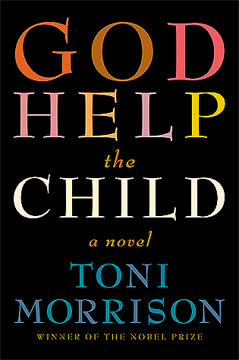
"God Help the Child" is Toni Morrison's sharpest modern fable about how the wounds adults carry are written first in childhood, often by those closest to us. Through layered voices and interconnected stories, Morrison explores the way colorism, racism, and generational hurt deform both self-concept and the capacity to love. The novel's compact, elegant prose refuses simple redemption: the legacy of neglect, violence, and shame is not erased, but interrogated, confessed, and only then, tentatively, transformed. Morrison insists that identity is both inheritance and invention, wrought painfully from the palimpsest of other people's mistakes. Bride's journey from abandonment to self-acceptance, and her choice to risk new life and love, exemplifies the book's central hope: that through honest reckoning and care—however flawed—cycles can break. The story is a painful hymn to all children wounded by the world, but also a subtle trumpet for the transformative, if fragile, power of truth and tenderness. Ultimately, the novel asks not just what it takes to survive trauma, but whether and how we might raise a child (or a self) untouched by the world's cruelty—an open question, but not, Morrison seems to say, an impossible one.
Review Summary
Reviews of God Help the Child are mixed, averaging 3.78/5. Admirers praise Morrison's masterful prose, emotional depth, and structural elegance, calling it a powerful exploration of childhood trauma, colorism, racism, and sexual abuse. Many highlight memorable characters and lyrical writing. Critics, however, find the novel underdeveloped and thin, noting flat characterization, loose plot threads, and a lack of Morrison's usual mythic power. Several reviewers acknowledge it as her final completed novel, tempering criticism with appreciation for her enduring literary contribution.
People Also Read


Characters
Bride (Lula Ann Bridewell)
Bride is the heart of the novel: blue-black, stunning, and sensational—yet inside, she remains the little girl denied her mother's touch. Her motivations are twin: to escape the shame of her childhood and to be both seen and loved for who she is. Her relationship with her mother Sweetness is core trauma, deeply shaping her relationships with men, her career, and her sense of worth. Bride's public confidence masks bottomless vulnerability. Her body's strange regressions mirror her emotional struggles—she literally becomes childlike when forced to face her formative wounds. Only through confession, care of others, and risking authentic love does Bride begin to reclaim wholeness. Her journey is one of painful self-reclamation, moving from survival to hard-won self-acceptance and hope.
Sweetness
Sweetness is Bride's light-skinned mother, whose own survival has been shaped by post-slavery rules of color and respectability. Terrified for her daughter—and for herself—Sweetness doles out harsh discipline, withholding love as a misguided shield. She names herself, not "Mother," to keep emotional distance. Sweetness's actions, while rationalized as protection, create deep psychic wounds in Bride. In old age, Sweetness is forced to reconsider her choices, admitting regret but still trapped in her defensive rationalizations. Her arc is a study in generational trauma, and the limits of insight when self-protection outruns love.
Booker Starbern
Booker is Bride's beloved and most intimate adversary—a passionate, intelligent man shaped by the childhood murder of his brother, Adam. His trauma creates a perpetual distance and suspicion of intimacy; mourning becomes an identity. Booker's own family is wounded, unable to collectively heal from loss, making him hyper-aware of unresolved grief. His relationship with Bride provokes both healing and violence, culminating in confession and confrontation. Only when he reckons with his own emotional burdens, letting go of the need for a perfect, lost love, can Booker embrace possibility with Bride. Booker embodies both the pitfalls and the potential of loving in the aftermath of trauma.
Brooklyn
Brooklyn is Bride's white friend and steadfast supporter—blunt, perceptive, and self-reliant. A survivor of her own childhood abuse and abandonment, Brooklyn tempers tough realism with deep care. Her pragmatic, often caustic advice, and her role as Bride's rescuer after Sofia's attack, reveal a practical version of love. She stands in contrast to the fragile or toxic mothers elsewhere in the novel: she is capable, not sentimental, and clear-eyed about pain without letting it define her. Brooklyn is also ambitious, stepping into Bride's work role in her absence, adding shades of complexity to their friendship. Hers is the voice of hard-won self-sufficiency.
Sofia Huxley
Sofia is the teacher Bride (as Lula Ann) helped convict with false testimony. Once powerful, Sofia emerges from prison broken, embittered, and dangerous. Her brutal attack on Bride is an eruption of pain—her own ruined life and the monstrousness projected onto her by society and a child's convenient lie. Sofia's life is charted by alienation: isolated from family, friendless upon release, her only solace comes through breakdown and eventual tears. Her presence in the novel raises unanswered questions about justice and the price of erased innocence.
Rain
Rain is the white child Bride meets after her car accident—a waif rescued by strangers, tough, wise beyond her years, and deeply damaged by sexual abuse and maternal rejection. Rain's candor and resourcefulness challenge Bride's assumptions about victimhood, race, and healing. As Bride listens to and cares for Rain, she both remembers her own ache and learns from Rain's frank ferocity. Rain represents both the persistence of trauma and, perhaps, its transcendence through honesty and found-family bonds.
Queen Olive
Queen is Booker's aunt, caretaker and repository for his emotional fragments. Her life is a patchwork quilt of marriages, losses, and children left behind. Pragmatic, direct, and a little eccentric, she welcomes both Bride and Booker in crisis, offering unconventional comfort, hard truths, and space for confrontation. Her home, and eventually, her death, become sites of reckoning and renewal. She is at once failed mother, wise woman, and symbol of survival through self-invention and forgetfulness.
Evelyn and Steve
This white couple rescues Bride after her car accident and have adopted Rain. Their back-to-the-land lifestyle contrasts with the novels' urban strivers and survivors; their genuine, if clumsy, care stands in for idealized parental love. Yet they are imperfect: their love does not erase Rain's past, and their aversion to her story shows the limits of well-meaning rescue. They embody the possibility, but not certainty, of preservation and restoration.
Adam Starbern
Although dead before the story's start, Adam's absence is the heart of Booker's sorrow. His murder by a predator is the wound Booker cannot let scab or heal, driving Booker's mistrust, fear of love's loss, and need for control. Adam is idealized—memory stripped of flaw—and thus both comfort and curse for Booker's adult self.
Mr. Leigh
Mr. Leigh appears only briefly in Lula Ann's childhood, catching her witnessing his abuse of a boy. He is never punished; his terror and invective instead force Lula Ann deeper into silence. He is not a character so much as a background cipher for the routine, hidden cruelty children endure—and the unwillingness of adults to confront it.
Plot Devices
Colorism and Naming
Morrison uses skin color and naming as recurring signals and plot accelerants: from "Bride's" self-renaming to Sweetness's avoidance of "Mother," each choice encodes pain and self-creation. The weight of colorism is not mere background but a structuring device—differences of shade determine fates, identities, and relationships. The pressure to "pass," to reject or embrace blackness, moves the plot by shaping characters' self-worth and responses to the world.
Nonlinear Structure and Multiple Voices
The novel's storytelling moves among first-person monologues, close-third-person, and free indirect style. Sweetness's and Bride's voices bookend the story, while chapters shift among the consciousness of Brooklyn, Booker, Sofia, Rain, and Queen. This kaleidoscopic view creates cumulative empathy, exposing not just what happens but how events are processed, repressed, and rationalized internally, lending weight to the theme of memory's mutability.
Physical Regression as Metaphor
When Bride loses her hair, breasts, and menses, the physical changes dramatize emotional regression and the power of unresolved childhood pain. Unlike in realism, these shifts are part of Morrison's subtle magical realism—they are never simply explained, but are felt as palpable truths of trauma: becoming small, vulnerable, unprotected until internal change can occur.
Confession and Violence as Catharsis
The novel repeatedly uses confrontation—verbal or physical—as a way to force forward movement. The violence between Bride and Booker, Sofia and Bride, underscores the cost of avoidance and the necessity of facing the past. Only at the point of shared confession do the characters approach possibility, suggesting that healing demands rupture before reconciliation.
Maternal Repetition and Intergenerational Trauma
The plot is structured by the repetition of mother-daughter wounds—Sweetness and Bride, Rain and her mother, Queen and Hannah. Each generation both repeats and slightly amends the past, asking what is possible to escape and what must be carried forward. The plot's structure mirrors trauma's cyclical nature, but also the only-possible hope of change: acknowledgment and choice.
Symbolic Objects and Magical Realism
Bride's white clothing, the shaving brush, the absence or return of hair—these serve as talismans and revealers of her psychological states. Booker's trumpet, Queen's gold earrings, and the recurring motif of hand-holding—each object carries narrative and thematic load. Morrison employs these in the tradition of magical realism: they are never explained, but accepted as real within the emotional and symbolic logic of pain and healing.








































