Key Takeaways
1. Fuel your body with balanced, carbohydrate-rich meals for optimal performance
"What makes a healthy training diet? The answer – regular and varied meals that are high in carbohydrate, relatively low in fat and well balanced with protein, fibre, vitamins and minerals."
Balanced nutrition is key. Athletes require a diet consisting of approximately 60% carbohydrates, 15% protein, and the remainder from fat. This balance provides the necessary energy for intense training while supporting muscle repair and overall health.
Listen to your body. Training burns a vast amount of calories, often between 3,000 and 5,000 extra calories per week for endurance athletes. It's crucial to eat when hungry and focus on nutrient-dense, unprocessed foods. Key components of a balanced athlete's diet include:
- Carbohydrate-rich foods: Bread, cereals, pasta, rice, fruits, vegetables
- Protein sources: Lean meats, fish, eggs, dairy, legumes
- Healthy fats: Nuts, seeds, avocados, olive oil
- Plenty of fruits and vegetables for vitamins, minerals, and fiber
2. Understand the Glycemic Index (G.I.) to choose the right carbs for your needs
"All carbohydrates are not equal, however, as they all break down to glucose at different rates."
G.I. basics: The Glycemic Index (G.I.) classifies carbohydrates based on how quickly they raise blood sugar levels. Understanding G.I. helps athletes choose the right carbs for different situations:
- High G.I. (70+): Quick energy, good for during/immediately after exercise
- Medium G.I. (55-69): Balanced energy release
- Low G.I. (0-54): Slow, sustained energy, ideal for general training diet
Strategic carb choices:
- Pre-workout/general training: Focus on low to medium G.I. carbs for sustained energy (e.g., whole grains, most fruits, legumes)
- During/immediately after exercise: High G.I. carbs for quick energy replenishment (e.g., sports drinks, white bread, ripe bananas)
- Recovery meals: Combination of high and low G.I. carbs to refuel quickly and maintain energy levels
3. Hydration is crucial: Drink strategically before, during, and after exercise
"Do you ever feel so exhausted that you have to stop running? Do you sometimes feel dizzy or disorientated during a long workout? Have you ever been overcome by cramp after cycling for 60km? These are all signs of dehydration rearing its ugly head."
Dehydration dangers: Even mild dehydration can significantly impair performance and pose health risks. Symptoms include fatigue, dizziness, cramps, and decreased blood volume, which reduces oxygen delivery to muscles.
Smart hydration strategy:
- Throughout the day: Aim for 1.5-2.5 liters of fluid daily, increased during hot weather or heavy training
- Before exercise: Drink 500ml of water about 2 hours before
- During exercise: 150-250ml of sports drink every 20-30 minutes for sessions over an hour
- After exercise: Replace 1.5 liters of fluid for every 1kg of body weight lost
Beyond water: For intense or prolonged exercise, sports drinks with electrolytes help replace lost minerals and prevent hyponatremia (dangerously low sodium levels).
4. Tailor your nutrition strategy for pre-workout, during exercise, and recovery
"Eating and drinking properly needs to become an essential part of our everyday routine and sticking to a good diet, especially in those hard-training weeks leading up to an event, can not only have a dramatic effect on stamina and performance, but it can also make our training easier and even help the body repair and improve itself."
Pre-workout fuel: Eat a low-fat, high-carb meal 1-2 hours before exercise. Focus on easily digestible foods that provide sustained energy, such as:
- Oatmeal with fruit and nuts
- Whole grain toast with nut butter
- Banana and a handful of trail mix
During exercise: For sessions lasting over 90 minutes, consume:
- 30-60g of carbohydrate per hour
- Sports drinks, energy gels, or easily digestible snacks (e.g., bananas, energy bars)
Recovery nutrition: Within 15-30 minutes post-exercise, prioritize:
- High G.I. carbohydrates to replenish glycogen stores
- Protein for muscle repair (aim for a 3:1 or 4:1 carb-to-protein ratio)
- Fluids and electrolytes to rehydrate
Examples: Chocolate milk, fruit smoothie with protein powder, turkey and cheese sandwich
5. Incorporate a variety of nutrient-dense foods into your training diet
"Go faster 'rainbow' superfoods"
Eat the rainbow: Consuming a variety of colorful fruits and vegetables ensures a wide range of essential nutrients and antioxidants. Key "superfoods" for athletes include:
- Berries: Rich in antioxidants and vitamin C
- Leafy greens: High in iron, folic acid, and vitamin K
- Orange/yellow produce: Packed with beta-carotene and vitamin C
- Nuts and seeds: Provide healthy fats, protein, and minerals
Power-packed additions:
- Oily fish: Omega-3 fatty acids for inflammation reduction
- Whole grains: Sustained energy and B vitamins
- Lean proteins: Essential for muscle repair and growth
- Fermented foods: Support gut health and immunity
Remember, no single food is "super" on its own – aim for a balanced, varied diet to maximize nutritional benefits.
6. Optimize your carbohydrate intake based on training intensity and duration
"The amount of carbohydrate you need for recovery varies according to your weight and the intensity of your workout."
Carb-loading guidelines: The International Olympic Committee recommends the following daily carbohydrate intakes for athletes:
- Moderate duration/low intensity: 5-7g per kg body weight
- Moderate to heavy endurance training: 7-12g per kg body weight
- Extreme programs (4+ hours per day): 10-12g per kg body weight
Practical application:
- For a 70kg athlete doing moderate training: 350-490g carbs daily
- For the same athlete during intense training: 490-840g carbs daily
Carb-rich foods (containing ~50g of carbohydrate):
- 2 large bananas or 3 medium apples
- 3 slices of thick bread
- 200g cooked pasta (about 1 cup)
- 1 medium baked potato
Remember to adjust intake based on individual needs, training load, and body response.
7. Use pasta, rice, and grains as versatile foundations for energy-packed meals
"Normal wheat pasta of any shape, fresh or dried, is a fabulous food for athletes. It has a low glycaemic index (30–50), it is low in fat and extremely high in carbohydrate."
Pasta power: Pasta is a go-to for many athletes due to its low G.I. and high carbohydrate content. Experiment with different shapes and whole grain options for variety and added nutrition.
Rice varieties:
- Basmati: Lowest G.I. (58) among rice varieties, ideal for general training diet
- Brown rice: Higher in fiber and nutrients than white rice
- Arborio (risotto rice): Medium-high G.I. (69), good for recovery meals
Ancient grains and alternatives:
- Quinoa: Complete protein source, rich in minerals
- Farro and barley: Chewy texture, high in fiber
- Couscous: Quick-cooking, versatile base for Mediterranean-inspired dishes
Pair these carbohydrate sources with lean proteins, vegetables, and healthy fats for balanced, energy-sustaining meals.
8. Leverage pulses and legumes for sustained energy and essential nutrients
"Most lentils and pulses have a G.I. of less than 50. They are slow-releasing, low in fat and extremely nutritious."
Nutritional powerhouses: Lentils and pulses offer a winning combination of low G.I. carbohydrates, plant-based protein, fiber, and essential minerals like iron and magnesium.
Key benefits for athletes:
- Sustained energy release due to low G.I.
- Support for muscle recovery with protein content
- Improved digestion and gut health from fiber
- Budget-friendly and versatile ingredient
Popular options and uses:
- Chickpeas: Hummus, curries, salads
- Lentils: Soups, stews, vegetarian burgers
- Black beans: Chili, burritos, protein-rich side dishes
- Kidney beans: Salads, stews, vegetarian chili
Incorporate a variety of pulses and legumes into your diet for both nutritional diversity and culinary excitement.
9. Don't neglect desserts and snacks: They can be part of a balanced training diet
"It is not usually very hard to find an excuse to eat these brownies, but running is always the one I use. What is the point of running if you can't eat chocolate every now and then?"
Mindful indulgence: Treats can have a place in an athlete's diet when consumed in moderation and with attention to timing and nutritional content.
Healthier dessert and snack options:
- Fruit-based desserts: Provide natural sugars and vitamins
- Nut and seed bars: Offer healthy fats and protein
- Dark chocolate: Contains antioxidants and may aid recovery
- Homemade energy balls: Customizable with nutritious ingredients
Strategic timing:
- Pre-workout: Low-fat, easily digestible snacks (e.g., banana with honey)
- Post-workout: Higher sugar treats can aid quick glycogen replenishment
- Rest days: More flexibility, but still focus on nutrient-dense options
Remember that treats should complement, not replace, a solid foundation of wholesome, nutrient-rich foods in your training diet.
Review Summary
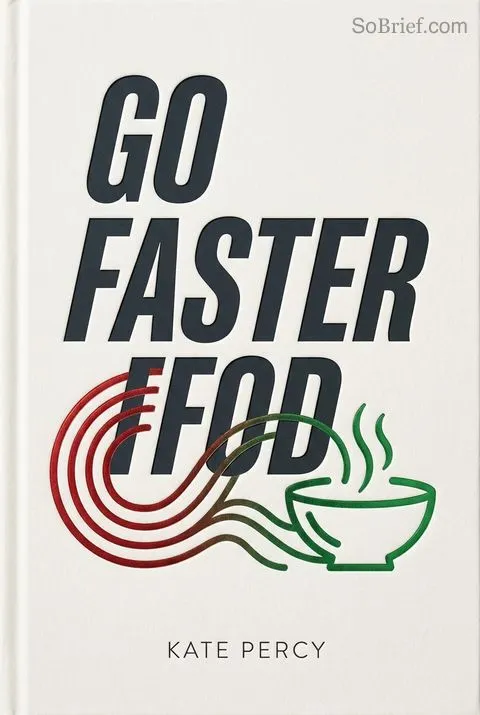
Go Faster Food has received positive reviews from readers, with an overall rating of 4.00 out of 5 stars based on 12 reviews on Goodreads. One reader gave it a perfect 5-star rating, describing it as one of their favorite cookbooks and praising it as excellent. The high rating and positive feedback suggest that the book is well-received by its audience, who find value in its content and recipes.
Download PDF
Download EPUB
.epub digital book format is ideal for reading ebooks on phones, tablets, and e-readers.








































