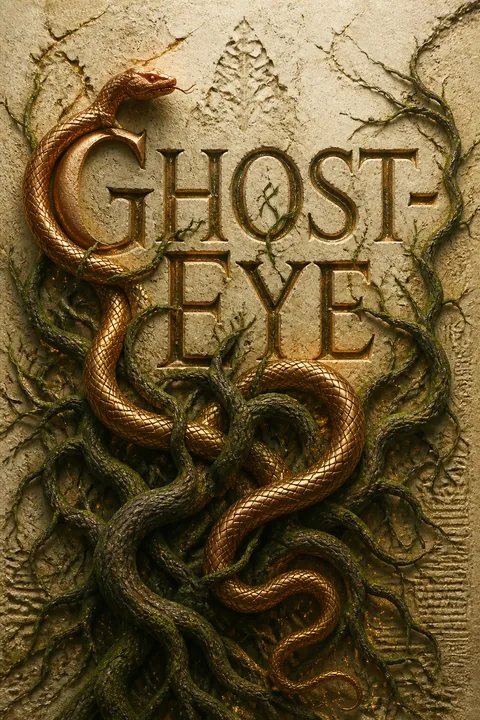

Plot Summary
Calcutta's Hidden Storm
In 1969, the Gupta family's privileged life in Calcutta is upended not by the political unrest or distant riots, but by a strange event within their own home. Three-year-old Varsha, daughter of Abhay and Dipika, suddenly refuses her vegetarian meal and demands rice and fish—foods forbidden in their strictly vegetarian, Jain-influenced household. Her insistence is fierce and inexplicable, especially since she has never tasted fish. The family's confusion deepens when Varsha claims her real mother is someone named Jhorna, who lives by a river. This outburst, echoing with adult intensity, unsettles the entire household, exposing cracks in their carefully maintained order and hinting at deeper mysteries lurking beneath the surface of their everyday lives.
The Fish Craving
Varsha's refusal to eat anything but fish escalates into a hunger strike, alarming her family and staff. Her ayah and relatives are interrogated, but no one can explain her knowledge of fish or her vivid memories of a mud house by a river. The patriarch, HH Gupta, tries to reason with her, but Varsha insists she lived another life, catching and cooking fish with her mother. The family's anxiety grows, especially as Varsha points to birthmarks on her ribs, claiming they are from a snakebite that killed her in her previous life. The family's trusted pediatrician, Dr. Monty Bose, is called in, but he finds no physical illness—only a psychological enigma that challenges the boundaries of science and belief.
Varsha's Other Life
Dr. Monty Bose refers the Guptas to his wife, Shoma, a psychologist with experience in cases of children recalling past lives. Shoma, herself shaped by a childhood split between modest means and her childless aunt's more liberal, Americanized home, is intrigued by Varsha's case. She recognizes patterns familiar from her work with Dr. Catherine Booth, an American expert on "cases of the reincarnation type." Shoma's own memories of Calcutta's darkness and uncertainty—echoed in the city's political turmoil and frequent blackouts—prepare her to approach Varsha's story with empathy and curiosity, even as the world outside seems to teeter on the edge of crisis.
Shoma's Investigation
Shoma visits the Guptas, carefully interviewing Varsha and her family. She observes Varsha's linguistic shifts, her use of rural Bengali dialect, and her detailed descriptions of a life by the river, catching fish and cooking for village celebrations. Shoma's clinical notes reveal her growing conviction that Varsha's memories are not mere fantasy. She designs a test: a meal of various fish, prepared in secret and served outside the Gupta home, to see if Varsha can identify them by taste alone. The results astonish Shoma—Varsha's knowledge is precise, her reactions visceral, as if her body remembers what her mind cannot fully explain.
Ghosts, Science, and Skepticism
Shoma and Monty debate the limits of scientific explanation. Monty, ever the skeptic, suspects someone has secretly fed Varsha fish, but Shoma points to the impossibility of such training in a strictly vegetarian household. Their conversations, enriched by memories of their time in America and their friendship with Dr. Booth, explore the boundaries between empirical evidence and the mysteries of consciousness. The story of Dev, their Burmese driver with his own ghostly connections, and the strange events at Tavoy—their home—add layers of uncanny resonance, suggesting that the world is more porous and interconnected than reason alone can grasp.
The Past Returns
With the Guptas' reluctant permission, Shoma arranges a trip to Lusibari, a remote island in the Sundarban delta, accompanied by Varsha, her father, and a local guide. As they travel through the mangrove labyrinth, Varsha's memories intensify. She recognizes landmarks, recalls names, and grows increasingly anxious as they approach the site of her former home. The journey is both physical and psychological, a return to a place where the boundaries between past and present, life and death, are blurred by the tides and the ever-present threat of flood and violence.
The Ties That Bind
In Lusibari, the group learns the tragic story of Isha Mondal—Varsha's previous incarnation—a gifted fisherwoman and cook, daughter of a snake-catcher and an Adivasi mother. Isha and her mother were murdered by local gangsters after refusing to sell their land, sacred to Manasa Devi, the snake goddess. The pond and house were swept away by a flood soon after, and the site remains cursed, unable to sustain new life. Varsha's grief is overwhelming, but the journey brings a measure of closure, as the living and the dead are briefly reunited through memory, ritual, and the taste of home.
Pandemic Shadows
Decades later, the narrator—Dinu, Shoma's nephew—finds himself in Brooklyn during the Covid-19 pandemic, haunted by memories of Calcutta and the unresolved mysteries of his childhood. As he cares for his aging aunt Shoma from afar, he is drawn into a web of connections spanning continents and generations. The pandemic's darkness, the climate crisis, and the resurgence of old traumas mirror the personal and collective hauntings that have shaped his life. The past is never truly past; it returns in dreams, in the longing for lost places, and in the urgent need to heal old wounds.
The Ghost-Eye Network
Tipu, a young activist from the Sundarban, reaches out to Dinu, seeking information about Shoma's work and the mysterious "Case J." Tipu and his partner Rafi are part of a global network of "ghost-eyes"—people with heightened sensitivity to the unseen, the ancestral, and the ecological. They believe that unlocking the secrets of Varsha's story may hold the key to surviving the coming catastrophes. As they digitize archives and trace connections between past and present, they prepare for a new kind of struggle—one that blends activism, spirituality, and the wisdom of the land.
The Test of Memory
Dinu, now in New York, undertakes the challenge of recreating the Bengali fish dishes that once awakened Varsha's memories. With help from friends, YouTube cooks, and immigrant food networks, he sources invasive Asian fish species and painstakingly learns traditional techniques. The act of cooking becomes a ritual of remembrance and transformation, a way to bridge the gap between worlds. When Varsha—now a reclusive Wall Street legend—agrees to a final test, the meal they share unlocks a flood of memories, confirming the reality of her past life and the enduring power of embodied knowledge.
The Journey to Lusibari
The narrative circles back to Lusibari, where the sacred and the profane, the ecological and the spiritual, converge. The site of Isha's death and the ruined temple of Manasa Devi become the focus of a new struggle, as activists, scientists, and devotees unite to protect the land from corporate exploitation. The appearance of whales, tigers, and other omens signals a moment of crisis and possibility. The boundaries between human and nonhuman, past and future, are dissolved in a collective act of witnessing and remembrance.
The Flooded Past
The story of Varsha/Isha is finally pieced together through interviews, archival research, and the testimony of those who knew her. The trauma of violence, loss, and displacement is acknowledged, but so too is the resilience of memory and the possibility of healing. The sacred spring, the recurring floods, and the persistence of the goddess's presence all point to a world in which the past is never fully erased, and where the work of restoration is ongoing. The circle closes as Dinu and Varsha, both haunted and transformed by their journeys, find themselves reunited in a new life.
The Power of Taste
The climactic meal between Dinu and Varsha becomes a ritual of recognition and acceptance. Through the act of eating, Varsha's body remembers what her mind had suppressed, and the boundaries between self and other, past and present, dissolve. The meal is both a test and a healing, a way to honor the dead and reclaim the living. It is also a model for resistance—a reminder that survival depends on remembering who we are, where we come from, and what we owe to the land and to each other.
The Apparition's Message
As the struggle to protect the Sundarban intensifies, Varsha and the ghost-eye network orchestrate a collective "irruption"—an apparition that galvanizes thousands and halts the corporate project. The event is both miraculous and deeply rooted in the land's history, drawing on the power of myth, ritual, and collective action. The boundaries between worlds are breached, and a new sense of possibility emerges. The story ends with a call to global awakening, as the lessons of Lusibari and the Sundarban are carried outward to a world in desperate need of healing and transformation.
The Sacred Spring
The legal battle over the sacred spring becomes a focal point for debates about the rights of nature, the limits of science, and the power of belief. Competing experts, activists, and skeptics vie for control of the narrative, but the land itself asserts its agency through floods, animal visitations, and the persistence of the spring. The struggle is not just for territory, but for the soul of the world—a contest between extractive modernity and the ancient, living presence of the earth.
The Global Awakening
The success of the Sundarban irruption inspires a global movement, as ghost-eyes and activists around the world prepare for International Apparitions Day. The story's scope expands, linking the personal and the planetary, the ancestral and the emergent. The lessons of Varsha's journey—embodied memory, ecological wisdom, and the power of collective ritual—become tools for survival and resistance in an age of crisis. The narrative ends with a sense of hope, grounded in the recognition that the world is alive, interconnected, and capable of renewal.
The Final Meal
The last meal shared by Dinu and Varsha is both an ending and a beginning—a moment of closure for old wounds and the opening of new possibilities. Through taste, touch, and memory, they reclaim their shared past and look toward a future in which the boundaries between worlds are porous and the work of healing is ongoing. The story closes with the promise of new stories to be told, new circles to be completed, and new worlds to be born.
The Circle Closes
In the aftermath of revelation and reunion, Dinu and Varsha find themselves changed—haunted, yes, but also healed. The ghosts of the past are acknowledged, their lessons integrated into the fabric of daily life. The work of restoration continues, not as a solitary quest, but as a collective endeavor, rooted in memory, ritual, and the enduring power of love. The circle closes, but the story goes on, carried forward by those who remember and those who are yet to come.
Analysis
Ghost-Eye is a profound meditation on memory, trauma, and the porous boundaries between worlds—personal, ancestral, and planetary. Through the intertwined stories of Varsha/Isha, Dinu, and their extended networks, Amitav Ghosh explores how the past persists in the body, in taste, in ritual, and in the land itself. The novel challenges the supremacy of rational, scientific worldviews, insisting on the reality of the uncanny, the sacred, and the ecological. It suggests that healing—personal and collective—requires not only the acknowledgment of trauma but also the reclamation of embodied knowledge and the restoration of broken relationships with the land, the ancestors, and the more-than-human world. The narrative's use of food, ritual, and collective action as vehicles for transformation offers a model for resistance in an age of crisis, reminding us that survival depends on remembering who we are, where we come from, and what we owe to each other and to the earth. Ultimately, Ghost-Eye is a call to global awakening, urging us to honor the ghosts of the past, to listen to the wisdom of the land, and to imagine new worlds into being.
Review Summary
Characters
Varsha Gupta / Isha Mondal / Monsoon Abhayaputri
Varsha is the central figure whose inexplicable craving for fish as a child reveals her as the reincarnation of Isha Mondal, a fisherwoman from the Sundarban. Her journey is one of trauma, loss, and eventual healing, as she navigates the complexities of memory, identity, and belonging. As an adult, she becomes a reclusive financial legend, hiding from her past until a final meal awakens her embodied memories. Varsha's character embodies the tension between modernity and tradition, science and spirituality, and the enduring power of the land and the ancestors. Her development is marked by cycles of denial, revelation, and acceptance, culminating in her role as a catalyst for collective awakening and resistance.
Dinanath "Dinu" Datta
Dinu is the story's narrator and emotional anchor, whose own childhood is marked by mysterious episodes and a deep connection to his aunt Shoma. As an adult, he becomes the custodian of memory, archives, and ritual, drawn into the mysteries of Varsha's past and the global struggles of the present. Dinu's psychological journey is one of self-discovery, as he confronts the ghosts of his own past, the traumas of loss and exile, and the responsibilities of bearing witness. His relationships—with Shoma, Varsha, Tipu, and others—are characterized by empathy, skepticism, and a growing openness to the unseen and the uncanny.
Shoma Bose
Shoma is a psychologist, Dinu's aunt, and a central figure in unraveling Varsha's mystery. Her life is shaped by a commitment to science, empathy, and the healing of trauma. Shoma's psychoanalytic insight, combined with her openness to the uncanny, allows her to navigate the boundaries between reason and belief. Her relationships—with Monty, Dinu, Varsha, and her own memories—are marked by tenderness, curiosity, and a willingness to confront the unknown. In her final years, she becomes a guardian of memory and a guide for those seeking to heal the wounds of the past.
Dr. Monty Bose
Monty is Shoma's husband, a pediatrician whose initial skepticism about Varsha's case gives way to a grudging acceptance of the limits of science. His relationship with Shoma is one of intellectual partnership and mutual respect, even as they debate the boundaries of knowledge. Monty's development mirrors the story's broader themes: the need to balance reason with wonder, and the recognition that some mysteries cannot be solved, only witnessed.
Tipu
Tipu is a young activist from the Sundarban, whose journey from orphaned trickster to global networker embodies the story's themes of survival, resistance, and transformation. As a member of the ghost-eye network, Tipu bridges the worlds of activism, spirituality, and ecological wisdom. His relationship with Dinu is marked by playful provocation, deep empathy, and a shared commitment to healing the world. Tipu's psychological complexity—his anger, resilience, and longing for belonging—makes him both a disruptor and a healer.
Abhay Gupta
Abhay is Varsha's father, whose openness and empathy allow him to support his daughter through her crisis. His relationship with Varsha is marked by deep love and understanding, in contrast to the rigidity of the rest of the Gupta family. Abhay's tragic death marks a turning point in the story, triggering Varsha's psychological collapse and the suppression of her memories. His legacy endures in Varsha's longing and in the photographs that become a key to her healing.
Dipika Gupta
Dipika is Varsha's mother, whose strict adherence to tradition and fear of the unknown make her both a protector and an obstacle. Her psychological struggle is one of denial, anxiety, and eventual resignation, as she grapples with the loss of her husband and the mysteries of her daughter's past. Dipika's dreams and visions connect her to the deeper currents of the story, even as she seeks to suppress them.
Dev Thapa
Dev is the Bose family's driver, a Burmese-Nepali refugee with his own connections to the spirit world. His relationship with Dinu and Shoma is one of loyalty, care, and quiet wisdom. As a medium for the Shindaw Nat, Dev bridges the worlds of the living and the dead, the human and the nonhuman. His psychological resilience, shaped by trauma and displacement, makes him a key figure in the story's unfolding mysteries.
Piya
Piya is a friend and confidante of Dinu, whose work in the Sundarban connects the story's ecological and spiritual themes. Her commitment to conservation, education, and the rights of nature makes her a model of engaged, embodied knowledge. Piya's relationships—with Tipu, Dinu, and the land—are marked by care, responsibility, and a willingness to confront the limits of science.
Catherine Booth
Dr. Booth is an American psychologist whose research on reincarnation and metempsychosis provides a framework for understanding Varsha's case. Her relationship with Shoma is one of intellectual partnership and mutual respect, even as they navigate the skepticism of their peers. Dr. Booth's presence in the story highlights the global dimensions of the search for meaning and the enduring power of the uncanny.
Plot Devices
Reincarnation and Embodied Memory
The central plot device is the phenomenon of children recalling past lives, particularly through embodied memory—taste, language, and sensory experience. This device allows the story to explore the persistence of trauma, the transmission of knowledge across generations, and the porous boundaries between self and other. The use of food as a trigger for memory grounds the supernatural in the everyday, making the uncanny both intimate and believable.
The Test Meal
The repeated motif of the test meal—first with Varsha as a child, later as an adult—serves as both a narrative hinge and a symbolic ritual. The meal is a test of truth, a healing of wounds, and a reenactment of ancestral knowledge. It is through taste and touch that the past is reclaimed and the circle of memory is closed.
The Ghost-Eye Network
The introduction of the ghost-eye network—a group of people with heightened sensitivity to the unseen—expands the story's scope from the personal to the planetary. This device allows for the blending of activism, spirituality, and ecological wisdom, and provides a framework for collective action in the face of crisis.
Apparitions and Irruptions
The story's climactic moments are marked by apparitions—visions, omens, and irruptions that breach the boundaries between worlds. These events serve as both narrative turning points and metaphors for the possibility of transformation, resistance, and renewal. The use of foreshadowing, dreams, and synchronicity weaves together the personal and the collective, the past and the future.
Archival Research and Testimony
The narrative structure relies on the discovery and interpretation of case files, letters, and oral testimony. This device allows for multiple perspectives, the layering of time, and the gradual revelation of hidden truths. The act of research becomes a form of ritual, a way to honor the dead and reclaim the living.
Pandemic and Ecological Crisis
The backdrop of the Covid-19 pandemic and the climate crisis provides a contemporary resonance for the story's themes of loss, exile, and survival. The use of real-world events grounds the supernatural in the everyday, making the story's lessons urgent and relevant.
About the Author

Download PDF
Download EPUB
.epub digital book format is ideal for reading ebooks on phones, tablets, and e-readers.








































