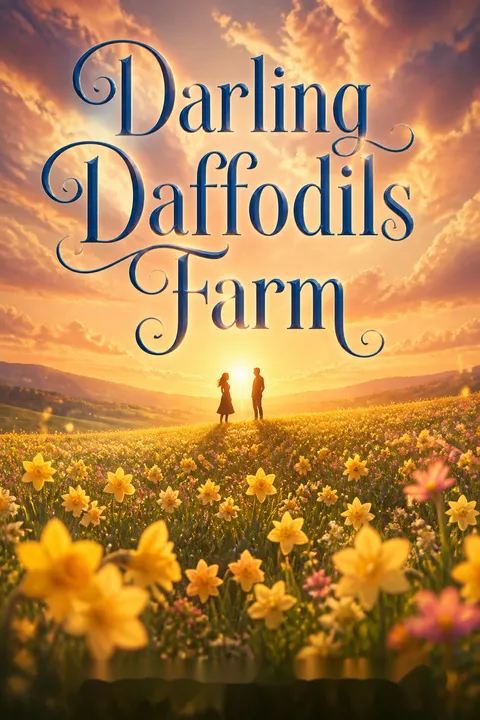

Plot Summary
Homecoming and Hidden Grief
Tally Darling, a restless baker, is summoned home to her family's flower farm in Hope Harbor, New England, after her father's death. The town is unchanged, but Tally is not. She's torn between her dreams of culinary school and the weight of family expectations. Her mother, Gail, is struggling, her sister Penny is reeling from a broken engagement, and the farm is in disarray. Tally's return is bittersweet—she aches for her father, feels out of place, and is immediately swept into the chaos of preparing for the annual Daffodil Festival. The town's warmth is both comforting and suffocating, and Tally hides her longing to stay behind a mask of sarcasm and independence, not yet ready to reveal her true heart.
The Stranger in My Room
Tally's homecoming takes a shocking turn when she discovers a brooding, half-naked stranger—Walker—in her childhood bedroom. Their awkward, charged encounter sets the tone for their relationship: defensive, combative, and undeniably magnetic. Walker, hired by Tally's late father to help with the farm, now lives in the main house while Gail has retreated to a cottage. Tally's confusion and resentment grow as she realizes how much has changed in her absence. The family's grief is palpable, and Walker's presence is a constant reminder of all she's missed. Yet, beneath the tension, a spark ignites—a promise of something neither of them is ready to name.
Unwelcome Arrangements
Tally and Penny confront their mother's choices: why is Walker living in their home, and why has their mother seemingly handed over control of the farm? Tally's guilt for leaving is compounded by the realization that her father had to hire a stranger to keep the business afloat. Walker's gruffness masks his own wounds and sense of duty, especially toward his sister Billie and nephew Quinn, who he hopes will find a home on the farm. The sisters' dynamic is tested as they navigate old resentments and new responsibilities, all while the town's gossip mill churns. Tally's desire to help is at odds with her fear of being trapped by the very place she loves.
Small Town, Big Secrets
As Tally reconnects with her best friend Rosie and the town's quirky residents, she's drawn into the web of Hope Harbor's traditions and secrets. The Liberty Ladies, the town's matriarchs, keep a watchful eye on her, while Walker's reputation as a silent, capable outsider grows. Tally's suspicions about Walker's motives intensify, especially as she uncovers hints of financial trouble and hears rumors about the farm's future. The town's group chat buzzes with speculation, and Tally feels both scrutinized and supported. Amidst the festival preparations, she begins to see that everyone is hiding something—herself included.
The Farm's New Reality
Walker's methods on the farm—covering tulip beds, strict routines, and a refusal to let Tally help—frustrate her. She's relegated to menial tasks, feeling useless and excluded from the work that once bonded her to her father. Walker's silence is both a shield and a challenge, and Tally's determination to prove herself only deepens their conflict. Meanwhile, Billie and Quinn's presence on the farm offers glimpses of the found family Walker craves. Tally's longing for connection wars with her pride, and the farm becomes a battleground for control, healing, and belonging.
Chores, Challenges, and Clashes
Forced to work together, Tally and Walker clash over everything from chores to the future of the farm. Their banter is laced with unresolved grief and simmering attraction. Tally's attempts to uncover Walker's secrets lead to a series of comic and poignant misadventures, from counting daffodils to cleaning cottages. The town's involvement—whether through unsolicited advice or group chat antics—adds to the chaos. Yet, in moments of vulnerability, Tally glimpses the pain and loyalty beneath Walker's gruff exterior, and Walker sees the passion and longing behind Tally's bravado.
Misdirected Suspicions
Tally and Penny, convinced Walker is sabotaging the farm for personal gain, enlist Rosie's help to investigate. A mysterious letter offering to buy the farm deepens their suspicions. In a misguided attempt to "save" the farm, Tally orchestrates the removal of the tulip tarps with the town's help, inadvertently jeopardizing the wedding season. The fallout is immediate: Walker and Gail are devastated, and Tally is wracked with guilt. The truth is more complicated than she imagined, and her actions force a reckoning with her own fears and the consequences of mistrust.
The Truth About Walker
In the aftermath of the tulip disaster, Tally and Walker finally confront each other's truths. Tally admits her insecurities and guilt over leaving, while Walker reveals his own painful past and the real reasons he stayed on the farm. Their shared vulnerability breaks down the walls between them, leading to a tentative truce and the beginnings of something deeper. Tally's resolve to help is renewed, and Walker, moved by her sincerity, allows her into his world. Together, they begin to envision a future where both their dreams might coexist.
Festival Preparations and Friction
As the Daffodil Festival approaches, the farm becomes a hive of activity. The town rallies to help, and Tally's baking becomes a local sensation. Viral social media posts featuring Walker as the "cowboy" draw crowds and new business. Amidst the bustle, Tally and Walker's relationship deepens, shifting from rivalry to partnership. Yet, the pressures of the festival, unresolved family tensions, and the looming threat of financial ruin keep everyone on edge. The festival is both a celebration and a crucible, testing the bonds of family, friendship, and love.
The Great Deflowering
Tally's well-intentioned but disastrous decision to uncover the tulips threatens the farm's future. The fallout forces her to confront her own limitations and the reality of her family's struggles. Walker, though hurt, offers forgiveness and a path forward. Their shared efforts to repair the damage—both to the farm and to each other—mark a turning point. The community's support, the rekindling of family bonds, and the slow rebuilding of trust lay the groundwork for healing. Tally begins to see that her place in Hope Harbor is not a burden, but a choice.
Baking, Bonding, and Betrayal
Tally's baking becomes a symbol of her growth and her connection to the farm. As her cupcakes and cakes gain local fame, she's offered the chance to take over the old bakery. The prospect of a new dream—one rooted in Hope Harbor—competes with her plans to leave for Nantucket. Meanwhile, secrets about the farm's finances and ownership come to light, threatening to unravel everything. Tally must decide whether to run from her fears or fight for the life she truly wants. Walker's steadfast support and the town's encouragement give her the courage to choose.
The Wildflower Meadow
The wildflower meadow, once a place of childhood escape, becomes the setting for Tally and Walker's most intimate moments. Here, they confess their love, confront their grief, and imagine a future together. The meadow, threatened by the need to sell land to save the farm, symbolizes both the fragility and resilience of their dreams. Tally's decision to stay, to build a life with Walker and her family, is both an act of surrender and of strength. Together, they reclaim the farm—not as a relic of the past, but as a foundation for new beginnings.
Family, Found and Forged
As Walker's sister Billie and nephew Quinn settle into the farm, the lines between blood and chosen family blur. Gail, Penny, Rosie, and the Liberty Ladies form a support network that sustains everyone through hardship and celebration. Tally and Walker's relationship, once secret and fraught, becomes a source of joy and stability. The farm, once a site of loss and conflict, is transformed into a place of belonging. Through shared work, laughter, and vulnerability, the characters forge a new family—one defined by love, acceptance, and the willingness to dream together.
Viral Cowboy, Viral Dreams
The farm's viral success brings unexpected opportunities and challenges. Tally's baking business takes off, and the prospect of reopening Mabel's Bakery becomes real. Walker's reluctant celebrity as the "viral cowboy" draws attention—and pressure—to the farm. The influx of business offers hope for financial stability, but also forces Tally and Walker to confront their fears about change, commitment, and the future. The town's support is unwavering, and the couple learns that chasing dreams is less about perfection and more about community, resilience, and love.
The Wedding Cake Crisis
When a wedding cake catastrophe threatens the farm's most important event, Tally is thrust into the spotlight. With Walker's encouragement and the town's help, she rises to the challenge, creating a showstopping cake that cements her reputation as a baker and saves the day. The crisis becomes a catalyst for Tally's self-belief and for the community's recognition of her talent. The event marks a turning point: Tally is no longer the girl who ran away, but the woman who chooses to stay, to build, and to love.
Secrets, Sacrifice, and Surrender
The truth about the farm's ownership, the looming foreclosure, and the sacrifices made by Tally's father and Walker come to light. Tally is devastated by the secrets kept from her, but ultimately understands the love and fear that motivated them. Walker's willingness to sell the wildflower meadow to save the farm—and his insistence on sharing ownership with Tally, Penny, Gail, and Billie—demonstrates his commitment to family and community. Tally's decision to stay, to open the bakery, and to build a life with Walker is an act of surrender to love, hope, and the messy beauty of home.
The Bakery Reborn
With the town's help, Tally reopens Mabel's Bakery as Whisk and Wildflowers, fulfilling her childhood dream. The bakery becomes a symbol of renewal, resilience, and the power of community. Tally's cakes and cupcakes are in high demand, and her business flourishes. The farm, now secure and thriving, is home to a blended family and a network of friends. Tally and Walker's love story, once fraught with obstacles, is now a testament to the courage it takes to choose happiness, to forgive, and to believe in second chances.
Choosing Hope Harbor
As spring turns to summer, Tally and Walker's relationship is celebrated by the town at the Spring Fling. Walker is crowned Daffodil King (grand marshal), and Tally's bakery is the toast of Hope Harbor. Surrounded by family, friends, and the community that once felt like a cage, Tally realizes she is exactly where she belongs. The farm, the bakery, and the wildflower meadow are no longer symbols of loss, but of hope, love, and the promise of new beginnings. Together, Tally and Walker face the future—uncertain, imperfect, and utterly theirs.
The Spring Fling and New Beginnings
The novel concludes with the Spring Fling, a celebration of community, love, and dreams realized. Tally and Walker, now openly together, are embraced by the town. The farm is secure, the bakery is thriving, and the family—both born and found—is stronger than ever. The wildflower meadow, once threatened, is now protected for generations to come. Tally's journey from restless wanderer to rooted dreamer is complete, and Walker's transformation from guarded outsider to beloved partner is celebrated. In Hope Harbor, amidst daffodils and wildflowers, they find not just a home, but a future.
Analysis
A modern romance about grief, belonging, and the courage to choose joyDarling Daffodils Farm is more than a small-town romance; it's a meditation on the messy, beautiful process of healing after loss and the bravery required to build a life worth living. Through Tally and Walker's intertwined journeys, Brittanee Nicole explores how grief can isolate or unite, how secrets can wound or protect, and how dreams—once deferred—can be reclaimed and reimagined. The novel's humor, warmth, and emotional honesty invite readers to reflect on their own definitions of home, family, and fulfillment. At its heart, the story insists that happiness is not found in perfection or escape, but in the willingness to stay, to forgive, and to risk loving again. The lessons are clear: it's never selfish to chase your dreams, vulnerability is a strength, and the truest home is the one you choose, again and again, with open hands and an open heart.
People Also Read




Characters
Tally Darling
Tally is the heart of the story—a passionate, witty, and fiercely independent woman haunted by grief and guilt over her father's death. Her love for baking is both an escape and a calling, but she's long convinced herself she doesn't belong in Hope Harbor. Tally's journey is one of self-acceptance: learning to forgive herself, to trust others, and to believe she deserves happiness. Her relationship with Walker is transformative, forcing her to confront her fears of commitment and vulnerability. Through loss, mistakes, and love, Tally evolves from a runaway to a rooted dreamer, choosing family, community, and a future she never dared imagine.
Jesse Walker
Walker is a man shaped by hardship—abandonment, poverty, and the loss of his own dreams. Hired by Tally's father to save the farm, he becomes both its steward and its secret owner. Walker's gruff exterior hides a deep well of loyalty, tenderness, and longing for belonging. His devotion to his sister Billie and nephew Quinn reveals his capacity for self-sacrifice, while his slow-burning romance with Tally exposes his vulnerability. Walker's arc is one of healing: learning to trust, to ask for help, and to believe he is worthy of love and happiness. His willingness to share the farm and his heart is the ultimate act of surrender.
Gail Darling
Gail is the emotional anchor of the Darling family, struggling to hold everything together after her husband's death. Her decision to move out of the main house and cede control to Walker is both a retreat and a survival strategy. Gail's love for her daughters is fierce, but her fear of burdening them leads to secrecy and distance. Through the course of the novel, Gail learns to let go, to trust her daughters, and to accept help. Her journey mirrors Tally's: from isolation to connection, from grief to hope.
Penny Darling
Penny is Tally's older sister, owner of the town's romance bookstore and a pillar of the community. Her recent heartbreak and her struggle to support her family reveal her vulnerability beneath a calm exterior. Penny's relationship with Tally is complex—marked by rivalry, resentment, and deep love. She is both Tally's confidante and her foil, embodying the stability and rootedness Tally fears. Penny's arc is one of rediscovery: reclaiming her own dreams, opening herself to new love, and forging a stronger bond with her sister.
Rosie
Rosie is the vibrant, irreverent owner of the local brewery and Tally's lifelong friend. She provides comic relief, tough love, and unwavering support. Rosie's own journey—building a business, navigating complicated feelings for the mayor, and championing Tally's dreams—mirrors the novel's themes of resilience and reinvention. She is the glue that holds the friend group together, embodying the spirit of Hope Harbor: generous, nosy, and fiercely loyal.
Billie Walker
Billie is Walker's younger sister, raising her son Quinn alone after a difficult past. Her move to the farm is both a leap of faith and an act of self-preservation. Billie's relationship with Walker is tender and fraught, shaped by shared trauma and mutual dependence. Her integration into the Darling family and the town represents the novel's message of found family and second chances. Billie's quiet strength and willingness to accept help inspire both Walker and Tally.
Quinn
Quinn, Billie's young son, is a source of light and laughter. His presence on the farm brings out the best in the adults around him, reminding them of the importance of play, wonder, and unconditional love. Quinn's bond with Tally and Walker helps heal old wounds and forges new connections, embodying the possibility of a brighter future.
The Liberty Ladies (Rayna, Babs, Ruby, Mindy)
The Liberty Ladies are the self-appointed keepers of Hope Harbor's history and gossip. Their meddling is both a source of frustration and comfort for the main characters. They represent the town's collective memory, its capacity for both judgment and generosity. Through book clubs, festivals, and unsolicited advice, they push Tally and Walker toward growth, healing, and community.
Eli Davis
Eli, a former NHL player and local celebrity, is both a friend and a foil to Walker. His easygoing nature, flirtatious banter, and willingness to help make him a beloved figure in town. Eli's presence challenges Walker to open up, to accept friendship, and to embrace the messiness of community life.
Fletcher Matthews
Fletcher is the town's affable mayor, raising his deaf son Henry alone after his wife's death. His leadership, kindness, and quiet grief mirror the novel's themes of resilience and renewal. Fletcher's friendship with Walker and Rosie, and his role in saving the wildflower meadow, underscore the power of collective action and the importance of chosen family.
Plot Devices
Dual Protagonist Perspective
The novel alternates between Tally and Walker's points of view, allowing readers to experience their private struggles, desires, and transformations. This structure deepens empathy, heightens romantic tension, and underscores the theme of miscommunication—showing how two wounded people can misread each other, yet ultimately find common ground.
Small Town as Character
The town is more than a backdrop; it is an active force in the story. Its traditions, gossip, and communal rituals both constrain and liberate the characters. The group chat, festivals, and Liberty Ladies serve as narrative devices to inject humor, foreshadow conflict, and facilitate resolution. The town's collective action—rallying to save the farm, support the bakery, and crown Walker Daffodil King—demonstrates the power of community.
Secrets and Revelations
The plot is propelled by secrets: the true state of the farm's finances, the ownership arrangement, Tally's dreams, Walker's past, and Gail's grief. These secrets create tension, misunderstandings, and moments of betrayal. Their eventual revelation is both painful and liberating, forcing characters to confront their fears, forgive each other, and choose vulnerability over pride.
Symbolism of Flowers and Baking
Flowers—especially wildflowers and daffodils—symbolize resilience, hope, and the beauty that emerges from hardship. Baking represents creativity, nurturing, and the possibility of transformation. Tally's journey from reluctant farmhand to celebrated baker mirrors the farm's revival and the community's healing. The wildflower meadow, threatened and then saved, becomes a metaphor for the characters' capacity to endure, adapt, and flourish.
Found Family and Chosen Home
The blending of the Darling and Walker families, the inclusion of friends and townsfolk, and the reclamation of the farm as a shared home all reinforce the novel's central message: family is not just blood, but the people who show up, forgive, and dream together. The resolution—shared ownership of the farm, the reopening of the bakery, and the protection of the wildflower meadow—embodies the triumph of love, community, and hope.





Download PDF
Download EPUB
.epub digital book format is ideal for reading ebooks on phones, tablets, and e-readers.








































