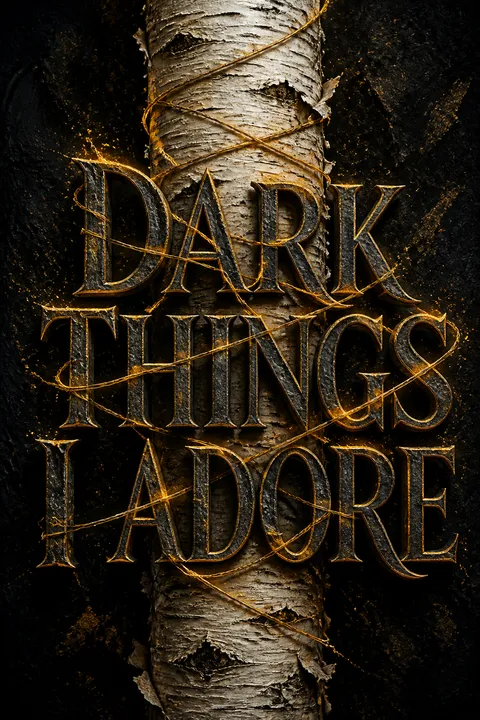
Plot Summary
Prologue: The Invitation
Audra Colfax, a talented art student, waits outside a lecture hall for her professor, Max Durant, at the Boston Institute for the Visual Arts. The air is thick with anticipation and tension—Max is a renowned but fading artist, and Audra is his enigmatic protégé. Their relationship is charged, both professionally and personally, as Audra invites Max to her remote home in Maine for a weekend. The invitation is laced with unspoken motives, and as faculty gossip swirls, Audra's internal monologue reveals a simmering plan. The prologue sets the tone: a story of obsession, power, and the dark undercurrents that run beneath mentorship and artistic ambition. The reader senses that this meeting is not just about art, but about secrets, revenge, and the reckoning of past sins.
Arrival in the Wilds
Max and Audra drive north into the Maine wilderness, the landscape both beautiful and foreboding. Max is both excited and unsettled, haunted by memories of his youth spent in this region—memories he keeps hidden from Audra. Their dynamic is fraught: Max sees Audra as a muse and a vessel for his own artistic legacy, while Audra remains cool, controlled, and unreadable. A stop at a local trading post introduces Lance, Audra's childhood friend, and hints at the tangled relationships and histories that bind the characters. Max's purchase of an expensive knife becomes a symbol of his need for control and foreshadows violence. The wild setting amplifies the sense of isolation and the potential for old wounds to resurface.
The Mentor's Shadow
As Max settles into Audra's home, the psychological games intensify. Audra's hospitality is meticulous, yet her emotional distance unsettles Max. He is desperate to break through her reserve, to possess her both as an artist and as a woman, but she remains elusive. Their conversations are layered with double meanings, and Max's ego and insecurity begin to surface. Audra's home is filled with carefully curated art and objects, each with its own story and significance. The presence of family heirlooms and Audra's paintings hint at a deeper history, one that Max cannot fully grasp. The chapter explores the shifting power dynamics between mentor and protégé, and the ways in which art can be both a gift and a weapon.
Lupine Valley's Secrets
Flashbacks introduce Lupine Valley, an arts collective in rural Maine where young artists gather to create, love, and compete. Through the eyes of Juniper, an instructor, we meet a cast of characters: Moss, the ambitious painter; Mantis, the brooding local; Coral (Cindy), the fragile and gifted cleaner; and others. The collective is a crucible of creativity and desire, but also a place where boundaries blur and darkness festers. Coral's struggles with mental illness, self-harm, and longing for escape are chronicled through her hidden notes and drawings. The collective's rituals, romances, and rivalries set the stage for a tragedy that will echo for decades. The secrets of Lupine Valley become the key to understanding the present.
The Chorus of Pain
The narrative weaves together the voices of the past and present, revealing how pain and trauma are transformed into art. Coral's notes—raw, poetic, and desperate—are embedded in Audra's thesis paintings, creating a chorus of women's voices that reach across time. The relationships among the Lupine Valley artists grow more intense and destructive, as Moss and Mantis vie for Coral's attention and influence. Juniper, the bystander, struggles with her own guilt and helplessness. The chapter explores the ways in which suffering is aestheticized, commodified, and perpetuated within artistic communities. The boundaries between muse and artist, victim and perpetrator, become increasingly blurred.
The Golden Thread
Audra's obsession with goldenrod—the color of her mother's favorite dress, the ribbons in the trees, the dominant hue in Max's breakthrough painting—emerges as a central motif. The golden thread connects past and present, mother and daughter, creation and destruction. Audra's investigation into her mother's life and death leads her to uncover the truth about Coral, Max, and Mantis. The chapter delves into questions of inheritance: what do we owe to those who came before us, and how do we carry their wounds and dreams? Audra's art becomes a means of both honoring and avenging her mother, as she prepares to confront the men who shaped her fate.
Confessions in the Clearing
In a pivotal flashback, Coral, Moss, and Mantis gather in a forest clearing and confess their darkest secrets: self-harm, murder, and the desire for greatness at any cost. The clearing becomes a site of covenant—a pact of silence and complicity that will have fatal consequences. The confessions bind the trio together, but also set in motion a chain of events that will lead to Coral's death. The chapter explores the psychology of confession, the burden of secrets, and the ways in which trauma is transmitted and transformed. The clearing, with its boulder and birch, becomes a haunted space, a stage for both artistic creation and destruction.
The Art of Destruction
Back in the present, Max's visit to Audra's studio becomes a crucible of jealousy and rage. Confronted with Audra's powerful thesis paintings—layered with Coral's notes and imagery—Max is both awed and threatened. His sense of obsolescence and failure erupts in violence: he destroys one of Audra's canvases, wielding a broken wine bottle like a weapon. The outburst is both a tantrum and a confession, revealing the depths of his insecurity and the destructiveness of his mentorship. Audra, shaken but resolute, documents the aftermath and steels herself for the final act of her plan. The chapter lays bare the costs of artistic ambition and the dangers of unchecked power.
The Devil in King City
Audra lures Max into the woods, retracing the steps of the past. The journey is both literal and symbolic: Max is hunted through the darkness, pursued by memories, guilt, and the specter of Coral. Along the path, he encounters notes, drawings, and tokens that force him to confront what he has done. The golden ribbons, the lantern, the knife—all become charged with meaning. The chapter is a fever dream of pursuit and revelation, as Max's carefully constructed identity unravels. The devil in King City is not just a person, but a legacy of violence and complicity that demands justice.
The Rope and the Birch
The clearing with the boulder and birch becomes the stage for the final confrontation. Audra reveals her true identity as Coral's daughter and lays out the evidence of Max's guilt. The rope, the birch, and the golden ribbons evoke both the scene of Coral's death and the materials of Audra's art. Max is given a choice: face public disgrace and the destruction of his legacy, or end his own life and preserve the myth of the great artist. The chapter is a meditation on justice, revenge, and the limits of forgiveness. The past and present converge in a moment of irreversible consequence.
Revelations and Reckonings
The aftermath of Max's death ripples through the community. Audra orchestrates the cover-up, aided by Lance, and ensures that the evidence points to suicide. The police investigation, the funeral, and the reactions of colleagues and friends are recounted with a mix of relief and sorrow. Audra reflects on the cost of vengeance and the burden of carrying her mother's story. The chapter also reveals the fate of Mantis, the other "M," who meets his own end in a hunting accident orchestrated by Audra and Lance. The reckoning is complete, but the scars remain.
The Final Bargain
Audra defends her thesis before President Switzer (Juniper), who recognizes the echoes of the past in Audra's work. The two women share an unspoken understanding: the cycle of complicity and silence continues, even as justice is served. Audra's art, layered with the voices and wounds of the women who came before her, becomes both a memorial and a warning. The final bargain is struck: the truth will remain buried, but the legacy of pain and resilience endures. The chapter is both an ending and a beginning, as Audra prepares to move forward.
Aftermath and Ascension
In the epilogue, Audra (now Evie) reflects on the events that have shaped her life. She finds solace in the landscape of Maine, the love of Lance, and the act of creation. The birch tree is cut down, the clearing reclaimed, and the last remnants of the past are laid to rest. Audra keeps her mother's notes and drawings as a testament to survival and transformation. The story ends with a sense of hard-won peace and the hope that art can outlast even the darkest things we adore.
Epilogue: Happily Eveline After
Audra, now living as Evie, finds herself drifting on Moosehead Lake, finally unburdened by the ghosts of her past. The cycle of violence and silence has been broken, but the memory of her mother and the legacy of pain remain. With Lance by her side, Evie looks toward the future, determined to honor her mother's story and her own. The epilogue is a quiet affirmation of survival, resilience, and the enduring power of art to bear witness to the darkest things we adore.
Analysis
A modern gothic of art, trauma, and generational reckoningDark Things I Adore is a psychological thriller that interrogates the dark side of artistic genius, the legacy of abuse, and the ways in which trauma is transmitted across generations. Through its dual timelines and chorus of women's voices, the novel exposes the complicity of communities in enabling violence and the seductive power of silence. The story is a meditation on the costs of ambition, the dangers of unchecked mentorship, and the moral ambiguities of revenge. Audra's journey from protégé to avenger is both a personal and collective reckoning: she claims her mother's story, confronts the men who destroyed her, and breaks the cycle of complicity that allowed such violence to persist. The novel's use of art as both weapon and memorial underscores the enduring power of creation to bear witness, to heal, and to demand justice. In the end, Dark Things I Adore is a testament to the resilience of survivors, the necessity of confronting the past, and the hope that, even in the aftermath of darkness, something beautiful can endure.
Review Summary
People Also Read





Characters
Audra Colfax / Eveline Dunn
Audra is the brilliant, enigmatic art student whose invitation to her mentor, Max Durant, sets the story in motion. She is the daughter of Coral (Cindy) Dunn, a woman destroyed by the predations of Max and Mantis at Lupine Valley decades earlier. Audra's psychological complexity is rooted in her inheritance of both artistic talent and generational trauma. She is fiercely intelligent, emotionally guarded, and driven by a need for justice and closure. Her relationship with Max is a calculated performance, blending genuine artistic ambition with a cold, methodical plan for revenge. As the story unfolds, Audra's identity shifts—from protégé to avenger, from Audra to Evie—as she confronts the legacy of violence and silence that shaped her life. Her art becomes both a weapon and a memorial, layered with the voices and wounds of the women who came before her. In the end, Audra's journey is one of transformation: she breaks the cycle of complicity, claims her own story, and finds a measure of peace.
Max Durant
Max is a once-renowned painter and professor whose charisma masks deep insecurity, narcissism, and a history of exploiting his students and muses. His relationship with Audra is both predatory and desperate: he seeks to possess her talent, body, and legacy, even as he fears his own obsolescence. Max's psychological profile is marked by entitlement, jealousy, and a need to control and consume those around him. His past at Lupine Valley—where he and Mantis manipulated and destroyed Coral—returns to haunt him as Audra unravels his secrets. Max's unraveling is both psychological and literal: confronted with his crimes, he is forced to choose between disgrace and self-destruction. His legacy, built on the suffering of others, is ultimately exposed as hollow. Max is a study in the dangers of unchecked power, the corrosive effects of guilt, and the tragic consequences of refusing to reckon with the past.
Coral Dunn (Cindy)
Coral is the fragile, gifted young woman whose life and death are the hidden heart of the novel. Her struggles with mental illness, self-harm, and longing for escape are chronicled through her secret notes and drawings, which become the foundation of Audra's art. Coral is both victim and creator: she is manipulated by Max and Mantis, but also asserts her agency through her art and her final acts. Her relationship with Moss, Mantis, and the Lupine Valley community is marked by longing, betrayal, and complicity. Coral's legacy is both a warning and a testament to resilience: her voice, though silenced in life, endures through her daughter and the art that bears witness to her suffering. Coral's psychological portrait is one of vulnerability, creativity, and the desperate search for connection and meaning.
Mantis (Marcus Peters)
Mantis is the brooding, physically imposing local who becomes both confidant and tormentor to Coral. His own history is marked by violence: he killed his girlfriend Ashley in a supposed hunting accident, a secret he confesses in the clearing. Mantis's relationship with Coral is one of control, intimidation, and complicity—he encourages her self-destruction and ultimately orchestrates her death to protect his own secrets. Mantis is a study in the psychology of abusers: he rationalizes his actions, projects blame, and seeks to dominate those around him. His eventual death, orchestrated by Audra and Lance, is both retribution and the closing of a generational cycle of violence. Mantis embodies the dangers of unchecked power, the legacy of toxic masculinity, and the ways in which communities enable and excuse abuse.
Moss
Moss is the talented but insecure painter who becomes obsessed with Coral, both as a muse and as a means to artistic greatness. His relationship with Coral is marked by neediness, jealousy, and a willingness to exploit her pain for his own advancement. Moss is both a victim and a perpetrator: he is manipulated by Mantis, but also enables and perpetuates Coral's suffering. His complicity is rooted in his own ambition and insecurity—he needs Coral's pain to fuel his art, even as he claims to care for her. Moss's psychological arc is one of self-delusion, guilt, and ultimate impotence: he cannot save Coral, and his art is revealed as derivative and hollow. Moss represents the dangers of artistic narcissism and the moral cost of complicity.
Juniper (Jordana Switzer)
Juniper is the instructor at Lupine Valley who observes the unfolding tragedy but fails to intervene. Her role is that of the bystander: she sees the warning signs, senses the danger, but is paralyzed by uncertainty, fear, and the desire to belong. Juniper's psychological complexity lies in her guilt and regret—she is haunted by what she did not do, by the knowledge that her silence enabled the abuse and death of Coral. In the present, as President Switzer, she becomes Audra's thesis advisor and recognizes the echoes of the past in Audra's work. Juniper's arc is one of reckoning: she must confront her own complicity and decide whether to break the cycle of silence. Her relationship with Zephyr, her partner, offers a measure of redemption and hope.
Lance Peters
Lance is Audra's childhood friend and eventual lover, whose loyalty and love make him a crucial ally in her quest for justice. He is the nephew of Mantis and is drawn into Audra's plan to avenge her mother. Lance's psychological profile is marked by empathy, protectiveness, and a willingness to cross moral lines for the sake of those he loves. He helps Audra orchestrate the deaths of Max and Mantis, becoming both accomplice and witness. Lance represents the possibility of healing and connection, even in the aftermath of trauma. His relationship with Audra is a source of solace and renewal, offering a path forward beyond vengeance.
Zephyr
Zephyr is Juniper's partner and a former Lupine Valley artist, whose presence offers a counterpoint to the darkness of the main narrative. She is a source of warmth, creativity, and stability, helping Juniper navigate the aftermath of the tragedy. Zephyr's role is that of the healer: she encourages connection, self-care, and the possibility of redemption. Her relationship with Juniper is a testament to the enduring power of love and the hope for a better future.
Brady Bouchard
Brady is Coral's boyfriend and Audra's biological father, though his role in both their lives is marked by absence and impotence. He is unable to protect Coral from the forces that destroy her, and ultimately abandons Audra to be raised by her grandparents. Brady's psychological arc is one of avoidance, regret, and the failure to confront the past. He represents the collateral damage of generational trauma and the ways in which men are both perpetrators and victims of silence.
Old Gus (Rowan Augustus McCue)
Gus is the managing director of Lupine Valley, a photographer who documents the lives and deaths of the artists who pass through. His wall of photographs, with the eyes scratched out, becomes a symbol of the community's blindness and complicity. Gus is both a witness and a bystander: he sees, records, but does not intervene. His role is that of the chronicler, the keeper of memory, whose archives become the raw material for Audra's art and vengeance.
Plot Devices
Dual Timelines and Interwoven Narratives
The novel employs a dual timeline structure, alternating between the present-day psychological thriller of Audra and Max, and the past tragedy of Coral, Moss, Mantis, and Juniper at Lupine Valley. This interweaving allows for gradual revelation of secrets, the layering of suspense, and the mirroring of generational trauma. The structure creates a sense of inevitability, as the sins of the past resurface to demand reckoning in the present. The use of multiple narrators and perspectives deepens the psychological complexity and invites the reader to question the reliability of memory and the nature of complicity.
Embedded Notes and Found Objects
Coral's hidden notes and drawings are embedded throughout the novel, both as literal artifacts and as layers within Audra's thesis paintings. These fragments serve as a chorus of women's voices, bearing witness to suffering, longing, and resistance. The notes function as both evidence and haunting, driving the plot forward and providing emotional resonance. The found objects—ribbons, lanterns, knives—become symbols of inheritance, trauma, and the ways in which the past persists in the present.
Foreshadowing and Symbolism
The novel is rich in foreshadowing and symbolism: the goldenrod ribbons, the knife, the birch and boulder, the upside-down raven, the recurring motif of the rope. Colors—especially goldenrod—are used to evoke memory, identity, and the transmission of trauma. The landscape of Maine, with its wild beauty and hidden dangers, becomes a character in its own right, shaping the destinies of those who inhabit it. The use of art as both creation and destruction underscores the novel's central themes.
The Confessional Clearing
The forest clearing with its boulder and birch is the novel's symbolic heart: a place where secrets are confessed, covenants are made, and lives are lost. It is both a stage for artistic creation and a site of ritual sacrifice. The clearing embodies the novel's exploration of complicity, silence, and the price of truth. It is the place where the cycle of violence is both perpetuated and, ultimately, broken.
The Final Bargain
The climax of the novel hinges on a final bargain: Max is given a choice between public disgrace and self-destruction, between the preservation of his legacy and the exposure of his crimes. This device forces the characters—and the reader—to confront the moral ambiguities of justice, revenge, and forgiveness. The bargain is both a reckoning and a release, allowing for the possibility of transformation and the hope that art can outlast even the darkest things we adore.








































