Plot Summary
Night Streets, Broken Girls
In the sweltering heat of 1970s Atlanta, young women like Lucy Bennett and Kitty Treadwell survive on the city's mean streets, trading their bodies for drugs and fleeting safety. Their lives are a blur of addiction, violence, and fleeting camaraderie, ruled by pimps like Juice and haunted by the threat of men who see them as disposable. Lucy, once a hopeful teenager, is now a hollowed-out addict, her innocence long since traded for survival. The city's progress is a cruel joke to those left behind, and every night is a battle to see the morning. The girls' only comfort is each other, but even that is fragile, as the streets claim them one by one.
Past and Present Collide
Decades later, Will Trent, a GBI agent, navigates the complexities of his own life and the city's dark history. When a Georgia Tech student goes missing, echoes of the past reverberate through the present. Will's relationship with Sara Linton is tested as he's drawn into a case that feels eerily familiar. His boss, Amanda Wagner, is haunted by her own memories of the 1970s, when she was a rookie cop fighting for respect in a male-dominated force. As the investigation unfolds, the boundaries between past and present blur, and old wounds are reopened, threatening to consume everyone involved.
Addicts and Angels
Lucy's journey from a middle-class girl to a street addict is a slow-motion tragedy. Her family's love is no match for the seductive pull of amphetamines and heroin. Each relationship—Bobby, Fred, Juice—marks another step down, until Lucy is little more than a ghost, her body and soul battered by men and drugs. Yet, even in her darkest moments, she clings to memories of her brother Henry and the hope that she might one day be saved. The city's churches and missions offer fleeting sanctuary, but salvation is always just out of reach, and the predators who hunt girls like Lucy are always waiting.
Women in Blue
Amanda Wagner and Evelyn Mitchell, two of Atlanta's first female plainclothes officers, face daily sexism and racism from their colleagues and the city they serve. Assigned to the sex crimes unit, they are sent on dangerous calls with little backup, expected to fail. Yet, their intelligence and determination set them apart. When they're sent to investigate a supposed rape in Techwood Homes, they stumble onto a web of missing girls, indifferent bureaucracy, and a city eager to sweep its shame under the rug. Their partnership becomes a lifeline as they navigate threats from both criminals and fellow officers.
Missing, Murdered, Forgotten
Lucy, Kitty, Mary, and Jane—names whispered among the city's lost. As Amanda and Evelyn dig deeper, they discover a pattern of disappearances among Atlanta's white street girls, all with similar looks and backgrounds. The police and public barely notice, dismissing them as runaways or addicts. But the women know better: someone is hunting these girls, exploiting their invisibility. The investigation is hampered at every turn by politics, corruption, and the apathy of men in power. The missing girls' only advocates are women who refuse to let them be forgotten.
The Children's Home
Will's childhood in the children's home is a crucible of loneliness and abuse. The building, once a place of hope, is now a decaying relic filled with ghosts. As Will and Sara revisit the home, memories surface—of Mrs. Flannigan's tough love, of Angie Polaski's wildness, of the secrets that shaped him. The home is also a crime scene, its basement and walls holding clues to the city's darkest secrets. For Will, the home is both a source of pain and the key to understanding the violence that haunts Atlanta.
Secrets in the Squad Room
Amanda and Evelyn's investigation is stymied by the old boys' network of the Atlanta PD. Detectives like Butch Bonnie and Rick Landry resent their presence, while Sergeant Hodge, a rare ally, is quickly transferred for stepping out of line. The women rely on a network of other marginalized workers—dispatchers, morgue techs, and secretaries—to gather information. As they piece together the puzzle of the missing girls, they realize that powerful men are pulling strings to keep the truth buried. The cost of speaking out is high, but silence is deadlier.
The Pimp's Confession
Juice, the girls' pimp, is arrested for murder, but Amanda senses he's a scapegoat. In a tense jailhouse interview, she pushes him for the truth. Juice reveals the hierarchy of the streets, the rivalries among the girls, and the men who prey on them. He confesses to crimes he didn't commit to avoid the death penalty, knowing the system is rigged against him. His testimony points Amanda and Evelyn toward a larger conspiracy, implicating men far above his station. The real killer is still out there, hiding in plain sight.
The Body in Techwood
A mutilated body is found behind Techwood Homes, the latest in a string of gruesome murders. The victim's identity is muddled—Jane Delray is misidentified as Lucy Bennett, allowing the real Lucy to remain missing. The autopsy reveals a pattern: the girls are being sewn to their beds, their mouths and eyes stitched shut, their bodies marked by ritualistic violence. Amanda and Evelyn realize they are dealing with a sadistic predator who is protected by the city's elite. The horror of the crime scene galvanizes them, but also puts them in the crosshairs of those who want the case closed.
The Monster's Pattern
The killer's signature emerges: he abducts two girls at a time, tortures them, and decides which to keep and which to kill. The survivors are left broken, the dead discarded. The city refuses to see the pattern, blaming the victims for their own demise. Amanda and Evelyn, with help from allies like Deena Coolidge and Pete Hanson, trace the killer's movements through the city's missions, soup kitchens, and slums. Each clue brings them closer to the truth—and to danger, as the killer closes in on his next victim.
Sisters and Survivors
The women—cops, victims, and survivors—form a fragile sisterhood in the face of overwhelming odds. Amanda and Evelyn's partnership deepens as they risk their careers and lives for justice. Lucy, even in captivity, finds strength in memories of her brother and the hope of saving her unborn child. The city's marginalized women—dispatchers, nurses, morgue techs—quietly support the investigation, sharing information and risking retaliation. Together, they challenge the narrative that girls like Lucy are disposable, insisting on their humanity and worth.
The Trap Closes
Amanda and Evelyn's pursuit leads them to James Ulster, a monstrous figure hiding behind religious piety and social invisibility. In a harrowing confrontation, they fight for their lives and the lives of the killer's last victim. The violence is brutal, the cost high, but the women refuse to back down. The truth about the missing girls, the complicity of powerful men, and the city's indifference is finally exposed. The survivors are forever changed, but their courage ensures that the dead are not forgotten.
The Basement's Truth
Will's search of the children's home's basement is both literal and metaphorical—a descent into the city's and his own buried traumas. The evidence he uncovers links the past to the present, revealing the connections between the murdered girls, the city's elite, and his own family. The truth is devastating: the violence of the past is not dead, but lives on in the present, shaping destinies and perpetuating cycles of abuse. Only by confronting these truths can healing begin.
The Price of Silence
The investigation uncovers a web of complicity: lawyers, politicians, and even family members who enabled the killer and profited from the girls' suffering. Hank Bennett, Lucy's brother, is revealed as a key player, his ambition and cowardice costing lives. Kitty Treadwell, once a victim, becomes a silent accomplice, choosing survival over justice. The city's silence is bought and paid for, but Amanda and Evelyn refuse to be complicit. Their pursuit of justice comes at a personal cost, but they refuse to let the dead be erased.
The Last Victim
In the present, Will, Sara, and Amanda race to save the killer's final victim, Suzanna Ford. The rescue is fraught with danger and psychological scars. Suzanna survives, but the trauma lingers, a testament to the enduring impact of violence. The city celebrates the capture of the monster, but the women know that true justice is elusive. The survivors must find their own paths to healing, supported by the fragile bonds of love and friendship.
The End of Monsters
James Ulster, the killer, dies in his hotel room, escaping the justice he denied his victims. Will is left with rage and grief, haunted by the knowledge that his own blood ties him to the monster. Amanda and Sara support him, but the scars run deep. The city moves on, eager to forget, but the women who fought for the lost girls refuse to let the story end. The cost of silence is too high, and the fight for justice never truly ends.
The Baby in the Trash
Amidst the horror, a miracle: Lucy's baby, hidden in a trashcan, is found alive. Amanda and Evelyn ensure the child's safety, determined to break the cycle of violence. The baby, Wilbur, is a symbol of hope—a chance for redemption and a new beginning. The women's care for him is an act of defiance against the darkness, a refusal to let evil have the last word.
The Women Who Fought
Amanda, Evelyn, and their allies return to the squad room, battered but unbowed. Their victory is bittersweet—justice is partial, and the system remains hostile—but they have changed the city in small, vital ways. Their courage inspires others, and the bonds they forged in adversity endure. The story of the lost girls becomes a rallying cry for those who refuse to accept the status quo.
The Weight of Survival
Will, Sara, and the other survivors grapple with the aftermath of violence. Healing is slow and uneven, marked by guilt, anger, and the struggle to find meaning. The past cannot be undone, but the future is unwritten. The survivors support each other, finding solace in love, friendship, and the determination to build something better from the ruins.
The Next Generation
The story ends with a sense of cautious optimism. The baby saved from the trash grows up, cared for by women who refuse to let him be defined by his origins. Amanda and Evelyn continue their fight, mentoring the next generation of women in blue. Will and Sara, scarred but resilient, choose each other and the possibility of happiness. The city remains imperfect, but the legacy of those who fought for justice endures, a beacon for those still lost in the darkness.
Analysis
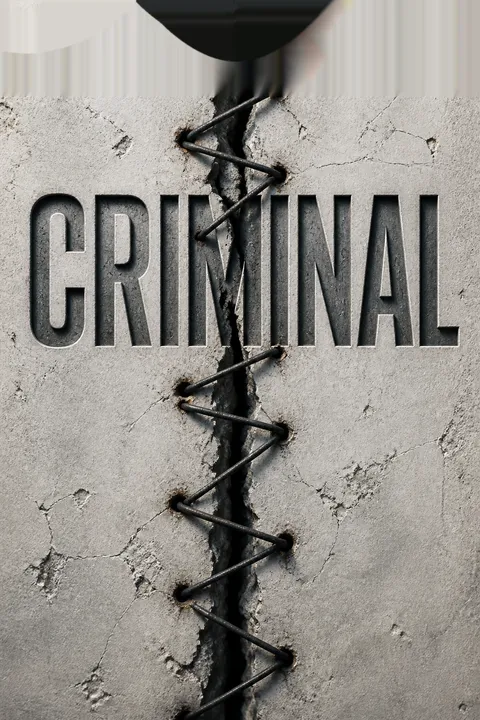
Criminalis a searing exploration of the intersection between personal trauma and systemic injustice, using the framework of a crime thriller to interrogate the ways in which society fails its most vulnerable members. Karin Slaughter's novel is both a gripping procedural and a feminist manifesto, insisting that the lives of girls like Lucy Bennett matter, even when the world insists otherwise. The dual timelines allow for a nuanced examination of progress and its limits—how much has changed for women and the marginalized, and how much remains the same. The novel's central lesson is that silence and complicity are as deadly as violence itself; justice requires not only the punishment of monsters, but the courage to speak, to remember, and to fight for those who cannot fight for themselves. Through the intertwined stories of Amanda, Evelyn, Will, and Sara, Criminal
argues that healing is possible, but only if we are willing to confront the darkness within and around us. The legacy of those who fought for justice endures, lighting the way for the next generation.
Review Summary
Criminal receives an overall rating of 4.28/5, with many readers calling it their favorite in the Will Trent series. The book's dual timeline — alternating between 1970s Atlanta and the present — reveals crucial backstories for Will Trent, Amanda Wagner, and Evelyn Mitchell. Readers praised the exploration of sexism and racism faced by female officers in the 1970s, along with shocking revelations about Will's parentage. Some critics found the pacing slow and the multiple POVs confusing, but most agreed the final chapters delivered satisfying, jaw-dropping twists.
People Also Read







Characters
Will Trent
Will is a GBI agent shaped by a childhood of abandonment, abuse, and institutional neglect. Raised in the children's home after his mother's murder, Will's life is marked by trauma and resilience. Dyslexic and emotionally guarded, he struggles with intimacy, especially with Sara Linton, whose love both heals and terrifies him. Will's investigation into the present-day murders forces him to confront the legacy of his parents—his mother, Lucy, a victim, and his father, James Ulster, a monster. Will's journey is one of painful self-discovery, as he learns that he is not defined by his blood, but by his choices and the family he builds.
Amanda Wagner
Amanda is a pioneering female cop in a hostile, male-dominated Atlanta PD. Sharp, uncompromising, and fiercely intelligent, she navigates sexism and racism with wit and determination. As Will's boss and surrogate mother, Amanda is both protector and provocateur, pushing him to confront his past and his potential. Her own history is marked by loss—her mother's suicide, her father's expectations, and the sacrifices required to survive as a woman in law enforcement. Amanda's greatest strength is her refusal to be silenced, and her legacy is the network of women she supports and inspires.
Sara Linton
Sara is a pediatrician and former medical examiner, drawn to Will by his vulnerability and strength. Compassionate and principled, she is both a caretaker and a fighter, unafraid to challenge Will or Amanda when necessary. Sara's own losses—widowhood, professional setbacks—make her empathetic to trauma, but she refuses to be defined by it. Her relationship with Will is a source of both joy and pain, as she navigates the complexities of loving a man haunted by violence. Sara's role in the investigation is both professional and personal, as she helps rescue the final victim and supports Will through his darkest moments.
Evelyn Mitchell
Evelyn is Amanda's partner and confidante, a woman who balances humor and grit in the face of adversity. As a wife and mother, she struggles to reconcile her domestic life with the dangers of police work. Evelyn's optimism and resourcefulness are vital to the investigation, and her friendship with Amanda is a lifeline for both women. She is unafraid to challenge authority, and her willingness to risk everything for justice makes her a model of courage and solidarity.
Lucy Bennett
Lucy's descent from hopeful teenager to street addict is the emotional heart of the story. Her vulnerability is exploited by men at every turn, but she retains a core of strength and longing for redemption. Lucy's love for her brother Henry and her unborn child sustains her through unimaginable suffering. Her final act—hiding her baby to save him—transforms her from victim to hero, and her legacy endures in the lives she touches.
James Ulster
Ulster is the serial killer whose crimes span decades, targeting vulnerable girls with ritualistic violence. He hides behind religion and social invisibility, manipulating those around him with charm and brutality. Ulster's relationship with his victims is marked by control, sadism, and a twisted sense of salvation. His death is anticlimactic, a final act of cowardice that denies his victims true justice. Yet, his legacy is one of pain, forcing those left behind to confront the darkness within themselves and their city.
Kitty Treadwell
Kitty is both victim and perpetrator, a girl from privilege who falls into addiction and prostitution. Her relationship with Lucy and the other girls is fraught with rivalry and betrayal. Kitty's survival comes at the cost of her conscience, as she chooses silence and complicity over justice. Her marriage to Henry Bennett is a final act of self-preservation, but her bitterness and regret are palpable. Kitty embodies the moral ambiguity of survival in a world that punishes women for their vulnerability.
Hank (Henry) Bennett
Henry is Lucy's brother, a lawyer whose ambition and cowardice make him a key player in the tragedy. He enables Ulster, covers up crimes, and profits from his family's suffering. Henry's relationship with Kitty is transactional, a marriage of convenience that cements his power. His eventual exposure is a hollow victory, as the damage he caused can never be undone. Henry represents the banality of evil—the harm done by those who look away or act out of self-interest.
Juice (Dwayne Mathison)
Juice is the girls' pimp, a man who exploits and abuses but is also a product of his environment. His confession to murder is a survival tactic, knowing the system is stacked against him. Juice's testimony provides crucial information, but his own culpability is never in doubt. He is both victimizer and victim, a reminder of the complex hierarchies of power on the streets.
Suzanna Ford
Suzanna is the present-day girl rescued from Ulster's clutches. Her ordeal is a mirror of Lucy's, and her survival is both a victory and a testament to the enduring impact of trauma. Suzanna's screams haunt Will, a reminder that the past is never truly past. Her rescue is a collective effort, the culmination of decades of struggle by women who refuse to let the lost be forgotten.
Plot Devices
Dual Timelines and Interwoven Narratives
The novel's structure alternates between the 1970s and the present, using parallel investigations to reveal the enduring impact of violence and the cyclical nature of trauma. The stories of Amanda and Evelyn as young cops are intercut with Will and Sara's present-day investigation, allowing the reader to see how the past shapes the present. This device creates suspense, deepens character development, and underscores the theme that history is never truly buried.
Misdirection, Red Herrings, and Unreliable Witnesses
The investigation is hampered by misidentifications, unreliable narrators, and deliberate obfuscation by those in power. Victims are misnamed, evidence is tampered with, and confessions are coerced. The reader, like the characters, must sift through lies and half-truths to uncover the reality of the crimes. This device heightens tension and reflects the systemic barriers to justice faced by marginalized women.
Feminist Perspective and Institutional Critique
The novel foregrounds the experiences of women—cops, victims, survivors—who challenge the patriarchal structures of the police force and the city. Their solidarity is both a source of strength and a survival strategy. The narrative critiques the ways in which institutions silence, exploit, and erase women, insisting on their agency and humanity. This device is both thematic and structural, shaping the story's emotional arc and ultimate resolution.
Symbolism of Sewing, Binding, and Release
The killer's ritual of sewing his victims to their beds, stitching their mouths and eyes shut, is a powerful symbol of the ways in which women are silenced and immobilized by violence and social norms. The act of tearing free—no matter the pain—is an act of resistance and self-assertion. The motif recurs throughout the novel, linking the experiences of past and present victims and underscoring the cost of survival.
Generational Trauma and Cycles of Violence
The story explores how trauma is passed down through families and institutions, shaping destinies and perpetuating harm. Will's struggle to escape his father's legacy, Lucy's desperate hope for her child, and Amanda's mentorship of younger women all reflect the tension between repetition and change. The possibility of breaking the cycle—through love, solidarity, and truth-telling—is the novel's ultimate message.