
Plot Summary
Arrival at the Cornfield
Julian, Tim, Dave, and Cooper—an unlikely band of adventurers—arrive at a sprawling cornfield, tasked with solving a local problem. The house is unremarkable, but the endless green of the cornfield hints at hidden dangers. Julian, the group's charismatic "Face," is chosen to approach the door, setting the tone for their dynamic: cautious, irreverent, and always on the edge of chaos. The group's camaraderie is evident, but so is their unease, especially as they sense the oddities lurking beneath the farm's surface. The stage is set for a quest that will test their wits, morals, and patience, as they step into a world where fantasy tropes collide with crude humor and uncomfortable truths.
Chester's Unwelcome Hospitality
The party meets Chester, the gruff, bigoted farmer who hired them. His hospitality is laced with insults and a rigid sense of racial hierarchy, immediately putting the group on edge. Chester's daughter Gertie serves them potent "cornpiss" lemonade, and the group is forced to navigate his abrasive personality while trying to learn about the job. The encounter is both comedic and tense, as Chester's prejudices and the party's irreverence clash. The group's discomfort grows, but they play along, knowing they need Chester's cooperation to proceed. This chapter establishes the social dynamics and foreshadows the deeper conflicts to come.
Lemonade and Prejudice
As the group sips the harsh lemonade, Chester's worldview becomes clearer: he values humans above all, tolerates elves, and openly demeans others. The party, especially Tim, struggles to maintain composure in the face of Chester's casual cruelty. The conversation turns to the farm's problem—ankhegs, giant burrowing insects—but the real issue is the toxic environment Chester has created. The group's attempts at diplomacy are strained, and the underlying tension threatens to boil over. This chapter highlights the challenge of confronting prejudice while pursuing practical goals, setting up the moral dilemmas that will define their adventure.
The Ankheg Problem
Chester explains the ankheg infestation: normally beneficial, these monstrous insects have become a menace, undermining the land and attacking workers. The party learns that the balance of nature has tipped, and the farm's very foundation is at risk. Chester's reliance on slave labor—goblins bound by magical property stones—adds another layer of ethical complexity. The group is tasked with culling the ankhegs, but the job is more than pest control; it's a window into the exploitation and violence that underpin Chester's world. The party's resolve is tested as they prepare to face both monsters and moral quandaries.
Flying Carpet Reconnaissance
Chester unveils his flying carpet, and the party takes to the skies for a bird's-eye view of the cornfield. The experience is exhilarating and surreal, offering a new perspective on the vastness of the farm and the scale of the ankheg threat. The group spots burrows and signs of destruction, but also witnesses the daily struggles of the goblin slaves. The flight is both a literal and metaphorical elevation, allowing the party to see the interconnectedness of the farm's problems. The magic of the carpet contrasts sharply with the grim realities below, underscoring the absurdity and tragedy of their situation.
Goblin in Peril
The party witnesses a goblin slave fighting for his life against an ankheg. Despite their misgivings about Chester, they intervene, saving the goblin and slaying the monster in a chaotic battle. The victory is tainted by Chester's callousness; he kills the wounded goblin without hesitation, revealing the depth of his cruelty. The party is shaken, forced to confront the consequences of their actions and the limits of their influence. The goblin's brief moment of hope is snuffed out, leaving the group to grapple with guilt and anger. This chapter crystallizes the story's central conflict: the struggle between power and compassion.
Unlikely Alliances
After healing the supposedly dead goblin, the party learns his name is Nutcracker. He reveals the secret of the property stone that binds the goblins to Chester's will, explaining the magical and psychological chains of slavery. Nutcracker's wit and resilience impress the group, and he joins them in their quest to hunt ankhegs. The alliance is uneasy but necessary, as both sides recognize their mutual interests. The chapter explores themes of trust, agency, and the possibility of solidarity across lines of oppression. Nutcracker's presence challenges the party's assumptions and opens the door to unexpected outcomes.
Into the Cornhole
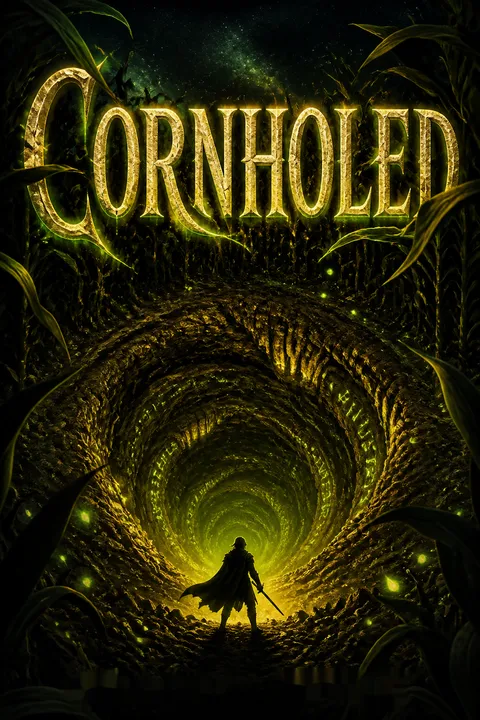
Pursuing the ankhegs, the group follows a tunnel into the earth—a literal "cornhole." Inside, they discover not only more monsters but also a hidden vault filled with gold and mysterious stone rat statues. The descent is fraught with peril, as the party navigates collapsing tunnels, magical traps, and the ever-present threat of ankheg attacks. The discovery of the treasure raises new questions: Whose vault is this? What dangers guard it? The party's greed and curiosity are piqued, but so is their sense of foreboding. The cornfield's secrets are deeper and darker than they imagined.
The Stone Curse
In the vault, Dave is turned to stone by a lurking basilisk, a deadly guardian of the treasure. The party is thrown into crisis, forced to confront the fragility of their lives and the cost of their ambitions. The transformation is both physical and symbolic, representing the risks of delving too deeply into forbidden places. The group must now find a way to restore Dave, shifting their focus from riches to rescue. The chapter is a turning point, as the party's priorities and relationships are tested by loss and desperation.
The Wizard's Price
The party, burdened with Dave's stone form, seeks out Old Man Belmont, a powerful and eccentric wizard. The journey is awkward and fraught with magical mishaps, including encounters with Belmont's mischievous grandchildren and enchanted defenses. Belmont agrees to help—for a steep price, draining the party's newfound gold. The negotiation is tense, highlighting the transactional nature of magic and the limits of friendship. The party must weigh the value of life against material wealth, ultimately choosing to save Dave at great personal cost. The chapter explores themes of sacrifice, community, and the true meaning of treasure.
A Costly Resurrection
Belmont's ritual is successful, and Dave is returned to life, though shaken and disoriented. The party is relieved but poorer, having traded their gold for a friend's life. The experience leaves them humbled and reflective, questioning the worth of their quest and the nature of luck. The wizard's family bids them farewell, and the party departs, changed by their ordeal. The chapter underscores the unpredictability of adventure and the importance of loyalty, even when it comes at a steep price. The group's bond is strengthened, but their resources are depleted.
The Goblin's Secret
On the journey back, Nutcracker explains the origins of goblin slavery and the workings of the property stone. The conversation is sobering, exposing the systemic violence and dehumanization that sustain Chester's power. The party grapples with the implications, realizing that their actions have the potential to disrupt the status quo. Nutcracker's perspective challenges their assumptions and forces them to confront uncomfortable truths about freedom, agency, and complicity. The chapter deepens the story's exploration of power dynamics and the possibility of resistance.
Chester's Leverage
Upon returning, the party finds Chester waiting, having captured Julian's familiar, Ravenus. He uses the bird as leverage, demanding a share of the treasure in exchange for its safe return. The party is forced into a tense negotiation, balancing their desire for justice with the need to protect their own. Tim concocts a plan involving poisoned lemonade, hoping to incapacitate Chester without outright murder. The stakes are high, and the group must navigate a web of threats, bargains, and betrayals. The chapter is a study in power plays and the limits of cunning.
Poisoned Deals
The party leads Chester to the vault, pretending to cooperate while secretly plotting his downfall. Tim's poisoned lemonade takes effect, weakening Chester as they descend into the tunnels. The plan is fraught with uncertainty, as the group must act quickly and decisively to avoid disaster. The tension is palpable, with every move carrying the risk of exposure or violence. The chapter is a masterclass in suspense, as the party's ingenuity and nerve are put to the ultimate test. The outcome will determine not only their fate but also the future of the farm and its inhabitants.
The Petrification Trap
In the vault, Chester is petrified by the basilisk, caught in a moment of vulnerability. The party seizes the opportunity to escape, leaving Chester as a grotesque statue—a fitting punishment for his cruelty. The goblins, freed from the property stone's magic, seize the gold and the flying carpet, launching a chaotic uprising. The party is left with only a token share of the treasure, but the real victory is the liberation of the goblins. The chapter is a cathartic reversal of fortune, as the oppressed seize power and the oppressor is undone by his own greed.
Goblin Uprising
The farm erupts in celebration and chaos as the goblins, led by Nutcracker, take control. Fires are set, gold is distributed, and the flying carpet becomes a symbol of their newfound autonomy. The party watches as their plans unravel, realizing that true change is messy and unpredictable. The goblins' triumph is both inspiring and bittersweet, as the party is left to reckon with their own losses and the unintended consequences of their actions. The chapter is a testament to the power of collective action and the unpredictability of revolution.
Gold and Goodbyes
With the gold gone and the goblins free, the party is left to pick up the pieces. They return Chester's statue to his wife, uncertain of what the future holds for the farm. The group is weary but wiser, having learned the limits of control and the value of letting go. Their journey has cost them dearly, but it has also forged deeper bonds and a greater understanding of the world's complexities. The chapter is a quiet moment of reckoning, as the party prepares to move on.
Bittersweet Victories
As the party departs, they reflect on the chaos they've unleashed and the small victories they've achieved. The goblins are free, Chester is defeated, and Dave is alive—but the gold is gone, and the future is uncertain. The group's laughter and camaraderie return, tempered by the lessons of their ordeal. The story ends not with triumph, but with a sense of hard-won growth and the promise of new adventures. The cornfield, once a symbol of oppression, now stands as a testament to the possibility of change, however messy and incomplete.
Analysis
"Cornholed" is a sharp, irreverent deconstruction of fantasy adventure, using the trappings of a Dungeons & Dragons-style quest to interrogate issues of power, prejudice, and complicity. At its core, the story is about the messy, unpredictable nature of change—how even well-intentioned actions can have unintended consequences, and how liberation is often achieved through chaos rather than heroism. The party's journey from mercenaries to reluctant revolutionaries is marked by moments of both triumph and failure, underscoring the limits of individual agency in a world shaped by systemic violence. The story's humor is both a coping mechanism and a weapon, allowing the characters (and the reader) to confront uncomfortable truths without succumbing to despair. Ultimately, "Cornholed" suggests that true victory lies not in gold or glory, but in the small, hard-won acts of solidarity and resistance that chip away at the foundations of oppression. The adventure ends not with a neat resolution, but with a sense of ongoing struggle and the hope that, even in a world as absurd and unjust as this one, change is possible—one cornhole at a time.
Characters
Julian
Julian is the party's "Face," chosen for his high Charisma and skill in diplomacy. He is empathetic, quick-witted, and often forced to mediate between his friends and the hostile world around them. Julian's relationship with his familiar, Ravenus, adds depth to his character, revealing both vulnerability and loyalty. He struggles with the moral ambiguities of their quest, torn between pragmatism and principle. Julian's development is marked by his growing awareness of the complexities of power, prejudice, and agency. His leadership is tested repeatedly, but he remains committed to his friends and to doing what he believes is right, even when the path is unclear.
Tim
Tim is the party's strategist, known for his intelligence and quick thinking. He is easily provoked by injustice, especially Chester's bigotry, and often channels his anger into cunning plans. Tim's relationship with the group is both collaborative and contentious; he is respected for his intellect but sometimes resented for his impulsiveness. His willingness to bend the rules and take risks drives much of the plot, particularly in the poisoned lemonade scheme. Tim's arc is one of learning restraint and empathy, as he confronts the consequences of his actions and the limits of cleverness in a world governed by both magic and malice.
Dave
Dave is the party's dwarf, known for his resilience and deadpan humor. He endures physical and emotional hardships with a mix of stoicism and sarcasm, providing both stability and levity to the group. Dave's petrification and subsequent resurrection are central to the story's emotional arc, forcing the party to confront the value of friendship and sacrifice. His interactions with the others reveal a deep loyalty, masked by gruffness and self-deprecation. Dave's journey is one of survival and adaptation, as he navigates the absurdities and dangers of their quest with a wry sense of perspective.
Cooper
Cooper is the party's muscle, quick to act and slow to think. His impulsiveness and crude humor often get the group into trouble, but his loyalty is unwavering. Cooper's physicality is matched by a surprising vulnerability, especially in moments of crisis. He is both a source of chaos and a pillar of support, embodying the contradictions of strength and sensitivity. Cooper's development is subtle but significant, as he learns to balance aggression with empathy and to trust in the group's collective wisdom. His antics provide comic relief, but also highlight the importance of camaraderie in the face of adversity.
Chester
Chester is the story's primary antagonist, a farmer whose wealth and power are built on exploitation and prejudice. He is cunning, ruthless, and deeply invested in maintaining the social hierarchy that privileges humans above all. Chester's interactions with the party are marked by manipulation and cruelty, particularly in his treatment of the goblin slaves. His downfall is both poetic and tragic, as he is undone by his own greed and arrogance. Chester represents the dangers of unchecked power and the corrosive effects of bigotry, serving as a foil to the party's evolving sense of justice.
Nutcracker
Nutcracker is a goblin slave who becomes an unlikely ally to the party. He is resourceful, sharp-tongued, and fiercely independent, despite the magical bonds that constrain him. Nutcracker's knowledge of the property stone and the workings of the farm is crucial to the plot, and his actions catalyze the goblin uprising. He challenges the party's assumptions about agency and resistance, embodying the possibility of liberation even in the face of overwhelming odds. Nutcracker's arc is one of empowerment and self-determination, as he seizes the opportunity to lead his fellow goblins to freedom.
Ravenus
Ravenus is Julian's carrion bird familiar, linked to him by an empathic bond. He provides both practical assistance and emotional support, serving as a bridge between the human and animal worlds. Ravenus's vulnerability—especially when captured by Chester—raises the stakes for the party and underscores the theme of interdependence. His presence adds a layer of complexity to Julian's character, highlighting the importance of empathy and care in a world marked by violence and exploitation.
Old Man Belmont
Old Man Belmont is a powerful, idiosyncratic wizard who aids the party in exchange for gold. He is both generous and mercenary, embodying the contradictions of magical authority. Belmont's family, especially his mischievous grandchildren, adds warmth and humor to the story, contrasting with the grimness of the farm. His role as a healer and gatekeeper underscores the transactional nature of power in this world, forcing the party to confront the costs of survival and the limits of charity.
Gertie
Gertie is Chester's daughter, trapped in a cycle of servitude and abuse. Her faded beauty and worn demeanor reflect the toll of life under Chester's rule. Gertie's interactions with the party are brief but poignant, highlighting the collateral damage of Chester's tyranny. She represents the unseen victims of systemic oppression, her silence speaking volumes about the costs of complicity and endurance.
Stamen and Pistil
Stamen and Pistil are Old Man Belmont's half-elven grandchildren, whose playful antics provide comic relief and a glimpse of hope. Their innocence and curiosity contrast sharply with the cynicism of the adult world, reminding the party—and the reader—of the possibility of joy and renewal. They serve as a reminder that even in a world marked by cruelty, there is room for laughter and growth.
Plot Devices
Satirical Fantasy and Role-Playing Tropes
The narrative structure of "Cornholed" is a deft blend of satirical fantasy and role-playing game conventions. The story lampoons classic quest tropes—monster hunting, treasure vaults, magical artifacts—while using them to explore deeper themes of power, prejudice, and agency. Foreshadowing is employed through recurring motifs (the property stone, the flying carpet, the poisoned lemonade), building tension and layering meaning. The use of in-game mechanics (Charisma checks, spell durations, hit points) grounds the absurdity in a familiar framework, allowing for both humor and pathos. The story's episodic structure mirrors a tabletop campaign, with each chapter functioning as a discrete encounter that advances both plot and character development. The interplay of comedy and tragedy, action and reflection, creates a dynamic narrative that is both entertaining and thought-provoking.
Download PDF
Download EPUB
.epub digital book format is ideal for reading ebooks on phones, tablets, and e-readers.








































