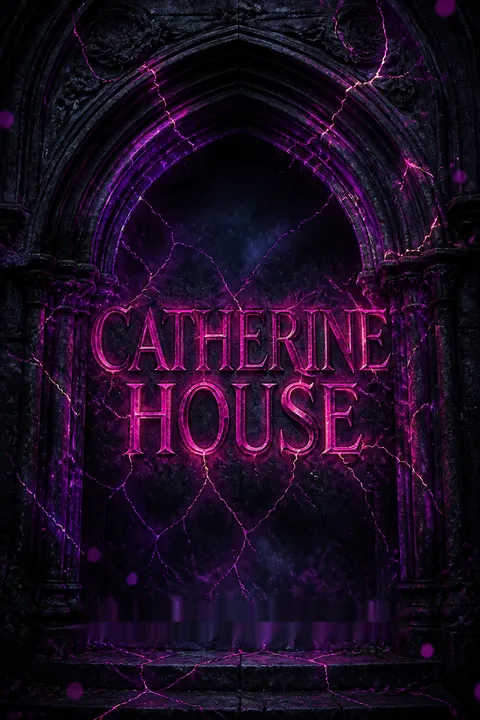

Plot Summary
Arrival at Catherine's Gate
Ines Murillo arrives at the mysterious Catherine House, a secluded, elite institution promising transformation and a golden future to those who surrender three years of their lives. She is running from a traumatic past, desperate for anonymity and safety. The house is both alluring and unsettling, with its strict isolation from the outside world and its reputation for producing powerful, influential graduates. Ines is both relieved and apprehensive, sensing that Catherine is not just a school, but a place where identity can be erased and rewritten. The atmosphere is charged with anticipation, fear, and the hope of becoming someone new.
Roommates and Secrets
Ines meets her roommate, Barbara "Baby" Pearce, a shy, brilliant girl obsessed with the school's secretive new materials program. Their friendship is awkward but genuine, built on shared loneliness and the small rebellions they commit together—like hiding Baby's pet snail, Billie Jean, in defiance of the rules. Baby's vulnerability and ambition contrast with Ines's cynicism and detachment. Through late-night confessions and small acts of care, they become each other's anchor in the strange, cloistered world of Catherine. Yet, beneath their growing bond, secrets and unspoken traumas simmer, hinting at the darkness both girls carry.
The House's Strange Rules
The students quickly learn that Catherine is governed by a labyrinth of rules designed to sever their ties to the outside world. Communication with family is rationed through a points system, personal belongings are restricted, and even memories of life before Catherine are discouraged. The house provides everything—food, clothing, medicine—but at the cost of autonomy. The architecture itself is disorienting, with endless halls and hidden rooms, reinforcing the sense of entrapment. The administration, led by the enigmatic Viktória Varga, maintains a benevolent but chilling authority. The students are both pampered and surveilled, their individuality slowly eroded by the relentless sameness of daily life.
Becoming Invisible
As the weeks pass, Ines becomes increasingly detached, skipping classes and failing to engage with the school's demanding curriculum. She is haunted by memories of the life she left behind—a traumatic incident involving a dead girl, a beloved teacher who urged her to apply to Catherine, and a mother she no longer speaks to. Ines's sense of self dissolves in the house's routines and rituals. She observes her peers with a mixture of envy and disdain, unable to muster the ambition or hope that drives them. Her friendship with Baby is both a comfort and a reminder of her own emptiness.
The Coming In Ceremony
The first-year students are summoned to a midnight ceremony known as the "coming in." In a windowless ballroom, they are given cakes and wine, then fitted with mysterious plasm pins—devices that supposedly realign the body's energies. Under Viktória's hypnotic guidance, the students are led through a collective meditation that blurs the boundaries between self and house, past and present. Ines resists, her pin coming loose, but she is swept along by the group's fervor. The ceremony leaves everyone altered—some euphoric, others shaken. It marks the point of no return: they are now truly inside Catherine, and Catherine is inside them.
The Tower's Shadow
The threat of the Restoration Center—known as "the tower"—hangs over every student. Those who break the rules or fail to adapt are sent there for "readjustment." Ines, after a series of academic failures and emotional breakdowns, is summoned to Viktória's office and told she must spend time in the tower. The experience is both banal and terrifying: isolation, surveillance, and the ever-present plasm pins. Ines is forced to confront her own emptiness and the pain she has tried to escape. The tower is not just a place of punishment, but a crucible for transformation—or erasure.
Friendships and Failures
Ines's relationships with her peers—Baby, Yaya, Theo, Anna, Nick—become more complex as the pressures of Catherine mount. Baby's obsession with the new materials concentration intensifies, even as her mental health deteriorates. Yaya and Anna provide moments of levity and solidarity, but everyone is struggling in their own way. The house's rituals—sessions, festivals, secret parties—offer brief respite, but also reinforce the sense of enclosure. Failures, both academic and personal, accumulate. The students cling to each other, but trust is fragile, and the fear of expulsion or worse is ever-present.
The Plasm Mystique
The new materials concentration, centered on the mysterious substance "plasm," is the school's most exclusive and secretive program. Baby and others are drawn to its promise of revolutionary science and transcendence. Plasm is rumored to have the power to heal, to mend objects and bodies, to alter consciousness. But its true nature is elusive, shrouded in scandal and failed experiments. Ines is skeptical, but as she witnesses the effects of the plasm pins and the devotion of the concentrators, she begins to sense that something profound—and possibly monstrous—is at work beneath Catherine's surface.
Winter's Isolation
As winter descends, the house grows colder and more claustrophobic. Ines and her friends struggle with depression, insomnia, and the relentless demands of their studies. Baby's mental state worsens; she becomes obsessed with passing the concentration's brutal selection process, convinced that plasm is her only hope for meaning. Ines drifts through parties, affairs, and sleepless nights, unable to find solace. The rituals of the house—sessions, festivals, even the food—become both comforting and oppressive. The outside world feels impossibly distant, and the promise of transformation begins to seem like a trap.
The Experiment Deepens
The students' second year brings new responsibilities and deeper immersion in Catherine's experiments. Ines works in the art gallery, Yaya at the loading dock, Anna in the great hall. Theo is accepted into the new materials concentration, and his research into plasm becomes increasingly intense and secretive. The rituals grow more elaborate, with sessions involving chanting, meditation, and the use of plasm pins. Ines becomes obsessed with understanding what is really happening in the forbidden labs. The line between healing and harm, science and cult, grows ever thinner.
Baby's Descent
Baby's quest to be chosen for the new materials concentration consumes her. She cheats on an exam, is caught, and is sent to the tower for "restoration." Ines tries to comfort her, but Baby is unreachable, lost in her own pain and longing. While in the tower, Baby dies—by suicide or something more ambiguous. The house holds a perfunctory memorial, and Viktória assures everyone that Baby is now "everywhere" in Catherine. Ines is devastated, haunted by guilt and the sense that the house has claimed another soul. The loss marks a turning point, deepening the sense of dread and inevitability.
The Restoration Center
Ines is sent to the tower again, this time after breaking into the forbidden lab. The experience is more harrowing: isolation, the threat of being made into an "object," and the realization that the house's experiments are not just about healing, but about creating a new kind of being—one that is neither alive nor dead, but suspended in a state of perfect, eternal stasis. Ines is offered the chance to join the new materials concentration, to become part of this project forever. She is tempted, but also horrified. The tower becomes a symbol of both the promise and the horror of Catherine.
The Power of Plasm
Ines discovers the truth about plasm and the forbidden experiments. The new materials lab is filled with animals—and eventually people—kept in suspended animation, their bodies and minds networked together by plasm pins. Baby's body is among them, preserved as a "beautiful thing." The house's rituals and experiments are revealed as a quest for immortality, for the creation of perfect, eternal objects. Ines is both repulsed and fascinated, torn between the desire to belong and the fear of losing herself completely. The cost of Catherine's promise is finally clear.
Love and Betrayal
Ines's relationship with Theo deepens, becoming both a refuge and a source of pain. Theo is drawn ever deeper into M. Neptune's experiments, eventually betraying Ines by suggesting her as the next subject for the project. Ines realizes that love at Catherine is always conditional, always in service of the house's greater purpose. The bonds between friends are tested and broken. Ines is forced to confront the limits of trust, the dangers of devotion, and the impossibility of true escape from Catherine's influence.
The Forbidden Lab
Driven by grief and curiosity, Ines steals Theo's keycard and breaks into the forbidden lab. There, she witnesses the full horror of the house's experiments: animals and people—Baby among them—kept in a state of living death, their identities erased, their bodies preserved as objects. The realization is shattering. Ines understands that Catherine's promise of transformation is a lie; the house does not create new selves, but destroys them, turning its students into artifacts for its own glory. The only way out is to refuse to become an object.
The Truth About Forever
Ines is confronted by Viktória, who offers her the chance to stay at Catherine forever—as a subject of the experiment, a "beautiful thing" preserved in plasm. The choice is both seductive and terrifying. Ines realizes that the house's power lies in its ability to make its residents complicit in their own erasure, to seduce them into surrendering their selves for the promise of belonging. She refuses, but the cost is exile. The house will not let her go easily, and the world outside may be just as empty as the one she leaves behind.
Escape from the House
With the help of Yaya and a sympathetic staff member, Ines escapes from the tower and flees Catherine. The escape is both anticlimactic and profound: she leaves behind everything—her friends, her identity, her hope of transformation. The world outside is vast, indifferent, and unfamiliar. Ines is both free and lost, haunted by the memory of the house and the people she loved. The promise of Catherine lingers, a ghost she will never fully escape.
The World Beyond Catherine
Ines rides away from Catherine, uncertain of her future. She is changed—wounded, wiser, and still searching for meaning. The house remains with her, a symbol of both the longing for belonging and the danger of surrendering oneself to a greater power. Ines's story ends not with resolution, but with the recognition that the search for self is ongoing, that freedom is both a burden and a gift, and that the past can never be fully left behind.
Analysis
Catherine House is a haunting meditation on the longing for belonging and the perilous cost of surrendering oneself to an institution's promise of transformation. Elisabeth Thomas crafts a gothic, psychological thriller that blurs the boundaries between science and magic, healing and erasure, freedom and captivity. The novel interrogates the seductive power of elite institutions—their ability to offer sanctuary, purpose, and identity, while simultaneously demanding total devotion and erasing individuality. Through Ines's journey, we witness the dangers of charismatic leadership, the allure of community, and the existential terror of becoming an object—beautiful, preserved, but no longer alive. The house's rituals and experiments serve as metaphors for the ways we seek to escape pain, mortality, and loneliness, only to find ourselves more deeply entangled. Ultimately, Catherine House warns that the search for self cannot be outsourced or surrendered; true freedom lies not in becoming part of a perfect whole, but in embracing the messy, painful, and fleeting reality of being human. The novel's unresolved ending—Ines's escape into the unknown—underscores the ongoing nature of this struggle, leaving readers with a sense of both loss and possibility.
Review Summary
Reviews for Catherine House are polarizing, averaging 3.11/5. Many praise its gothic, atmospheric writing and dreamlike, immersive qualities, comparing it to works by Shirley Jackson and Kazuo Ishiguro. Fans appreciate the slow-burn tension, sensory descriptions, and cult-like setting. Critics, however, find the plot nearly nonexistent, the protagonist apathetic and frustrating, and the pacing sluggish. The mysterious "plasm" concept left many confused. Most agree it's not a traditional thriller, and readers who embrace ambiguity and atmospheric storytelling will enjoy it most.
People Also Read







Characters
Ines Murillo
Ines is the novel's protagonist, a young woman fleeing a traumatic past and seeking refuge at Catherine House. She is intelligent but emotionally numb, using detachment and cynicism as shields against pain. Her relationships—with Baby, Theo, Yaya, and others—are marked by both longing and self-sabotage. Ines is both observer and participant, drawn to the house's promise of transformation but resistant to its erasure of self. Her psychological journey is one of gradual awakening: from numbness to grief, from complicity to resistance. Ines's struggle is universal—the desire to belong, the fear of losing oneself, and the courage to choose freedom over oblivion.
Barbara "Baby" Pearce
Baby is Ines's roommate and closest friend, a shy, obsessive girl whose life revolves around the dream of joining the new materials concentration. She is haunted by abandonment and convinced that only Catherine—and plasm—can give her life meaning. Baby's vulnerability and ambition make her both endearing and tragic. Her descent into despair, culminating in her death in the tower, is a devastating indictment of the house's promises. Baby's fate is a warning: the cost of devotion to an institution that demands everything and gives nothing in return.
Viktória Varga
Viktória is the director of Catherine House, a figure of both maternal warmth and chilling authority. She embodies the house's seductive power, offering comfort, guidance, and the promise of transformation. Yet, beneath her benevolent exterior lies a ruthless commitment to the house's experiments and a willingness to sacrifice individuals for the greater good. Viktória is both visionary and manipulator, a symbol of the dangers of charismatic leadership and the allure of belonging. Her relationship with Ines is complex—part mentor, part adversary, part mirror.
Theo Williams
Theo is one of Ines's closest friends and eventual lover, a charming, open-hearted boy who becomes increasingly consumed by his work in the new materials concentration. He is both a source of comfort and a participant in the house's darker experiments. Theo's desire to belong, to create something meaningful, leads him to betray Ines—suggesting her as a subject for the experiment. His arc is one of tragic complicity: the good intentions that pave the way to harm, the seduction of power, and the limits of love in a system that demands total devotion.
Yaya Osmond
Yaya is a vibrant, sharp-tongued student who provides comic relief and emotional support to Ines and the group. She is pragmatic, resourceful, and fiercely loyal, but also deeply aware of the house's dangers. Yaya's ability to navigate Catherine's rules and her eventual role in helping Ines escape mark her as both a survivor and a rebel. Her friendship with Ines is one of the novel's emotional anchors, a testament to the power of solidarity in the face of institutional oppression.
Anna Montgomery
Anna is a grounded, athletic student who initially aspires to join the new materials concentration but ultimately chooses a different path. She is both supportive and skeptical, providing a counterpoint to the house's mystique. Anna's struggles with family and belonging mirror those of the other characters, but she maintains a sense of self that allows her to resist the house's pull. Her friendship with Ines and Yaya is marked by honesty and mutual care.
Nick Townsend
Nick is a wealthy, charismatic student who uses humor and bravado to mask his own insecurities and sense of displacement. He is both a leader and a follower, swept along by the house's rituals and the group's dynamics. Nick's arc is one of gradual disillusionment, as he realizes that privilege offers no protection from the house's demands. His relationships with Anna, Theo, and the others are marked by both affection and rivalry.
Diego Jimenez
Diego is a thoughtful, elegant student who finds beauty in art and friendship. He is both an insider and outsider, participating in the group's rituals but maintaining a certain distance. Diego's affair with a professor and his fear of the future highlight the anxieties of growing up and leaving behind the safety of Catherine. His friendship with Ines and Yaya is gentle and sustaining.
M. Neptune
M. Neptune is the head of the new materials concentration, a brilliant but morally ambiguous figure who pushes the boundaries of science and ethics. He is both mentor and antagonist, guiding students like Theo and Baby into ever more radical experiments. Neptune's pursuit of immortality and perfection is both inspiring and terrifying, a symbol of the dangers of unchecked ambition and the dehumanizing potential of scientific progress.
Sandy / Alexander
Sandy, later revealed as Alexander, is a former student who becomes the first human subject of the house's ultimate experiment: suspended animation through plasm. He is both present and absent, a ghostly figure who haunts the halls, watched over by the new materials students. Sandy/Alexander embodies the novel's central question: what does it mean to be alive, to belong, to be made into an object? His fate is both horrifying and poignant, a warning of the cost of surrendering one's self to the promise of forever.
Plot Devices
The House as Living Entity
The house is more than a backdrop; it is a living, breathing presence that shapes and absorbs its inhabitants. Its architecture is disorienting, its rules all-consuming, and its rituals seductive. The house's power lies in its ability to erase individuality, to make its residents complicit in their own transformation. The recurring motif of "being in the house, and the house in you" blurs the line between self and institution, freedom and captivity. The house is both sanctuary and prison, a symbol of the longing for belonging and the danger of surrendering autonomy.
Plasm and the Promise of Transformation
Plasm is the novel's central mystery—a substance that can heal, mend, and connect, but also erase and suspend. It is both scientific breakthrough and cultic object, promising transcendence but delivering stasis. The use of plasm pins, the rituals of mending, and the experiments in the forbidden lab all serve as metaphors for the desire to be remade, to escape pain and mortality. Plasm's ambiguity—miracle or monstrosity—drives the novel's tension and its critique of institutions that promise salvation at the cost of selfhood.
Ritual, Repetition, and Indoctrination
The house's rituals—sessions, festivals, the coming in, the use of plasm pins—are both comforting and coercive. They create a sense of community and belonging, but also serve to erase individuality and enforce conformity. The repetition of phrases, the blurring of boundaries between self and house, and the collective meditations all function as tools of indoctrination. The rituals are both genuine attempts at healing and insidious means of control, reflecting the dual nature of institutions that offer both care and captivity.
Foreshadowing and Unreliable Perception
The novel is rich in foreshadowing: the early references to the tower, the forbidden lab, and the fate of former students all hint at the darkness beneath Catherine's surface. Ines's unreliable perception—her detachment, her lapses in memory, her shifting sense of reality—creates an atmosphere of uncertainty and dread. The truth is always just out of reach, glimpsed in dreams, rituals, and the haunted eyes of those who have been changed. The use of dreams, hallucinations, and fragmented memories blurs the line between reality and nightmare.
The Cycle of Escape and Return
The structure of the novel mirrors the experience of its characters: the cycle of hope, immersion, disillusionment, and attempted escape. Ines's journey—from arrival to immersion, from resistance to complicity, from escape to exile—reflects the universal struggle to find meaning, to belong, and to remain oneself in the face of overwhelming institutional power. The ending, with Ines fleeing into the unknown, suggests that escape is possible but never complete; the house, and what it represents, will always haunt those who have been inside.
Download PDF
Download EPUB
.epub digital book format is ideal for reading ebooks on phones, tablets, and e-readers.








































