Plot Summary
Homecoming Shadows Stir
The story opens in 2019, as the unnamed narrator returns to his childhood home in Halland, southern Sweden. Seeking solace after a failed marriage and creative drought, he finds himself drawn into the orbit of Evy Carlén, a retired police officer. Their tentative friendship is marked by shared loneliness and the weight of unspoken histories. When Evy falls ill, she hints at knowing the truth behind the decades-old mystery of Sven Jörgensson and his son Vidar, and the infamous Tiarp Man murders. The narrator's quiet life is disrupted as the past begins to demand answers, and the landscape itself seems to pulse with unresolved pain and secrets.
The Old Cop's Burden
Sven Jörgensson, once the village's steadfast policeman, is remembered as a figure of strength and decency. Through the narrator's childhood memories, Sven emerges as a pillar of the community, embodying the ideals of protection and order. Yet, beneath his calm exterior, Sven carries invisible burdens—illness, regret, and the knowledge that even the most upright can be powerless against evil. His relationship with his son Vidar is marked by distance and unspoken expectations, setting the stage for generational echoes of guilt and longing.
A Village's Lost Innocence
The narrator recalls the tight-knit fabric of village life, where everyone's business is known and safety is assumed. The illusion of security is shattered by the brutal murder of Stina Franzén in 1986, coinciding with the assassination of Sweden's prime minister, Olof Palme. The shockwaves from these events ripple through the community, exposing its vulnerability and the limits of trust. The children's world, once defined by games and gentle authority figures, is forever altered by the intrusion of violence and the realization that monsters can be ordinary men.
Night of Two Crimes
On a single night, two crimes occur: the murder of the prime minister in Stockholm and the rape and murder of Stina Franzén near Tiarp. Sven, working late, is called to the scene and finds himself at the center of a nightmare. The investigation is hampered by chaos, limited resources, and the overwhelming sense that something has shifted in the soul of the country. The perpetrator's taunting phone call—"I raped a woman in a car. I'm going to do it again."—marks the beginning of a reign of terror that will haunt the region for decades.
The Tiarp Man Emerges
As the investigation unfolds, the Tiarp Man becomes a specter haunting the community. More women are attacked or disappear, and the police struggle to find patterns or motives. Witnesses, including a traumatized child, offer fragments of truth, but the perpetrator remains elusive. The crimes are marked by a chilling blend of intimacy and randomness, suggesting a killer who is both known and unknowable. The villagers' fear grows, and the police—especially Sven—are consumed by the sense of failing those they are sworn to protect.
Fathers, Sons, and Silence
The relationship between Sven and Vidar is explored in depth, revealing the complexities of fatherhood, legacy, and the struggle to communicate across emotional divides. Vidar, once his father's "little echo," grows into a man shaped by both admiration and resentment. As he contemplates his own path—whether to follow in Sven's footsteps or forge a new identity—he is haunted by the unresolved mysteries and the sense that some questions can never be answered. The silence between fathers and sons becomes a metaphor for the larger silences that pervade the community.
The Weight of Witnesses
The investigation into the Tiarp Man's crimes is marked by the accumulation of witness statements, physical evidence, and the limitations of memory. Sven and his colleagues, including the young officer David Linder and the steadfast Evy, pursue every lead, but the case grows colder with each passing year. The victims' families are left with grief and anger, often turning their pain against the very officers trying to help them. The narrative explores the burden of being a witness—whether to a crime, a loved one's suffering, or one's own failings.
Blood on the Ridge
As years pass, the Tiarp Man's crimes become legend, but the wounds remain fresh for those involved. Sven is eventually accused of negligence in Stina's death, a charge that nearly destroys him. The investigation into the murders is periodically revived, each time dredging up old traumas and new suspicions. The discovery of blood evidence, the emergence of new forensic techniques, and the relentless pursuit of closure drive the narrative forward, even as the truth remains maddeningly out of reach.
The Unraveling Years
The story moves through the late 1980s and early 1990s, chronicling the disintegration of families, the decline of rural life, and the corrosive effects of unresolved trauma. Sven's health deteriorates, Vidar becomes a police officer, and the community's faith in justice is tested by repeated failures. The Tiarp Man's crimes become a symbol of everything lost—innocence, trust, and the belief in a knowable world. The narrative weaves together personal and collective histories, showing how the past refuses to stay buried.
Guilt, Grief, and Blame
As the years pass, the need to assign blame intensifies. Stina's parents file a complaint against Sven, seeking accountability for their daughter's death. Sven, wracked by guilt and illness, withdraws from the world, haunted by the sense that he has failed both his family and his community. Evy, too, is burdened by secrets and regrets, while Vidar struggles to reconcile his love for his father with the knowledge of his flaws. The narrative interrogates the nature of guilt—personal, professional, and existential—and the ways it shapes lives.
The Search for Meaning
The narrator, now deeply invested in the story, seeks to understand the meaning behind the Tiarp Man's crimes and their impact on those left behind. He interviews survivors, combs through archives, and reconstructs timelines, driven by the hope that understanding will bring peace. Yet, the closer he gets to the truth, the more elusive it becomes. The search for meaning is complicated by unreliable memories, conflicting testimonies, and the realization that some mysteries may never be solved. The narrative becomes a meditation on the limits of knowledge and the necessity of acceptance.
Truths Buried, Truths Revealed
In the present, new evidence comes to light: the remains of a body are found, and forensic advances allow for fresh analysis. The narrator, Vidar, and Markus (now a detective) piece together the final threads, uncovering the shocking truth that the wrong man—David Linder, a former police officer—was killed in the belief that he was the Tiarp Man. The real perpetrator, Einar Bengtsson, Evy's brother, is revealed through a combination of old records, witness identification, and DNA evidence. The revelation devastates those involved, forcing them to confront the consequences of their actions and the limits of justice.
The Last Confession
Evy, near death, confesses her role in helping Sven cover up Linder's death and her suspicions about her own brother. Vidar and the narrator grapple with the implications of these revelations, torn between the desire for justice and the need for mercy. The narrative explores the complexities of confession—not just as an admission of guilt, but as an act of love, loyalty, and self-preservation. The characters are left to decide what to do with the truth, knowing that any action will have profound consequences for themselves and others.
The Cost of Justice
The final chapters examine the aftermath of the revelations: the community's response, the media frenzy, and the personal reckonings of those involved. Vidar must decide whether to expose his father's actions and Evy's complicity, or to let the past rest. Gisela Mellberg, a survivor, takes justice into her own hands, attacking Einar in his care home. The narrative refuses easy answers, acknowledging that justice is often incomplete, and that the pursuit of truth can cause as much harm as good. The story ends with a sense of weary acceptance, as the characters strive to find peace in a world marked by loss and ambiguity.
The End of Winter
As winter gives way to spring, the narrator reflects on the journey he and the others have taken. The white wagtail—a symbol of both hope and foreboding—returns, signaling the possibility of renewal. The characters, scarred but surviving, attempt to move forward: Vidar returns to police work, the narrator contemplates his own future, and the community begins to heal. The story closes with a meditation on the passage of time, the inevitability of change, and the enduring need to seek meaning, even in the face of darkness.
Analysis
A meditation on guilt, justice, and the limits of knowingBlaze Me a Sun is a profound exploration of the ways in which violence, guilt, and the hunger for meaning shape individuals and communities across generations. Through its intricate structure and psychologically rich characters, the novel interrogates the nature of justice—both legal and personal—and the costs of pursuing closure in a world marked by ambiguity. The story refuses easy answers, acknowledging that truth is often fragmented, that good people can make terrible mistakes, and that the desire for certainty can itself be destructive. At its heart, the novel is about the persistence of hope in the face of darkness: the possibility of renewal, the necessity of forgiveness, and the enduring human need to seek connection and understanding. In a world where evil can take root in the most ordinary places, Blaze Me a Sun offers a hard-won affirmation of resilience, compassion, and the courage to confront the shadows within and without.
Review Summary
Blaze Me a Sun by Christoffer Carlsson is a highly acclaimed Swedish noir exploring a serial killer case beginning in 1986, the night Prime Minister Olof Palme was assassinated. Detective Sven Jörgensson becomes obsessed with solving the brutal murders of young women, a fixation inherited by his son Vidar. The novel uses a frame structure with multiple timelines and perspectives, including a writer investigating the cold case years later. Readers praise Carlsson's literary prose, character development, and unexpected twists, though some found the pacing slow and timeline-jumping confusing. Most reviewers gave it 4-5 stars, celebrating it as exceptional Nordic crime fiction.
People Also Read

Characters
Sven Jörgensson
Sven is the moral center of the novel—a police officer whose sense of duty, justice, and decency defines both his public and private life. He is a man shaped by rural values, stoic and reliable, yet deeply vulnerable to guilt and self-doubt. His relationship with his son Vidar is marked by love, distance, and the inability to communicate his deepest fears. Sven's psychological arc is one of increasing isolation: as the Tiarp Man's crimes go unsolved, he internalizes the community's pain and his own perceived failures. His final act—killing David Linder in the mistaken belief that he is the Tiarp Man—reveals both his desperation for closure and the tragic consequences of acting on incomplete truths. Sven's legacy is one of both heroism and fallibility, embodying the novel's central tension between justice and error.
Vidar Jörgensson
Vidar is Sven's son, a man caught between admiration for his father and the burden of inheriting unresolved trauma. As a child, he idolizes Sven; as an adult, he struggles to define himself outside his father's legacy. Vidar's journey is marked by silence—emotional, generational, and societal. He becomes a police officer, hoping to find meaning and connection, but is haunted by the same questions and failures that plagued Sven. Vidar's psychological struggle centers on the search for truth and the acceptance of ambiguity. When confronted with the reality of his father's actions and the true identity of the Tiarp Man, Vidar must choose between exposing the past and protecting those he loves. His arc is one of painful growth, as he learns to live with uncertainty and the limits of justice.
Evy Carlén
Evy is a retired police officer and the narrator's neighbor, whose life is shaped by both professional competence and personal loneliness. She is a woman of strength and compassion, yet burdened by years of secrets—her knowledge of Sven's actions, her suspicions about her brother Einar, and her own complicity in covering up the truth. Evy's psychological complexity lies in her ability to balance loyalty, guilt, and the need for confession. Her relationship with Sven is tinged with unspoken affection and regret, and her final confession to Vidar and the narrator is both an act of courage and a plea for forgiveness. Evy embodies the novel's exploration of the costs of silence and the redemptive power of truth.
The Narrator (Moth)
The unnamed narrator, nicknamed "Moth," is a writer who returns to his childhood home seeking meaning after personal and creative failures. His role is that of observer and investigator, piecing together the story of the Tiarp Man and its impact on the community. Psychologically, he is marked by a sense of displacement and longing—for connection, understanding, and a sense of belonging. His relationships with Evy, Vidar, and the landscape itself drive his quest for truth, even as he recognizes the limitations of his perspective. The narrator's arc is one of self-discovery, as he learns that the pursuit of meaning is both necessary and fraught with ambiguity.
David Linder
David is a young police officer who becomes a central figure in the investigation and, ultimately, its most tragic victim. Initially seen as a diligent and promising colleague, David's life unravels as suspicion falls on him. His disappearance and subsequent death at Sven's hands are the result of a desperate search for closure and the dangers of acting on incomplete evidence. David's character highlights the novel's themes of misjudgment, the fallibility of authority, and the collateral damage of unresolved trauma.
Einar Bengtsson
Einar, Evy's brother, is ultimately revealed as the true Tiarp Man—a revelation that upends the narrative and devastates those involved. Outwardly kind, stable, and respected as a coach, Einar's crimes are hidden beneath layers of normalcy and familial affection. His psychological profile is marked by opacity; even those closest to him struggle to reconcile his actions with their memories. Einar's fate—rendered mute and incapacitated by an accident—serves as both punishment and escape, leaving others to grapple with the consequences of his deeds.
Gisela Mellberg
Gisela is a survivor of the Tiarp Man's violence, whose life is irrevocably altered by trauma and loss. Her psychological journey is one of fragmentation and resilience: she describes herself as having died and been reborn after the attack, living as a different person ever since. Gisela's eventual act of vengeance against Einar is both a cry for justice and an expression of the enduring wounds left by violence. Her character embodies the novel's exploration of survival, identity, and the limits of healing.
Markus Danielsson
Markus is Vidar's longtime friend and colleague, serving as a detective in the later years of the investigation. He is pragmatic, loyal, and methodical, providing a counterbalance to the emotional turmoil of the other characters. Markus's role is to pursue the truth wherever it leads, even when it implicates those he cares about. His psychological steadiness is tested by the revelations about Sven, David, and Einar, forcing him to confront the complexities of justice and loyalty.
Stina Franzén
Stina is the first known victim of the Tiarp Man, whose murder sets the events of the novel in motion. Though she appears primarily through the memories and investigations of others, Stina represents the shattering of innocence and the enduring pain of unresolved loss. Her relationships—with her family, her coach, and the community—are explored through the lens of grief and the hunger for answers.
Frida Östmark
Frida's disappearance and eventual discovery serve as a turning point in the narrative. Like Stina, she is more symbol than fully realized character, representing the countless victims whose stories remain untold. The search for Frida becomes a collective act of mourning and hope, driving the characters toward the final, painful truths.
Plot Devices
Dual Timelines and Generational Echoes
The novel employs a dual timeline structure, weaving together events from the 1980s and 1990s with the present-day investigation. This structure allows for a deep exploration of how trauma, guilt, and unresolved mysteries reverberate across generations. The interplay between past and present is mirrored in the relationships between fathers and sons, mentors and protégés, and the community as a whole. The narrative's recursive nature emphasizes the persistence of memory and the difficulty of escaping the shadows of history.
Unreliable Narration and Fragmented Truth
The story is told through multiple perspectives—primarily the narrator's, but also through interviews, documents, and confessions. This multiplicity of voices creates a sense of uncertainty, as each character's version of events is shaped by personal bias, trauma, and the passage of time. The use of unreliable narration underscores the novel's central theme: that truth is often elusive, and that the search for certainty can lead to both revelation and destruction.
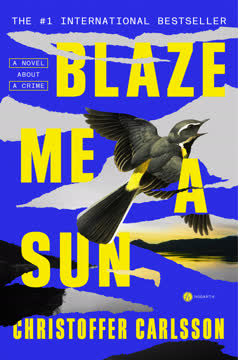
Symbolism of the White Wagtail
The recurring image of the white wagtail serves as a potent symbol throughout the novel. In local folklore, seeing the bird from the front is a bad omen, while seeing it from behind brings good luck. The bird's appearances mark moments of transition, foreboding, and renewal, reflecting the characters' emotional states and the cyclical nature of suffering and healing. The wagtail becomes a metaphor for the unpredictability of fate and the possibility of redemption.
The Burden of Silence and Confession
Silence—whether imposed by trauma, loyalty, or fear—is a central plot device. Characters withhold truths to protect themselves or others, only to find that secrets fester and multiply harm. The eventual confessions—Evy's, Sven's, Gisela's—are acts of both liberation and devastation, forcing characters to confront the consequences of their choices. The novel interrogates the ethics of silence and the necessity of confession, suggesting that both can be acts of love or violence.
Investigative Structure and Procedural Elements
The novel's structure mirrors a police investigation, with the accumulation of evidence, witness statements, and forensic analysis driving the plot. The procedural elements serve not only to build suspense but also to explore the limitations of rational inquiry in the face of human complexity. The investigation becomes a metaphor for the characters' internal quests for understanding, closure, and forgiveness.
Foreshadowing and Circularity
The narrative is rich with foreshadowing—ominous birds, repeated phrases, and the cyclical return of seasons and events. The story's circularity reinforces the idea that the past is never truly past, and that unresolved pain will resurface until it is acknowledged. The ending, with the return of the wagtail and the narrator's contemplation of the future, suggests that healing is possible but never complete.