Plot Summary
Moonlit Promises, Hidden Sins
On a sultry Greek island night in 1936, two cousins, Alexis and Ourania, surrender to the intoxicating pull of first love beneath the full August moon. Their secret union, forbidden by both church and family, is a desperate act of passion and hope. They pledge eternal love, believing that together they can overcome the boundaries set by tradition and blood. Yet, even as they cling to each other in the shadows, the world outside is poised to intrude. The moon, both witness and betrayer, illuminates their innocence and the danger of their desires. This night, both magical and perilous, sets in motion a chain of events that will echo through generations, shaping destinies and leaving scars that time alone cannot heal.
London Fractures, Family Shaken
Decades later in London, Anna's seemingly stable life is shattered when her husband Max suffers a heart attack, then confesses to loving another woman. The family, once close-knit, is thrown into turmoil. Anna, blindsided by betrayal, struggles to comprehend the loss of trust and the collapse of her identity as wife and mother. Her children, Chloe and Alex, react with confusion and anxiety, while Anna's own grief is compounded by memories of her late mother and the weight of responsibility for her aging father, Alexis. The crisis exposes the fragility of happiness and the unpredictable nature of love, forcing Anna to confront uncomfortable truths about herself, her marriage, and the meaning of loyalty.
Return to Island Roots
Reeling from heartbreak, Anna accompanies her father back to their ancestral Greek island. The journey is both a retreat and a homecoming, as the island's familiar sights and scents awaken childhood memories and a sense of belonging. The landscape, unchanged by time, offers comfort and a chance for Anna to reconnect with her roots. Surrounded by extended family and the rhythms of village life, Anna begins to rediscover herself outside the roles of wife and mother. The island's traditions, hospitality, and the enduring presence of her late mother's spirit provide a nurturing environment for healing, even as Anna remains haunted by the unresolved pain of her marriage.
New Friendships, Old Customs
On the island, Anna is quickly drawn into the web of local relationships and customs. She befriends Antonis, a charismatic taverna owner with a complicated past, and Nicos, a reclusive artist whose quiet intensity stirs something within her. The village, ever watchful, gossips about Anna's interactions, reminding her of the suffocating scrutiny of small communities. Yet, these new friendships offer both distraction and insight, as Anna navigates the delicate balance between tradition and personal freedom. Through laughter, late-night conversations, and shared meals, Anna begins to reclaim her sense of self, even as the island's old ways and her father's protectiveness threaten to pull her back into familiar patterns.
Healing in Sun and Sea
Immersed in the island's natural beauty and daily rituals, Anna finds solace in swimming, drawing, and the simple pleasures of village life. Encouraged by Nicos, she rediscovers her passion for art, using her creativity as a means of processing grief and confusion. The act of making—whether sketching the landscape or preparing meals with her aunt Ourania—becomes a form of therapy. The island's timeless rhythms, from the buzzing of cicadas to the scent of lemon trees, ground Anna in the present. Gradually, the wounds inflicted by Max's betrayal begin to heal, replaced by a growing sense of possibility and the quiet joy of self-reliance.
Art, Memory, and Desire
As Anna's artistic confidence returns, so too does her capacity for desire. The camaraderie with Nicos deepens, their shared love of art blossoming into mutual attraction. Anna is surprised by the intensity of her longing, a reminder that passion can ignite at any age. Yet, this awakening is tinged with guilt and uncertainty, as Anna grapples with the boundaries of fidelity and the legacy of her parents' love. The island, with its history of secret romances and unspoken sacrifices, becomes both backdrop and catalyst for Anna's emotional journey. Through art and intimacy, she confronts the complexities of love, loss, and the possibility of renewal.
Forbidden Letters, Buried Love
While seeking refuge in her aunt's house, Anna stumbles upon a cache of old letters hidden in a carved wooden box. The passionate correspondence, written decades earlier, reveals a clandestine love affair between Ourania and a mysterious man, "L." The letters, brimming with longing and heartbreak, expose a hidden chapter of family history—one marked by forbidden desire, separation, and sacrifice. Anna is moved by the depth of feeling and the pain of renunciation, recognizing echoes of her own struggles. The discovery prompts Anna to question the nature of love, the cost of loyalty, and the secrets that shape generations.
Passion's Consequence, Family Secrets
Anna's burgeoning relationship with Nicos culminates in a night of passion, mirroring the secret loves of her ancestors. The experience is both liberating and destabilizing, forcing Anna to confront her own capacity for infidelity and the shifting boundaries of marriage. Simultaneously, she learns more about Ourania's youthful romance with Alexis—her own father—and the impossible choices forced upon them by family and fate. The parallels between past and present become clear: love is rarely simple, and the heart's desires often conflict with duty. Anna is left to grapple with the consequences of her actions and the weight of inherited secrets.
The Past Unveiled
Prompted by Anna's questions and the revelations of the letters, Alexis finally shares the full story of his youth: his forbidden love for Ourania, their separation, and the tragedies wrought by war. He recounts the hardships endured by the family—illness, poverty, occupation, and the devastating accident that left Calliope, Ourania's sister, paralyzed. Alexis's journey takes him from Greece to Cardiff and Naples, where he finds love again with Rosaria, Anna's mother, herself a survivor of trauma and exploitation. The family's saga is one of resilience, sacrifice, and the enduring power of love in its many forms.
War, Loss, and Survival
The narrative shifts to the harrowing experiences of Alexis and Rosaria during World War II. Both are shaped by violence, displacement, and the struggle for survival. Rosaria's childhood is marked by loss, abuse, and forced marriage into a criminal family, while Alexis serves as a translator for the Allied forces, haunted by memories of Ourania and the suffering of his homeland. Their eventual union is an act of mutual rescue, a testament to the possibility of healing even in the aftermath of unimaginable pain. The scars of war linger, but so too does the hope for a better future.
Choices of the Heart
As peace returns, the family must navigate the aftermath of war and the complexities of love. Ourania, having sacrificed her own happiness for her sister, finds solace in teaching and community. Alexis, torn between past and present, builds a new life with Rosaria while never forgetting his first love. Anna, armed with the knowledge of her family's history, must decide whether to forgive Max and rebuild their marriage or pursue a new path. The choices made by each generation reflect the enduring tension between desire and duty, self-fulfillment and loyalty to others.
Reunion, Forgiveness, and Home
In the present, Anna's family is reunited on the island. Max returns, seeking forgiveness and a second chance. Surrounded by her children, father, and aunt, Anna is reminded of the strength and resilience that bind them. The island, once a place of escape, becomes a symbol of home—not merely a location, but a feeling of belonging and acceptance. Anna recognizes that love is multifaceted, encompassing passion, friendship, sacrifice, and forgiveness. The wounds of the past are not erased, but they are integrated into a new understanding of self and family. Anna's journey ends with a sense of peace, gratitude, and the freedom to define her own happiness.
Analysis
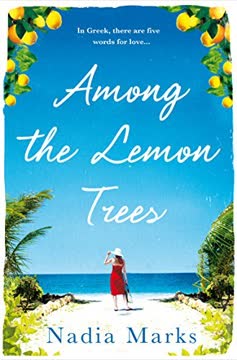
Among the Lemon Trees is a meditation on the enduring, multifaceted nature of love and the ways in which personal and historical traumas shape individual destinies. Through its interwoven narratives, the novel explores the tension between desire and duty, the costs of loyalty, and the possibility of forgiveness. The Greek island setting, with its timeless beauty and insular traditions, serves as both sanctuary and crucible, forcing characters to confront the legacies of the past and the demands of the present. The use of letters, memories, and symbolic imagery grounds the story in both the physical and emotional landscapes of family and home. Ultimately, the novel suggests that love is not a singular or static force, but a spectrum encompassing passion, friendship, sacrifice, and acceptance. The lessons of the book are both universal and deeply personal: that healing requires honesty, that forgiveness is an act of courage, and that home is less a place than a feeling of belonging and connection. In a modern context, the story resonates as a call to embrace complexity, honor the past without being bound by it, and to seek meaning and fulfillment on one's own terms.
Review Summary
Among the Lemon Trees receives mixed reviews, averaging 3.71/5. Many readers appreciate its evocative Greek island setting, dual timeline narrative weaving past and present, and themes of love, family secrets, and forgiveness. Positive reviewers praise its warmth and transportive qualities, calling it an ideal summer read. Critics, however, find the writing simplistic and overly telling rather than showing, characters underdeveloped, and the pacing uneven. Some note the darker historical elements feel incongruous with the lighter contemporary story.
People Also Read

Characters
Anna
Anna is the emotional center of the novel, a woman in her fifties whose life is upended by her husband's infidelity. Her journey is one of self-discovery, as she moves from shock and grief to healing and renewal. Anna's relationships—with her children, her aging father, and her extended family—are marked by deep loyalty and a longing for connection. Psychoanalytically, Anna embodies the struggle between desire and duty, tradition and autonomy. Her affair with Nicos is both a rebellion and a reclamation of self, mirroring the secret passions of her ancestors. Ultimately, Anna's growth lies in her ability to integrate the lessons of the past, forgive herself and others, and redefine what it means to be at home.
Alexis
Alexis is Anna's father, a man whose life has been shaped by the consequences of a youthful, taboo romance with his cousin Ourania. His outward strength and wisdom mask a lifetime of longing, regret, and resilience. Alexis's journey from Greece to England and back is marked by exile, war, and the search for belonging. His marriage to Rosaria is both a refuge and a second chance, yet he never fully relinquishes his love for Ourania. Alexis's psychoanalytic complexity lies in his capacity to love deeply and endure loss without bitterness. His eventual openness with Anna allows for generational healing and the reconciliation of past and present.
Ourania
Ourania is Alexis's cousin and Anna's beloved aunt, a woman whose life is defined by sacrifice and quiet strength. Her early love for Alexis is thwarted by family and fate, leading her to devote herself to her paralyzed sister and the education of village children. Ourania's stoicism masks a well of passion and sorrow, revealed only through her hidden letters and late-life confessions. She represents the archetype of the wise, nurturing matriarch, yet her story is one of unfulfilled longing and the cost of loyalty. Ourania's acceptance of her fate and her ability to find meaning in service to others make her a figure of both tragedy and inspiration.
Max
Max is Anna's husband, a professor whose midlife crisis and affair trigger the novel's central conflict. His identity is tied to achievement and control, making his heart attack and subsequent emotional unraveling particularly destabilizing. Max's infidelity is less about passion than about fear—of aging, mortality, and irrelevance. His journey is one of humility and self-examination, as he seeks forgiveness and attempts to rebuild trust with Anna. Max's psychological arc is marked by ambivalence, vulnerability, and the struggle to reconcile his ideals with his actions. His willingness to return and ask for a second chance is both a sign of growth and a testament to the enduring bonds of family.
Nicos
Nicos is a reclusive painter living in the hills above the village, whose quiet intensity and creative spirit draw Anna out of her shell. He is both a mirror and a foil for Anna, embodying the freedom and passion she has suppressed. Nicos's own history of heartbreak and retreat from society make him sensitive to Anna's pain, and their brief affair is transformative for both. He represents the possibility of reinvention and the healing power of art and intimacy. Nicos's acceptance of impermanence and his lack of possessiveness allow Anna to experience love without guilt or fear.
Antonis
Antonis is a larger-than-life figure, recently returned from America, whose warmth and exuberance embody the spirit of the island. He is both friend and potential suitor to Anna, offering her a glimpse of what life could be outside the constraints of her marriage. Antonis's own failed relationships and longing for home make him a sympathetic confidant. He serves as a bridge between old and new, tradition and change, and his presence brings humor, vitality, and a sense of community to the narrative.
Rosaria
Rosaria is Anna's mother, an Italian woman whose life is marked by loss, abuse, and resilience. Her childhood is a litany of hardship—poverty, exploitation, and forced marriage—yet she emerges with a capacity for love and hope. Rosaria's relationship with Alexis is a mutual rescue, offering both a chance to heal and build a family. Her silence about the past is both a shield and a burden, and her death leaves a void that Anna struggles to fill. Rosaria's story is a testament to the endurance of the human spirit and the possibility of redemption.
Calliope
Calliope is Ourania's younger sister, whose life is irrevocably changed by a tragic accident that leaves her paralyzed. Her vulnerability and dependence become the catalyst for Ourania's greatest sacrifice—the renunciation of her own happiness for the sake of family. Calliope's resilience and optimism in the face of adversity are both inspiring and heartbreaking. She represents the ties that bind and the ways in which love can demand impossible choices.
Chloe
Chloe is Anna's daughter, a young woman on the cusp of adulthood whose sensitivity and insight make her attuned to the family's emotional undercurrents. She is both a source of comfort and a reminder of the responsibilities of motherhood. Chloe's journey mirrors Anna's in its search for identity and belonging, and her presence is a constant reminder of the enduring bonds between mothers and daughters.
Alex
Alex is Anna's teenage son, whose quiet nature and emotional intelligence allow him to navigate the family's upheavals with grace. He is both a witness to and a participant in the family's struggles, embodying the hope for continuity and renewal. Alex's relationship with his grandfather and his ability to adapt to change make him a symbol of resilience and the possibility of healing across generations.
Plot Devices
Intergenerational Parallelism
The novel's structure relies heavily on the interplay between past and present, using the stories of Anna, Alexis, and Ourania to explore recurring themes of forbidden love, sacrifice, and the search for belonging. Letters, memories, and confessions serve as bridges between eras, allowing characters to confront the legacies of their ancestors and find meaning in their own struggles. This parallelism creates a sense of continuity and inevitability, suggesting that the choices and traumas of one generation reverberate through the lives of those who follow.
Letters and Hidden Objects
The discovery of old letters and keepsakes is a central plot device, providing both exposition and emotional resonance. These artifacts serve as physical manifestations of memory and longing, allowing characters to access truths that have been buried or denied. The act of uncovering and reading these letters becomes a metaphor for the process of self-discovery and the unearthing of family secrets.
Setting as Character
The Greek island is more than a backdrop; it is a character in its own right, shaping the destinies of those who inhabit it. Its beauty, traditions, and insularity both nurture and constrain, offering refuge and imposing limitations. The island's cyclical rhythms—harvests, festivals, moon phases—mirror the emotional cycles of the characters, reinforcing the themes of renewal, loss, and the passage of time.
Symbolism of the Moon and Lemon Trees
The recurring imagery of the moon and lemon trees serves as a symbolic thread throughout the novel. The moon, with its phases and power over lovers, represents both the allure and danger of passion. Lemon trees, with their resilience and fragrance, symbolize the enduring sweetness and bitterness of love. These natural elements are woven into the narrative as both setting and metaphor, grounding the characters' experiences in the physical world and the cycles of nature.
Multiple Forms of Love
The novel explicitly references the four Greek words for love—agápe, éros, philía, and storgé—as a way of exploring the complexity and multiplicity of human relationships. Each character embodies different aspects of love, and the narrative interrogates the boundaries between them. This framework allows for a nuanced examination of loyalty, desire, friendship, and sacrifice, challenging simplistic notions of fidelity and fulfillment.
Foreshadowing and Retrospective Revelation
The narrative employs foreshadowing through dreams, conversations, and the gradual unveiling of secrets. Retrospective revelations—such as the true nature of Alexis and Ourania's relationship or the traumas of Rosaria's past—are strategically timed to maximize emotional impact and deepen the reader's understanding of character motivations. This technique creates a sense of mystery and encourages the reader to reconsider earlier events in light of new information.








































