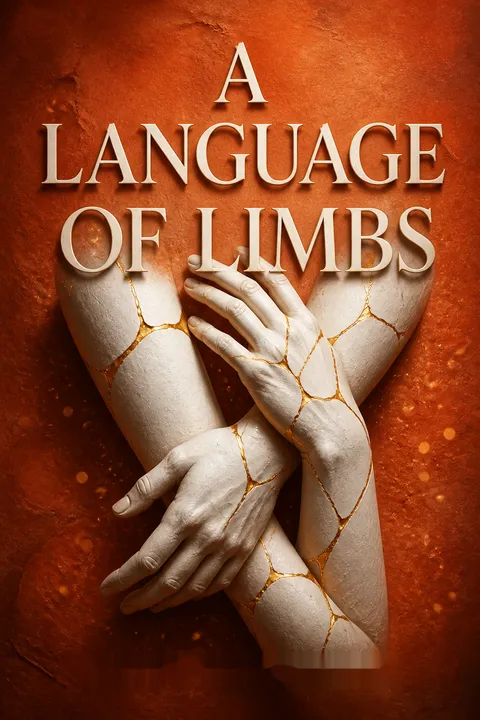

Plot Summary
Garden Shed Awakening
On a sultry 1972 Newcastle night, two teenage girls—best friends—are caught in the throes of first love in a garden shed. Their secret passion is abruptly exposed by a screaming mother, shattering any illusion of safety. The narrator is physically assaulted by her father as consequence for her queerness; love collapses instantly into violence and shame. Bleeding and terrified, she escapes the only home she's ever known. This primal scene haunts the rest of her life, making intimacy synonymous with risk, but also opening the story into an honest reckoning with desire, identity, and the price of honesty. She becomes a ghost in her family, exiled in a single night, with her love for her friend doomed to live only in dreams, symbolizing how queerness, when discovered, can mean rupture and obliteration.
Aftermath and Exile
The next days blur as the narrator, bruised, barefoot and homeless, traverses the city's margins. She survives on stolen clothes, trash-bin food, and memories of better times. The known world is lost—her family has erased her, her school days are abruptly over, her nascent queer joy brutally reversed. She loiters in parks, beaches, and shops, always searching for escape from fear and longing. In this fugue, the kindness of strangers flickers—a truck driver, also queer, called Dave, rescues her. Together, they head toward Sydney, where Dave introduces her to a queer found-family—Uranian House—marking both a literal and metaphorical crossing from destruction toward a fragile hope of belonging and survival.
Masked Normality
Her former best friend suppresses her queerness, falling into the roles expected by her family and society: she gets a boyfriend (Greg), attends dances, and plays at being straight. Dreams of her friend linger, full of guilt, flesh, and desire, but she tries to drown them out with heteronormative rituals and academic achievement. Even as she excels in the library and at school, her silences become armor—her lips stitched closed by social expectation. Entering adulthood, she increasingly finds herself split, longing to be "the good daughter," and haunted by what could have been. Her queerer self is ghostly, never allowed to speak aloud, only acknowledged in fleeting traces at the edges of her consciousness.
Parallel Loves, Parallel Lives
Through the 1970s and 80s, the two women live in parallel: the narrator, now living at Uranian House, grows deep roots in the gay, lesbian, and trans community, moving through years of activism and heartbreak, making art and love; the other finishes high school, goes to university, and falls for a gentle, creative man named Thomas. Their circles sometimes brush—a protest, a university corridor, echoes in a museum, a dance floor—but never quite touch. Each finds love—one with women, one (she believes) with a man. Both build families: one biological, one chosen. Yet their lives are shaped by the magnetic pull of the unresolved, the what-if that hovers over every intimacy.
Drift into Memory
The narrator falls deeply for Caragh, an artist whose body and art become her inspiration and mirror. Domesticity, passion, art-making, and the constant joy and stress of queer communal living form much of her days. Brief flare-ups—violence, betrayals, jealousy, identity clashes—are tempered by shared meals, drink, and especially, collective creativity. Meanwhile, her old best friend marries Thomas, grows her career, and tentatively learns to want her life, but is never quite free of that original, aching loss. Both women drift into ever-deeper memory—one haunted by "what if," the other by "what could be." Their realities become increasingly shaped by remembering as much as by living.
Finding Chosen Family
As the AIDS crisis arrives, the narrator's world contracts and expands: many beloved friends, mentors, and lovers die. Uranian House, once full of life and music, becomes a sanctum for the grieving and sick. Still, the group resists with laughter, defiant joy, bad dancing, and care. Ceremonies become central—funerals, wakes, art openings, and clandestine weddings—each asserting the value of queer love in the face of hatred and erasure. The language of limbs—touch, art, movement—replaces words for what queer family means: it is skin, community as living tissue. Meanwhile, the former best friend's family legacies—prejudice, but also hope—shape her parenting and sense of possibility. In both women's lives, family is an act of making and remaking.
Divergence and Decisions
The narrator and Caragh's relationship splinters as old wounds resurface—trust, biphobia, secrets—replaying the old tension between survival through silence and survival through openness. They break apart, each spiraling into self-questioning and isolation. In parallel, the other woman's marriage with Thomas, though loving, cracks under the undiscussed weight of griefs (lost children, cultural gaps, withheld truths). They too must decide what (and who) can be carried forward, and what must be left behind. In both stories, letting go is as painful as holding on, and to move on is to accept the impossibility of a perfect, healed past.
Reclaiming the Self
In recovery, the narrator cuts her hair—"handsome, Claude"—reclaiming a masculinity and nonbinary identity that feels right for the first time. The poetry, art, and activism intensify: language becomes the scaffold for surviving grief, and also for memorializing the fallen. She assembles her poems under a pseudonym, seeking publication as both shield and self-affirmation. Meanwhile, her counterpart, now a successful editor and free from marriage, moves closer to the sea, embracing solitude, friendship, and swimming as embodied healing. Both women refuse erasure—the option of "normalcy" is replaced by deliberate choices to narrate their own story, even if the world is hostile.
Activism and Belonging
From the first Mardi Gras and brutal police crackdowns to the COVID-19 pandemic echoing past griefs, activism is both a lifeline and a wound. Uranian House becomes both a haven and a front line: protests, organizing, bribes to the police to stay safe, and underground parties all pulse with collective energy. The narrator's poetry and Caragh's art draw directly from their lived experiences—rage and joy are indistinguishable, and celebration is itself a form of resistance. Yet, the brutality of the outside—slurs, violence, and state-sanctioned silence—constantly tests the boundaries of chosen family, memory, and belonging.
Joy Amid Violence
Love (romantic, platonic, artistic) persists even as death decimates the community. The weddings and gallery openings, late-night kitchen conversations and lazy mornings in bed, children's birthdays and New Year's toasts, all become radical acts of insistence: "the price we pay for this love." The narrator resists shame, learning to let her pleasure be seen and heard: "scream for me." Even losses—funerals, the closure of Uranian House, the city's gentrification—are met with dark humor, ribald storytelling, and art. In the midst of violence and pandemic, the ordinary shines, brief but searingly.
Love, Legacy, Loss
The story turns to the unbearable: Caragh is murdered in a senseless act of hate; the narrator is denied the dignity of grieving as a spouse—not entitled to even see the body, not "real" family. On the other shore, the other woman gives birth to a stillborn daughter and finds her marriage finally exhausted by unspoken pains. The barriers of law, language, and custom—who gets to be recognized, who gets to mourn—are unyielding. The weight of loss feels beyond what words can hold. Yet, the survivors carry their beloveds on—writing, swimming, art-making, learning to keep going even when joy feels impossible.
Making and Unmaking
Renaming, re-narrating, and making are the tools of continued survival. The narrator, now "Lucy," collects her poems and sends them to a publisher under a new name. The other, now an editor, receives and recognizes the collection's trembling, exuberant honesty—spotlighting the power of queer art to build new worlds out of ruin. Their artistic paths, at last, near a kind of intersection: not reunion in flesh, but communion in words, the language of limbs, the living archive of survival. Death and transformation are not ends but invitations to re-invention.
Endings and Ghosts
Friends leave the city, the last safe places close, and the vibrant world of youth gives way to solitude, reflection, and mature love. Ghosts—the dead, the almost-loves, and the lost possibilities—haunt daily life, but also inspire a new mode of living: each swim, poem, or act of kindness holds the memory of collective struggle and joy. The old borders blunt as new kinships arise in unexpected places—a handkerchief from a stranger, a gentle swim, laughter over memories. Grief becomes another word for living in the company of the dead.
Naming Pain, Claiming Self
New language is sought—"slaughter punched" replaces "king hit," shame is rewritten into pride, and "queer" is reclaimed as verb and adjective. Each act of renaming is an act of survival. Marg, Dave, and Johnny become the last witnesses to a generation, their stories and wounds shaping how loss can be remembered without being enclosed by it. Writing, reading, and witnessing become sacred, shared acts—the survivors becoming their own historians, eulogists, and kin.
Living as Mourning
For both women, grief is not sadness alone—it is desire, horniness, horror, art, and longing combined. Mourning is shaped not just by what is lost, but by the refusal to let love and history be erased by violence or indifference. The pain and pleasure of the past live on in the body, manifesting in sex, swimming, art, poetry, and memory. Life, even as it contracts through age and loss, remains riotously charged by the presence of the beloved dead.
Letting Go and Becoming
Acceptance does not erase absence, but allows life to keep unfolding. The narrator learns to celebrate new loves, platonic and romantic—falling again, allowing herself to be vulnerable anew. Her poetry, and her life, become less about fixing the past and more about continuing to make meaning. The old traumas and loves become part of her, not burdens to be overcome, but roots to stand upon as she moves toward gently held futures, open to joy as much as she is to loss.
New Murmurations, New Futures
As the story closes, the narrator meets a new love and swims into the future, gentler and more accepting of her own complexities. The cycles of community, love, trauma, survival, and joy continue, reframed with the wisdom of all that has been endured. Both lives—the surviving narrator and her parallel counterpart—commit to living fully in the now, loving bravely and making art, even when the world remains unsafe. The language of limbs—of touch, of witness, of poetry—remains the truest medium for telling and surviving their stories.
Analysis
A Language of Limbs is a profoundly embodied, poetic, and structurally ambitious exploration of love, violence, trauma, and queer survival spanning three decades of tumultuous Australian history. Through its dual narrative structure and recursive, memory-driven storytelling, the novel traces the dangerous, exhilarating, and ultimately world-shaping possibilities of queer first love—and the shattering consequences of its discovery in a world saturated with bigotry. The parallel lives of the narrator and her first love force readers to reckon with the costs of silence versus the risks of openness, the healing and haunting power of chosen family, and the relentless pressure of external violence (from family, state, and disease) that both tests and forges identity. The book is most potent in its attention to the textures of everyday life—sex, food, parties, art, the small gestures that build community and possibility amidst despair. It refuses the neat closure of either tragedy or assimilation, insisting instead on the messy, ongoing work of invention, reinvention, and mourning as collective and creative acts. The lessons are urgent for today: that joy is radical, that witnessing and naming are acts of justice, and that the most precarious art—the language of limbs—remains a vital source of hope and transformation for those policed and shamed by the world.
Characters
Narrator ("Little Dave" / Claude / Lucy)
The heart of the story, she embarks on a journey from the shame and violence of her queer awakening to exile, survival, and the creation of chosen family. Her psychic landscape is marked by the original wound of homophobic violence, the unspeakable forbidden love for her best friend, and the perpetual search for belonging. At Uranian House she finds kin—a surrogate queer family that both rescues and shapes her destiny. Across three decades, she navigates love, heartbreak (especially with Caragh), activism, art, and mourning. She evolves from fearful, repressed youth to an audacious, complex adult—claiming and experimenting with gender (embracing "handsome" masculinity), creative power (poetry and art), and radical vulnerability. Her transformation is ongoing, her trauma ever-present, but she is ultimately defined by her ability to invent new language—and new futures—for herself and her kind.
The Best Friend (Unnamed, later Thomas's wife)
She is the narrator's first love whose silence and inability to reciprocate queerness manifests as both safety and tragedy—a survival mechanism in a hostile world. She drifts down a "normal" path: boyfriends, straight marriage (to Thomas), university, domestic and literary success, still deeply haunted by the original rupture with her best friend. Beneath her conformist surface is a well of yearning, regret, and sexual ambiguity—her emotional arc is a gradual awakening to the cost of a safe, closeted life. Her maturity is marked by the acceptance of uncertainty, eventual divorce, and the rekindling of self through work, friendship, and swimming. She is both foil and twin to the narrator.
Caragh
Caragh is fiercely independent, vibrantly alive, and embodies artistic and sexual freedom. Her relationship with the narrator is intensely passionate and collaborative: together they make art, challenge each other, and model the radical possibilities of queer love. Their partnership is tempestuous—interrupted by internalized biphobia, trauma, and lingering fears. Caragh's murder is the story's emotional climax, rendering the costs of homophobia and male violence unspeakable, yet galvanizing the narrator's art and activism. In death, Caragh becomes both wound and muse—her memory inscribed in every act of survival.
Dave ("Big Dave")
Dave first appears as the literal and figurative rescue—the first adult who sees, names, and saves the narrator after their exile. He embodies the generational weight of queer shame and loss (his own hidden love for Andrew), but also a strong sense of found kin. As the years unfold, Dave's warmth, loyalty, and quiet wisdom provide crucial support in times of crisis and mourning. His arc is a lesson in endurance, survival, and the gradual embrace of acceptance—he permits himself joy and love only late in life, after profound losses.
Marg
Marg is a tough, loving, Indigenous lesbian who has also suffered monumental loss (Ruby, her first love), and who anchors Uranian House through decades of change. Her home is shelter, her touch is healing, but she is neither idealized nor immune to pain—her own trauma as part of the Stolen Generations shapes much of her worldview. Marg is the teacher and comforter, but also the organizer—direct, deeply loyal, and the last to leave the ship as the world changes. Her wisdom or challenge often pushes the narrator to grow.
Johnny
Johnny is the heart of Uranian House's social life: witty, sharp, vulnerable, and insistent on joy even in the face of suffering. Of First Nations background, he embodies intersectionality and the complexities of loving, organizing, and surviving as both Black and queer in Australia. His romance with Geoff and his friendship with the narrator are testaments to chosen family, joy, forgiveness, and the price of survival. His grief when Geoff succumbs to AIDS is wrenching, but his continued presence is a living archive of communal love.
Daphne
Daphne is both the mother and icon for several generations at Uranian House—courageously trans, witty, and wise. She leads ceremonies, holds secrets, and is the wellspring of stories and strength, especially for Marg and the narrator. Her murder is another psychic blow, illustrating both the preciousness and precarity of trans life. Even in death, Daphne's resilience and humor endure in memory and in the legacy of care she bestows.
Thomas
Thomas is the loving, if sometimes obtuse, counterpoint to his wife's queer longings and traumas. Quiet, literary, emotionally sincere yet at times self-absorbed, he tries to create a "safe" marriage but ultimately cannot bridge the gulf between their histories and wounds. His journey details the pain of unspoken truths—about sexuality, family history, and loss—and the limitations of even the best-intentioned heterosexual partnership when it refuses to engage the fullness of lived experience.
Geoff
Geoff is the narrator's artistic mentor and Johnny's beloved—a gentle, creative soul whose illness and death encapsulate the devastation of AIDS and the hard-won grace of forgiveness. His loss (and the bedside wedding that precedes it) cements not just the depth of love in queer lives, but also the need for ritual, art, and communal resilience in the face of mortality.
Pearl
Pearl is the mid-to-late life professional who receives the narrator's poetry and serves as a hinge between the insular world of queer survival and the broader world's recognition. Her pragmatic, sometimes cutthroat approach to publishing is offset by her willingness to learn, witness, and value the authenticity and artistry of queer narrative. In extending possibility and validation, she represents the chance for the personal to become political, private trauma transformed into lasting literature.
Plot Devices
Parallel Structure and Alternating Voices
The novel masterfully splits and braids two central voices—the exiled, openly queer narrator, and her closeted childhood friend—following simultaneous and occasionally intersecting trajectories. This narrative mirroring makes every rupture and moment of tenderness resonate with double meaning: each triumph is undercut by what is lost in the parallel life, and each tragedy is refracted through the "what if" of the road not taken. This structure is reinforced by poetic device—the use of "limb one/limb two" sections, short bursts of narration, and experimental forms—and by meta-tools like writing, art, and performance as both theme and mode.
Memory, Flashback, and Nonlinear Temporalities
The narrative is non-linear—memories intrude, dreams disrupt, and present-tense experiences are always contested by recollections or haunting visions. This dynamic enacts the psychological texture of trauma: the inability to "move on," the ever-presentness of loss, and the way old wounds persist in the body. Repetition, recursive references to events (like the garden shed), and the use of dreams and poetic asides reinforce this.
Art as Salvation, Witness, and Language
Writing, painting, public protest, and later, the curation and publication of poetry collections are lifelines for the characters. Art is a way to bear witness both to beauty and to horror, to archive lost lives, and to construct modes of recognition unavailable in mainstream culture or the law. The "language of limbs" becomes a stand-in for a lexicon beyond constraint—embodied, erotic, collective.
Queerness and Renaming
The novel constantly interrogates the power—and insufficiency—of language: "queer" as slur and badge, "king hit" versus "slaughter punch," eulogy versus silence. Renaming and pseudonyms provide both liberation and ambivalence; the use of alternate names (Claude, Lucy) and the refusal, at times, to speak names reflects on the limited ways social language accommodates queer experience. Naming is both shield and stake.
Mirror Images and Doubling
The protagonist and her childhood friend are doubles: their bifurcated paths illustrate the tension between living openly and living in fear, between biological family and chosen family, between surviving and thriving. Other mirrors proliferate: artistic collaborations, repeated deaths and funerals, failed and successful loves, the literal mirroring of bodies in pool and bed. This device foregrounds both loss and possibility—the universality and particularity of queer experience.
Historical Context and Collective Trauma
The personal stories are inseparable from history's sweep: the first Mardi Gras, the devastation of AIDS, the perpetual violence and discrimination faced by LGBTQ+ Australians. Real events, such as the Sydney Morning Herald's publication of arrestees' names and the AIDS epidemic, anchor the narrative in collective trauma and resilience, rendering the personal fiercely political.
Download PDF
Download EPUB
.epub digital book format is ideal for reading ebooks on phones, tablets, and e-readers.








































