Temel Çıkarımlar
1. Zen Budizmi: Uyanışa Doğrudan Bir Yol
Zen, bir yandan patates soyarak Tanrı’yı düşünmekle maneviyatı karıştırmaz. Zen maneviyatı, sadece patates soymaktır.
Doğrudan deneyim. Zen Budizmi, entelektüel anlayış ya da felsefi kavramların ötesinde, gerçekliğin doğrudan ve kişisel deneyimine vurgu yapar. Bireyleri, zaten tamamlanmış ve mükemmel olan gerçek doğalarına uyandırmayı amaçlar.
Sözcüklerin ve kavramların ötesinde. Zen, nihai gerçeğin kelimelerle ya da düşüncelerle yakalanamayacağını öğretir. Uygulayıcıların kavramsal düşüncenin ötesine geçip gerçekliği doğrudan deneyimlemelerine yardımcı olmak için çeşitli yöntemler kullanır:
- Meditasyon (zazen)
- Koanlar (paradoksal sorular veya ifadeler)
- Öğretmenden öğrenciye doğrudan aktarım
Gündelik aydınlanma. Zen, aydınlanmayı uzak bir hedef olarak değil, sıradan hayatın her anında hemen erişilebilir bir durum olarak görür. Uygulayıcıları, basit ve günlük aktivitelerde uyanışı bulmaya teşvik eder.
2. Tao Felsefesi: Doğallığı ve İkilikten Uzaklığı Kucaklamak
Mükemmel Yol zorluk içermez, tek şartı seçip ayırmaktan kaçınmaktır.
Tao, doğal yol olarak. Tao ya da “Yol,” evrenin temel prensibini, doğanın kendiliğinden ve zahmetsiz akışını ifade eder. Taoizm ve Zen, bu doğal akışa karşı direnmek yerine ona uyum sağlamayı vurgular.
İkilikten uzaklık ve karşılıklı bağlılık. Taoizm ve Zen, katı ikili düşünceyi reddeder; zıt gibi görünen kavramları birbirine bağlı ve nihayetinde bir bütün olarak görür:
- İyi ve kötü
- Özne ve nesne
- Benlik ve öteki
Wu-wei: zahmetsiz eylem. Her iki gelenek de wu-wei’yi, yani “yapmama”yı savunur; Tao ile uyum içinde kendiliğinden ve zahmetsizce hareket etmeyi:
- Zorlama ya da çaba göstermeme
- İşlerin doğal akışına bırakılması
- Duruma esnek yanıt verme
3. Mahayana Budizmi: Boşluk ve Merhamet
Form boşluktan farklı değildir; boşluk formdan farklı değildir.
Boşluk (sunyata). Zen’i de kapsayan Mahayana Budizmi, tüm olguların bağımsız, kendine özgü bir varlığı olmadığını, yani “boş” olduğunu öğretir. Bu, şeylerin var olmadığı anlamına gelmez; aksine, varlıklarının karşılıklı bağımlılıkla gerçekleştiğini gösterir.
Merhamet (karuna). Boşluğun farkına varmak, tüm varlıkların birbirine bağlı olduğunu görmekle doğal olarak merhameti doğurur. Bodhisattva ideali, bilgelik ve merhametin bu birleşimini temsil eder:
- Tüm varlıkların yararına aydınlanmayı aramak
- Dünyayla etkileşimde kalırken onun nihai doğasını anlamak
Bağlanmama. Boşluğu anlamak, sabit fikirler, deneyimler ya da sonuçlara tutunmamayı sağlar. Bu da hayatta daha fazla özgürlük ve doğallık getirir.
4. Zen’in Yükselişi: Çin’den Japonya’ya
Yazıtların ötesinde özel bir aktarım; sözcükler ve harfler üzerine kurulmamış; doğrudan zihne işaret ederek kişinin gerçek doğasını görmesini sağlar ve böylece Buddhalığa ulaşılır.
Çin kökenleri. Zen (Çince’de Chan), Hint Budizmi ile Çin’in yerel düşüncesi, özellikle Taoizm’in sentezi olarak Çin’de ortaya çıktı. Gelişiminde önemli isimler şunlardır:
- Bodhidharma (5.-6. yüzyıl)
- Hui-neng (638-713)
- Lin-chi (ö. 866)
Japonya’ya aktarımı. Zen, 12. ve 13. yüzyıllarda Japonya’ya ulaştı ve Japon kültürü üzerinde derin etkiler bıraktı:
- Eisai (1141-1215) Rinzai Zen’i getirdi
- Dogen (1200-1253) Soto Zen’i kurdu
Kültürel etkisi. Zen’in sadelik, doğrudanlık ve doğallık vurgusu Japon kültürünün çeşitli alanlarını etkiledi:
- Sanatlar (resim, şiir, kaligrafi)
- Dövüş sanatları
- Çay seremonisi
- Bahçe tasarımı
5. Zen Uygulaması: Meditasyon ve Koan Sistemi
Buddha Yolunu çalışmak, kendini çalışmaktır. Kendini çalışmak, kendini unutmaktır. Kendini unutmak, sayısız şey tarafından gerçekleştirilmek demektir.
Zazen (oturarak meditasyon). Zen’in temel uygulaması zazen, yani “sadece oturmak”tır:
- Duruş ve nefese odaklanmak
- Düşünceleri bağlanmadan gözlemlemek
- Şimdiki an farkındalığını geliştirmek
Koan uygulaması. Koanlar, mantıksal düşünceyi zorlayan ve içgörü uyandıran paradoksal soru ya da ifadelerdir:
- “Tek elin sesi nedir?”
- “Anne baban doğmadan önceki asıl yüzün nasıldı?”
Gündelik uygulama. Zen, meditasyon farkındalığını günlük yaşamın her alanına taşımayı önemser:
- Bilinçli yemek yeme, yürüme, çalışma
- Her etkinliği bir uygulama fırsatı olarak görmek
- Sürekli farkındalık geliştirmek
6. Günlük Hayatta Zen: Farkındalık ve Doğallık
Açken ye; yorgunken uyu.
Şimdiki an farkındalığı. Zen, geçmiş ya da gelecek düşüncelerine kapılmak yerine, şimdiki anı dolu dolu yaşamayı teşvik eder:
- Duyusal deneyimlere dikkat etmek
- Her etkinliğe tam katılım göstermek
- Zihinsel yorumlardan vazgeçmek
Doğallık ve doğaçlama. Zen, berrak ve karmaşadan uzak bir zihinden doğan doğal, yapmacıksız davranışı değerli kılar:
- Kendini düşünmeden hareket etmek
- Her duruma uygun şekilde yanıt vermek
- Doğuştan gelen bilgelik üzerine güvenmek
Sıradan zihin, Yol’dur. Zen, aydınlanmanın günlük yaşamdan ayrı özel bir durum olmadığını, sıradan deneyim içinde net görüldüğünde bulunduğunu öğretir:
- Sıradanın içinde olağanüstüyü bulmak
- Özel deneyimler aramamak
- Doğuştan gelen Buddha doğasını tanımak
7. Zen ve Sanatlar: İfade Edilemeyeni Dile Getirmek
Yaban kazları yansımalarını vermek istemez; suyun da onların görüntüsünü almak gibi bir niyeti yoktur.
Zen’in sanatsal ifadesi. Zen anlayışını ve estetiğini ifade etmek için çeşitli sanat biçimleri kullanılmıştır:
- Kaligrafi ve mürekkep resim
- Şiir (özellikle haiku)
- Çay seremonisi
- Bahçe tasarımı
Temel estetik ilkeler:
- Sadelik ve minimalizm
- Doğallık ve doğaçlama
- Kusur ve geçiciliğin takdiri
- Açıkça ifade etmek yerine ima etmek
Tekniğin ötesinde. Zen sanatları, öğrenilmiş tekniklerin ötesine geçip gerçek doğayı doğrudan ifade etmeyi vurgular:
- Sanatsal uygulamada “boş zihin” geliştirmek
- Eserin kendiliğinden ortaya çıkmasına izin vermek
- Sanat yapmayı bir meditasyon biçimi olarak görmek
İnceleme Özeti
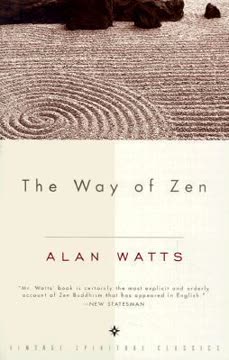
Zen Yolu, Zen Budizmi’ne dair açık ve anlaşılır bir giriş sunmasıyla övgü toplar; tarihini, felsefesini ve uygulamalarını derinlemesine inceler. Okuyucular, Watts’ın karmaşık Doğu kavramlarını Batılılara sade ve etkili bir şekilde aktarma becerisini takdir ederken, bazı bölümleri zorlayıcı bulabilir. Kitap, Zen’in sanat ve kültür üzerindeki etkisini keşfetmesiyle değer kazanır. Pratik bir rehber olmasa da, geleneksel düşünceyi sorgulatan ve yaşam, bilinç ile gerçekliğin doğasına dair yeni bir bakış açısı sunan düşündürücü bir eser olarak kabul edilir.
Diğer Okunanlar

SSS
What's The Way of Zen about?
- Exploration of Zen Buddhism: The Way of Zen by Alan W. Watts explores the philosophy and practice of Zen Buddhism, tracing its historical roots and cultural significance. It integrates elements from both Taoism and Buddhism, emphasizing a unique approach to liberation.
- Cultural Context: The book discusses the growth of interest in Zen in the West, particularly post-World War II, and its resonance with contemporary thought. It highlights parallels between Zen and modern scientific and psychological insights.
- Two-Part Structure: Divided into two main parts, the first focuses on the background and history of Zen, while the second addresses its principles and practices. This structure helps readers understand both the historical context and practical applications of Zen philosophy.
Why should I read The Way of Zen?
- Comprehensive Overview: Alan Watts provides a thorough introduction to Zen Buddhism, making it accessible for both beginners and those with prior knowledge. His engaging writing style and clear explanations demystify complex concepts.
- Cultural Exchange: The book encourages exploration of the intersections between Eastern and Western philosophies, fostering a deeper understanding of both. Watts emphasizes learning from Zen without directly importing it from its cultural origins.
- Personal Insight: Watts shares personal experiences and insights from studying Zen, adding a relatable and human element to the text. This invites readers to reflect on their own lives and beliefs.
What are the key takeaways of The Way of Zen?
- Zen as Liberation: Zen is presented as a "way of liberation" rather than a strict philosophy or religion, emphasizing direct experience and personal insight over dogma and intellectual understanding.
- Embracing the Void: A central theme is the acceptance of the "Great Void," which is not to be feared but embraced. True freedom comes from letting go of attachments and preconceived notions.
- Non-Duality: The book highlights the Zen perspective of non-duality, where distinctions between self and other, subject and object, dissolve. This understanding is crucial for achieving enlightenment.
What are the best quotes from The Way of Zen and what do they mean?
- "Above, not a tile to cover the head; Below, not an inch of ground for the foot.": This quote encapsulates the Zen attitude towards existence, emphasizing freedom and detachment from material concerns.
- "The Tao which can be spoken is not the eternal Tao.": Reflects the limitations of language in conveying reality's essence, underscoring that ultimate truths are beyond verbal expression.
- "Those who know do not speak; those who speak do not know.": Highlights the paradox of wisdom in Zen, suggesting that genuine insight transcends words and cannot be fully articulated.
How does The Way of Zen address the relationship between Zen and Taoism?
- Shared Philosophical Roots: Watts explores how Zen Buddhism is deeply influenced by Taoist thought, particularly in its understanding of nature and spontaneity. Both traditions emphasize living in harmony with the natural world.
- Complementary Practices: Zen incorporates Taoist practices, such as meditation and mindfulness, to achieve liberation. This blending enriches the Zen experience and offers diverse pathways to enlightenment.
- Cultural Exchange: Historical interactions between Zen and Taoism have shaped each other over time, leading to a unique synthesis that characterizes Zen as a distinctly Chinese form of Buddhism.
What is the role of meditation (za-zen) in Zen practice according to The Way of Zen?
- Central Practice: Za-zen, or sitting meditation, is fundamental in Zen, cultivating mindfulness and awareness. It allows practitioners to quiet the mind and connect with their true nature.
- Direct Experience: Meditation is not merely a technique but a means to experience reality directly, emphasizing presence without attachment to thoughts or distractions.
- Path to Enlightenment: Regular practice of za-zen leads to insights and awakenings, deepening understanding of oneself and the world, essential for realizing one's Buddha nature.
How does The Way of Zen explain the koan method?
- Definition of Koan: A koan is a paradoxical question or statement used in Zen practice to provoke deep thought and insight, often leading to moments of awakening.
- Purpose of Koans: Designed to exhaust the logical mind, koans push practitioners beyond conventional thinking to experience a direct understanding of reality.
- Training Process: Students engage with koans under a master's guidance, emphasizing personal discovery rather than rote memorization of answers.
What is "wu-wei" and how does it relate to Zen practice in The Way of Zen?
- Concept of Non-Action: Wu-wei translates to "non-action" or "effortless action," emphasizing alignment with the natural flow of life. In Zen, it encourages spontaneous, unforced action.
- Naturalness in Action: True effectiveness comes from allowing things to unfold naturally rather than forcing outcomes, aligning with Zen's belief in trusting intuition and inherent wisdom.
- Integration with Zen Philosophy: Wu-wei reflects the non-dualistic nature of reality, allowing individuals to experience a deeper connection to their true nature and the world.
How does The Way of Zen address the concept of enlightenment?
- Non-Duality of Enlightenment: Enlightenment is not a distant goal but an inherent aspect of our being, suggesting that we are already Buddhas at our core.
- Letting Go of Seeking: Pursuit of enlightenment can be counterproductive, as expressed in the quote, “To seek the Buddha and to seek the Dharma is precisely making karma for the hells.”
- Awakening in Everyday Life: Enlightenment is portrayed as a natural state realized through everyday actions and experiences, rather than through rigorous spiritual practices alone.
What is the significance of the "Bodhi Tree" in Zen according to The Way of Zen?
- Symbol of Awakening: The Bodhi Tree is where Siddhartha Gautama attained enlightenment and became the Buddha, symbolizing the potential for awakening within all individuals.
- Connection to Nature: Represents interconnectedness of all life and the importance of being present in nature, with Zen practice emphasizing mindfulness as a path to enlightenment.
- Cultural Heritage: Serves as a reminder of Zen's historical roots and evolution, connecting practitioners to the broader Buddhist tradition while embodying unique aspects of Zen philosophy.
How does The Way of Zen differentiate between Zen schools?
- Rinzai vs. Soto: Watts outlines differences between the Rinzai and Soto schools, particularly in their approaches to meditation and koan practice.
- Rinzai Emphasis on Koans: Focuses heavily on the koan method, encouraging intense seeking and doubt to provoke awakening.
- Soto Focus on Za-zen: Emphasizes za-zen as a practice of simply sitting and being present, without striving for specific outcomes or enlightenment.
What are the challenges of understanding Zen as presented in The Way of Zen?
- Cultural Differences: Western readers may struggle with Zen concepts due to cultural and philosophical differences, as Zen's non-linear, paradoxical nature can be challenging.
- Language Limitations: Language limitations in conveying Zen teachings can lead to misunderstandings, as many concepts are inherently ineffable.
- Personal Experience Required: Understanding Zen requires personal experience rather than mere intellectual study, with practice and meditation essential for grasping its essence.
Yazar Hakkında
Diğer kitapları: Alan W. Watts