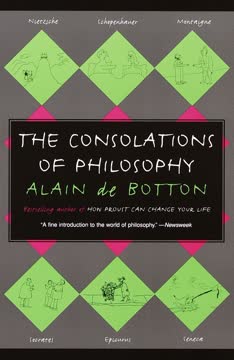
Temel Çıkarımlar
1. Sokrates: Entelektüel Bağımsızlığın Vücut Bulmuş Hali
"Eğer böyle bir soğukkanlılığı yakalayamıyor, karakterimiz ya da başarılarımız hakkında birkaç sert söz duyunca hemen gözyaşlarına boğuluyorsak, bu belki de başkalarının onayı olmadan kendimizi haklı görme kapasitemizin zayıf olmasındandır."
Sağduyuyu sorgulamak. Sokrates, toplumsal normlara meydan okuma ve derinlemesine yerleşmiş inançları sorgulama cesaretinin en güzel örneğidir. Gerçek bilgelik, kendi cehaletimizi kabul etmek ve varsayımlarımızı sürekli gözden geçirmekle gelir.
Sokratik yöntem. Bu yaklaşım şu adımları içerir:
- Sağduyu olarak kabul edilen bir ifadeyi belirlemek
- Onun yanlış olabileceğini hayal etmek ve istisnalar aramak
- İlk ifadeyi istisnaları göz önünde bulundurarak yeniden şekillendirmek
- Çürütülemeyen bir ifadeye ulaşana kadar süreci tekrarlamak
Bu yöntemle karmaşık konuları daha incelikli ve doğru biçimde anlayabilir, entelektüel bağımsızlık ve eleştirel düşünme becerilerimizi geliştirebiliriz.
2. Epikuros: Mutluluğu Sadelikle Yeniden Tanımlamak
"Azla yetinmeyen adam hiçbir şeyden tatmin olmaz."
Mutluluğun temel taşları. Epikuros, gerçek mutluluğun:
- Dostluk
- Özgürlük
- Düşünce (tefekkür)
gibi unsurlardan kaynaklandığını savunur. Ona göre maddi zenginlik ya da lüks, tatmin için bu unsurlar kadar önemli değildir.
Tüketim kültürüne meydan okumak. Epikuros’un felsefesi bizi:
- Doğal ve gerekli arzular ile yapay ve gereksiz olanları ayırt etmeye
- Sonsuz isteklerin peşinden koşmak yerine temel ihtiyaçları karşılamaya
- Basit zevklerde ve anlamlı ilişkilerde mutluluk bulmaya teşvik eder
Bu bakış açısını benimseyerek, materyalizmin getirdiği kaygı ve tatminsizlikten kurtulabilir, daha huzurlu ve doyurucu bir yaşam sürebiliriz.
3. Seneca: Stoacı Bilgelikle Zorlukları Kucaklamak
"Tatminin bileşenlerini anında kontrol edemediğimiz için acı çekeriz."
Talihsizliklere hazırlık. Seneca, şunları önerir:
- Olumsuz senaryoları önceden düşünmek (negatif görselleştirme)
- Akıl yoluyla duygusal dayanıklılık geliştirmek
- Kontrolümüz dışındaki şeyleri kabullenmek
Acıyı bilgelik haline dönüştürmek. Stoacı yaklaşım şunları içerir:
- Dış olayların tarafsız olduğunu, sıkıntının yargılarımızdan kaynaklandığını fark etmek
- Zorlukları büyüme fırsatı olarak yeniden çerçevelemek için aklı kullanmak
- Cesaret, adalet ve özdenetim gibi erdemleri zorluklar karşısında geliştirmek
Bu uygulamalarla duygusal istikrar kazanabilir ve hayatın en zor anlarında bile anlam bulabiliriz.
4. Montaigne: Kusurlu İnsan Doğasını Kutlamak
"En kaba hastalığımız, varlığımızı küçümsemektir."
İnsanlığımızı kucaklamak. Montaigne bizi:
- Bedensel işlevlerimizi ve kusurlarımızı kabul etmeye
- İnsan adetleri ve inançlarındaki çeşitliliği tanımaya
- Toplumsal normları ve önyargıları sorgulamaya davet eder
Öz incelemenin değeri. Montaigne’nin Denemeleri şunları gösterir:
- İç gözlem ve dürüst öz yansıtmanın önemini
- Kişisel deneyimin bilgelik kaynağı olarak zenginliğini
- Yazmanın kendini keşfetme ve anlama aracı olarak gücünü
Montaigne’nin izinden giderek, kendimizi daha çok kabul edebilir ve insan deneyimini daha derinlemesine anlayabiliriz.
5. Schopenhauer: Sevginin Biyolojik Zorunluluğunu Anlamak
"Bunun belirlediği şey, gelecek neslin yapısıdır... insan ırkının varlığı ve özel yapısıdır."
Sevgi bir biyolojik dürtüdür. Schopenhauer’a göre:
- Romantik çekim, bilinçdışı üreme isteğiyle yönlendirilir
- Genetik zayıflıklarımızı tamamlayacak partnerlere yöneliriz
- Sevginin yoğunluğu, tür için önemine orantılıdır
İlişkiler için çıkarımlar. Bu bakış açısı şunları gösterir:
- Bireysel mutluluk ile biyolojik zorunluluklar arasındaki potansiyel çatışmayı
- Uzun vadeli ilişkilerde gerçekçi beklentilerin gerekliliğini
- Eş seçerken bilinçdışı motivasyonlarımızı anlamanın değerini
Her ne kadar ümitsiz görünse de, Schopenhauer’un teorisi ilişkilerimize daha fazla farkındalık ve şefkatle yaklaşmamıza yardımcı olabilir.
6. Nietzsche: Kişisel Gelişim İçin Acının Gerekliliği
"Ya haz ve rahatsızlık o kadar iç içe geçmişse ki, birinden ne kadar çok istersek diğerinden de o kadar çok almak zorunda kalırsak?"
Hayatın zorluklarını kucaklamak. Nietzsche şunları savunur:
- Zorlukları büyüme ve kendini gerçekleştirme fırsatı olarak görmek
- Rahatlığa ve rehavete teslim olmamak
- Zorluklar yoluyla dayanıklılık ve güç geliştirmek
“Amor fati” (kader sevgisi) kavramı. Bu şunları içerir:
- Hayatın her yönünü, acıyı da kabul etmek
- Engelleri aşmada anlam ve amaç bulmak
- Acıyı kişisel gelişim ve yaratıcılığa dönüştürmek
Nietzsche’nin bakış açısını benimseyerek, dayanıklılığımızı artırabilir ve hayatın kaçınılmaz zorluklarında tatmin bulabiliriz.
7. Felsefenin Tesellisi: Hayatın Zorlukları İçin Bilgelik
"İlgilendiğim insanlara acı, ıssızlık, hastalık, kötü muamele, aşağılanma dilerim — derin öz-nefret, kendine güvensizlik işkencesi, yenilmişliğin sefaletiyle tanışmamalarını dilerim."
Felsefe pratik bir bilgeliktir. Bahsedilen filozoflar şunları sunar:
- Hayatın zorluklarıyla başa çıkma araçları
- Geleneksel düşünceyi sorgulayan perspektifler
- Kişisel gelişim ve kendini gerçekleştirme için ilham
Felsefi içgörüleri uygulamak. Şunlardan faydalanabiliriz:
- Toplumsal normları ve kendi varsayımlarımızı sorgulamak (Sokrates)
- Hayatımızı sadeleştirmek ve temel ilişkilere odaklanmak (Epikuros)
- Akıl yoluyla duygusal dayanıklılık geliştirmek (Seneca)
- Kusurlu insan doğamızı kucaklamak (Montaigne)
- Sevginin biyolojik temelini anlamak (Schopenhauer)
- Hayatın zorluklarında anlam bulmak (Nietzsche)
Bu felsefi düşüncelerle meşgul olarak, hayatın zorluklarını daha incelikli kavrayabilir, günlük yaşamımızda daha fazla huzur, bilgelik ve tatmin bulabiliriz.
İnceleme Özeti
Felsefenin Tesellileri hakkında farklı görüşler bulunuyor. Birçok kişi, kitabın felsefeyi anlaşılır kılma biçimini ve sunduğu pratik yaşam öğütlerini takdir ediyor. Okuyucular, de Botton’un karmaşık fikirleri günlük hayata uyarlama yeteneğini beğeniyor ve ünlü filozofların bilgeliklerinde teselli buluyorlar. Ancak bazıları, kitabın felsefi kavramları fazla basitleştirdiğini ya da kendini yardım kitabı formatına fazla kaptırdığını düşünüyor. Genel olarak, çoğu okuyucu için felsefenin günlük yaşamdaki önemine etkileyici bir giriş niteliğinde olsa da, bazıları konunun daha derin ve titiz bir şekilde ele alınmasını arzu ediyor.
Diğer Okunanlar




SSS
What's "The Consolations of Philosophy" about?
- Philosophical Guidance: "The Consolations of Philosophy" by Alain de Botton explores how philosophy can provide comfort and guidance in dealing with life's challenges.
- Six Philosophers: The book examines the ideas of six philosophers: Socrates, Epicurus, Seneca, Montaigne, Schopenhauer, and Nietzsche, each offering insights into different aspects of human suffering.
- Practical Application: De Botton illustrates how these philosophical ideas can be applied to modern life, addressing issues like unpopularity, financial struggles, frustration, inadequacy, heartbreak, and difficulties.
- Philosophy as Therapy: The book positions philosophy as a form of therapy, offering practical advice and wisdom to help readers navigate personal and existential challenges.
Why should I read "The Consolations of Philosophy"?
- Accessible Philosophy: Alain de Botton makes complex philosophical ideas accessible and relevant to everyday life, making it a great introduction to philosophy.
- Practical Insights: The book provides practical insights and advice on dealing with common human problems, making it useful for personal growth and self-reflection.
- Engaging Writing: De Botton's engaging writing style combines humor, anecdotes, and historical context, making the book both informative and entertaining.
- Timeless Wisdom: By exploring the thoughts of renowned philosophers, the book offers timeless wisdom that can help readers find comfort and meaning in their lives.
What are the key takeaways of "The Consolations of Philosophy"?
- Socrates on Unpopularity: Socrates teaches the importance of staying true to one's beliefs despite societal disapproval, emphasizing the value of independent thinking.
- Epicurus on Money: Epicurus suggests that true happiness comes from simple pleasures, friendship, and freedom, rather than wealth and luxury.
- Seneca on Frustration: Seneca advises accepting the inevitability of frustration and using reason to manage emotions and expectations.
- Montaigne on Inadequacy: Montaigne encourages embracing human imperfection and finding contentment in the ordinary aspects of life.
How does Alain de Botton use Socrates' philosophy in the book?
- Consolation for Unpopularity: Socrates' philosophy is used to address the fear of unpopularity, teaching the importance of standing by one's convictions.
- Independent Thinking: Socrates exemplifies the value of questioning societal norms and thinking independently, even in the face of opposition.
- Rational Confidence: The book highlights Socrates' rational confidence in his beliefs, encouraging readers to develop their own reasoned convictions.
- Intelligent Skepticism: Socrates' life and death serve as an invitation to practice intelligent skepticism and seek wisdom through philosophy.
What does Epicurus teach about money in "The Consolations of Philosophy"?
- Simple Pleasures: Epicurus teaches that happiness is derived from simple pleasures, such as friendship, freedom, and thought, rather than material wealth.
- Natural Desires: He distinguishes between natural and necessary desires and those that are neither, suggesting that fulfilling basic needs is sufficient for happiness.
- Critique of Luxury: Epicurus critiques the pursuit of luxury, arguing that it does not lead to greater happiness and can distract from more meaningful pursuits.
- Advertising and Desires: The book discusses how modern advertising skews our perception of needs, promoting unnecessary desires that Epicurus would advise against.
How does Seneca's philosophy address frustration?
- Acceptance of Reality: Seneca advises accepting the inevitability of frustration and understanding that it stems from unrealistic expectations.
- Preparation for Adversity: He emphasizes the importance of preparing for adversity and recognizing that suffering is a part of life.
- Rational Management: Seneca encourages using reason to manage emotions and adjust expectations, reducing the impact of frustration.
- Philosophy as a Tool: The book presents Seneca's philosophy as a tool for enduring life's challenges with dignity and equanimity.
What insights does Montaigne offer on inadequacy?
- Embrace Imperfection: Montaigne encourages embracing human imperfection and accepting the limitations of reason and intellect.
- Ordinary Life: He finds value in the ordinary aspects of life, suggesting that wisdom lies in accepting and understanding our everyday experiences.
- Critique of Reason: Montaigne critiques the overemphasis on reason, highlighting the importance of acknowledging our emotional and physical selves.
- Self-Acceptance: The book uses Montaigne's philosophy to promote self-acceptance and the idea that we are adequate in our own unique ways.
How does Schopenhauer's philosophy provide consolation for heartbreak?
- Inevitability of Suffering: Schopenhauer acknowledges the inevitability of suffering in love, viewing it as a natural part of the human condition.
- Will-to-Life: He introduces the concept of the will-to-life, which drives our desires and often leads to romantic suffering.
- Understanding Rejection: Schopenhauer's philosophy helps readers understand rejection as a biological imperative rather than a personal failure.
- Acceptance of Pain: The book encourages accepting the pain of heartbreak as a necessary experience, offering a philosophical perspective on love's challenges.
What role does Nietzsche's philosophy play in "The Consolations of Philosophy"?
- Embrace of Difficulty: Nietzsche's philosophy emphasizes the importance of embracing difficulties as a path to personal growth and fulfillment.
- Critique of Comfort: He critiques the pursuit of comfort and ease, advocating for a life of challenge and striving for greatness.
- Creative Suffering: Nietzsche views suffering as a catalyst for creativity and self-discovery, encouraging readers to find meaning in adversity.
- Philosophical Courage: The book uses Nietzsche's ideas to inspire philosophical courage and the pursuit of a life rich in experiences and challenges.
What are the best quotes from "The Consolations of Philosophy" and what do they mean?
- "We will cease to be so angry once we cease to be so hopeful." This quote from Seneca highlights the connection between expectations and frustration, suggesting that adjusting our hopes can reduce anger.
- "Nothing satisfies the man who is not satisfied with a little." Epicurus emphasizes the sufficiency of simple pleasures and the futility of excessive desires.
- "Upon the highest throne in the world, we are seated, still, upon our arses." Montaigne humorously reminds us of our shared humanity and the importance of humility.
- "The secret for harvesting from existence the greatest fruitfulness and the greatest enjoyment is – to live dangerously!" Nietzsche encourages embracing risk and challenge as a means to achieve fulfillment.
How does Alain de Botton make philosophy accessible in "The Consolations of Philosophy"?
- Engaging Writing Style: De Botton uses an engaging writing style, combining humor, anecdotes, and historical context to make philosophical ideas relatable.
- Practical Examples: The book provides practical examples of how philosophical concepts can be applied to everyday life, making them relevant to modern readers.
- Clear Explanations: Complex philosophical ideas are explained clearly and concisely, making them accessible to those new to philosophy.
- Human Stories: De Botton uses human stories and experiences to illustrate philosophical concepts, helping readers connect with the material on a personal level.
What is the structure of "The Consolations of Philosophy"?
- Six Chapters: The book is divided into six chapters, each focusing on a different philosopher and a specific human challenge.
- Philosopher Profiles: Each chapter provides a profile of the philosopher, their key ideas, and how these ideas can be applied to modern life.
- Thematic Approach: The book takes a thematic approach, addressing issues like unpopularity, money, frustration, inadequacy, heartbreak, and difficulties.
- Philosophical Lessons: Each chapter concludes with philosophical lessons and practical advice, offering readers tools for personal growth and self-reflection.