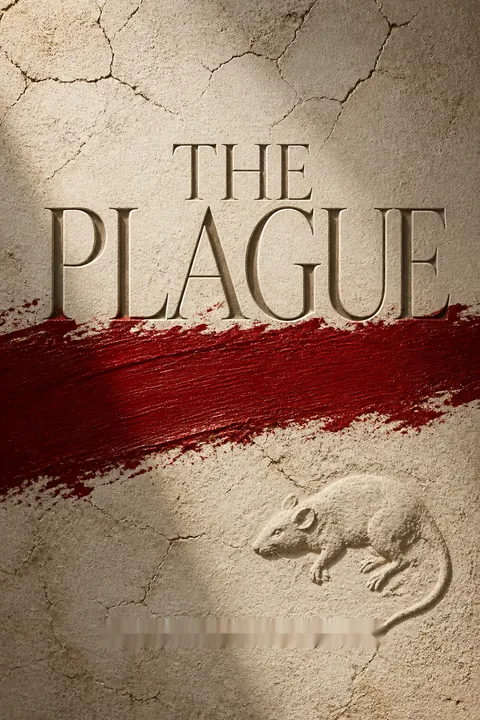
Trama
I topi segnalano un pericolo invisibile
Nella città algerina di Orano, il dottor Bernard Rieux nota un fenomeno insolito: topi morti che compaiono per le strade. Inizialmente ignorati dagli abitanti, questi decessi preannunciano una catastrofe imminente. Rieux, già provato dalla malattia della moglie, percepisce la gravità della situazione. I topi diventano il simbolo di una minaccia nascosta, la peste, che presto travolgerà la città, sconvolgendo la sua routine e mettendo in discussione la compiacenza dei suoi abitanti.
La routine cittadina sconvolta
Con la diffusione della peste, la vita improntata agli affari della città viene spezzata. Orano, dapprima in stato di negazione, si trova ad affrontare una crisi senza precedenti, con le prime vittime umane. Il dottor Rieux e i suoi colleghi lottano per contenere l’epidemia, consapevoli dell’urgenza di intervenire. La lentezza delle autorità nel reagire aggrava la situazione, sostituendo la tranquillità apparente con un crescente senso di inquietudine e paura.
Cresce la tensione e l’isolamento
Con la quarantena imposta a Orano, gli abitanti si trovano separati dai propri cari, aggravando il loro stato emotivo. Le comunicazioni sono limitate e la realtà della reclusione si fa sentire. Raymond Rambert, giornalista intrappolato in città, cerca disperatamente un modo per ricongiungersi con la sua compagna, mettendo in luce il prezzo personale dell’epidemia. La speranza iniziale lascia spazio a un’accettazione cupa della situazione, mentre la popolazione affronta l’impatto psicologico e sentimentale dell’isolamento.
Misure disperate e spiragli di speranza
Con l’aumento delle vittime, il dottor Rieux e Jean Tarrou organizzano squadre sanitarie di volontari per fronteggiare l’epidemia. Nonostante i rischi, molti rispondono all’appello, mossi da senso del dovere e solidarietà. Le squadre lavorano instancabilmente per contenere la malattia, offrendo un barlume di speranza nel mezzo della disperazione. Nel frattempo, il dottor Castel, medico più anziano, tenta di sviluppare un siero, simbolo della lotta per trovare una soluzione. La resilienza della comunità viene messa a dura prova di fronte all’epidemia implacabile.
Fede e paura si scontrano
Padre Paneloux pronuncia un sermone che attribuisce la peste a una punizione divina, invitando alla penitenza. Il suo messaggio divide la città: alcuni trovano conforto nella fede, altri, come Rieux, si concentrano su misure pratiche. Il sermone riflette la tensione tra credenze religiose e ragionamento scientifico. Con l’aggravarsi della peste, gli abitanti si confrontano con le proprie paure e convinzioni, cercando un senso nel caos e mettendo in discussione valori e priorità.
La lotta contro la peste
Guidati da Rieux e Tarrou, gli abitanti continuano a combattere la peste. Nonostante le difficoltà e le perdite personali, perseverano, incarnando la resilienza dello spirito umano. Rambert, inizialmente concentrato sulla fuga, decide di restare e contribuire, comprendendo l’importanza dell’azione collettiva. La lotta contro la peste diventa una metafora della condizione umana, evidenziando temi di solidarietà, sacrificio e ricerca di senso di fronte alla sofferenza.
Il dilemma e la scelta di Rambert
Il giornalista Raymond Rambert, inizialmente disperato nel tentativo di lasciare Orano per ricongiungersi con la sua amata, si trova a un bivio morale. Influenzato da Rieux e Tarrou, decide di restare e aiutare nella lotta contro l’epidemia, riconoscendo che la felicità personale non può prescindere dalla sofferenza della comunità. La sua trasformazione da interesse individuale a solidarietà sottolinea il tema dell’interconnessione e del dovere morale verso gli altri.
La discesa nella follia di Cottard
Cottard, personaggio ambiguo che inizialmente trae vantaggio dal caos della peste, diventa sempre più instabile con l’attenuarsi dell’epidemia. La paura di tornare a una vita normale, dove i suoi crimini passati potrebbero emergere, lo conduce a paranoia e comportamenti erratici. Con la ripresa della città, il suo stato mentale peggiora fino a un’esplosione violenta che porta al suo arresto. La sua vicenda contrasta con l’altruismo degli altri personaggi, mostrando le diverse reazioni umane alla crisi.
La lotta e la filosofia di Tarrou
Jean Tarrou, visitatore filosofico di Orano, diventa figura centrale nell’organizzazione della lotta contro la peste. Attraverso il suo diario, rivela le lotte interiori con il senso di colpa e la ricerca di pace. Tarrou crede nell’importanza di combattere la “peste” interiore, simbolo della corruzione morale e della complicità nella sofferenza. Il suo sforzo di diventare un “santo senza Dio” riflette il desiderio di vivere con integrità e compassione. La sua morte sottolinea i temi esistenziali del romanzo e la natura implacabile della sofferenza umana.
Il ritiro della peste e la speranza
Con l’arrivo dell’inverno, la morsa della peste su Orano si allenta, con un calo significativo dei decessi. Gli abitanti, pur cauti, iniziano a sperare in un ritorno alla normalità. Le autorità annunciano il controllo dell’epidemia e si preparano a riaprire la città. Questo periodo di transizione è segnato da un misto di sollievo e ansia, mentre la popolazione affronta i cambiamenti portati dalla peste. Il ritiro della malattia simboleggia la resilienza dello spirito umano e la possibilità di rinascita.
Ricongiungimenti e riflessioni
Con la riapertura delle porte di Orano, famiglie e amanti si riuniscono, celebrando la sopravvivenza e la fine dell’isolamento. Tuttavia, la gioia è mitigata dal ricordo di chi è stato perso a causa della peste. Rambert si ricongiunge con la moglie, ma l’esperienza dell’epidemia lo ha cambiato, lasciandolo con un senso di distacco. La narrazione mette in luce la dualità dell’esperienza umana—gioia e dolore, amore e perdita—e l’impatto duraturo della sofferenza condivisa sulle relazioni personali.
La determinazione e la riflessione di Rieux
Il dottor Bernard Rieux, narratore della vicenda, rivela il suo ruolo nel documentare gli eventi della peste. Riflette sulle lezioni apprese: l’importanza della solidarietà, l’inevitabilità della sofferenza e la forza dello spirito umano. Rieux riconosce che la lotta contro la peste è continua, poiché la malattia simboleggia la minaccia sempre presente dell’indifferenza e del degrado morale. La sua determinazione a testimoniare il coraggio e la sofferenza degli abitanti di Orano sottolinea i temi esistenziali del romanzo e la lotta incessante per trovare un senso in un mondo caotico.
Personaggi
Dottor Bernard Rieux
Rieux è la figura centrale nella battaglia contro la peste. Il suo impegno verso i pazienti e il benessere della città lo spinge a organizzare gli sforzi per combattere la malattia. Nonostante le difficoltà personali, tra cui la malattia della moglie, Rieux rimane saldo, incarnando razionalità e compassione. Le sue interazioni con gli altri personaggi rivelano un profondo senso del dovere e integrità morale.
Jean Tarrou
Tarrou, visitatore di Orano, diventa fondamentale nell’organizzazione delle squadre sanitarie. Il suo approccio filosofico e l’impegno nell’azione contrastano con l’apatia iniziale della città. Le esperienze passate di Tarrou influenzano la sua visione della giustizia e della sofferenza umana, rendendolo un alleato prezioso per Rieux. I suoi sforzi evidenziano l’importanza della responsabilità collettiva e del coraggio morale.
Raymond Rambert
Inizialmente concentrato sulla fuga da Orano per ricongiungersi con la sua amata, Rambert subisce una profonda trasformazione. Influenzato dalla lotta collettiva contro la peste, sceglie di restare e aiutare, comprendendo il valore della solidarietà e del dovere morale. Il suo percorso da interesse personale ad altruismo mette in luce l’interconnessione delle vite umane e il potere trasformativo della crisi.
Padre Paneloux
Paneloux è un gesuita che interpreta la peste come punizione divina. I suoi sermoni spingono gli abitanti a riflettere sulla fede e sulla moralità. Il personaggio di Paneloux incarna la tensione tra credenze religiose e ragionamento scientifico, stimolando dibattiti sul senso della sofferenza e della redenzione. Il suo coinvolgimento nelle squadre sanitarie mostra l’evoluzione della sua comprensione della fede in azione.
Joseph Grand
Grand è un impiegato comunale che si unisce alle squadre sanitarie, mosso dal senso del dovere. La sua natura meticolosa e le aspirazioni letterarie offrono un tocco di umanità e umorismo nel mezzo della crisi. La sua lotta per perfezionare una singola frase simboleggia la più ampia ricerca di senso ed espressione. L’eroismo silenzioso di Grand sottolinea il valore della perseveranza e l’impatto dei piccoli atti di coraggio.
Cottard
Cottard prospera nel caos della peste, dedicandosi ad attività illecite. Tuttavia, con l’attenuarsi dell’epidemia, la paura di tornare alla vita normale e di affrontare la giustizia lo conduce alla paranoia e alla follia. Il suo arresto finale evidenzia le diverse reazioni umane alla crisi e le conseguenze di vivere ai margini della società.
Madame Rieux
La madre di Rieux rappresenta la resilienza discreta e l’umiltà che sostengono chi le sta intorno. La sua presenza offre conforto e stabilità nel caos della peste. Il personaggio di Madame Rieux mette in luce i temi dell’amore, della resistenza e dell’eroismo quotidiano.
Espedienti narrativi
La peste come metafora
La peste funge da metafora della condizione umana, mettendo in evidenza temi come la sofferenza, l’isolamento e la ricerca di senso. Costringe i personaggi a confrontarsi con i propri valori e priorità, rivelando il meglio e il peggio della natura umana. Il progresso dell’epidemia rispecchia i viaggi interiori dei protagonisti, sottolineando l’interconnessione tra esperienze personali e collettive.
Isolamento e comunicazione
La quarantena imposta a Orano crea barriere fisiche ed emotive, intensificando il senso di isolamento dei personaggi. La limitazione delle comunicazioni con l’esterno accentua il tema della separazione e il desiderio di connessione. Questo espediente narrativo mette in luce l’impatto della crisi sulle relazioni e il bisogno umano di solidarietà e comprensione.
Volontariato e solidarietà
La formazione delle squadre sanitarie rappresenta il potere dell’azione collettiva di fronte al disastro. Questo espediente sottolinea temi di dovere, sacrificio e resilienza comunitaria. Lo sforzo dei volontari dimostra come gli individui possano superare interessi personali per lavorare insieme al bene comune, offrendo speranza nel mezzo della disperazione.
Analisi
"La peste" di Albert Camus è un’esplorazione profonda della resilienza umana di fronte a minacce esistenziali. Attraverso l’allegoria di una città colpita dalla peste, Camus indaga temi come la sofferenza, l’isolamento e la ricerca di senso. Il romanzo invita a riflettere su valori e priorità, evidenziando la tensione tra fede religiosa e ragionamento scientifico. Le lotte e le trasformazioni dei personaggi sottolineano l’interconnessione delle vite umane e l’importanza della solidarietà e del dovere morale. In ultima analisi, "La peste" rimane un monito senza tempo sulla forza dello spirito umano e sulla ricerca incessante di significato in un mondo caotico.
Sintesi delle recensioni
La peste è considerata da molti un capolavoro assoluto sull'esplorazione della natura umana nei momenti di crisi. I lettori apprezzano la profondità filosofica di Camus, i personaggi vividi e la straordinaria attualità del romanzo rispetto alle pandemie moderne. L'opera analizza le reazioni più diverse di fronte alla catastrofe, dall'eroismo alla disperazione. In tanti vi trovano una riflessione toccante sulla solidarietà, sulla moralità e sulla condizione umana. C'è chi fatica un po' con la densità della prosa, è vero, ma la maggior parte dei lettori non ha dubbi: si tratta di un'opera potente, capace di far riflettere in profondità e di risuonare con forza, soprattutto alla luce degli eventi globali più recenti.
Altri hanno letto anche




FAQ
Synopsis & Basic Details
What is The Plague about?
- A town under siege: The Plague tells the story of Oran, an Algerian city, as it grapples with a deadly epidemic. The narrative follows the experiences of various characters as they navigate the challenges of isolation, fear, and death.
- Focus on human response: The novel explores how individuals and the community react to the crisis, highlighting themes of solidarity, resilience, and the search for meaning in the face of suffering. It examines the psychological and emotional toll of the plague on the town's inhabitants.
- More than just a disease: The plague serves as a metaphor for the absurd and often meaningless nature of existence, prompting characters to confront their values and beliefs. It's a story about the human condition, not just a medical crisis.
Why should I read The Plague?
- Timely and relevant themes: The Plague explores universal themes of isolation, fear, and the human response to crisis, making it relevant to contemporary readers. It offers insights into how individuals and communities cope with adversity.
- Complex character studies: The novel features a diverse cast of characters, each with their own motivations and struggles. Readers will find themselves drawn to their stories and the moral dilemmas they face.
- Thought-provoking philosophical questions: Camus's work raises profound questions about the nature of good and evil, the meaning of life, and the role of human agency in a seemingly indifferent universe. It encourages readers to reflect on their own values and beliefs.
What is the background of The Plague?
- Algerian setting: The story is set in Oran, a French port city in Algeria, during the 1940s. This setting provides a backdrop of colonial tensions and cultural diversity, adding layers to the social dynamics of the town.
- Historical context: The novel was written during World War II and reflects the anxieties and uncertainties of that period. The plague can be seen as a metaphor for the Nazi occupation of France and the broader experience of living under oppressive forces.
- Existentialist influences: Camus's philosophical background as an existentialist is evident in the novel's exploration of the absurd, the search for meaning, and the importance of individual action in a meaningless world. The characters' struggles reflect the existentialist belief that life is inherently without purpose, and it is up to individuals to create their own meaning.
What are the most memorable quotes in The Plague?
- "There are more things to admire in men than to despise.": This quote, near the end of the novel, encapsulates the narrator's (Rieux's) final assessment of humanity. It highlights the resilience and capacity for good that can be found even in the face of great suffering.
- "The only way to deal with an unfree world is to become so absolutely free that your very existence is an act of rebellion.": This quote, though not directly from the book, reflects the spirit of Tarrou's philosophy and his desire to live a life of integrity and resistance against the absurd. It speaks to the importance of individual action in the face of oppression.
- "Each of us has the plague within him; no one, no one on earth is free from it.": This quote, spoken by Tarrou, reveals the novel's central metaphor. It suggests that the plague is not just a disease but a symbol of the human capacity for evil and the need for constant vigilance against it.
What writing style, narrative choices, and literary techniques does Albert Camus use?
- Impartial and objective narration: Camus employs a third-person limited perspective, primarily through the eyes of Dr. Rieux, which creates a sense of objectivity and allows the reader to witness the events unfold without excessive emotional manipulation. This style enhances the novel's realism and credibility.
- Focus on concrete details: Camus uses vivid descriptions of the physical environment and the characters' actions to ground the story in reality. This attention to detail makes the plague and its effects feel tangible and immediate.
- Philosophical and allegorical elements: The novel is rich in philosophical themes and allegorical symbolism. The plague serves as a metaphor for the human condition, and the characters' struggles raise profound questions about morality, meaning, and the nature of existence.
Hidden Details & Subtle Connections
What are some minor details that add significant meaning?
- The old man and his cats: The recurring image of the old man spitting at cats on his balcony, then his distress when the cats disappear, and finally his joy when they return, symbolizes the disruption and restoration of normalcy. It highlights the small, everyday routines that are disrupted by the plague and the human need for order.
- Grand's literary pursuit: Grand's obsession with perfecting a single sentence, his struggle with language, and his desire for recognition reveal his longing for meaning and connection. This seemingly minor detail underscores the human need for self-expression and the power of art to transcend suffering.
- The railway directory: The detail of Rieux's father's fascination with the railway directory foreshadows the theme of travel and separation. It also symbolizes the human desire for order and control in a chaotic world.
What are some subtle foreshadowing and callbacks?
- The initial rat sightings: The appearance of dead rats at the beginning of the novel foreshadows the impending plague and the disruption of Oran's routine. This detail serves as a warning sign that is initially dismissed but later proves to be significant.
- Cottard's behavior: Cottard's initial unease and paranoia foreshadow his later descent into madness. His attempts to ingratiate himself with others and his fear of authority hint at his underlying guilt and instability.
- Tarrou's "saint without God": Tarrou's philosophical musings about becoming a saint without God foreshadow his selfless actions and his eventual death. This concept highlights his commitment to moral action and his rejection of traditional religious dogma.
What are some unexpected character connections?
- Rieux and Tarrou's friendship: The bond between Rieux and Tarrou, despite their different backgrounds and beliefs, highlights the power of shared experience and the importance of human connection in times of crisis. Their friendship is a source of strength and mutual understanding.
- Cottard and Rambert's alliance: The unlikely alliance between Cottard and Rambert, driven by their shared desire to escape the town, reveals the desperation and moral compromises that can arise during a crisis. This connection underscores the complex and often contradictory nature of human behavior.
- Paneloux's evolving views: Paneloux's evolving views on faith and suffering, influenced by his interactions with Rieux and his experiences with the plague, demonstrate the transformative power of empathy and the limitations of rigid dogma. His journey highlights the importance of questioning one's beliefs in the face of human suffering.
Who are the most significant supporting characters?
- Joseph Grand: Grand's quiet heroism and dedication to his work, despite his personal struggles, make him a significant supporting character. His literary aspirations and his desire to connect with his lost love add depth to his character and highlight the human need for meaning and expression.
- Old Dr. Castel: Castel's unwavering commitment to developing a serum, despite the odds, makes him a symbol of scientific perseverance and the human desire to find solutions to seemingly insurmountable problems. His character embodies the importance of knowledge and expertise in times of crisis.
- Mme Rieux: Rieux's mother's quiet strength and unwavering support provide a sense of stability and comfort amid the chaos of the plague. Her character highlights the importance of family and the enduring power of love and compassion.
Psychological, Emotional, & Relational Analysis
What are some unspoken motivations of the characters?
- Rieux's sense of duty: Rieux's unwavering commitment to his work is driven by a deep sense of duty and a desire to alleviate suffering. His actions are motivated by a belief in the importance of human agency and the need to fight against the absurd.
- Tarrou's quest for peace: Tarrou's desire to become a "saint without God" stems from his past experiences with violence and his longing for inner peace. His actions are motivated by a need to atone for his past and to find meaning in a world filled with suffering.
- Cottard's fear of normalcy: Cottard's erratic behavior is driven by a deep-seated fear of returning to a normal life where he might face the consequences of his past actions. His motivations are rooted in self-preservation and a desire to avoid accountability.
What psychological complexities do the characters exhibit?
- Rieux's emotional detachment: Rieux's emotional detachment is a coping mechanism to deal with the constant suffering and death he witnesses. His struggle to maintain his composure highlights the psychological toll of the plague and the challenges of remaining human in the face of inhumanity.
- Rambert's internal conflict: Rambert's internal conflict between his desire for personal happiness and his growing sense of social responsibility reveals the complexities of human motivation. His journey from self-interest to solidarity highlights the transformative power of crisis.
- Paneloux's intellectual struggle: Paneloux's intellectual struggle to reconcile his faith with the suffering he witnesses demonstrates the limitations of dogma and the need for empathy and compassion. His evolving views highlight the complexities of religious belief in the face of human suffering.
What are the major emotional turning points?
- Rieux's wife's death: The news of Rieux's wife's death, though expected, is a major emotional turning point for him. It underscores the personal toll of the plague and the limitations of human agency in the face of loss.
- Rambert's decision to stay: Rambert's decision to stay in Oran and help fight the plague marks a significant emotional shift. It represents his transformation from self-interest to solidarity and his acceptance of his moral duty to others.
- Tarrou's death: Tarrou's death, despite his efforts to live a life of integrity and compassion, is a major emotional turning point. It highlights the novel's existential themes and the tragic nature of human existence.
How do relationship dynamics evolve?
- Rieux and Tarrou's friendship: The friendship between Rieux and Tarrou evolves from a professional alliance to a deep bond of mutual respect and understanding. Their shared experiences and philosophical discussions highlight the importance of human connection in times of crisis.
- Rambert and his wife's relationship: Rambert's relationship with his wife is tested by the separation imposed by the plague. His journey to reunite with her reveals the complexities of love and the challenges of maintaining intimacy in the face of adversity.
- The townspeople's collective experience: The shared experience of the plague creates a sense of solidarity among the townspeople, but it also exacerbates existing tensions and inequalities. The novel explores the complex dynamics of community and the challenges of maintaining social cohesion in times of crisis.
Interpretation & Debate
Which parts of the story remain ambiguous or open-ended?
- The nature of the plague: The plague itself remains somewhat ambiguous, serving as both a literal disease and a metaphor for the human condition. The novel does not offer a definitive explanation for its origins or its sudden retreat, leaving readers to ponder its deeper meaning.
- The characters' fates: While some characters' fates are explicitly stated, others are left open-ended, allowing readers to speculate about their future. This ambiguity reflects the uncertainty of life and the limitations of human knowledge.
- The meaning of "saintliness": Tarrou's quest to become a "saint without God" raises questions about the nature of morality and the possibility of achieving spiritual fulfillment outside of traditional religious frameworks. The novel does not offer a clear answer, leaving readers to grapple with these complex issues.
What are some debatable, controversial scenes or moments in The Plague?
- Paneloux's second sermon: Paneloux's second sermon, in which he argues that Christians should accept suffering as God's will, is a controversial moment that challenges traditional notions of faith and morality. It raises questions about the role of religion in the face of human suffering and the limits of human understanding.
- Rieux's rejection of God: Rieux's rejection of God and his focus on human action is a controversial stance that challenges traditional religious beliefs. His perspective highlights the importance of individual responsibility and the need to fight against injustice and suffering.
- The ending's ambiguity: The novel's ending, which suggests that the plague bacillus may return, is a controversial moment that challenges the notion of a final victory. It underscores the cyclical nature of human suffering and the need for constant vigilance against the forces of evil.
The Plague Ending Explained: How It Ends & What It Means
- The plague's retreat: The plague recedes, but not as a result of human intervention. It simply stops, leaving the townspeople to grapple with the aftermath. This ending underscores the limitations of human control and the unpredictable nature of life.
- Rieux's chronicle: Rieux's decision to write the chronicle is a testament to the importance of bearing witness to human suffering and the need to remember the lessons learned from the plague. It highlights the power of storytelling to preserve memory and to inspire future generations.
- The cyclical nature of suffering: The final lines of the novel, which suggest that the plague bacillus may return, emphasize the cyclical nature of human suffering and the need for constant vigilance against the forces of evil. It serves as a warning against complacency and a call to action.
Sull'autore


Scarica PDF
Scarica EPUB
.epub digital book format is ideal for reading ebooks on phones, tablets, and e-readers.








































