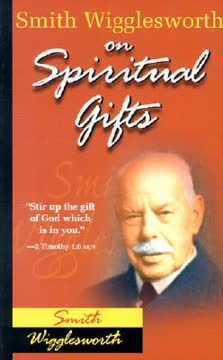
Points clés
1. Les dons spirituels sont divers et donnés par le Saint-Esprit
« Pour ce qui est des dons spirituels, frères, je ne veux pas que vous soyez dans l’ignorance. »
Distribution divine des dons. Les dons spirituels sont des capacités surnaturelles accordées par le Saint-Esprit aux croyants afin d’édifier l’Église et de faire avancer le royaume de Dieu. Ces dons ne reposent pas sur le mérite humain, mais sur la grâce et le dessein divins.
Types de dons spirituels :
- Parole de sagesse
- Parole de connaissance
- Foi
- Dons de guérison
- Prophétie
- Discernement des esprits
- Parler en langues
- Interprétation des langues
Une puissance donnée avec un but. Chaque don est attribué stratégiquement pour équiper les croyants à des tâches ministérielles spécifiques. Le Saint-Esprit choisit la manière de distribuer ces dons, garantissant ainsi le bon fonctionnement du corps du Christ et la glorification de Dieu.
2. L’amour est le fondement des manifestations spirituelles
« Quand je parlerais les langues des hommes et des anges, si je n’ai pas l’amour, je suis un airain qui résonne ou une cymbale qui retentit. »
L’amour prime sur les dons. Les dons spirituels sans amour sont vains et inefficaces. L’apôtre Paul souligne que l’amour véritable est la base essentielle de toute manifestation spirituelle.
Caractéristiques de l’amour spirituel :
- Patient
- Bienveillant
- Non envieux
- Non vantard
- Non orgueilleux
- Non égoïste
- Non facilement irrité
- Ne tient pas compte du mal
Un pouvoir transformateur. L’amour spirituel authentique transforme les dons, qui ne sont plus de simples démonstrations, mais deviennent des manifestations puissantes et vivifiantes du caractère et du dessein de Dieu.
3. Le discernement protège contre la tromperie spirituelle
« Bien-aimés, ne croyez pas à tout esprit, mais éprouvez les esprits pour savoir s’ils sont de Dieu. »
Vigilance spirituelle. Le discernement est un don spirituel essentiel qui aide les croyants à distinguer l’inspiration divine de la tromperie satanique. Il demande une sensibilité spirituelle et une profonde connaissance de la Parole de Dieu.
Comment éprouver les sources spirituelles :
- Examiner la confession de Jésus-Christ
- Évaluer les fruits du message
- Chercher la direction du Saint-Esprit
- Garder l’humilité
- Éviter le jugement hâtif, rechercher la compréhension
Protection contre la tromperie. Le discernement empêche les croyants d’être égarés par de faux prophètes, des enseignements erronés et des contrefaçons spirituelles.
4. Les langues et leur interprétation servent un dessein divin
« Celui qui parle en langue ne parle pas aux hommes, mais à Dieu ; car personne ne le comprend, et c’est en esprit qu’il dit des mystères. »
Communication spirituelle. Le parler en langues est un langage surnaturel qui permet une communication directe avec Dieu, au-delà des limites linguistiques humaines.
Objectifs du parler en langues :
- Édification spirituelle personnelle
- Révélation prophétique
- Intercession
- Combat spirituel
- Manifestation de la puissance du Saint-Esprit
Fonction interprétative. Le don d’interprétation apporte compréhension et édification collective lorsque les langues sont parlées en assemblée.
5. La foi transcende les limites humaines
« La foi du Christ ne vacille jamais. Quand tu as sa foi, l’affaire est réglée. »
Croyance surnaturelle. La foi authentique dépasse la raison humaine et les circonstances, puisant sa force directement dans les promesses et le caractère de Dieu.
Caractéristiques de la foi :
- Voit au-delà des circonstances naturelles
- Croit avant la manifestation
- Se repose dans la souveraineté divine
- Vainc la peur
- Produit des résultats miraculeux
Pouvoir transformateur. La foi permet aux croyants d’accéder à des ressources surnaturelles et de vivre l’intervention de Dieu dans des situations apparemment impossibles.
6. La guérison vient de la compassion et de la puissance spirituelle
« Le pouvoir de guérison découle d’un cœur compatissant et d’une autorité divine. »
Guérison holistique. La guérison divine dépasse la restauration physique ; elle englobe la plénitude émotionnelle, spirituelle et relationnelle.
Principes de la guérison :
- Nécessite la foi
- Se manifeste par la compassion
- Affronte l’oppression spirituelle
- Dépend de la puissance du Saint-Esprit
- Glorifie Dieu
Approche ministérielle. Un ministère de guérison efficace allie autorité spirituelle, compassion sincère et sensibilité à la conduite du Saint-Esprit.
7. La prophétie révèle le cœur et l’intention de Dieu
« Le témoignage de Jésus est l’esprit de la prophétie. »
Révélation prophétique. La prophétie dépasse la simple prédiction ; c’est une communication divine qui dévoile le cœur, le dessein et l’œuvre actuelle de Dieu.
Dimensions prophétiques :
- Témoignage personnel
- Encouragement spirituel
- Orientation collective
- Révélation des mystères divins
- Apport de transformation spirituelle
Édification spirituelle. La prophétie sert à édifier, consoler et exhorter les croyants, offrant un aperçu direct des intentions de Dieu.
8. La transformation personnelle exige un abandon total
« Pour être rempli de l’Esprit, il faut être vidé de soi. »
Vider son esprit. La véritable croissance spirituelle survient lorsque les croyants abandonnent entièrement leurs propres projets, désirs et limites au dessein de Dieu.
Processus d’abandon :
- Mourir à soi-même
- Accepter la brisure
- Cultiver l’humilité
- Poursuivre la sainteté
- Rester ouvert à l’enseignement
Puissance divine. L’abandon crée l’espace nécessaire pour que la puissance transformatrice de Dieu agisse librement dans la vie du croyant.
9. Le Saint-Esprit guide et fortifie les croyants
« Le Saint-Esprit possède toute puissance et tous les langages. »
Direction divine. Le Saint-Esprit offre sagesse surnaturelle, orientation et puissance aux croyants confrontés aux défis de la vie.
Vie conduite par l’Esprit :
- Remplissage spirituel continu
- Réceptivité aux impulsions divines
- Acceptation des dons spirituels
- Marche dans l’autorité spirituelle
- Communion intime constante
Capacité surnaturelle. Le Saint-Esprit équipe les croyants d’une puissance dépassant les capacités humaines pour accomplir les desseins de Dieu.
10. La guerre spirituelle exige des armes spirituelles
« Celui qui est en vous est plus grand que celui qui est dans le monde. »
Stratégie de combat spirituel. Une guerre spirituelle efficace consiste à reconnaître et affronter l’opposition spirituelle par la puissance et l’autorité divines.
Principes de la guerre spirituelle :
- Reconnaître les forces spirituelles
- Utiliser l’autorité biblique
- Maintenir la pureté spirituelle
- S’appuyer sur la puissance de Dieu
- Agir dans l’amour et la compassion
Vie victorieuse. Les croyants peuvent triompher des défis spirituels en restant connectés à Dieu et en opérant dans l’autorité qu’Il leur délègue.
Résumé des avis
Smith Wigglesworth sur les dons spirituels reçoit majoritairement des avis positifs, les lecteurs saluant son contenu à la fois inspirant et pédagogique. Beaucoup apprécient la foi profonde de Wigglesworth ainsi que ses enseignements sur les dons spirituels, trouvant ce livre éclairant et fortifiant pour leur foi. Certains relèvent toutefois une certaine désorganisation dans la structure, liée au fait qu’il s’agit d’une compilation de transcriptions de sermons. Si la plupart tirent profit des expériences et des enseignements de Wigglesworth, quelques critiques s’interrogent sur la fidélité biblique de certaines interprétations. Dans l’ensemble, cet ouvrage est recommandé à ceux qui souhaitent explorer les dons spirituels et approfondir leur vie de foi.
FAQ
1. What is "Smith Wigglesworth on Spiritual Gifts" by Smith Wigglesworth about?
- Focus on Spiritual Gifts: The book explores the biblical concept of spiritual gifts, especially as outlined in 1 Corinthians 12–14, and their operation in the life of the believer and the church.
- Wigglesworth’s Teachings: It presents Smith Wigglesworth’s sermons, teachings, and personal experiences regarding the gifts of the Holy Spirit, including healing, prophecy, tongues, and more.
- Practical Guidance: The book offers practical advice on how to receive, use, and discern spiritual gifts, emphasizing the importance of being filled with the Holy Spirit.
- Faith and Power: Central themes include faith, the necessity of the Holy Spirit’s power, and the believer’s role as a vessel for God’s supernatural work.
2. Why should I read "Smith Wigglesworth on Spiritual Gifts" by Smith Wigglesworth?
- Firsthand Pentecostal Insights: The book provides direct access to the teachings of one of the most influential Pentecostal leaders, known for his healing and faith ministry.
- Deepens Understanding: It helps readers understand the biblical foundation and practical application of spiritual gifts in the modern church.
- Encourages Spiritual Growth: Wigglesworth’s emphasis on faith, holiness, and the pursuit of God’s power inspires readers to seek a deeper relationship with the Holy Spirit.
- Addresses Common Questions: The book tackles common misconceptions, challenges, and errors related to spiritual gifts, offering clarity and scriptural balance.
3. What are the key takeaways from "Smith Wigglesworth on Spiritual Gifts"?
- Hunger for More of God: Wigglesworth stresses the importance of continually seeking more of God and never becoming spiritually stagnant.
- Gifts Are for Edification: Spiritual gifts are given for the building up of the church, not for personal glory or attention.
- The Holy Spirit’s Central Role: Being filled with the Holy Spirit is essential for the operation of spiritual gifts and victorious Christian living.
- Discernment and Order: Proper use and discernment of gifts are necessary to avoid confusion, error, and misuse within the church.
4. How does Smith Wigglesworth define and describe spiritual gifts in his book?
- Nine Gifts Outlined: Wigglesworth discusses the nine gifts listed in 1 Corinthians 12—wisdom, knowledge, faith, healing, miracles, prophecy, discerning of spirits, tongues, and interpretation of tongues.
- Gifts vs. Fruit: He emphasizes the need for the gifts to be balanced with the fruit of the Spirit, such as love, joy, and peace.
- Manifestation, Not Possession: Wigglesworth teaches that the gifts are manifestations of the Spirit, not personal possessions, and can operate through any believer as the Spirit wills.
- Purpose of Gifts: The gifts are meant to glorify Jesus, edify the church, and demonstrate God’s power to the world.
5. What practical advice does Smith Wigglesworth give for receiving spiritual gifts?
- Ask and Believe: Wigglesworth encourages believers to ask God for spiritual gifts with faith, believing they will receive as promised in Scripture.
- Don’t Seek Feelings: He warns against waiting for feelings or repeated asking; instead, act in faith once you have asked.
- Yield to the Spirit: Complete surrender and willingness to be used by God are essential for receiving and operating in the gifts.
- Avoid Selfish Motives: The motive for seeking gifts should be to glorify Christ and serve others, not personal gain or recognition.
6. How does "Smith Wigglesworth on Spiritual Gifts" address the use and misuse of spiritual gifts?
- Gifts Must Edify: Wigglesworth insists that all gifts must be used for the edification, comfort, and encouragement of the church.
- Avoiding Excess and Disorder: He cautions against using gifts out of order, for personal attention, or without the Spirit’s leading, as this can cause confusion and harm.
- Testing Prophecy and Tongues: The book provides guidelines for testing prophecies and tongues, ensuring they align with Scripture and the character of Christ.
- Correction and Balance: Wigglesworth advocates for humility, correction, and accountability in the use of gifts, always prioritizing love and unity.
7. What does Smith Wigglesworth teach about the relationship between the fruit and the gifts of the Spirit?
- Gifts and Fruit Must Align: He teaches that every gift should be accompanied by its corresponding fruit (e.g., wisdom with love, faith with peace).
- Character Over Charisma: The fruit of the Spirit is essential for the proper operation of the gifts; gifts without fruit can lead to pride and error.
- Love as the Balancer: 1 Corinthians 13 is highlighted as the “governor” that keeps the gifts in balance and prevents misuse.
- Lasting Impact: Only when gifts are exercised in love and humility do they have lasting spiritual value.
8. How does Smith Wigglesworth explain the gift of tongues and interpretation in his book?
- Three Types of Tongues: He distinguishes between tongues as initial evidence of the Spirit’s baptism, tongues for personal prayer, and tongues for public interpretation.
- Interpretation Required: In public settings, tongues should be accompanied by interpretation for the edification of the church.
- Not for Guidance: Wigglesworth clarifies that tongues and interpretation are not to be used for personal guidance but for corporate encouragement.
- Order in Operation: He emphasizes following biblical order—no more than three utterances in a meeting, and the interpreter should speak as the Spirit gives utterance, not from their own mind.
9. What guidance does "Smith Wigglesworth on Spiritual Gifts" give on discerning spirits and testing voices?
- Discernment Is Essential: The gift of discerning spirits is for identifying evil influences, not for judging people.
- Test Every Spirit: Wigglesworth teaches to test spirits by asking if they confess Jesus Christ has come in the flesh, as outlined in 1 John 4.
- Avoid Deception: He warns against being led by impressions, voices, or prophecies that do not align with Scripture or produce peace and edification.
- Stay in the Word: The Bible and the inner witness of the Holy Spirit are the believer’s safeguards against deception.
10. What are some of the most important methods or principles for operating in spiritual gifts, according to Smith Wigglesworth?
- Be Filled Continually: Constant infilling of the Holy Spirit is necessary for effective operation in the gifts.
- Act in Faith, Not Fear: Step out in faith when prompted by the Spirit, trusting God for the results.
- Maintain Humility: Always give glory to God, not to oneself, and remain teachable and correctable.
- Seek Edification, Not Sensation: The goal is to build up the church, not to create spectacle or draw attention to oneself.
11. What are the best quotes from "Smith Wigglesworth on Spiritual Gifts" and what do they mean?
- “Only believe!” – Wigglesworth’s signature phrase, emphasizing simple, unwavering faith in God’s promises.
- “To live two days in succession on the same spiritual plane is a tragedy.” – Encourages continual spiritual growth and hunger for more of God.
- “The gifts are for the profit of all.” – Reminds readers that spiritual gifts are for the benefit of the whole church, not individuals.
- “We prefer the Spirit of God to any gift.” – Stresses the importance of valuing the Giver (the Holy Spirit) above the gifts themselves.
12. How does "Smith Wigglesworth on Spiritual Gifts" address common errors, dangers, and challenges in the pursuit of spiritual gifts?
- Warns Against Pride: Wigglesworth cautions that pride and self-exaltation can lead to spiritual downfall and misuse of gifts.
- Dangers of Deception: He addresses the risk of being misled by false voices, prophecies, or impressions, urging believers to test everything by Scripture.
- Avoiding Stagnation: The book warns against spiritual complacency and encourages ongoing pursuit of God’s fullness.
- Emphasizes Repentance and Correction: When mistakes are made, Wigglesworth advocates for repentance, humility, and a return to biblical order and love.








































