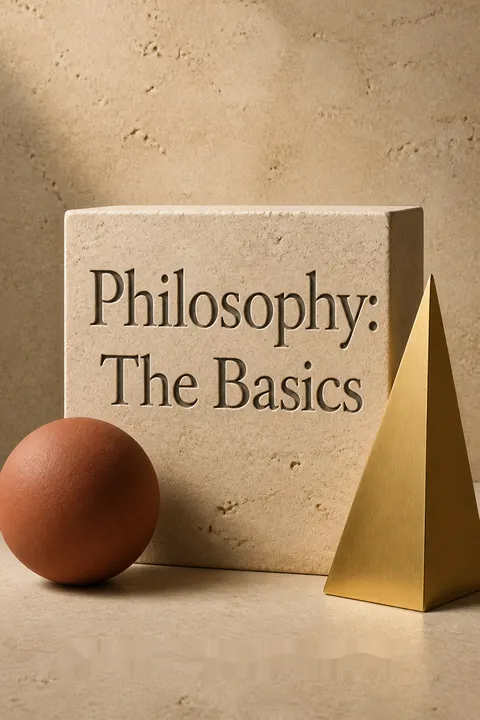

Points clés
1. La philosophie est une activité de pensée logique portant sur des questions fondamentales
« La philosophie est une activité : c’est une manière de réfléchir à certains types de questions. Sa caractéristique la plus distinctive est l’usage de l’argumentation logique. »
Exploration philosophique. La philosophie dépasse la pensée ordinaire en examinant systématiquement des questions fondamentales concernant l’existence, la connaissance, les valeurs et le raisonnement. Contrairement à la simple spéculation, l’enquête philosophique implique des arguments soigneusement construits, une analyse critique et un engagement envers la logique.
Activités philosophiques essentielles :
- Analyser des concepts complexes
- Remettre en question des présupposés fondamentaux
- Construire des arguments rigoureux
- Explorer des expériences humaines fondamentales
Importance pratique. La philosophie n’est pas qu’un exercice intellectuel abstrait, mais une méthode pour développer des compétences de pensée critique applicables dans divers domaines du savoir et de l’expérience humaine. En questionnant les croyances établies et en les examinant logiquement, les philosophes contribuent à élargir la compréhension humaine et à remettre en cause les paradigmes existants.
2. Les différentes théories éthiques proposent des cadres concurrents pour le raisonnement moral
« Qu’est-ce qui rend une action juste ou injuste ? Que signifions-nous lorsque nous disons que quelqu’un doit ou ne doit pas faire quelque chose ? »
Diversité des cadres éthiques. La philosophie morale offre plusieurs approches pour comprendre le bien et le mal, chacune avec ses méthodologies propres. Les trois grandes théories éthiques — déontologie, conséquentialisme et éthique de la vertu — fournissent des perspectives distinctes pour la prise de décision morale.
Principaux points de vue éthiques :
- Éthique déontologique : centrée sur les obligations et principes moraux
- Conséquentialisme : évaluation des actions selon leurs conséquences
- Théorie de la vertu : mise en avant du caractère et du développement personnel
Application concrète. Ces cadres éthiques proposent des modes de raisonnement structurés face à des dilemmes moraux complexes, offrant aux individus des outils pour prendre des décisions fondées sur des principes, au-delà de l’intuition ou des conditionnements culturels.
3. Les animaux méritent une considération éthique fondée sur leur capacité à souffrir
« La plupart des activités humaines tirent leur sens du fait qu’elles sont uniques et non reproductibles. »
Élargissement de la considération morale. L’examen philosophique de l’éthique animale remet en question les visions anthropocentriques traditionnelles, soutenant que la capacité à ressentir la douleur et la souffrance doit être le critère principal de considération morale, et non l’appartenance à l’espèce humaine.
Arguments philosophiques clés :
- Les animaux manifestent une capacité évidente à souffrir
- Le spécisme constitue une discrimination morale arbitraire
- Le traitement éthique doit prendre en compte des intérêts dépassant la perspective humaine
Conséquences pratiques. Reconnaître la sensibilité animale implique de réévaluer les pratiques agricoles, la recherche scientifique et les loisirs, ce qui pourrait transformer la manière dont les humains interagissent avec les espèces non humaines.
4. La philosophie politique explore des concepts fondamentaux tels que l’égalité et la liberté
« Qu’est-ce que l’égalité ? Qu’est-ce que la liberté ? Ces objectifs valent-ils la peine ? Comment peut-on les atteindre ? »
Analyse des concepts politiques. La philosophie politique examine de manière critique les notions sociales fondamentales, remettant en cause les interprétations simplistes et explorant leurs implications complexes. Des concepts comme l’égalité et la liberté ne sont pas absolus, mais nécessitent une compréhension nuancée.
Questions philosophiques politiques clés :
- Qu’est-ce qui constitue une véritable égalité ?
- Comment concilier liberté et responsabilité sociale ?
- Qu’est-ce qui justifie l’intervention de l’État dans la liberté individuelle ?
Importance sociale. En analysant rigoureusement ces concepts, les philosophes fournissent des cadres intellectuels pour comprendre les structures sociales, remettre en question les rapports de pouvoir existants et imaginer des arrangements sociaux alternatifs.
5. Notre perception de la réalité est plus complexe qu’une simple expérience sensorielle
« Notre connaissance fondamentale du monde extérieur passe par les cinq sens : la vue, l’ouïe, le toucher, l’odorat et le goût. »
Complexité perceptuelle. L’investigation philosophique révèle que la perception humaine n’est pas un simple enregistrement de la réalité extérieure, mais un processus interprétatif complexe influencé par les connaissances antérieures, les attentes et les cadres cognitifs.
Perspectives sur la théorie de la perception :
- Réalisme du sens commun
- Arguments sceptiques sur la fiabilité des sens
- Réalisme représentatif
- Idéalisme
- Réalisme causal
Implications épistémologiques. Comprendre la complexité de la perception remet en cause les hypothèses naïves sur la connaissance, soulignant le rôle actif de la conscience dans la construction de notre expérience du réel.
6. La méthode scientifique implique des tests rigoureux et la falsification des théories
« La science progresse par les erreurs : par des théories qui sont falsifiées et remplacées par de meilleures. »
Méthodologie scientifique. Le progrès scientifique ne consiste pas à prouver la vérité absolue des théories, mais à tenter systématiquement de réfuter les hypothèses existantes, créant ainsi des modèles explicatifs de plus en plus sophistiqués.
Principes clés de la méthode scientifique :
- Formuler des hypothèses falsifiables
- Concevoir des tests expérimentaux rigoureux
- Accepter la possibilité de réfutation des théories
- Prioriser les preuves empiriques
Humilité intellectuelle. L’approche scientifique incarne un modèle d’acquisition du savoir qui valorise le questionnement continu et l’affinement plutôt que la certitude dogmatique.
7. Le problème corps-esprit soulève des questions complexes sur la conscience
« Qu’est-ce que l’esprit ? Avons-nous des âmes non physiques ? La pensée est-elle simplement un aspect de la matière physique ? »
Investigation de la conscience. Le problème corps-esprit constitue une enquête philosophique fondamentale sur la nature de la conscience, remettant en cause les perspectives matérialistes simplistes et dualistes.
Perspectives philosophiques majeures :
- Dualisme corps-esprit
- Physicalisme
- Fonctionnalisme
- Behaviorisme
Signification existentielle. Explorer la conscience dépasse le débat académique, touchant aux questions fondamentales de l’expérience humaine, du libre arbitre et de la nature de l’expérience subjective.
8. L’art défie une définition simple mais reflète la créativité et l’expression humaines
« La plupart des visiteurs de galeries d’art... se sont un jour demandé ce qu’est l’art. »
Complexité artistique. L’art résiste à une définition univoque, représentant une forme dynamique et culturellement située d’expression humaine qui remet continuellement en question les frontières et les compréhensions établies.
Approches de la définition artistique :
- Théorie de la ressemblance familiale
- Théorie de la forme significative
- Perspectives idéalistes
- Théorie institutionnelle
Importance culturelle. Les investigations philosophiques sur l’art révèlent des insights profonds sur la créativité humaine, la perception et la relation complexe entre forme, sens et contexte culturel.
Résumé des avis
Philosophie : Les Fondamentaux propose une introduction claire et accessible aux grands thèmes philosophiques. Les lecteurs apprécient son langage simple, son organisation thématique et sa présentation équilibrée des différentes perspectives. L’ouvrage aborde des domaines essentiels tels que Dieu, l’éthique, la politique, la connaissance et l’art, en expliquant des concepts complexes sans jamais les simplifier à l’excès. Si certains regrettent la brièveté consacrée à certains sujets, la majorité considère ce livre comme un excellent point de départ pour s’initier à la philosophie. Sa méthode, qui expose arguments et contre-arguments, stimule la réflexion critique, ce qui en fait un outil idéal tant pour les débutants que pour les étudiants.
FAQ
What's "Philosophy: The Basics" by Nigel Warburton about?
- Introduction to Philosophy: "Philosophy: The Basics" is an introductory text that eases readers into the world of philosophy by exploring fundamental questions and themes.
- Key Areas Covered: The book covers a range of philosophical topics, including the existence of God, ethics, the treatment of animals, free speech, the nature of science, the mind-body problem, and the definition of art.
- Approachable Style: Nigel Warburton presents these complex ideas in a clear and accessible manner, making it suitable for beginners in philosophy.
- Updated Content: The fifth edition includes a new chapter on animals and updated further reading sections, reflecting contemporary discussions in philosophy.
Why should I read "Philosophy: The Basics" by Nigel Warburton?
- Comprehensive Overview: The book provides a broad overview of essential philosophical questions and debates, making it a valuable resource for anyone new to the subject.
- Clear Explanations: Warburton is known for his clear and patient explanations, which help demystify complex philosophical concepts.
- Engaging Content: The book encourages readers to think critically about their own beliefs and the world around them, fostering a deeper understanding of philosophical inquiry.
- Practical Applications: By exploring real-life ethical dilemmas and philosophical problems, the book demonstrates the relevance of philosophy to everyday life.
What are the key takeaways of "Philosophy: The Basics" by Nigel Warburton?
- Philosophy as an Activity: Philosophy is presented as an active process of questioning and argumentation, rather than a static body of knowledge.
- Diverse Philosophical Areas: The book covers a wide range of topics, from metaphysics and epistemology to ethics and aesthetics, providing a well-rounded introduction to the field.
- Critical Thinking Skills: Readers are encouraged to develop their ability to analyze arguments, clarify concepts, and engage with philosophical issues critically.
- Philosophy's Relevance: The book highlights how philosophical inquiry can illuminate fundamental questions about human existence, morality, and the nature of reality.
What are the best quotes from "Philosophy: The Basics" and what do they mean?
- "Philosophy is an activity: it is a way of thinking about certain sorts of question." This quote emphasizes that philosophy is not just about learning what others have thought but actively engaging with questions and forming one's own reasoned conclusions.
- "An unexamined life is not worth living." This echoes Socratic wisdom, suggesting that self-reflection and questioning are essential to a meaningful life.
- "The limits of what philosophy can do." This phrase acknowledges that while philosophy can provide insights, it does not offer all-encompassing answers to every question.
- "Philosophy leaves everything as it is." This quote reflects the idea that philosophy often clarifies and questions rather than changes the world directly, focusing on understanding rather than action.
How does Nigel Warburton define philosophy in "Philosophy: The Basics"?
- Activity of Thinking: Warburton defines philosophy as an activity involving logical argumentation and the analysis of concepts.
- Questioning Assumptions: Philosophers examine beliefs that are often taken for granted, questioning their validity and exploring their implications.
- Tradition of Thought: The book situates philosophy within a tradition that began with the Ancient Greeks and continues to evolve.
- Not Mysticism: Warburton distinguishes philosophy from mysticism, focusing on reasoned argument rather than mystical or religious beliefs.
What is the Design Argument as explained in "Philosophy: The Basics"?
- Argument from Design: The Design Argument suggests that the complexity and order in the natural world indicate the existence of a designer, often identified as God.
- Analogy with Human Artifacts: Proponents compare natural objects to human-made objects, arguing that just as a watch implies a watchmaker, the natural world implies a divine creator.
- Criticisms: The book discusses criticisms, such as the weakness of the analogy and the challenge posed by evolutionary theory, which offers a naturalistic explanation for complexity.
- Limitations: Even if the argument is accepted, it does not necessarily prove the existence of a benevolent, omnipotent God as traditionally conceived.
How does "Philosophy: The Basics" address the Problem of Evil?
- Existence of Evil: The Problem of Evil questions how an all-powerful, all-knowing, and benevolent God can allow evil and suffering in the world.
- Types of Evil: The book distinguishes between moral evil (human actions) and natural evil (natural disasters and diseases).
- Theodicies: Various theodicies, or attempts to reconcile the existence of God with evil, are explored, including the Free Will Defence and the idea of evil as a means to greater good.
- Criticisms of Theodicies: Warburton presents criticisms of these theodicies, questioning their adequacy in explaining the prevalence and intensity of suffering.
What is the Free Will Defence in "Philosophy: The Basics"?
- Free Will and Evil: The Free Will Defence argues that God allows evil because it is a necessary consequence of granting humans free will.
- Moral Development: It suggests that a world with free will, even with the possibility of evil, is preferable to a world of automatons with no moral choice.
- Criticisms: The book discusses criticisms, such as the possibility of a world with free will but no evil and the problem of natural evil, which is not caused by human choice.
- Implications for God's Omnipotence: The defence raises questions about the limits of divine power and whether God could create a world with free will and no evil.
How does "Philosophy: The Basics" explain utilitarianism?
- Consequentialist Theory: Utilitarianism is a consequentialist ethical theory that judges actions based on their outcomes, specifically aiming to maximize happiness and minimize suffering.
- Greatest Happiness Principle: The principle suggests that the morally right action is the one that produces the greatest overall happiness for the greatest number of people.
- Criticisms: Warburton discusses criticisms, such as the difficulty of measuring happiness, the potential justification of immoral acts, and the challenge of calculating long-term consequences.
- Variants: The book also explores variants like rule utilitarianism, which focuses on rules that generally promote happiness, and negative utilitarianism, which prioritizes minimizing suffering.
What is the Mind/Body Problem as discussed in "Philosophy: The Basics"?
- Dualism vs. Physicalism: The Mind/Body Problem explores the relationship between mental states and physical states, with dualism positing a separate non-physical mind and physicalism asserting that mental states are physical.
- Interaction Problem: Dualism faces the challenge of explaining how a non-physical mind can interact with a physical body, a problem not faced by physicalism.
- Physicalist Theories: The book examines physicalist theories like type-identity theory, which equates mental states with brain states, and functionalism, which focuses on the roles mental states play.
- Conscious Experience: Warburton discusses the difficulty of accounting for conscious experience, or qualia, within a purely physicalist framework.
How does "Philosophy: The Basics" define art?
- Variety of Definitions: The book explores several definitions of art, including the significant form theory, which focuses on aesthetic emotion, and the institutional theory, which emphasizes the role of the art world.
- Family Resemblance: Some philosophers argue that art cannot be strictly defined due to the variety of forms it takes, suggesting a family resemblance approach.
- Evaluative vs. Classificatory: Warburton distinguishes between evaluative definitions, which assess the value of art, and classificatory definitions, which categorize objects as art.
- Criticisms of Definitions: Each definition faces criticisms, such as circularity in the significant form theory and the lack of evaluative criteria in the institutional theory.
What is the Institutional Theory of Art in "Philosophy: The Basics"?
- Art as Artefact: The Institutional Theory posits that art is any artefact that has been given the status of art by a member of the art world, such as a gallery owner or artist.
- Role of the Art World: The theory emphasizes the power of the art world to confer the status of art, making it a social and cultural designation.
- Criticisms: Critics argue that the theory is circular and fails to distinguish between good and bad art, as it relies on the authority of the art world rather than intrinsic qualities.
- Cultural Context: Warburton notes that the theory highlights the cultural and historical context in which art is defined, reflecting changing social norms and values.
À propos de l'auteur
Autres livres de Nigel Warburton

Télécharger le PDF
Télécharger l'EPUB
.epub digital book format is ideal for reading ebooks on phones, tablets, and e-readers.








































