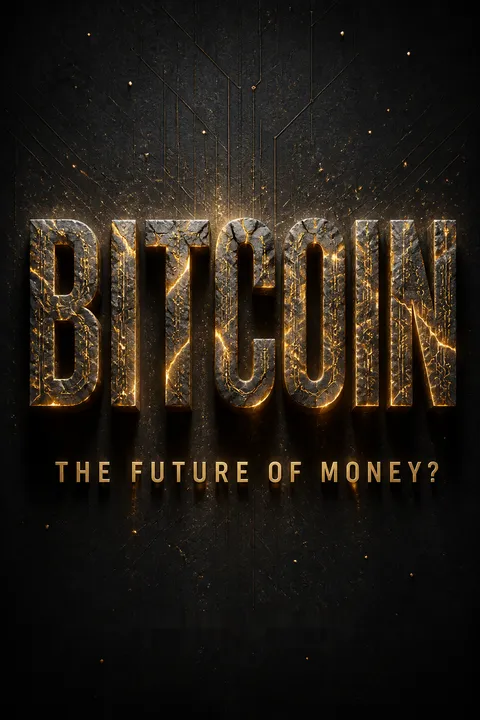

Points clés
1. Bitcoin : une monnaie numérique révolutionnaire née de la crise
« Bitcoin : la concrétisation du rêve Cypherpunk. »
Catalyseur de la crise financière : La crise financière mondiale de 2008 a révélé les failles des systèmes bancaires traditionnels et des monnaies fiduciaires. Ce climat de méfiance envers les institutions financières centralisées a préparé le terrain à l’émergence de Bitcoin.
Solution décentralisée : Bitcoin a été conçu comme un système de paiement électronique entre pairs, fonctionnant sans intermédiaires tels que les banques ou les gouvernements. Ses caractéristiques principales sont :
- Offre limitée (21 millions de bitcoins)
- Registre transparent et immuable des transactions (blockchain)
- Sécurité cryptographique
- Transactions pseudonymes
Percée technologique : Bitcoin a résolu le problème ancien du « double-dépense » dans les monnaies numériques sans recourir à une autorité centrale, grâce à une combinaison de cryptographie, théorie des jeux et informatique distribuée.
2. Les racines Cypherpunk de Bitcoin et sa technologie fondamentale
« Les Cypherpunks écrivent du code. »
Idéologie Cypherpunk : Le mouvement Cypherpunk, apparu au début des années 1990, prônait l’usage de la cryptographie pour protéger la vie privée et favoriser le changement social. Ses principes clés étaient :
- La vie privée comme droit fondamental
- La méfiance envers l’autorité centralisée
- L’utilisation de la technologie pour atteindre des objectifs sociaux et politiques
Précédents technologiques majeurs :
- DigiCash de David Chaum (années 1990)
- Hashcash d’Adam Back (1997)
- b-money de Wei Dai (1998)
- Bit Gold de Nick Szabo (1998)
Innovation de Bitcoin : Satoshi Nakamoto a combiné et amélioré ces concepts pour créer un système de monnaie numérique décentralisé pleinement fonctionnel. L’usage de la preuve de travail, de la blockchain et des incitations économiques pour les participants du réseau furent des innovations clés qui ont rendu Bitcoin viable.
3. Satoshi Nakamoto : le créateur énigmatique de Bitcoin
« Satoshi est partout et nulle part. »
Créateur anonyme : Satoshi Nakamoto, pseudonyme de l’inventeur de Bitcoin, demeure l’un des plus grands mystères du monde des cryptomonnaies. Malgré de nombreuses tentatives pour révéler son identité, celle-ci reste inconnue.
Faits essentiels sur Satoshi :
- Actif dans le développement de Bitcoin de 2008 à 2010
- Estimé détenir environ un million de bitcoins
- Communiquait principalement via des forums en ligne et des courriels
- Expert en cryptographie, informatique et économie
- Utilisait l’anglais britannique dans ses écrits, tout en connaissant des expressions américaines
Héritage et disparition : Satoshi a confié le contrôle du projet Bitcoin à d’autres développeurs fin 2010 et a cessé toute communication connue. Cette disparition a contribué à préserver la nature décentralisée et le mystère entourant Bitcoin.
4. L’ascension de Bitcoin : de l’obscurité à un phénomène mondial
« Le paradis est ici ou nulle part. »
Adoption initiale : Le parcours de Bitcoin, d’un intérêt de niche chez les passionnés de cryptographie à un phénomène financier mondial, a été jalonné de plusieurs étapes clés :
- 2009 : première transaction Bitcoin
- 2010 : premier achat réel (deux pizzas pour 10 000 BTC)
- 2011 : lancement de Silk Road, apportant notoriété et adoption accrue
- 2013 : le prix du Bitcoin atteint la parité avec le dollar américain, puis dépasse les 1 000 dollars
Écosystème en expansion : Avec la popularité croissante de Bitcoin, un écosystème diversifié d’échanges, portefeuilles et services s’est développé pour soutenir son usage et son commerce. Parmi les événements notables :
- Mt. Gox devient la principale plateforme d’échange Bitcoin (avant son effondrement en 2014)
- Développement de portefeuilles matériels pour un stockage sécurisé
- Création de distributeurs automatiques Bitcoin et services de paiement pour commerçants
Attention grand public : Entre 2013 et 2014, Bitcoin a attiré l’attention des médias traditionnels, des institutions financières et des gouvernements, entraînant une surveillance accrue, une régulation et des investissements dans l’univers des cryptomonnaies.
5. Le potentiel de Bitcoin pour transformer la finance et le commerce mondiaux
« Bitcoin est le commencement de quelque chose de grand : une monnaie sans gouvernement, nécessaire et impérative. »
Inclusion financière : Bitcoin offre la possibilité de fournir des services bancaires aux 1,7 milliard d’adultes non bancarisés dans le monde. Ses avantages majeurs sont :
- Faibles barrières à l’entrée (un smartphone et une connexion internet suffisent)
- Transactions sans frontières
- Frais réduits pour les transferts internationaux
Perturbation de la finance traditionnelle : Bitcoin remet en cause les systèmes financiers établis en proposant :
- Des transactions entre pairs sans intermédiaires
- Un fonctionnement 24h/24, sans jours fériés ni horaires d’ouverture
- De l’argent programmable et des contrats intelligents
Implications économiques :
- Couverture potentielle contre l’inflation et la dévaluation monétaire
- Remise en question du contrôle des politiques monétaires par les gouvernements
- Nouveaux modèles de financement (par exemple, les Initial Coin Offerings)
6. Défis et critiques face à l’adoption grand public de Bitcoin
« Le monde cherche quelque chose – un nouveau tour. Je pense que la crypto pourrait bien être cette chose. »
Obstacles techniques :
- Problèmes de scalabilité (capacité limitée des transactions)
- Consommation énergétique du minage par preuve de travail
- Difficultés liées à l’expérience utilisateur et à la sécurité
Enjeux réglementaires :
- Statut légal variable selon les pays
- Conformité aux règles anti-blanchiment (AML) et connaissance client (KYC)
- Fiscalité des gains en cryptomonnaies
Volatilité du marché : Le prix du Bitcoin connaît des fluctuations extrêmes, ce qui freine son usage comme moyen d’échange stable et réserve de valeur.
Perception publique : Les associations négatives avec des activités criminelles, des escroqueries et des préoccupations environnementales ont affecté la réputation et l’adoption de Bitcoin.
7. L’avenir des cryptomonnaies et de la technologie blockchain
« La technologie blockchain va tout changer. »
Au-delà de Bitcoin : Le succès de Bitcoin a engendré des milliers d’autres cryptomonnaies (altcoins) et projets blockchain, chacun avec des caractéristiques et usages spécifiques :
- Ethereum : contrats intelligents et applications décentralisées
- Ripple : transferts interbancaires et remises de fonds
- Monero : confidentialité renforcée et fongibilité
Adoption institutionnelle : Les grandes entreprises et institutions financières explorent de plus en plus la blockchain et les cryptomonnaies :
- Investissements en trésorerie d’entreprise (par exemple, MicroStrategy, Tesla)
- Monnaies numériques de banque centrale (CBDC)
- Gestion de la chaîne d’approvisionnement et systèmes d’identité basés sur la blockchain
Tendances émergentes :
- Finance décentralisée (DeFi) : prêts, emprunts et échanges sans intermédiaires
- Jetons non fongibles (NFT) : propriété numérique et rareté pour l’art, les objets de collection et l’immobilier virtuel
- Web3 : vision d’un internet décentralisé fondé sur la blockchain
À mesure que l’écosystème des cryptomonnaies évolue, il pourrait transformer divers aspects de la finance, de la gouvernance et des interactions numériques. Toutefois, l’impact à long terme et l’adoption de ces technologies restent incertains, soumis aux développements technologiques, aux cadres réglementaires et à l’acceptation sociale.
Résumé des avis
Bitcoin suscite des avis partagés, avec une note moyenne de 3,87 sur 5. Certains lecteurs le saluent comme une introduction instructive à la cryptomonnaie, tandis que d’autres lui reprochent un manque de profondeur technique et une insistance excessive sur les spéculations autour du créateur de Bitcoin. Le livre est apprécié pour sa clarté et son contexte historique, mais critiqué pour son biais libertarien et des informations parfois dépassées. Nombreux sont ceux qui valorisent la réflexion sur l’impact potentiel de la technologie blockchain, tout en regrettant que les inconvénients et risques liés aux cryptomonnaies soient abordés de manière trop superficielle.
Les lecteurs ont aussi lu








FAQ
What's "Bitcoin: The Future of Money?" about?
- Exploration of Bitcoin: The book delves into Bitcoin as a revolutionary form of digital currency, exploring its potential to change the global financial system.
- Historical Context: It provides a historical perspective on money, comparing Bitcoin to past monetary systems like gold and fiat currencies.
- Technical Insights: The book explains the technical underpinnings of Bitcoin, including the blockchain technology that makes it secure and decentralized.
- Cultural Impact: It discusses the cultural and political implications of Bitcoin, particularly its appeal to libertarians and those seeking financial privacy.
Why should I read "Bitcoin: The Future of Money?" by Dominic Frisby?
- Comprehensive Overview: The book offers a thorough understanding of Bitcoin, from its inception to its potential future impact.
- Engaging Narrative: Dominic Frisby combines storytelling with technical details, making complex concepts accessible and engaging.
- Insightful Analysis: It provides a balanced view of Bitcoin's advantages and challenges, helping readers form their own opinions.
- Future Implications: Understanding Bitcoin is crucial as it may play a significant role in the future of global finance and technology.
What are the key takeaways of "Bitcoin: The Future of Money?"?
- Decentralization: Bitcoin operates without a central authority, offering a new model for financial transactions.
- Potential for Change: Bitcoin could disrupt traditional banking and financial systems, leading to more financial freedom.
- Technological Innovation: The blockchain technology behind Bitcoin is a groundbreaking development with applications beyond currency.
- Economic Implications: Bitcoin challenges the current monetary system, raising questions about inflation, government control, and economic inequality.
How does Dominic Frisby explain Bitcoin's creation and its mysterious founder?
- Satoshi Nakamoto: The book explores the mystery of Bitcoin's creator, Satoshi Nakamoto, who remains anonymous.
- Genesis of Bitcoin: Frisby details the creation of Bitcoin, highlighting the technological and ideological motivations behind it.
- Cypherpunk Influence: The book discusses the influence of the Cypherpunk movement, which advocated for privacy and digital currency.
- Speculative Theories: Frisby examines various theories about Nakamoto's identity, adding intrigue to the narrative.
What is blockchain technology, according to "Bitcoin: The Future of Money?"?
- Definition: Blockchain is a decentralized ledger that records all Bitcoin transactions, ensuring transparency and security.
- Immutable Records: Once a transaction is recorded on the blockchain, it cannot be altered, preventing fraud and double-spending.
- Decentralized Network: The blockchain is maintained by a network of computers (miners) that validate transactions through complex algorithms.
- Beyond Currency: The book suggests that blockchain technology has potential applications in various fields, including law, finance, and data management.
How does Dominic Frisby address the potential impact of Bitcoin on the global economy?
- Disruption of Banking: Bitcoin could challenge traditional banking systems by offering a decentralized alternative for transactions.
- Financial Inclusion: It has the potential to provide financial services to the unbanked population, particularly in developing countries.
- Inflation and Control: Bitcoin's fixed supply could protect against inflation, reducing government control over monetary policy.
- Economic Redistribution: The book discusses how Bitcoin could lead to a more equitable distribution of wealth by bypassing traditional financial intermediaries.
What are the challenges and criticisms of Bitcoin mentioned in the book?
- Volatility: Bitcoin's price volatility makes it a risky investment and a challenging medium of exchange.
- Regulatory Concerns: Governments may impose regulations to control or ban Bitcoin, affecting its adoption and use.
- Security Risks: While the blockchain is secure, exchanges and wallets can be vulnerable to hacks and theft.
- Environmental Impact: The energy-intensive process of mining Bitcoin raises concerns about its environmental sustainability.
What are the best quotes from "Bitcoin: The Future of Money?" and what do they mean?
- "Bitcoin is the beginning of something great: a currency without a government, something necessary and imperative." - This quote highlights Bitcoin's potential to revolutionize the financial system by removing government control.
- "The root problem with conventional currency is all the trust that's required to make it work." - It underscores the trust issues inherent in traditional currencies, which Bitcoin aims to solve through cryptographic proof.
- "Bitcoin is a way to involve billions in the world economy." - This emphasizes Bitcoin's potential to provide financial access to the unbanked and underbanked populations globally.
How does Dominic Frisby compare Bitcoin to traditional currencies?
- Decentralization vs. Centralization: Bitcoin operates without a central authority, unlike traditional currencies controlled by governments and central banks.
- Fixed Supply: Bitcoin's supply is capped at 21 million coins, contrasting with fiat currencies that can be printed at will, leading to inflation.
- Transparency: All Bitcoin transactions are recorded on a public ledger, offering more transparency than traditional banking systems.
- Global Accessibility: Bitcoin can be accessed and used by anyone with an internet connection, unlike traditional currencies that may require banking infrastructure.
What role does the Cypherpunk movement play in the development of Bitcoin?
- Privacy Advocacy: The Cypherpunk movement advocated for privacy and the use of cryptography to protect individual freedoms.
- Ideological Foundation: Bitcoin's creation was influenced by Cypherpunk ideals, emphasizing decentralization and financial privacy.
- Technological Contributions: Many Cypherpunks contributed to the development of technologies that underpin Bitcoin, such as cryptographic protocols.
- Cultural Impact: The movement's emphasis on privacy and freedom continues to shape the discourse around Bitcoin and digital currencies.
How does "Bitcoin: The Future of Money?" address the environmental concerns related to Bitcoin mining?
- Energy Consumption: The book acknowledges the significant energy consumption involved in Bitcoin mining due to the computational power required.
- Environmental Impact: It discusses the environmental implications of mining, including carbon emissions and resource depletion.
- Potential Solutions: Frisby explores potential solutions, such as transitioning to renewable energy sources and improving mining efficiency.
- Ongoing Debate: The book highlights the ongoing debate within the Bitcoin community about balancing growth with environmental responsibility.
What future developments in cryptocurrency does Dominic Frisby predict?
- Increased Adoption: Frisby predicts wider adoption of Bitcoin and other cryptocurrencies as they become more user-friendly and integrated into everyday life.
- Regulatory Evolution: He anticipates changes in regulation as governments adapt to the growing influence of digital currencies.
- Technological Advancements: The book foresees advancements in blockchain technology, leading to new applications beyond currency.
- Economic Shifts: Frisby suggests that cryptocurrencies could lead to significant shifts in the global economic landscape, challenging traditional financial systems.
Télécharger le PDF
Télécharger l'EPUB
.epub digital book format is ideal for reading ebooks on phones, tablets, and e-readers.








































