Ideas clave
1. La convergencia de las revoluciones cuántica, informática y del ADN transformará el siglo XXI
"Los tres grandes temas de la ciencia en el siglo XX: el átomo, la computadora y el gen."
Sinergia tecnológica. El siglo XXI estará marcado por la convergencia y la interacción de tres revoluciones científicas fundamentales:
- Revolución cuántica: comprender la materia a nivel atómico y subatómico
- Revolución informática: crecimiento exponencial en el poder de cómputo e inteligencia artificial
- Revolución del ADN: descifrar el genoma humano y manipular la información genética
Esta convergencia impulsará avances sin precedentes en:
- Nanotecnología
- Computación cuántica
- Medicina personalizada
- Terapia génica
- Inteligencia artificial
- Biotecnología
La interacción entre estos campos acelerará el progreso científico y creará industrias completamente nuevas, con el potencial de resolver algunos de los mayores desafíos de la humanidad en salud, energía y medio ambiente.
2. La Ley de Moore impulsará el progreso tecnológico hasta 2020, luego surgirán nuevos paradigmas
"Para 2020, el reinado del silicio llegará a su fin y se habrán creado arquitecturas informáticas completamente nuevas."
Más allá del silicio. La Ley de Moore, que predice la duplicación del poder de cómputo cada 18 meses, ha sido el motor del progreso tecnológico durante décadas. Sin embargo, este crecimiento exponencial enfrenta limitaciones físicas:
- Para 2020, los transistores basados en silicio se acercarán a la escala atómica
- Los efectos cuánticos interferirán con el diseño tradicional de circuitos
- La disipación de calor se convierte en un desafío mayor a escala nanométrica
Para superar estas barreras, los investigadores exploran paradigmas alternativos de computación:
- Computadoras cuánticas: aprovechando la superposición cuántica para un poder de procesamiento exponencial
- Computadoras ópticas: usando luz en lugar de electricidad para una transmisión de datos más rápida
- Computadoras de ADN: utilizando moléculas biológicas para procesamiento masivamente paralelo
- Computación neuromórfica: imitando la estructura y función del cerebro humano
Estos nuevos paradigmas podrían sostener el crecimiento exponencial del poder de cómputo más allá de 2020, permitiendo hazañas tecnológicas antes inimaginables.
3. La computación ubicua hará que la tecnología sea invisible e integrada en nuestro entorno
"Máquinas que se adapten al entorno humano en lugar de obligar a los humanos a adaptarse a ellas harán que usar una computadora sea tan refrescante como dar un paseo por el bosque."
Integración invisible. El futuro de la computación reside en su desaparición de nuestra conciencia. La computación ubicua, o "ubicomp", imagina un mundo donde:
- Microchips están incrustados en objetos y ambientes cotidianos
- La tecnología responde a nuestra presencia y anticipa nuestras necesidades
- Las interfaces se vuelven naturales e intuitivas, basadas en el habla, gestos y contexto
Ejemplos de tecnologías ubicomp:
- Hogares inteligentes que ajustan automáticamente la iluminación, temperatura y seguridad
- Dispositivos portátiles que monitorean la salud y brindan información en tiempo real
- Interfaces de realidad aumentada que superponen información digital sobre el mundo físico
- Dispositivos del Internet de las Cosas (IoT) que se comunican y coordinan sin esfuerzo
Este cambio hacia una computación invisible y omnipresente transformará radicalmente nuestra interacción con la tecnología y el entorno, haciendo que la asistencia digital sea una parte natural y sin esfuerzo de la vida diaria.
4. La inteligencia artificial evolucionará de aplicaciones específicas a máquinas potencialmente conscientes
"En algún momento de los próximos treinta años, muy silenciosamente, un día dejaremos de ser las cosas más inteligentes sobre la Tierra."
Evolución de la IA. El desarrollo de la inteligencia artificial avanzará en varias etapas:
- IA estrecha (actualidad - 2020): sistemas especializados que sobresalen en tareas específicas
- IA general (2020 - 2050): máquinas con razonamiento y capacidad de resolución de problemas similares a los humanos
- IA superinteligente (más allá de 2050): sistemas que superan la inteligencia humana en todos los ámbitos
Hitos clave en el desarrollo de la IA:
- Procesamiento y comprensión del lenguaje natural
- Razonamiento con sentido común y representación del conocimiento
- Aprendizaje automático y resolución adaptativa de problemas
- Inteligencia emocional e interacción social
- Autoconciencia y conciencia (especulativo)
La posible aparición de máquinas conscientes plantea profundas preguntas filosóficas y éticas sobre la naturaleza de la inteligencia, la conciencia y nuestro lugar en el universo. Aunque el calendario para lograr una verdadera conciencia artificial es incierto, el rápido avance en las capacidades de la IA seguirá transformando industrias y la sociedad en las próximas décadas.
5. El proyecto del genoma humano permitirá la medicina personalizada y la terapia génica
"Para 2010, cuando cumplas dieciocho años, podrás tener impreso un informe con tus riesgos individuales de enfermedades futuras basado en los genes que has heredado."
Revolución genética. La finalización del Proyecto del Genoma Humano en 2005 abrirá una nueva era en la medicina personalizada:
- La secuenciación individual del ADN será accesible y generalizada
- Se podrán identificar predisposiciones genéticas a enfermedades de forma temprana
- Serán posibles terapias dirigidas basadas en perfiles genéticos
Avances en terapia génica:
- Corregir defectos genéticos para curar enfermedades hereditarias
- Potenciar las defensas naturales del cuerpo contra el cáncer y otras enfermedades
- Posiblemente ralentizar o revertir el proceso de envejecimiento
Desafíos y consideraciones:
- Preocupaciones éticas sobre la privacidad genética y la discriminación
- Acceso equitativo a tecnologías y tratamientos genéticos
- Equilibrar las intervenciones genéticas con factores ambientales en la salud
La capacidad de leer y manipular nuestro código genético cambiará radicalmente nuestro enfoque en la atención médica, pasando de un tratamiento reactivo a una prevención proactiva e intervenciones personalizadas.
6. La medicina molecular revolucionará el tratamiento de enfermedades y podría extender la vida humana
"Estamos entrando en una era en la que la enfermedad será predicha antes de que ocurra."
Precisión microscópica. La medicina molecular se centra en comprender y tratar las enfermedades a nivel molecular, ofreciendo una precisión y efectividad sin precedentes:
- Terapias farmacológicas dirigidas que atacan vías moleculares específicas
- Tratamientos basados en nanotecnología que actúan a nivel celular
- Técnicas de edición genética para corregir defectos genéticos
Posibles avances:
- Curar el cáncer atacando mutaciones genéticas específicas
- Revertir enfermedades neurodegenerativas como el Alzheimer
- Regenerar órganos dañados mediante terapias con células madre
La búsqueda de la longevidad:
- Identificar y manipular "genes del envejecimiento"
- Desarrollar tratamientos para ralentizar o revertir el envejecimiento celular
- Explorar el potencial de una extensión radical de la vida
Aunque el objetivo de extender dramáticamente la vida humana sigue siendo controvertido, la medicina molecular promete mejorar significativamente la calidad y duración de la vida para muchas personas en las próximas décadas.
7. La ingeniería genética de plantas y animales transformará la agricultura y creará nuevas especies
"Podemos introducir casi cualquier molécula con valor terapéutico en las plantas."
Ecosistemas bioingenierizados. Las técnicas de ingeniería genética revolucionarán la agricultura y la ganadería:
- Cultivos con mayor valor nutricional, resistencia a enfermedades y rendimiento
- Animales diseñados para mejorar la producción de carne o aplicaciones médicas
- Nuevas especies híbridas que combinan rasgos de múltiples organismos
Ejemplos de aplicaciones de la ingeniería genética:
- Cultivos resistentes a la sequía para combatir los efectos del cambio climático
- Plantas que producen fármacos o productos químicos industriales
- Animales que sirven como donantes de órganos para trasplantes humanos
Riesgos y preocupaciones potenciales:
- Consecuencias ecológicas no deseadas por la liberación de organismos modificados
- Pérdida de biodiversidad debido al predominio de especies modificadas
- Consideraciones éticas sobre la creación y manipulación de formas de vida
La capacidad de diseñar plantas y animales con precisión ofrecerá herramientas poderosas para enfrentar desafíos globales en seguridad alimentaria, medicina y sostenibilidad ambiental, pero requerirá regulación cuidadosa y supervisión ética.
8. Surgen desafíos éticos por la capacidad de manipular el genoma humano y crear bebés a la carta
"Debemos decidir hasta qué punto queremos diseñar a nuestros descendientes."
Dilemas genéticos. A medida que avanzan las tecnologías de ingeniería genética, la sociedad enfrentará profundas preguntas éticas:
- ¿Deberíamos permitir la mejora genética de rasgos humanos?
- ¿Cómo definimos el límite entre terapia y mejora?
- ¿Quién debería tener acceso a estas tecnologías y cómo regularlas?
Escenarios posibles:
- Padres seleccionando embriones con rasgos genéticos deseados
- Terapia génica para mejorar habilidades cognitivas o físicas
- Creación de "bebés a la carta" genéticamente modificados
Consideraciones éticas:
- Exacerbar las desigualdades sociales mediante ventajas genéticas
- Preservar la diversidad humana y la imprevisibilidad
- Respetar la autonomía de las futuras generaciones
La capacidad de manipular el genoma humano ofrece un enorme potencial para eliminar enfermedades genéticas y potenciar capacidades humanas, pero también plantea complejas cuestiones morales y filosóficas sobre la naturaleza de la humanidad y nuestro papel en moldear nuestra propia evolución.
9. La revolución biomolecular ofrece grandes beneficios y peligros potenciales para la sociedad
"El mismo reduccionismo al nivel molecular que impulsa la revolución médica también plantea el mayor desafío moral que enfrentamos."
Espada de doble filo. La revolución biomolecular presenta un panorama complejo de oportunidades y riesgos:
Beneficios:
- Curar enfermedades genéticas y extender vidas saludables
- Aumentar la producción y el valor nutricional de los alimentos
- Desarrollar nuevos materiales y fuentes de energía
Peligros potenciales:
- Liberación accidental de organismos modificados en el medio ambiente
- Bioterrorismo y uso bélico de tecnologías genéticas
- Agravar las desigualdades sociales mediante mejoras genéticas
Equilibrar progreso y precaución:
- Implementar marcos regulatorios sólidos para tecnologías genéticas
- Fomentar el diálogo público y la educación sobre bioética
- Promover la cooperación internacional para enfrentar desafíos y riesgos globales
La revolución biomolecular tiene el potencial de resolver muchos de los problemas más urgentes de la humanidad, pero también exige una consideración cuidadosa de sus consecuencias a largo plazo y sus implicaciones éticas. Encontrar el equilibrio adecuado entre innovación y desarrollo responsable será clave para forjar un futuro positivo para la humanidad en la era de la ingeniería genética.
Resumen de reseñas
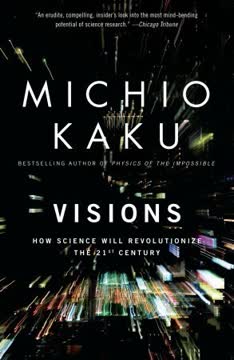
Visiones: Cómo la ciencia revolucionará el siglo XXI ha recibido en su mayoría críticas positivas, destacando la habilidad de Kaku para explicar conceptos científicos complejos y realizar predicciones acertadas. Muchos lectores consideran el libro estimulante e informativo, abarcando temas como la informática, la biotecnología y la física cuántica. Algunos señalan que ciertas partes del texto están algo desactualizadas, pero aún así valoran la comparación entre las predicciones de Kaku y la realidad actual. Unos pocos comentarios críticos mencionan cierta repetitividad y la dificultad ocasional para comprender conceptos técnicos.
También leyeron





Preguntas frecuentes
What's Visions: How Science Will Revolutionize the 21st Century about?
- Exploration of Future Science: The book delves into how advancements in science, particularly in artificial intelligence, genetics, and nanotechnology, will reshape society in the 21st century.
- Three Scientific Revolutions: Michio Kaku identifies three key revolutions: the computer revolution, the biomolecular revolution, and the quantum revolution, each expected to significantly impact our understanding and manipulation of matter, life, and intelligence.
- Interdisciplinary Approach: Kaku combines physics, engineering, and biology to explore how these fields intersect and contribute to future innovations, providing a comprehensive understanding of potential advancements.
Why should I read Visions: How Science Will Revolutionize the 21st Century?
- Insightful Predictions: The book offers a well-researched look into the future of technology and its implications for humanity, based on interviews with over 150 scientists.
- Engaging Writing Style: Michio Kaku's ability to explain complex scientific concepts in an accessible manner makes the book enjoyable for both lay readers and experts.
- Broader Implications: It not only discusses technological advancements but also their societal impacts, prompting readers to think critically about the future.
What are the key takeaways of Visions: How Science Will Revolutionize the 21st Century?
- Three Pillars of Science: The book outlines the three pillars of modern science: matter, life, and intelligence, which will drive future scientific discoveries and innovations.
- Emerging Synergy: Kaku discusses the synergy between the computer, biomolecular, and quantum revolutions, expected to accelerate scientific progress and create new opportunities.
- Future Predictions: Predictions are categorized into three time frames: developments expected by 2020, from 2020 to 2050, and beyond 2050, helping readers understand when to expect various technological advancements.
What are the best quotes from Visions: How Science Will Revolutionize the 21st Century and what do they mean?
- “There are three great themes in science in the twentieth century—the atom, the computer, and the gene.”: Highlights the foundational discoveries of the last century that have shaped modern science and will continue to influence future advancements.
- “Prediction is very hard, especially when it’s about the future.”: Reflects the inherent uncertainty in forecasting scientific progress, acknowledging the challenges of making accurate predictions.
- “We are now making the transition from amateur chess players to grand masters, from observers to choreographers of Nature.”: Signifies the shift in human capability to manipulate natural processes through science, encapsulating the book's central theme of empowerment through scientific understanding.
What are the three scientific revolutions discussed in Visions: How Science Will Revolutionize the 21st Century?
- Computer Revolution: Focuses on the rapid advancements in computing technology, predicting that computers will become so integrated into our lives that they will be invisible yet omnipresent.
- Biomolecular Revolution: Pertains to advancements in genetics and molecular biology, allowing us to manipulate life at the molecular level, with potential for personalized medicine and genetic engineering.
- Quantum Revolution: Involves understanding and manipulating matter at the quantum level, with breakthroughs in quantum physics leading to new technologies that can control matter in unprecedented ways.
How does Michio Kaku define the role of scientists in shaping the future in Visions?
- Collaborative Efforts: Emphasizes that no single individual can invent the future; it requires the collective efforts of many scientists across various disciplines.
- Emerging Consensus: Highlights the importance of an emerging consensus among scientists regarding future predictions, making them more reliable than individual opinions.
- Choreographers of Nature: Describes scientists as "choreographers" who will actively shape the future through their discoveries, illustrating their proactive role in directing technological advancements.
What are the potential societal impacts of the scientific revolutions according to Visions?
- Economic Shifts: Scientific revolutions will lead to significant changes in the economy, with new industries emerging and existing ones transforming, resulting in job displacement and new opportunities.
- Ethical Considerations: Raises important ethical questions regarding genetic engineering, artificial intelligence, and the manipulation of life, encouraging readers to consider the moral implications.
- Global Cooperation: Suggests that advancements in science and technology will necessitate greater global cooperation to address complex challenges like climate change and public health.
How does Michio Kaku envision the future of artificial intelligence in Visions?
- Emerging Intelligent Systems: Predicts the development of intelligent systems capable of learning and adapting to their environments, enhancing daily lives and working alongside humans.
- Self-Aware Robots: Speculates that by 2050, robots may achieve a degree of self-awareness, raising questions about their rights and roles in society.
- Integration with Humans: Discusses the possibility of merging human intelligence with artificial systems, creating cyborgs that enhance human capabilities and redefine what it means to be human.
What role does nanotechnology play in the future according to Visions: How Science Will Revolutionize the 21st Century?
- Molecular Machines: Discusses the potential of nanotechnology to create molecular machines that could perform tasks at the atomic level, revolutionizing various industries.
- Applications in Medicine: Envisions these machines being used to target diseases, clean up the environment, and repair cellular damage, potentially leading to breakthroughs in healthcare.
- Skepticism and Challenges: Acknowledges significant technical challenges before nanotechnology can be fully realized, despite its exciting possibilities.
How does Visions address the concept of room temperature superconductors?
- Energy Efficiency: Describes room temperature superconductors as a breakthrough that could drastically reduce energy loss in power transmission, making energy systems more efficient.
- Potential Applications: Outlines applications like maglev trains and advanced medical imaging technologies that could become feasible with room temperature superconductors.
- Current Research Status: Provides an overview of ongoing research efforts and breakthroughs in superconductivity, emphasizing the challenges that remain.
What are the implications of the multiverse theory discussed in Visions?
- Parallel Universes: Introduces the concept of the multiverse, where multiple universes exist simultaneously, each with different physical laws and constants.
- Anthropic Principle: Provides a framework for understanding the Anthropic Principle, suggesting that our universe is just one of many that could support life.
- Philosophical Considerations: Raises profound philosophical questions about existence, consciousness, and the nature of reality, encouraging contemplation of living in a universe that may be just one of countless others.
How does Visions explore the future of space exploration?
- Interplanetary Missions: Outlines plans for future missions to Mars and beyond, emphasizing the importance of robotic exploration as a precursor to human colonization.
- Colonization of Other Planets: Discusses the potential for humanity to establish colonies on other planets, driven by the need for survival and exploration.
- Technological Innovations: Speculates on technologies that will enable space travel, including advanced propulsion systems and life support technologies, envisioning a future where space travel becomes routine.
Sobre el autor
Otros libros de Michio Kaku