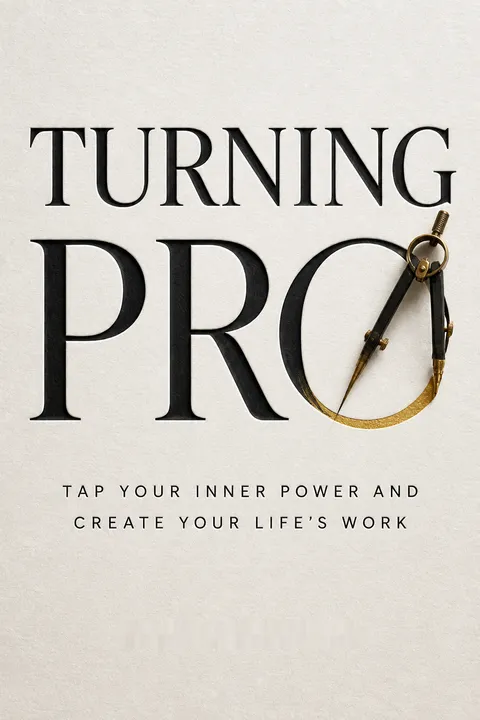

Ideas clave
1. Conviértete en Profesional: Deja Atrás la Vida de Aficionado y Abraza tu Vocación
Convertirse en profesional es gratis, pero no es fácil. No necesitas tomar un curso ni comprar un producto. Solo tienes que cambiar tu forma de pensar.
Abraza tu verdadera vocación. Ser profesional significa reconocer y seguir tu pasión auténtica, ya sea escribir, crear arte, emprender o cualquier otro campo. Implica dejar atrás la seguridad de las actividades amateur y las carreras en la sombra que solo distraen de tu propósito real.
Supera la resistencia interna. El paso de aficionado a profesional es, sobre todo, mental. Requiere enfrentar tus miedos, dudas y la comodidad de hábitos conocidos. Esta transformación suele llegar tras tocar fondo o vivir una epifanía profunda que te obliga a replantear tus decisiones.
Señales de que aún eres aficionado:
- Buscas constantemente la aprobación de otros
- Te distraes con facilidad y procrastinas
- Temes al fracaso y al rechazo
- Vives en el pasado o en el futuro, no en el presente
2. Enfrenta tus Miedos y Vence la Resistencia
La resistencia es diabólica. Puede aprovechar nuestro impulso hacia la grandeza y nuestro instinto profesional para atarlos, en cambio, a una profesión en la sombra, cuyas exigencias nos alejan de nuestro verdadero camino.
Identifica y enfrenta tus miedos. La resistencia se manifiesta como miedo, dudas, procrastinación y adicciones. Es la fuerza que te impide seguir tu verdadera vocación. Reconocer estas formas de resistencia es el primer paso para superarlas.
Actúa con constancia. El profesional sabe que la resistencia es una batalla diaria. Se compromete a presentarse cada día, sin importar el ánimo o las circunstancias. Este esfuerzo constante debilita poco a poco la resistencia y genera impulso hacia tus metas.
Formas comunes de resistencia:
- Perfeccionismo
- Auto-sabotaje
- Adicción a las distracciones (redes sociales, entretenimiento)
- Síndrome del impostor
- Miedo al éxito o al fracaso
3. Desarrolla una Mentalidad y Hábitos Profesionales
La diferencia entre un aficionado y un profesional está en sus hábitos. El aficionado tiene hábitos de aficionado. El profesional tiene hábitos de profesional.
Cultiva la disciplina. Los profesionales crean rutinas y hábitos que apoyan su trabajo. Se presentan cada día, mantienen el enfoque y se comprometen a largo plazo. Saben que la constancia y la perseverancia son la clave del éxito.
Asume la responsabilidad. Los profesionales se hacen cargo de su trabajo y su progreso. No ponen excusas ni culpan a otros por sus fracasos. Aprenden de sus errores y buscan mejorar continuamente su oficio.
Hábitos profesionales para desarrollar:
- Presentarse diariamente, sin esperar inspiración
- Establecer metas claras y plazos definidos
- Aprender y mejorar habilidades constantemente
- Buscar críticas constructivas y retroalimentación
- Gestionar el tiempo de manera efectiva
4. Crea un Espacio y Tiempo Sagrados para tu Práctica
Una práctica tiene un espacio, y ese espacio es sagrado.
Designa un lugar de trabajo dedicado. Crea un entorno físico que apoye tu labor y le indique a tu mente que es momento de concentrarse. Este espacio debe estar libre de distracciones y contar con las herramientas necesarias para tu oficio.
Establece una rutina. Reserva horarios específicos para tu trabajo y trátalos como citas inamovibles. Esta constancia ayuda a generar impulso y entrena tu mente para entrar en un estado creativo con mayor facilidad.
Elementos de un espacio creativo sagrado:
- Mínimas distracciones
- Herramientas y recursos necesarios a mano
- Cómodo y propicio para la concentración
- Personalizado para inspirar y motivar
5. Confía en el Proceso Creativo y Trabaja con Intención
El profesional confía en el misterio. Sabe que la Musa siempre entrega.
Abraza la incertidumbre. Acepta que el trabajo creativo implica adentrarse en lo desconocido. Confía en que tu mente subconsciente y tu experiencia acumulada te guiarán, incluso cuando no sepas hacia dónde te lleva el trabajo.
Concéntrate en el proceso, no en el resultado. Enfócate en hacer el trabajo en sí, en lugar de obsesionarte con los resultados o la validación externa. Esta mentalidad te permite estar presente y comprometerte plenamente con tu oficio.
Maneras de cultivar la confianza en el proceso creativo:
- Practicar escritura libre o lluvia de ideas sin juzgar
- Experimentar con nuevas técnicas o enfoques
- Permitir “malos” primeros borradores
- Celebrar pequeñas victorias y avances
6. Abraza la Incomodidad y Trabaja a Pesar del Dolor
Los atletas juegan lesionados. Los guerreros luchan con miedo. El profesional toma dos aspirinas y sigue adelante.
Supera la resistencia. Los profesionales entienden que la incomodidad es parte del proceso creativo. No esperan condiciones perfectas ni inspiración repentina. Se presentan y hacen el trabajo, aunque sea difícil o doloroso.
Desarrolla resiliencia. Aprende a recuperarte de los reveses, críticas y fracasos. Ve estos desafíos como oportunidades para crecer, no como razones para rendirte. La capacidad de perseverar ante la adversidad es lo que distingue a los profesionales de los aficionados.
Estrategias para fortalecer la resiliencia:
- Reinterpretar los fracasos como aprendizajes
- Establecer expectativas realistas y celebrar pequeños logros
- Crear una red de apoyo con otros profesionales
- Practicar la autocompasión y evitar el diálogo interno negativo
7. Busca el Crecimiento Continuo y el Aprendizaje Permanente
Llegamos a una práctica como estudiantes.
Cultiva la humildad. Reconoce que siempre hay más por aprender, sin importar tu nivel de experiencia. Acércate a tu oficio con curiosidad y apertura a nuevas ideas y perspectivas.
Invierte en el desarrollo de habilidades. Trabaja constantemente para mejorar tu oficio mediante el estudio, la práctica y la búsqueda de retroalimentación. El profesional sabe que la maestría es un camino de toda la vida, no un destino.
Formas de fomentar el crecimiento continuo:
- Leer ampliamente en tu campo y disciplinas relacionadas
- Asistir a talleres, conferencias o cursos
- Buscar mentoría o unirte a una comunidad de pares
- Desafiarte regularmente con nuevos proyectos o técnicas
- Reflexionar sobre tu progreso y fijar nuevas metas de aprendizaje
Resumen de reseñas
Turning Pro recibió en su mayoría críticas positivas, destacando su impacto motivacional y las reflexiones sobre cómo convertirse en un profesional. Muchos lectores lo consideraron una valiosa continuación de La guerra del arte de Pressfield. Los críticos valoraron su estilo de escritura conciso y los consejos prácticos para superar la resistencia y seguir el llamado personal. Sin embargo, algunos opinaban que el libro resultaba repetitivo, carecía de pasos concretos para "convertirse en profesional" y ofrecía una visión demasiado rígida del profesionalismo. A pesar de las opiniones encontradas, numerosos lectores encontraron la obra inspiradora y útil para sus proyectos creativos.
También leyeron








Preguntas frecuentes
What's "Turning Pro" about?
- Transition from Amateur to Pro: "Turning Pro" by Steven Pressfield explores the journey of transforming from an amateur to a professional in one's craft or calling.
- Overcoming Resistance: The book delves into the concept of Resistance, a force that prevents individuals from achieving their true potential, and how turning pro helps overcome it.
- Practical Guidance: It provides practical advice and insights on how to make this transition, emphasizing discipline, commitment, and the mindset required to succeed.
- Personal Transformation: Pressfield shares personal anecdotes and stories to illustrate the profound changes that occur when one decides to turn pro.
Why should I read "Turning Pro"?
- Inspiration for Creatives: The book is a source of inspiration for artists, writers, entrepreneurs, and anyone seeking to pursue their true calling.
- Actionable Advice: It offers actionable advice on overcoming procrastination, self-doubt, and other barriers to success.
- Personal Growth: Readers can gain insights into personal growth and self-discovery through the process of turning pro.
- Empowerment: The book empowers readers to take control of their lives and commit to their passions with a professional mindset.
What are the key takeaways of "Turning Pro"?
- Resistance is the Enemy: Recognize Resistance as the primary obstacle to achieving your goals and learn strategies to combat it.
- Commitment is Crucial: Turning pro requires a deep commitment to your craft, involving discipline, sacrifice, and perseverance.
- Identity Shift: The transition involves a shift in identity from an amateur, who is driven by fear and ego, to a professional, who is focused and resilient.
- Daily Practice: Establishing a daily practice and routine is essential for maintaining progress and achieving mastery.
How does Steven Pressfield define "Turning Pro"?
- Mindset Change: Turning pro is a mental shift where one commits to their craft with seriousness and dedication.
- Leaving Amateur Ways: It involves leaving behind amateur habits, such as seeking validation and fearing failure, to embrace a professional approach.
- Sacrifice and Discipline: The process demands sacrifice, discipline, and a willingness to face challenges head-on.
- Self-Respect and Authenticity: Turning pro leads to finding one's power, voice, and self-respect, allowing individuals to live authentically.
What is "Resistance" according to Steven Pressfield?
- Internal Enemy: Resistance is an internal force that prevents individuals from pursuing their true calling and achieving their goals.
- Manifests as Fear: It often manifests as fear, self-doubt, procrastination, and distractions that keep us from doing our work.
- Universal Experience: Everyone experiences Resistance, but it is particularly strong when we are on the verge of a breakthrough or significant achievement.
- Overcoming Resistance: The book provides strategies to recognize and overcome Resistance, emphasizing the importance of turning pro.
What are the "Three Models of Self-Transformation" in "Turning Pro"?
- Therapeutic Model: This model views personal issues as conditions or diseases that can be treated to achieve wellness.
- Moralistic Model: It frames problems in terms of right and wrong, suggesting that punishment and penance can lead to redemption.
- Amateur vs. Professional Model: Pressfield proposes a third model, where the issue is living as an amateur, and the solution is turning pro by changing one's mindset.
How does "Turning Pro" address the concept of "Shadow Careers"?
- Metaphor for True Calling: Shadow careers are metaphorical pursuits that mimic our true calling but involve no real risk or fulfillment.
- Avoiding True Potential: They serve as a way to avoid facing our true potential and the challenges that come with it.
- Examples of Shadow Careers: Pressfield provides examples, such as working in a support role instead of pursuing one's passion directly.
- Recognizing and Moving Beyond: The book encourages readers to recognize shadow careers and take steps to pursue their true calling.
What role does "Addiction" play in "Turning Pro"?
- Distraction from Calling: Addiction is seen as a distraction that prevents individuals from pursuing their true calling.
- Shadow Form of Calling: It acts as a shadow form of one's aspirations, providing a temporary escape from the pain of not fulfilling one's potential.
- Overcoming Addiction: The book suggests that turning pro involves overcoming addictions and replacing them with productive habits.
- Addiction as a Metaphor: Pressfield uses addiction as a metaphor for the ways we avoid facing our true selves and the work we are meant to do.
What are the "Qualities of the Professional" according to Steven Pressfield?
- Consistency and Commitment: A professional shows up every day, stays on the job, and is committed over the long haul.
- Patience and Order: Professionals are patient, seek order, and demystify their work to maintain focus and progress.
- Facing Fear: They act in the face of fear, accept no excuses, and are prepared for adversity.
- Self-Validation: Professionals self-validate, reinvent themselves, and are recognized by other professionals for their dedication and mastery.
How does "Turning Pro" suggest dealing with "Fear"?
- Acknowledge Fear: Recognize that fear is a natural part of the creative process and a sign that you are on the right path.
- Act Despite Fear: Professionals act in the face of fear, using it as motivation rather than a barrier.
- Fear as a Guide: Use fear as a guide to identify what is truly important and worth pursuing.
- Build Resilience: Develop resilience by consistently facing and overcoming fear through disciplined practice and commitment.
What are the best quotes from "Turning Pro" and what do they mean?
- "I wrote in The War of Art that I could divide my life neatly into two parts: before turning pro and after. After is better." This quote emphasizes the transformative power of turning pro and the positive impact it has on one's life.
- "Turning pro is free, but it’s not easy." It highlights that while the decision to turn pro doesn't require financial investment, it demands significant personal sacrifice and effort.
- "The amateur tweets. The pro works." This quote underscores the importance of focus and dedication, contrasting the distractions of amateurism with the discipline of professionalism.
- "The professional trusts the mystery." It suggests that professionals have faith in the creative process and the unknown, trusting that inspiration will come through consistent effort.
How does "Turning Pro" relate to Steven Pressfield's other works?
- Continuation of Themes: "Turning Pro" builds on themes introduced in "The War of Art," particularly the concept of Resistance and the journey to overcome it.
- Practical Application: While "The War of Art" introduces the idea of Resistance, "Turning Pro" provides practical guidance on how to transition from amateur to professional.
- Complementary Insights: The book complements Pressfield's other works, such as "Do the Work" and "The Warrior Ethos," by offering deeper insights into personal transformation and discipline.
- Consistent Message: Across his works, Pressfield consistently emphasizes the importance of commitment, discipline, and overcoming internal barriers to achieve one's true potential.
Sobre el autor
Otros libros de Steven Pressfield








Descargar PDF
Descargar EPUB
.epub digital book format is ideal for reading ebooks on phones, tablets, and e-readers.








































