Ideas clave
1. Dos caminos, mismo destino: el moralismo y el autodescubrimiento, ambos errados
Ninguno de los dos hijos amaba al padre por él mismo.
Dos enfoques defectuosos. El hijo menor de la parábola encarna el autodescubrimiento, buscando la plenitud a través de una libertad sin límites. El hijo mayor representa la conformidad moral, esforzándose por la rectitud mediante la estricta observancia de las reglas. Ambos caminos, aunque aparentemente opuestos, comparten un defecto común: usar al padre (Dios) como un medio para un fin, en lugar de amarlo por sí mismo.
La ilusión del control. El hijo menor busca el control a través de la independencia, mientras que el mayor lo busca mediante la obediencia. Ambos intentan manipular sus circunstancias y asegurar su propia felicidad, en lugar de someterse a la voluntad del padre por amor y confianza. Esta es la esencia del pecado: colocarse a uno mismo en el centro de su universo.
Más allá de la falsa dicotomía. La sociedad suele presentar estos dos caminos como las únicas opciones. Jesús desafía esto, revelando que la verdadera plenitud no está en elegir uno sobre el otro, sino en trascender ambos mediante una relación con el Padre basada en el amor genuino y la gratitud.
2. El pecado reinventado: no es solo quebrantar reglas, es idolatría propia
La obediencia cuidadosa a la ley de Dios puede servir como estrategia para rebelarse contra Dios.
Más profundo que las acciones. Las visiones tradicionales definen el pecado simplemente como la transgresión de normas. Jesús revela una dimensión más profunda: el pecado es fundamentalmente desplazar a Dios, ponerse a uno mismo en el papel de Salvador, Señor y Juez. Esto puede manifestarse como inmoralidad descarada o como moralismo meticuloso.
La trampa de la auto-salvación. El hermano mayor, a pesar de su comportamiento impecable, está tan perdido como el menor. Su obediencia es un medio para ganarse el favor de Dios, una forma de controlar a Dios y asegurar bendiciones. Esta es una forma sutil de autosuficiencia, un rechazo de la gracia divina.
El corazón del asunto. El pecado no es simplemente una lista de malas acciones, sino una orientación fundamental del corazón alejada de Dios. Se trata de buscar la satisfacción y seguridad última en algo distinto a Él, ya sea el placer, el éxito o la perfección moral.
3. La pérdida redefinida: la sutil trampa del síndrome del hermano mayor
El hermano mayor se enojó y se negó a entrar.
Más allá del comportamiento externo. La ira, la superioridad y la obediencia sin alegría del hermano mayor revelan una forma más profunda de pérdida. Exteriormente es justo, pero interiormente está resentido y alejado del amor del padre. Este “síndrome del hermano mayor” es una condición espiritual sutil pero devastadora.
Las raíces del resentimiento. Los hermanos mayores creen que su buen comportamiento les da derecho a una buena vida. Cuando las cosas salen mal, se enfadan y amargan, sintiéndose engañados por Dios. Esta ira nace de una moralidad orientada a resultados, donde la bondad es un medio para controlar el entorno.
La prisión del orgullo. La autojusticia del hermano mayor le impide perdonar a su hermano menor. Se ve a sí mismo como superior, incapaz de empatizar o extender gracia a quienes han fallado. Este orgullo crea una prisión de amargura y juicio.
4. El verdadero hermano mayor: Jesús, el sacrificio supremo
Hijo mío, todo lo que tengo es tuyo.
Un hermano que busca. A diferencia del hermano mayor de la parábola, Jesús encarna la verdadera fraternidad. No se mantiene distante en juicio, sino que busca activamente a los perdidos, dejando las comodidades del cielo para entrar en nuestro mundo quebrantado.
El costo del perdón. El perdón del padre en la parábola no es gratuito; cuesta al hermano mayor, que debe compartir su herencia. Jesús, como nuestro verdadero hermano mayor, paga el precio supremo, sacrificando su propia vida para redimirnos del pecado y reconciliarnos con Dios.
El amor transformador. El sacrificio de Jesús no es solo una transacción legal; es un acto de amor profundo que transforma nuestros corazones. Al comprender el costo de nuestra redención, pasamos del miedo y la ira a la gratitud y el amor, liberándonos de los patrones tanto del hijo menor como del mayor.
5. El regreso a casa: el anhelo universal de un Edén restaurado
Partió hacia un país lejano.
Ecos del exilio. El viaje del hijo menor a una tierra distante refleja el exilio de la humanidad del Jardín del Edén. Todos experimentamos un anhelo profundo por el “hogar”, un lugar de pertenencia y plenitud perfectas, pero nos encontramos vagando insatisfechos.
El mundo quebrantado. La Biblia enseña que nuestro exilio es resultado de nuestra rebelión contra Dios. Vivimos en un mundo marcado por el pecado, la enfermedad y la muerte, un mundo que ya no satisface nuestros anhelos más profundos. Esta ruptura alimenta nuestro deseo de un Edén restaurado.
Jesús, el camino a casa. La vida, muerte y resurrección de Jesús ofrecen esperanza para un regreso definitivo. Él experimentó nuestro exilio, cargando el peso total del pecado y la alienación, para que pudiéramos ser acogidos de nuevo en la presencia de Dios. Volverá para crear cielos nuevos y tierra nueva, donde el sufrimiento y la muerte ya no existan.
6. La fiesta de la gracia: experimentar el amor de Dios con todos los sentidos
Escuchó música y baile.
Más que legalidad. La salvación no es solo un veredicto legal de “no culpable”, sino una experiencia transformadora del amor de Dios. Se trata de “probar y ver” que el Señor es bueno, no solo de creerlo intelectualmente.
Salvación sensorial. Los milagros de Jesús, como convertir el agua en vino, muestran su deseo de traer alegría y abundancia a nuestras vidas. Quiere que experimentemos su amor de manera tangible y sensorial, llenando nuestros apetitos y satisfaciendo nuestros anhelos más profundos.
El poder de la presencia. Por medio del Espíritu Santo, podemos acceder a la presencia de Dios y experimentar su amor en nuestro corazón. Este amor puede consolar, impulsar y liberarnos del miedo, transformando nuestra vida desde adentro hacia afuera.
7. Lo material importa: la salvación se extiende al mundo físico
Tu Dios vendrá... vendrá a salvarte.
Más allá de lo espiritual. La resurrección de Jesús y la promesa de una tierra nueva demuestran que a Dios le importa el mundo material. La salvación no es solo salvar almas, sino renovar toda la creación.
Restaurando el orden natural. Los milagros de Jesús no violaron la naturaleza, sino que la restauraron. Sanó a los enfermos, alimentó a los hambrientos y cuidó a los pobres, demostrando su compromiso con aliviar el sufrimiento y la injusticia en el mundo físico.
Un llamado a la acción. Como cristianos, estamos llamados a ser agentes de restauración, trabajando para aliviar el sufrimiento y promover la justicia en nuestras comunidades y en el mundo. Esto no es solo caridad, sino un reflejo del amor de Dios por su creación.
8. Crecimiento impulsado por el evangelio: de “Obedezco, luego existo” a “Soy, luego obedezco”
Nuestro placer y nuestro deber, aunque antes opuestos, desde que hemos visto su belleza están unidos para no separarse jamás.
El corazón de la transformación. La religión opera bajo el principio de ganarse el favor de Dios mediante la obediencia. El evangelio invierte esto, revelando que somos aceptados por Dios gracias a la obra de Cristo, y por eso obedecemos por amor y gratitud.
El modo predeterminado. Incluso después de la conversión, nuestro corazón tiende a volver a una mentalidad basada en el rendimiento. Debemos regresar continuamente al evangelio, permitiendo que moldee nuestras motivaciones, nuestra autoimagen y nuestra visión del mundo.
Una nueva motivación. El cambio verdadero no proviene de la fuerza de voluntad ni de seguir reglas, sino de profundizar en la comprensión del sacrificio de Cristo y vivir a partir de las transformaciones que esa comprensión genera en nuestro corazón. Esto conduce a una vida de obediencia gozosa, impulsada por el amor y no por el miedo.
Resumen de reseñas
El Dios pródigo ha sido muy elogiado por su interpretación novedosa de la parábola del hijo pródigo, que pone el foco tanto en la pérdida de ambos hermanos como en la gracia desbordante de Dios. Los lectores valoran el análisis perspicaz de Keller, que desafía las visiones tradicionales y aplica la parábola al cristianismo contemporáneo. El libro se describe como conmovedor, estimulante y accesible tanto para creyentes como para no creyentes. Aunque la mayoría de los críticos lo consideran profundamente impactante, algunos cuestionan la interpretación de Keller por considerarla especulativa. En conjunto, se recomienda ampliamente por su profunda exploración de la gracia, el perdón y la verdadera esencia del evangelio.
También leyeron









Preguntas frecuentes
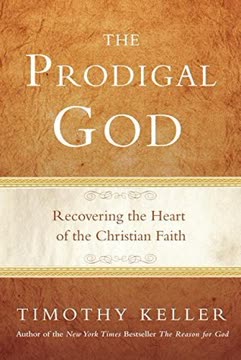
What is "The Prodigal God" by Timothy Keller about?
- Re-examining the Parable: The book offers a fresh interpretation of the Parable of the Prodigal Son from the Gospel of Luke, arguing that it is about two lost sons, not just one.
- Core Message: Keller uses the parable to lay out the essentials of the Christian gospel, focusing on God's radical grace and redefining sin, lostness, and salvation.
- Audience: The book is written for both seekers unfamiliar with Christianity and lifelong believers, challenging both groups to reconsider their understanding of the gospel.
- Central Theme: It emphasizes that both moral conformity (elder brother) and self-discovery (younger brother) are inadequate paths to God, and only through Jesus—the "true elder brother"—can one be reconciled to God.
Why should I read "The Prodigal God" by Timothy Keller?
- Challenging Preconceptions: The book challenges common religious and secular assumptions about sin, morality, and salvation, offering a perspective that is both counterintuitive and deeply biblical.
- Personal Relevance: Keller addresses both "insiders" (religious people) and "outsiders" (those who feel alienated from religion), making the book relevant to a wide audience.
- Practical Application: The book provides practical insights into how the gospel can transform personal relationships, community life, and one's sense of purpose.
- Spiritual Renewal: Many readers have found the book to be spiritually revitalizing, leading to a deeper understanding of grace and a more authentic Christian faith.
What are the key takeaways from "The Prodigal God" by Timothy Keller?
- Two Lost Sons: Both the younger and elder brothers are spiritually lost, representing two common but flawed approaches to life—self-discovery and moral conformity.
- Redefining Sin and Lostness: Sin is not just breaking rules but putting oneself in God's place, either by being very bad or very good.
- The True Elder Brother: Jesus is the true elder brother who pays the cost to bring us home, offering costly grace rather than cheap forgiveness.
- Transformative Grace: The gospel is not about balancing morality and immorality but about a radical, life-changing experience of God's grace that leads to joy, humility, and service.
How does Timothy Keller redefine sin and lostness in "The Prodigal God"?
- Beyond Rule-Breaking: Sin is not merely breaking moral laws but seeking to be one's own savior and lord, either through rebellion or obedience.
- Two Forms of Lostness: Both the self-indulgent (younger brother) and the self-righteous (elder brother) are equally alienated from God.
- Pride in Goodness: The elder brother's pride in his moral record is as spiritually dangerous as the younger brother's obvious sins.
- Universal Application: Keller argues that everyone is engaged in a project of self-salvation, making both religious and irreligious people "lost" in different ways.
What is the significance of the "two lost sons" in "The Prodigal God" by Timothy Keller?
- Dual Focus of the Parable: Keller insists the parable is about both sons, not just the wayward younger brother, highlighting that both are estranged from the father.
- Contrasting Life Approaches: The younger brother represents self-discovery and rebellion, while the elder brother embodies moral conformity and self-righteousness.
- Both Need Grace: Both sons need the father's initiating love and forgiveness, showing that no one is beyond the need for grace.
- Open-Ended Story: The parable ends without resolution for the elder brother, inviting readers—especially religious insiders—to examine their own hearts.
How does "The Prodigal God" by Timothy Keller define "prodigal" and why is it important?
- Meaning of Prodigal: "Prodigal" means recklessly extravagant or having spent everything, not simply "wayward."
- Application to the Father: Keller argues the father in the parable is also prodigal, as he lavishes love and forgiveness on both sons at great personal cost.
- God's Reckless Grace: The term underscores the radical, costly nature of God's grace, which is freely given but not without sacrifice.
- Reframing the Parable: Understanding "prodigal" this way shifts the focus from the son's wastefulness to the father's extravagant love.
What does Timothy Keller mean by "the true elder brother" in "The Prodigal God"?
- Missing Character: In the parable, the elder brother fails to seek out the lost younger brother, unlike the shepherd and woman in the preceding parables.
- Jesus as True Elder Brother: Keller identifies Jesus as the true elder brother who leaves his home, pays the ultimate price, and brings us back to the Father.
- Costly Atonement: The restoration of the lost comes at a cost, which Jesus bears on the cross, fulfilling the role the elder brother should have played.
- Transformative Example: Recognizing Jesus as the true elder brother motivates believers to love and serve others sacrificially.
How does "The Prodigal God" by Timothy Keller redefine hope and the concept of "home"?
- Universal Longing for Home: Keller connects the parable to the biblical theme of exile and homecoming, suggesting all humans are spiritual exiles longing for true home.
- Home as God's Presence: True home is found in the presence of God, from which humanity has been alienated due to sin.
- Jesus as the Way Home: Jesus experiences cosmic homelessness on the cross so that we can be welcomed home by the Father.
- Future Restoration: The book points to the ultimate hope of a renewed world—a feast at the end of history where all longings are fulfilled.
What practical changes does "The Prodigal God" by Timothy Keller suggest for living out the gospel?
- Experiential Salvation: The gospel should be experienced as a feast—joyful, sensory, and transformative—not just believed intellectually.
- Material and Social Impact: True faith leads to care for the material world and social justice, not just personal piety.
- Ongoing Growth: Spiritual growth comes from continually returning to and applying the gospel, not just following moral rules.
- Communal Life: Deep involvement in Christian community is essential for spiritual growth and experiencing the fullness of the gospel.
How does "The Prodigal God" by Timothy Keller address the relationship between religion, irreligion, and the gospel?
- Neither Religion nor Irreligion: The gospel is presented as a "tertium quid"—something entirely different from both moralism (religion) and relativism (irreligion).
- Critique of Both Sides: Keller critiques both the self-righteousness of religious people and the self-centeredness of secular people.
- Gospel Humility: The gospel produces humility, as it teaches that everyone is wrong, everyone is loved, and everyone is called to change.
- Appeal to Outsiders: The book explains why Jesus attracted irreligious outsiders and why contemporary churches often fail to do so.
What are the best quotes from "The Prodigal God" by Timothy Keller and what do they mean?
- "God’s reckless grace is our greatest hope, a life-changing experience, and the subject of this book." — Emphasizes the centrality and transformative power of grace.
- "There are two ways to be your own Savior and Lord. One is by breaking all the moral laws and setting your own course, and one is by keeping all the moral laws and being very, very good." — Highlights the danger of both rebellion and self-righteousness.
- "The gospel is distinct from the other two approaches: In its view, everyone is wrong, everyone is loved, and everyone is called to recognize this and change." — Summarizes the radical inclusivity and challenge of the gospel.
- "We must learn how to repent of the sin under all our other sins and under all our righteousness—the sin of seeking to be our own Savior and Lord." — Calls for deep, heart-level repentance beyond surface behaviors.
What is the structure and method of interpretation used in "The Prodigal God" by Timothy Keller?
- Narrative Structure: The book is organized around the parable, with chapters focusing on the people around Jesus, the two lost sons, redefining sin, lostness, hope, and the feast of the Father.
- Cultural and Historical Context: Keller draws on Middle Eastern cultural insights and biblical scholarship to illuminate the parable's original meaning.
- Theological Reflection: The book integrates biblical theology, personal stories, and references to literature and philosophy to deepen understanding.
- Practical Application: Each chapter connects theological insights to practical implications for personal faith, community life, and social engagement.
Sobre el autor
Otros libros de Timothy J. Keller