Ideas clave
1. El Nombre de Jesús: Un Poder Legal
¡Todo el poder y toda la autoridad que Jesús tuvo están invertidos en Su Nombre!
Poder Legal. Así como un abogado tiene poder legal para actuar en nombre de su cliente, los cristianos han recibido el derecho de usar el Nombre de Jesús, respaldado por toda Su autoridad. No se trata simplemente de un gesto simbólico; es un derecho legal, un poder divino para acceder a los recursos del Cielo. El valor de este poder depende enteramente de la autoridad y el poder que representa el Nombre.
Más que un amuleto. El Nombre de Jesús no es un amuleto de buena suerte ni un encantamiento mágico. Es una llave que desbloquea el potencial ilimitado del poder de Dios. Es un cheque firmado sobre los recursos del cielo, esperando que los creyentes lo completen con sus necesidades y deseos.
Uso Sin Restricciones. Jesús otorgó a la Iglesia el uso sin restricciones de Su Nombre. Esto significa que cada creyente tiene el derecho de usar Su Nombre en oración, en la guerra espiritual y en el ministerio de sanación. Es un privilegio y una responsabilidad, un llamado a entrar en la plenitud de nuestra herencia en Cristo.
2. Oración en el Nombre de Jesús: Una Respuesta Garantizada
Pides al Padre en Mi Nombre—Yo lo respaldaré—y el Padre te lo dará.
Respaldo de Jesús. Cuando oramos en el Nombre de Jesús, es como si Jesús mismo estuviera orando, respaldando nuestra petición ante el Padre. No se trata de pedir por el bien de Jesús, sino por nuestro propio bien, alineando nuestras necesidades con Su voluntad. Es una base legal para la oración, una propuesta comercial donde Jesús ocupa nuestro lugar ante el Padre.
Sin "Quizás" en el Nuevo Testamento. El Nuevo Testamento no diluye las promesas de Dios con "si es Su voluntad". Jesús declaró claramente la voluntad de Dios: "Pide en Mi Nombre, y recibirás." Esta promesa no se ve negada por la duda o la incredulidad.
Testimonio Personal. El autor comparte su testimonio personal de recibir respuestas a la oración durante más de 45 años, enfatizando que las oraciones no respondidas a menudo se deben a no actuar en línea con la Palabra. Se trata de llevar el Nombre de Jesús al trono de la gracia, no de presumir de uno mismo.
3. Jesús Heredó, Recibió y Conquistó por Su Nombre
Jesús, como lo conocemos—el Hijo Eterno tal como es conocido en el seno del Padre—recibió este Nombre, y ante este Nombre toda rodilla se doblará en los tres mundos—Cielo, Tierra e Infierno—y toda lengua confesará que Él es Señor de los tres mundos para la gloria de Dios, el Padre.
Grandeza Triple. El Nombre de Jesús es grande porque lo heredó como Hijo de Dios, se le confirió por el Padre y lo ganó a través de Su victoria sobre el pecado y la muerte. Esta grandeza triple hace que Su Nombre sea el más poderoso que existe.
Herencia en la Resurrección. Jesús heredó Su "Nombre más excelente" en la Resurrección, cuando Dios declaró: "Tú eres mi Hijo, hoy te he engendrado." Esto marcó Su triunfo sobre la muerte espiritual y Su ascensión a la diestra del Padre.
Conquista sobre la Oscuridad. Jesús obtuvo Su Nombre al conquistar principados y potestades, desarmándolos y triunfando sobre ellos en la Cruz. Esta victoria nos liberó de la autoridad de la oscuridad y nos trasladó al Reino de Su amado Hijo.
4. La Deidad de Jesús Respalda Su Nombre
La deidad del Hombre de Galilea es el núcleo del cristianismo.
Núcleo del Cristianismo. La deidad de Jesús es la base sobre la cual se sostiene el cristianismo. Si Jesús no es Dios, entonces Su Nombre no significa nada, y el cristianismo pierde su esencia y deja de funcionar.
Más que un buen hombre. Decir que Jesús fue simplemente un buen hombre es un insulto. Él es quien dijo que era—Dios manifestado en la carne—o no lo es. No hay término medio.
Deidad en Acción. Debido a que Jesús es Dios, Su Nombre lleva todo el peso del poder y la autoridad divina. No es solo una palabra; es la encarnación de la presencia de Dios y la capacidad de actuar en el mundo.
5. Salvación, Bautismos y Vida Diaria: Todo en el Nombre
Y todo lo que hagáis, sea de palabra o de hecho, hacedlo todo en el Nombre del Señor Jesús, dando gracias a Dios y al Padre por medio de Él.
Aplicación Integral. El Nombre de Jesús debe impregnar cada aspecto de la vida de un creyente, desde la oración y la adoración hasta las tareas diarias y las interacciones. No es solo para ocasiones especiales; es para todo.
Tres Bautismos. La Biblia enseña tres bautismos disponibles en el Nombre de Jesús: en el Cuerpo de Cristo, en agua y en el Espíritu Santo. Estos bautismos significan nuestra unión con Cristo y nuestro empoderamiento para el servicio.
Viviendo Conscientemente. Los primeros creyentes eran conscientes del Nombre de Jesús en todo lo que hacían. Daban gracias en Su Nombre, eran lavados y justificados en Su Nombre, e incluso enfrentaban persecución por causa de Su Nombre.
6. Autoridad sobre Demonios: Un Derecho del Creyente
La primera señal que Jesús dijo que seguiría a los que creen es: “...en mi nombre echarán fuera demonios...” (Marcos 16:17).
No Solo para Ministros. Echar fuera demonios no es solo para pastores o evangelistas; es una señal que debe acompañar a todos los creyentes. Cada hijo de Dios tiene la autoridad para usar el Nombre de Jesús y vencer los poderes de la oscuridad.
Hablando al Espíritu. Al tratar con la influencia demoníaca, es importante hablar al espíritu, no a la persona. Ordena al espíritu que se vaya en el Nombre de Jesús, y debe obedecer.
Experiencias Personales. El autor comparte experiencias personales de echar fuera demonios y romper su poder sobre individuos, enfatizando que el diablo tiene miedo del Nombre de Jesús. Se trata de conocer la autoridad invertida en ese Nombre y actuar en consecuencia.
7. La Iglesia: Representante de Cristo en la Tierra
Cuando oramos en el Nombre de Jesús, estamos ocupando el lugar del Cristo ausente; estamos usando Su nombre, usando Su autoridad para llevar a cabo Su voluntad en la tierra.
Más que un Edificio. La Iglesia no es solo un edificio o una organización; es el Cuerpo de Cristo, Sus representantes en la tierra. Estamos llamados a actuar en Su nombre, usando Su Nombre para llevar a cabo Su voluntad.
Como Él Es, Así Somos Nosotros. Así como Jesús es, así somos nosotros en este mundo. Tenemos Su Nombre, Su autoridad y Su compasión. Debemos hacer las obras de Cristo, ministrando sanidad y liberación en Su Nombre.
Amados como Él Es. Dios ama a los creyentes como ama a Jesús. Tenemos la misma posición ante el Padre, el mismo acceso a Su poder y recursos. Es hora de que la Iglesia reconozca su verdadera identidad y entre en su pleno potencial.
8. La Sanidad está en el Nombre: Parte de la Salvación Completa
Y en ningún otro hay salvación; porque no hay otro nombre bajo el cielo dado a los hombres, en el cual debamos ser salvos.
Más que Perdón. La salvación es más que solo la remisión de pecados; incluye liberación, seguridad, preservación, sanidad y bienestar. Es un paquete integral de redención, disponible a través del Nombre de Jesús.
Sanidad en la Redención. La sanidad para nuestros cuerpos físicos es parte integral del Evangelio. Jesús no solo llevó nuestros pecados; también llevó nuestras enfermedades y cargó con nuestras dolencias. Es una provisión de redención, hecha real a través de Su Nombre.
Fácil de Ser Sanado. Es tan fácil ser sanado como lo es ser perdonado de los pecados. ¡Si las personas comenzaran a creer eso, funcionaría para ellas! Se trata de reconocer que la sanidad está en el programa y aceptar lo que nos pertenece.
9. Confesión: Hablando Fe a la Existencia
Porque con el corazón se cree para justicia; y con la boca se hace CONFESIÓN para salvación.
Más que Asentimiento Mental. La confesión es más que solo un acuerdo mental; es una declaración de fe, una manifestación de lo que creemos en nuestros corazones. Es esencial para la salvación y para nuestro caminar diario como cristianos.
La Gran Confesión. El cristianismo se llama "La Gran Confesión", un testimonio y confesión de nuestros labios. Se trata de decir quiénes somos, qué somos y qué tenemos porque estamos en Cristo.
Guardando Tu Confesión. Hay un peligro de tener dos confesiones: una de la integridad de la Palabra, y la otra de nuestras dudas y temores. Debemos aferrarnos a nuestra confesión de fe, negándonos a dar lugar a la duda y la incredulidad.
Resumen de reseñas
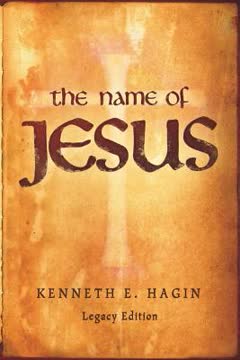
El Nombre de Jesús de Kenneth E. Hagin es muy elogiado por los lectores debido a sus poderosas reflexiones sobre la autoridad y el poder del nombre de Jesús. Muchos reseñadores lo consideran transformador, provocador de pensamientos y espiritualmente iluminador. Los lectores aprecian las explicaciones claras de Hagin, las referencias bíblicas y las aplicaciones prácticas. El libro se describe a menudo como una lectura imprescindible para los cristianos, con muchos reportando múltiples relecturas para un crecimiento espiritual continuo. Algunos lectores señalaron una mejora en su vida de oración y un aumento en su fe tras la lectura. Aunque algunos críticos cuestionaron el enfoque, la gran mayoría de las reseñas son abrumadoramente positivas.
También leyeron





 Inmersivo





Preguntas frecuentes
What’s "The Name of Jesus" by Kenneth E. Hagin about?
- Central Theme: The book explores the authority, power, and significance of the Name of Jesus as revealed in the Bible, especially for believers.
- Practical Application: Hagin teaches how Christians can use the Name of Jesus in prayer, spiritual warfare, healing, and daily life.
- Biblical Foundation: The book is rooted in scripture, with extensive references and explanations of key passages about Jesus’ Name.
- Legacy and Influence: It draws on the teachings of E.W. Kenyon and others, aiming to revive understanding of the believer’s rights and privileges in Christ.
Why should I read "The Name of Jesus" by Kenneth E. Hagin?
- Unlock Spiritual Authority: The book explains how believers can exercise authority over sickness, demons, and circumstances using Jesus’ Name.
- Faith-Building Insights: It provides practical steps and testimonies to help readers grow in faith and confidence in God’s promises.
- Corrects Misconceptions: Hagin addresses common misunderstandings about prayer, healing, and spiritual warfare, offering biblical clarity.
- Empowerment for Daily Life: Readers learn how to apply the power of Jesus’ Name in everyday situations, not just in church or emergencies.
What are the key takeaways from "The Name of Jesus" by Kenneth E. Hagin?
- Authority in the Name: All authority and power of Jesus are vested in His Name, and believers have the legal right to use it.
- Threefold Greatness: Jesus’ Name is great by inheritance, bestowal, and conquest, making it above every other name.
- Practical Usage: The Name is to be used in prayer, healing, deliverance, and daily living, not just revered or admired.
- Faith and Confession: Faith in the Name and consistent confession of its power are essential for experiencing its benefits.
How does Kenneth E. Hagin define the "authority" in the Name of Jesus?
- Delegated Power: Believers are given the "power of attorney" to use Jesus’ Name, meaning they act on His behalf with His authority.
- Biblical Basis: Scriptures like Mark 16:17-18 and John 16:23-24 are cited to show Jesus explicitly gave this authority to His followers.
- Scope of Authority: The Name has power in three realms—heaven, earth, and under the earth—over angels, humans, and demons.
- Not Automatic: The authority works when believers understand, believe, and act on what is invested in the Name.
What practical steps does "The Name of Jesus" by Kenneth E. Hagin recommend for using Jesus’ Name?
- Pray in Jesus’ Name: Approach the Father in prayer using Jesus’ Name, expecting answers as promised in John 16:23-24.
- Command in Spiritual Warfare: Use the Name to command demons and sickness to leave, as demonstrated in Acts 3 and Mark 16.
- Daily Application: Do all things—work, worship, giving thanks—in the Name of Jesus (Colossians 3:17).
- Confess the Name: Regularly confess what the Name means and what it accomplishes, building faith and expectation.
What does "The Name of Jesus" by Kenneth E. Hagin teach about healing and miracles?
- Healing in Redemption: Healing is part of the salvation package, provided by Jesus’ redemptive work and accessed through His Name.
- Lay Hands in the Name: Believers are instructed to lay hands on the sick in Jesus’ Name, expecting recovery (Mark 16:18).
- Faith, Not Struggle: Healing is received by faith in the Name, not by struggling or striving; it’s as available as forgiveness of sins.
- Testimonies and Examples: The book shares real-life stories and biblical accounts to illustrate the effectiveness of the Name in healing.
How does "The Name of Jesus" by Kenneth E. Hagin address spiritual warfare and casting out demons?
- Believer’s Right: Every Christian, not just ministers, has the right and responsibility to cast out demons in Jesus’ Name.
- Direct Command: Demons are to be addressed directly and commanded to leave, as Paul did in Acts 16:18.
- No Fear of the Devil: Understanding the authority in the Name removes fear and enables believers to stand firm against evil.
- Three Necessary Steps: Hagin emphasizes being a child of God, having no unconfessed sin, and knowing the power of the Name for effective deliverance.
What is the relationship between faith, confession, and the Name of Jesus in Hagin’s teaching?
- Faith in the Name: Believers must have faith in what the Name represents and the authority it carries.
- Confession is Key: Speaking and confessing the power of the Name is essential; negative confessions can nullify prayers.
- Unconscious Faith: The goal is to develop an unconscious, childlike faith in the Name, acting on it as naturally as using a key.
- Consistency Matters: Holding fast to the confession of faith in the Name, even when symptoms or circumstances contradict, is crucial.
How does "The Name of Jesus" by Kenneth E. Hagin explain the believer’s identity "in Christ"?
- Union with Christ: Believers are united with Christ, sharing in His authority, righteousness, and privileges.
- Legal Standing: The Epistles reveal that Christians are joint-heirs with Christ and have the same standing before the Father as Jesus.
- Acting as Representatives: Using the Name means acting as Jesus’ representatives on earth, carrying out His will and works.
- Scripture Study: Hagin encourages readers to study all "in Him," "in Christ," and similar scriptures to understand their true identity.
What are the main misconceptions or errors about the Name of Jesus that Hagin corrects?
- Not Just for Apostles: The authority in the Name is not limited to the early church or apostles; it belongs to all believers.
- Not a Magic Formula: The Name is not to be used superstitiously or as a good-luck charm; understanding and faith are required.
- Not Just for Salvation: The Name is for more than forgiveness of sins; it covers healing, deliverance, and victorious living.
- Not Passive: Believers must actively use and confess the Name, not just admire or revere it.
What are the best quotes from "The Name of Jesus" by Kenneth E. Hagin and what do they mean?
- "All the power and all the authority that Jesus had is invested in His Name!" – This means believers have access to Jesus’ full authority through His Name.
- "The measure of His ability is the measure of the value of that Name, and all that is invested in that Name belongs to us." – The Name’s power is limitless because it’s backed by Jesus’ own ability.
- "The Name of Jesus is not a magic charm. It is a legal right." – Using the Name requires understanding and faith, not superstition.
- "If you will hold the devil in the arena of faith, you’ll whip him every time!" – Victory comes by standing in faith, not reasoning or fear.
What is the legacy and influence of "The Name of Jesus" by Kenneth E. Hagin in Christian teaching?
- Revival of Authority Teaching: The book helped revive the understanding of the believer’s authority in the modern church.
- Influence on Faith Movement: It has been foundational in the Word of Faith movement and charismatic circles.
- Endorsement of Kenyon: Hagin acknowledges E.W. Kenyon’s influence and builds on his teachings about the Name.
- Ongoing Impact: The book continues to be used in Bible schools and churches worldwide to equip believers for victorious living.