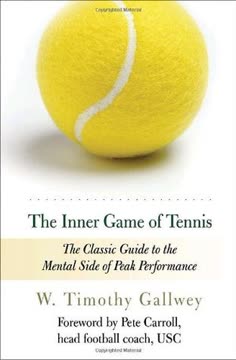
Ideas clave
El Juego Interior: Superando la Interferencia Propia
Todo juego se compone de dos partes: un juego exterior y un juego interior.
El concepto del juego interior revoluciona nuestra manera de entender el deporte y la vida. Mientras que el juego exterior se enfrenta a rivales y obstáculos externos, el juego interior sucede en la mente del jugador. Implica superar barreras mentales como:
- Pérdidas de concentración
- Nerviosismo
- Dudas sobre uno mismo
- Autocrítica severa
Al dominar el juego interior, los jugadores pueden liberar todo su potencial y alcanzar su máximo rendimiento. Este concepto va más allá del deporte, ofreciendo valiosas enseñanzas para el crecimiento personal y profesional en distintos ámbitos de la vida.
Yo 1 vs. Yo 2: Comprendiendo los Dos Selves
Dentro de cada jugador, la relación que existe entre el Yo 1 y el Yo 2 es el factor principal para traducir el conocimiento técnico en acción efectiva.
La idea de los dos selves nos ayuda a entender los conflictos internos:
- Yo 1: La mente consciente y analítica que da instrucciones y juicios
- Yo 2: El yo inconsciente e intuitivo que ejecuta las acciones
La clave para mejorar está en:
- Reconocer la diferencia entre estos dos yos
- Desarrollar una relación armoniosa entre ellos
- Aprender a silenciar al Yo 1 y confiar en las habilidades naturales del Yo 2
Así, los jugadores pueden acceder a su potencial innato y rendir al máximo sin pensar demasiado ni interferir consigo mismos.
Silenciar la Mente: El Arte de la Concentración Relajada
La armonía entre los dos yos existe cuando la mente está tranquila y enfocada. Solo entonces se puede alcanzar el máximo rendimiento.
Lograr la quietud mental es fundamental para un desempeño óptimo. Este estado de concentración relajada permite a los jugadores:
- Reaccionar instintivamente sin sobrepensar
- Acceder a toda su gama de habilidades
- Experimentar una sensación de fluidez y facilidad
Algunas técnicas para calmar la mente son:
- Centrarse en el momento presente
- Observar sin juzgar
- Soltar expectativas y autocríticas
Cultivando este estado mental, los jugadores superan la ansiedad, rinden con mayor constancia y disfrutan más de su deporte.
Aprender a través de la Conciencia: El Poder de la Observación Sin Juicio
Cuando desaprendemos a ser críticos, es posible jugar de forma espontánea y concentrada.
La observación sin juicio es una herramienta poderosa para aprender y mejorar. Este enfoque consiste en:
- Observar el desempeño sin etiquetarlo como bueno o malo
- Fijarse en lo que sucede, no en lo que debería suceder
- Permitir que el aprendizaje natural ocurra sin interferencias
Los beneficios de este método incluyen:
- Menor ansiedad y autocrítica
- Mayor conciencia de detalles y sensaciones sutiles
- Aprendizaje más rápido y efectivo
Adoptando esta actitud, los jugadores aceleran su progreso y profundizan su comprensión del deporte.
Confiar en el Yo 2: Accediendo a las Habilidades Naturales
Confiar en tu cuerpo en el tenis significa dejar que el cuerpo golpee la pelota.
Desarrollar confianza en el Yo 2 es esencial para rendir al máximo. Esto implica:
- Reconocer la inteligencia y capacidades innatas del cuerpo
- Permitir respuestas naturales e intuitivas en lugar de forzar el control consciente
- Soltar la auto-instrucción excesiva y el pensamiento excesivo
Formas de fortalecer la confianza en el Yo 2:
- Practicar técnicas de visualización e imaginación
- Enfocarse en la sensación y el tacto más que en detalles técnicos
- Experimentar soltando el control durante los entrenamientos
A medida que crece la confianza en el Yo 2, los jugadores suelen mejorar en fluidez, precisión y rendimiento general.
Cambio Sin Esfuerzo: Rompiendo Hábitos Sin Forzar
Luchar contra la fantasía de los viejos hábitos es lo que hace que el tenista consciente se esfuerce y se tense innecesariamente.
El cambio sin esfuerzo es posible cuando comprendemos la naturaleza de los hábitos y el aprendizaje. Los principios clave son:
- Reconocer que los hábitos no son entidades fijas, sino patrones de conducta
- Enfocarse en crear nuevos patrones en lugar de pelear contra los antiguos
- Permitir que el aprendizaje natural se despliegue sin forzar
Estrategias para lograr un cambio sin esfuerzo:
- Usar imágenes claras de los resultados deseados
- Practicar la conciencia sin juicio de los patrones actuales
- Confiar en la capacidad del cuerpo para adaptarse y mejorar naturalmente
Con este enfoque, los jugadores pueden mejorar significativamente sin la lucha y frustración que suele acompañar el cambio de hábitos arraigados.
Enfoque y Concentración: La Clave para el Máximo Rendimiento
Para aquietar la mente, hay que aprender a ponerla en algún lugar. No se puede simplemente dejar ir; debe enfocarse.
Desarrollar enfoque y concentración es vital para alcanzar y mantener el máximo rendimiento. Técnicas efectivas incluyen:
- Concentrarse en detalles específicos y relevantes (por ejemplo, las costuras de la pelota)
- Usar la conciencia sensorial para mantenerse presente (por ejemplo, sentir la raqueta, escuchar la pelota)
- Crear una rutina previa al golpe para centrar la atención
Los beneficios de mejorar el enfoque son:
- Mayor percepción y rapidez de reacción
- Menos ruido mental e interferencia propia
- Mejor capacidad para rendir bajo presión
Cultivando estas habilidades, los jugadores pueden entrar en “la zona” con más frecuencia y rendir a su nivel más alto.
Redefiniendo la Competencia: Obstáculos como Oportunidades de Crecimiento
Cuanto más desafiante es el obstáculo que enfrenta, mayor es la oportunidad para que el surfista descubra y extienda su verdadero potencial.
Una nueva perspectiva sobre la competencia puede transformar nuestra forma de enfrentar desafíos y rivales. Ideas clave:
- La competencia ofrece obstáculos necesarios para el crecimiento y el autodescubrimiento
- La verdadera competencia es una forma de cooperación, donde los oponentes se ayudan a mejorar mutuamente
- El valor está en el proceso de superar retos, no solo en ganar
Este cambio de mentalidad conduce a:
- Menor ansiedad y presión en situaciones competitivas
- Mayor disfrute y aprecio por los rivales
- Enfoque en el crecimiento personal más que en la validación externa
Al adoptar esta visión, los jugadores encuentran mayor satisfacción y sentido en sus experiencias competitivas, tanto en el deporte como en la vida.
Resumen de reseñas
Los lectores elogian constantemente "El juego interior del tenis" como un libro que transforma la vida y que va mucho más allá del deporte. Muchos destacan su aplicabilidad a diversas áreas y sus profundas reflexiones sobre los aspectos mentales del rendimiento. Los conceptos de Yo 1 y Yo 2, la concentración y la conciencia sin juicio resuenan con fuerza en quienes lo leen. Aunque algunos consideran que ciertas secciones específicas del tenis son menos relevantes, el mensaje general sobre dominar el juego interior es ampliamente valorado y se considera atemporal.
También leyeron








Preguntas frecuentes
What's "The Inner Game of Tennis" about?
- Focus on mental aspects: The book emphasizes the mental side of tennis, exploring how internal dialogue and self-doubt can affect performance.
- Two selves concept: It introduces the idea of Self 1 (the ego-mind) and Self 2 (the natural self), and how their relationship impacts performance.
- Beyond tennis: While centered on tennis, the principles apply to other areas of life, focusing on overcoming internal obstacles.
- Learning and performance: It offers insights into achieving peak performance through relaxed concentration and trust in one's natural abilities.
Why should I read "The Inner Game of Tennis"?
- Improves mental game: It provides strategies to enhance focus and reduce mental interference, crucial for athletes and non-athletes alike.
- Universal application: The principles can be applied to various aspects of life, including work and personal growth.
- Self-awareness: It encourages self-discovery and understanding of one's potential beyond external achievements.
- Practical techniques: Offers actionable advice on how to quiet the mind and improve performance through inner skills.
What are the key takeaways of "The Inner Game of Tennis"?
- Self 1 vs. Self 2: Understanding the dynamic between the conscious mind and the natural self is crucial for performance.
- Letting go of judgment: Reducing self-criticism and judgment leads to better focus and performance.
- Trust in natural learning: Emphasizes the importance of trusting one's innate abilities and learning processes.
- Focus and concentration: Highlights the significance of relaxed concentration and being present in the moment.
How does W. Timothy Gallwey define the "Inner Game"?
- Mental obstacles: The Inner Game is about overcoming internal mental and emotional obstacles that hinder performance.
- Self-awareness: It involves gaining awareness of one's true potential and expressing it without interference.
- Focus on process: The Inner Game prioritizes the process of learning and self-discovery over external results.
- Universal principles: The concepts apply beyond tennis, offering insights into personal and professional development.
What is the "Two Selves" concept in "The Inner Game of Tennis"?
- Self 1: Represents the ego-mind, which is critical, judgmental, and often interferes with performance.
- Self 2: The natural self, which is capable and intuitive, performing best when not hindered by Self 1.
- Harmonizing the selves: The book suggests that improving the relationship between Self 1 and Self 2 leads to better performance.
- Trust and letting go: Encourages trusting Self 2 and letting go of the need for conscious control by Self 1.
How can "The Inner Game of Tennis" improve my tennis game?
- Focus on awareness: Encourages players to focus on awareness rather than technical instructions, leading to natural improvement.
- Reduce self-criticism: By letting go of judgment, players can reduce tension and improve fluidity in their strokes.
- Trust in abilities: Emphasizes trusting one's body to perform, which can lead to more consistent and powerful play.
- Concentration techniques: Offers practical exercises to enhance focus, such as watching the ball's seams or listening to the sound of the ball.
What are some practical exercises from "The Inner Game of Tennis"?
- Bounce-hit exercise: Involves saying "bounce" when the ball hits the ground and "hit" when it contacts the racket to improve focus.
- Seam-watching: Encourages players to focus on the seams of the ball to enhance concentration and reduce mental interference.
- Listening to the ball: Suggests listening to the sound of the ball hitting the racket to improve timing and feel.
- Role-playing: Involves adopting the mannerisms of a top player to explore different aspects of one's game and expand capabilities.
What does W. Timothy Gallwey say about competition in "The Inner Game of Tennis"?
- True competition: Gallwey redefines competition as a cooperative effort where opponents help each other reach their potential.
- Overcoming obstacles: Winning is about overcoming obstacles, not defeating others, and the process is more valuable than the outcome.
- Egoless desire to win: Encourages a desire to win that is free from ego, focusing on self-discovery and personal growth.
- Mutual benefit: Both players benefit from the competition, as it provides opportunities for self-improvement and learning.
How does "The Inner Game of Tennis" address stress and anxiety?
- Focus on the present: Emphasizes staying present and focused to reduce anxiety about past mistakes or future outcomes.
- Breathing techniques: Suggests focusing on breathing between points to maintain calmness and concentration.
- Acceptance: Encourages acceptance of situations and letting go of the need to control outcomes, reducing stress.
- Inner stability: Building inner stability through self-awareness and trust in one's abilities helps manage stress effectively.
What are the best quotes from "The Inner Game of Tennis" and what do they mean?
- "The greatest efforts in sports come when the mind is as still as a glass lake." This highlights the importance of a calm mind for peak performance.
- "Letting go of judgments does not mean ignoring errors." It emphasizes observing without judgment to facilitate natural learning and improvement.
- "Trust thyself." Encourages trusting one's natural abilities and instincts, reducing reliance on conscious control.
- "Winning is overcoming obstacles to reach a goal." Redefines winning as a process of self-discovery and growth rather than defeating others.
How can the principles of "The Inner Game of Tennis" be applied off the court?
- Focus and concentration: The skills of focus and concentration can enhance performance in any area of life, from work to personal relationships.
- Self-awareness: Encourages self-awareness and understanding of one's potential, leading to personal growth and fulfillment.
- Stress management: Techniques for reducing stress and anxiety on the court can be applied to manage stress in daily life.
- Inner stability: Building inner stability helps navigate life's challenges with calmness and clarity, improving overall well-being.
What is the ultimate goal of the Inner Game according to W. Timothy Gallwey?
- Self-discovery: The ultimate goal is self-discovery and understanding one's true potential beyond external achievements.
- Inner peace: Achieving inner peace and contentment by aligning with one's true self and letting go of ego-driven desires.
- Focus on process: Emphasizes the importance of focusing on the process of learning and growth rather than specific outcomes.
- Lifelong journey: The Inner Game is a lifelong journey of exploration and development, applicable to all areas of life.