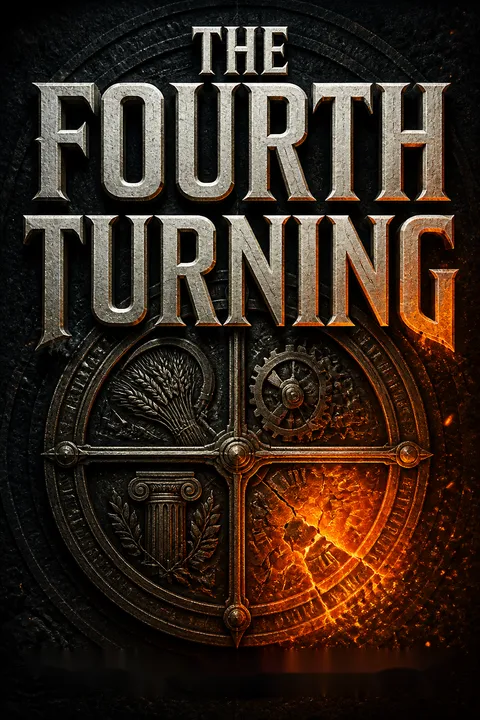

Ideas clave
1. El Saeculum: El Ciclo Recurrente de Cuatro Etapas en la Historia
"La historia crea generaciones, y las generaciones crean historia."
El concepto de saeculum. El saeculum es un ciclo natural de la historia humana, aproximadamente la duración de una vida larga, que suele abarcar entre 80 y 100 años. Este ciclo consta de cuatro fases distintas, llamadas "etapas", cada una con una duración aproximada de 20 a 25 años:
- Primera etapa: Auge
- Segunda etapa: Despertar
- Tercera etapa: Desenlace
- Cuarta etapa: Crisis
Patrones históricos. Este patrón cíclico se ha observado a lo largo de la historia angloamericana, con cada saeculum marcado por temas recurrentes y estados de ánimo sociales. Los autores sostienen que comprender estos ciclos puede ofrecer perspectivas sobre las tendencias y desafíos futuros de la sociedad.
2. Arquetipos Generacionales: Profeta, Nómada, Héroe y Artista
"Cada generación tiene lo que toda la historia no tiene: un comienzo, un final y un camino finito entre ambos."
Cuatro arquetipos. Los autores identifican cuatro arquetipos generacionales que desempeñan roles cruciales en la configuración de las etapas:
- Profeta: Idealista, principista y moralista (por ejemplo, los Baby Boomers)
- Nómada: Pragmático, superviviente y alienado (por ejemplo, la Generación X)
- Héroe: Cívico, confiado y orientado al trabajo en equipo (por ejemplo, la Generación G.I.)
- Artista: Adaptable, sensible y conciliador (por ejemplo, la Generación Silenciosa)
Ciclos generacionales. Estos arquetipos aparecen en una secuencia fija, con cada generación moldeada por el entorno social de su infancia y juventud. La interacción entre estos arquetipos y sus etapas de vida impulsa la progresión del saeculum.
3. La Primera Etapa: Auge – Una Era de Estabilidad y Crecimiento
"La Primera Etapa es un Auge: una época optimista de fortalecimiento institucional y debilitamiento del individualismo, cuando se implanta un nuevo orden cívico y el régimen de valores antiguos decae."
Características del Auge. La Primera Etapa se caracteriza por:
- Instituciones fuertes y cohesión social
- Prosperidad económica y avances tecnológicos
- Conformidad y optimismo colectivo
- Debilitamiento del individualismo
Ejemplos históricos. Entre los Años de Auge más destacados en la historia estadounidense se encuentran la era posterior a la Segunda Guerra Mundial (1946-1964) y la Era de los Buenos Sentimientos tras la Guerra de 1812 (1815-1829). Estos períodos se distinguieron por crecimiento económico, estabilidad social y un sentido de propósito nacional.
4. La Segunda Etapa: Despertar – Un Tiempo de Agitación Espiritual
"Un Despertar llega con un desafío dramático a las suposiciones del Auge sobre la razón benevolente y las instituciones amigables."
Características del Despertar. La Segunda Etapa presenta:
- Revoluciones espirituales y culturales
- Cuestionamiento de las instituciones y valores establecidos
- Enfoque en la autenticidad personal y la autoexpresión
- Conflicto generacional entre cohortes mayores y jóvenes
Ejemplos históricos. Despertares significativos incluyen el Despertar Trascendental (1822-1844) y la Revolución de la Conciencia (1964-1984). Estas épocas vieron el surgimiento de nuevos movimientos espirituales, contraculturas y desafíos a las normas sociales tradicionales.
5. La Tercera Etapa: Desenlace – Un Periodo de Individualismo y Debilitamiento Institucional
"Un Desenlace comienza como una aceptación social generalizada de las fuerzas culturales liberadoras desatadas por el Despertar."
Características del Desenlace. La Tercera Etapa se caracteriza por:
- Debilitamiento de las instituciones y la confianza social
- Aumento del individualismo y fragmentación cultural
- Incertidumbre económica y ampliación de las brechas de riqueza
- Cinismo hacia el liderazgo y la vida pública
Desenlace actual. Los autores sostienen que Estados Unidos entró en su Desenlace más reciente en la década de 1980, marcado por guerras culturales, estancamiento político y pérdida de fe en las instituciones públicas. Se espera que este periodo dure hasta principios de la década de 2020.
6. La Cuarta Etapa: Crisis – Un Tiempo de Agitación Secular y Renovación
"El riesgo de catástrofe será muy alto. La nación podría estallar en insurrección o violencia civil, fracturarse geográficamente o sucumbir a un régimen autoritario."
Características de la Crisis. La Cuarta Etapa implica:
- Grandes convulsiones y transformaciones sociales
- Enfoque colectivo en resolver amenazas existenciales
- Realineamiento de estructuras de poder e instituciones
- Potencial para grandes logros o resultados catastróficos
Crisis históricas. Cuartas Etapas anteriores incluyen la Revolución Americana, la Guerra Civil y la Gran Depresión/Segunda Guerra Mundial. Estos periodos remodelaron la sociedad e instituciones estadounidenses de manera fundamental.
7. El Saeculum Millennial: El Ciclo Actual de América y la Crisis Futura
"Alrededor del año 2005, quizás unos años antes o después, América entrará en la Cuarta Etapa."
Cronología del saeculum actual. Los autores describen el Saeculum Millennial actual:
- Primera Etapa (Auge): 1946-1964
- Segunda Etapa (Despertar): 1964-1984
- Tercera Etapa (Desenlace): 1984-2005?
- Cuarta Etapa (Crisis): 2005?-2025?
Catalizadores potenciales. Se sugieren diversos escenarios que podrían desencadenar la próxima Crisis, entre ellos:
- Crisis o colapso económico
- Disrupciones tecnológicas
- Desastres ecológicos
- Agitación política o crisis constitucional
- Ataques terroristas importantes o conflictos internacionales
8. El Papel de las Generaciones en la Configuración de los Ciclos Históricos
"Las generaciones son una de las fuerzas más poderosas de la historia."
Dinámicas generacionales. La interacción entre generaciones impulsa el ciclo saecular:
- La generación Profeta (Boomers) lidera los despertares espirituales en la juventud y guía la Crisis en la vejez
- La generación Nómada (Gen X) ofrece liderazgo pragmático durante la Crisis
- La generación Héroe (Millennials) alcanza la madurez durante la Crisis y construye el nuevo orden después
- La generación Artista (Silenciosa) se adapta y media entre los otros arquetipos
Constelaciones generacionales. La alineación de generaciones en diferentes etapas de la vida crea dinámicas sociales únicas en cada etapa, influyendo en cómo la sociedad responde a desafíos y oportunidades.
9. Preparándose para la Cuarta Etapa: Estrategias Individuales y Sociales
"La Cuarta Etapa será un tiempo de gloria o ruina."
Preparación individual. Los autores sugieren formas de prepararse para la Crisis venidera:
- Desarrollar habilidades prácticas y resiliencia
- Fortalecer vínculos comunitarios y redes sociales
- Cultivar un sentido de responsabilidad cívica
- Comprender los patrones históricos para anticipar desafíos
Estrategias sociales. Para navegar con éxito la Cuarta Etapa, la sociedad debe:
- Fortalecer las instituciones y la infraestructura clave
- Fomentar la cooperación y comprensión intergeneracional
- Desarrollar estructuras de gobernanza flexibles y adaptativas
- Cultivar un sentido compartido de propósito y valores nacionales
Resultados potenciales. Los autores enfatizan que el desenlace de la Crisis no está predeterminado. Las decisiones sociales durante este periodo moldearán el nuevo orden que emerja, con posibilidades de renovación y progreso o de declive y fragmentación.
Resumen de reseñas
El Cuarto Giro expone una visión cíclica de la historia, proponiendo que la sociedad atraviesa cuatro "giros" cada 80 a 100 años. Muchos lectores encuentran esta teoría convincente y sorprendentemente profética, destacando sus precisas predicciones sobre los rasgos generacionales y las crisis sociales. Sin embargo, los críticos sostienen que el libro simplifica en exceso la historia, se basa en evidencias selectivas y formula pronósticos vagos. Algunos valoran su perspectiva novedosa sobre los patrones históricos, mientras que otros lo desestiman como pseudociencia. La influencia del libro en figuras políticas y sus predicciones sobre una crisis inminente han generado tanto interés como preocupación entre sus lectores.
También leyeron






Preguntas frecuentes
What's The Fourth Turning about?
- Cyclical History: The Fourth Turning by William Strauss and Neil Howe explores the cyclical nature of history, particularly in Anglo-American society, through predictable cycles called saecula, each lasting 80-100 years.
- Generational Archetypes: The book identifies four generational archetypes—Prophet, Nomad, Hero, and Artist—that emerge in a specific order during each cycle, influencing societal roles and historical outcomes.
- Four Turnings: It describes four turnings—High, Awakening, Unraveling, and Crisis—that correspond to the generational archetypes, each representing a different social mood with profound implications for the future.
Why should I read The Fourth Turning?
- Understanding Current Events: The book provides insights into contemporary societal issues by framing them within historical cycles, helping readers anticipate future challenges.
- Generational Insights: It offers a unique perspective on generational dynamics, aiding in recognizing traits and behaviors of different age groups for better communication.
- Preparation for Change: The authors emphasize preparing for the upcoming Fourth Turning, predicted to bring significant societal upheaval, by understanding history's cyclical nature.
What are the key takeaways of The Fourth Turning?
- Cyclical Nature of History: History is not linear but cyclical, with recurring patterns that can be predicted, consisting of four turnings reflecting societal moods and values.
- Generational Roles: Each generation plays a specific role in the cycle, influencing society's direction, with archetypes shaping responses to challenges.
- Impending Crisis: A Fourth Turning is approaching, characterized by a crisis requiring collective action and sacrifice, urging preparation for future challenges.
What are the best quotes from The Fourth Turning and what do they mean?
- “History is seasonal, and winter is coming.”: This quote encapsulates the book's theme of cyclical societal changes, suggesting an approaching period of crisis akin to winter.
- “The next Fourth Turning is due to begin shortly after the new millennium.”: It highlights the prediction of significant societal upheaval around 2005, serving as a warning to prepare for cyclical changes.
- “The reward of the historian is to locate patterns that recur over time.”: This emphasizes understanding historical patterns to make sense of current events, encouraging learning from the past.
What are the four turnings described in The Fourth Turning?
- First Turning - High: A period of strong institutions and collective confidence, characterized by community focus and prosperity.
- Second Turning - Awakening: Marked by spiritual upheaval and challenges to norms, leading to cultural revolutions and social movements.
- Third Turning - Unraveling: A phase of individualism and weakened institutions, resulting in disillusionment and societal polarization.
- Fourth Turning - Crisis: A decisive period of upheaval requiring collective action, often redefining societal values and structures.
How do generational archetypes influence society in The Fourth Turning?
- Prophet Generation: Born during a High, characterized by idealism and moral fervor, often leading social movements and providing guidance during Crises.
- Nomad Generation: Grows up during an Awakening, pragmatic and resilient, focusing on survival and practical solutions during a Crisis.
- Hero Generation: Born during an Unraveling, known for courage and teamwork, building institutions and defending societal values.
- Artist Generation: Born during a Crisis, sensitive and creative, often struggling with expectations during an Awakening.
What is the significance of the saeculum in The Fourth Turning?
- Historical Framework: The saeculum provides a framework for understanding history's cyclical nature, spanning 80-100 years, contextualizing generational change.
- Predictive Tool: Recognizing the saeculum helps anticipate future societal shifts, empowering individuals and communities to navigate crises.
- Connection to Generations: It links generational experiences, illustrating how actions and beliefs shape the next generation, emphasizing collective memory and shared values.
How does The Fourth Turning relate to current events?
- Contextualizing Modern Issues: The book frames contemporary challenges like political polarization and economic instability within historical cycles for deeper understanding.
- Anticipating Future Crises: Predicts significant upheaval in the next Fourth Turning, encouraging preparation for emerging issues.
- Generational Dynamics: Highlights the importance of generational dynamics in shaping current events, fostering better communication across generations.
What can individuals do to prepare for the Fourth Turning?
- Embrace Community Engagement: Actively participate in communities to foster collective purpose and resilience.
- Cultivate Civic Responsibility: Recognize the importance of civic duty and public service, contributing positively to society.
- Focus on Values and Principles: Reflect on and align personal values with community values to foster unity and cooperation.
How does The Fourth Turning challenge conventional views of history?
- Cyclical vs. Linear History: Challenges the linear view by presenting a cyclical framework, encouraging seeing history as interconnected events.
- Generational Influence: Highlights generational dynamics' crucial role in shaping events, offering a nuanced understanding of societal change.
- Predictive Nature of History: Posits that understanding cycles provides insights into future events, challenging the notion of history's unpredictability.
What is the role of the Crisis in the Fourth Turning?
- Catalyst for Change: The Crisis serves as a catalyst for societal transformation, confronting vulnerabilities and leading to significant changes.
- Public Sacrifice Required: Successful resolution requires public sacrifice and a collective commitment to the common good, uniting diverse groups.
- Historical Precedent: Draws parallels with past Crises, providing insights into navigating future challenges.
How can individuals apply the concepts from The Fourth Turning to their own lives?
- Self-Reflection: Reflect on generational identity and its impact on values and behaviors for greater self-awareness.
- Engagement: Engage with communities and participate in civic life, recognizing the importance of collective action.
- Adaptability: Understanding history's cyclical nature fosters resilience and adaptability in personal and societal changes.
Descargar PDF
Descargar EPUB
.epub digital book format is ideal for reading ebooks on phones, tablets, and e-readers.








































