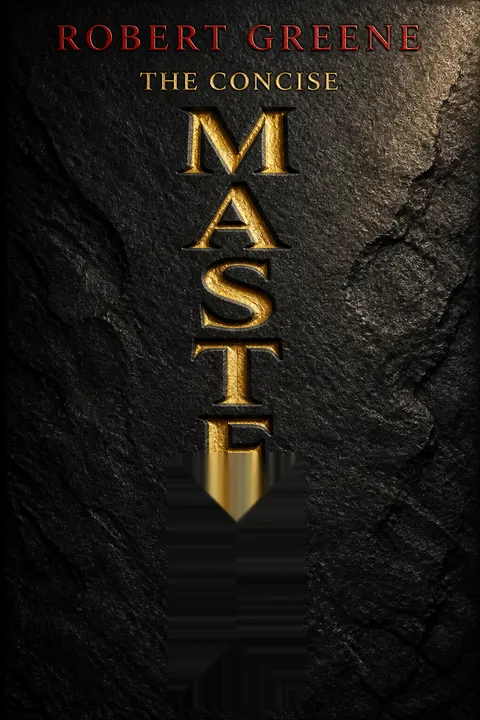

Ideas clave
1. Descubre la Tarea de tu Vida y Abraza tu Singularidad
Posees una fuerza interior que busca guiarte hacia la Tarea de tu Vida—lo que estás destinado a lograr en el tiempo que tienes para vivir.
Inclinaciones innatas: Todos nacemos con una composición genética única y tendencias naturales. Estos intereses primarios suelen manifestarse en la infancia como una curiosidad intensa o fascinación por temas o actividades específicas. Reconocer y cultivar estas inclinaciones es fundamental para descubrir la Tarea de tu Vida.
Superar obstáculos: La sociedad, la familia y las inseguridades personales pueden nublar tu verdadero camino. Para encontrar tu Tarea de Vida:
- Reconecta con tus intereses y pasiones de la infancia
- Busca actividades que despierten en ti asombro y una sensación de atemporalidad
- Identifica áreas en las que sobresales de forma natural
- Abraza tu singularidad en lugar de conformarte con las expectativas ajenas
- Esté dispuesto a asumir riesgos y explorar caminos profesionales poco convencionales
2. Sométete a la Realidad a Través de un Aprendizaje Ideal
El objetivo de un aprendizaje no es el dinero, un buen puesto, un título o un diploma, sino la transformación de tu mente y carácter—la primera transformación en el camino hacia la maestría.
Tres fases del aprendizaje:
- Observación profunda (Modo pasivo): Absorbe todo sobre tu campo, sus reglas y su cultura.
- Adquisición de habilidades (Modo práctico): Enfócate intensamente en aprender y practicar habilidades fundamentales.
- Experimentación (Modo activo): Aplica tu conocimiento creativamente y pon a prueba tus capacidades.
Estrategias clave:
- Valora el aprendizaje por encima de la ganancia financiera inmediata
- Busca desafíos que te saquen de tu zona de confort
- Abraza el fracaso como una oportunidad para aprender
- Cultiva la paciencia y confía en el proceso de desarrollo de habilidades
- Apunta a 10,000 horas de práctica enfocada para alcanzar la maestría
3. Absorbe el Poder del Maestro a Través de la Mentoría
Los mentores no te dan un atajo, pero sí agilizan el proceso.
Beneficios de la mentoría:
- Aprendizaje acelerado mediante orientación personalizada
- Acceso a la sabiduría y experiencia acumuladas
- Retroalimentación en tiempo real sobre tu trabajo y progreso
- Exposición a los procesos de pensamiento y enfoques para resolver problemas de un maestro
Cómo aprovechar al máximo la relación con el mentor:
- Elige mentores que estén alineados con tus objetivos y estilo de aprendizaje
- Demuestra tu valor y compromiso para ganar su inversión
- Absorbe conocimiento activamente, pero desarrolla tu propio estilo
- Prepárate para superar a tu mentor y buscar nuevos desafíos
- Mantén respeto y gratitud mientras afirmas tu independencia
4. Cultiva la Inteligencia Social y Ve a las Personas Tal Como Son
La inteligencia social no es más que el proceso de desechar la Perspectiva Ingenua y adoptar una visión más realista.
Desarrollar la conciencia social:
- Observa las acciones de las personas más que sus palabras
- Presta atención a las señales no verbales y comportamientos sutiles
- Reconoce motivaciones humanas comunes, como el interés propio y la inseguridad
- Comprende las dinámicas de poder en entornos sociales y profesionales
Estrategias para mejorar la inteligencia social:
- Practica la empatía imaginando las perspectivas ajenas
- Estudia la psicología humana y patrones comunes de comportamiento
- Aprende a reconocer y manejar las “Siete Realidades Mortales”: Envidia, Conformismo, Rigidez, Auto-obsesión, Pereza, Volubilidad y Agresión Pasiva
- Desarrolla la habilidad de adaptar tu estilo de comunicación a diferentes personas y situaciones
5. Despierta la Mente Dimensional para Lograr Avances Creativos
Los maestros son aquellos que por naturaleza han sufrido para llegar a donde están. Han enfrentado críticas interminables a su trabajo, dudas sobre su progreso y retrocesos en el camino.
Cultivar la creatividad:
- Mantén una curiosidad infantil y apertura a nuevas ideas
- Abraza la incertidumbre y resiste la tentación de conformarte con soluciones convencionales
- Alterna entre trabajo concentrado y períodos de relajación para permitir la incubación de ideas
- Busca conexiones entre conceptos o campos aparentemente no relacionados
Estrategias para avances creativos:
- Elige proyectos que resuenen profundamente con tus intereses y valores
- Exponte a influencias y experiencias diversas
- Practica visualizar problemas desde múltiples perspectivas
- Aprovecha las limitaciones como catalizadores para el pensamiento innovador
- Permite la serendipia manteniendo una mente abierta y flexible
6. Fusiona la Intuición con la Racionalidad para Alcanzar la Maestría
Todos los maestros poseen esta Capacidad Negativa, y es la fuente de su poder creativo.
Desarrollar una intuición de alto nivel:
- Sumérgete profundamente en tu campo durante períodos prolongados
- Acumula vastos conocimientos y experiencia
- Practica sintetizar información de fuentes diversas
- Desarrolla la habilidad de reconocer patrones y hacer evaluaciones holísticas
Equilibrar intuición y racionalidad:
- Usa el análisis racional para verificar y refinar las intuiciones
- Cultiva la capacidad de suspender el juicio y abrazar la ambigüedad (Capacidad Negativa)
- Practica alternar entre pensamiento analítico enfocado y pensamiento asociativo más relajado
- Confía en tus corazonadas intuitivas, pero somételas a pruebas rigurosas y validación
7. Transfórmate a Través de la Práctica Deliberada y la Paciencia
Todos poseemos una fuerza creativa innata que quiere activarse. Este es el don de nuestra Mente Original, que revela tal potencial.
Claves para la transformación personal:
- Abraza el camino de la maestría como un proceso de toda la vida
- Establece metas desafiantes pero alcanzables que te impulsen a tus límites
- Busca retroalimentación continua y ajusta tu enfoque en consecuencia
- Desarrolla resiliencia frente a los contratiempos y críticas
Superar obstáculos comunes:
- Resiste la tentación de buscar atajos o soluciones fáciles
- Evita caer en la complacencia o la autosatisfacción excesiva con tu progreso
- Protege tu paciencia y rechaza el deseo de resultados inmediatos
- Mantente enfocado en tu visión a largo plazo mientras te adaptas a las circunstancias cambiantes
Al comprometerte con este camino hacia la maestría, podrás desbloquear tu máximo potencial, hacer contribuciones significativas en tu campo y experimentar la profunda satisfacción de realizar la Tarea de tu Vida.
Resumen de reseñas
Dominio Conciso recibió opiniones encontradas, con calificaciones que oscilaron entre 2 y 5 estrellas. Las reseñas positivas destacaron sus valiosas ideas sobre cómo alcanzar la maestría mediante la dedicación y el esfuerzo constante, mientras que las críticas negativas señalaron su repetitividad y falta de profundidad. Algunos lectores encontraron atractivas las anécdotas históricas, pero otros consideraron que el estilo de escritura resultaba monótono. Muchos valoraron la estructura del libro y sus consejos prácticos, aunque algunos lo percibieron como demasiado simplista o carente de respaldo científico. En conjunto, los lectores apreciaron la orientación que ofrece para el crecimiento personal y el desarrollo de habilidades, a pesar de sus limitaciones.
También leyeron






Preguntas frecuentes
What's "The Concise Mastery" by Robert Greene about?
- Overview of Mastery: "The Concise Mastery" by Robert Greene explores the journey to achieving mastery in any field. It emphasizes the importance of understanding one's unique inclinations and pursuing a Life’s Task.
- Three Phases of Mastery: The book outlines three phases: Apprenticeship, Creative-Active, and Mastery, each requiring different strategies and mindsets.
- Historical Examples: Greene uses historical figures to illustrate the principles of mastery, showing how they navigated challenges and achieved greatness.
- Practical Guidance: The book provides actionable strategies for readers to apply in their own lives, aiming to unlock their full potential.
Why should I read "The Concise Mastery" by Robert Greene?
- Self-Improvement Focus: The book offers insights into personal development and the pursuit of excellence, making it valuable for anyone looking to improve their skills.
- Timeless Wisdom: Greene draws on historical examples, providing timeless lessons that are applicable across various fields and professions.
- Actionable Strategies: Readers gain practical advice on how to navigate their career paths, overcome obstacles, and achieve mastery.
- Inspiration and Motivation: The stories of great Masters serve as inspiration, motivating readers to pursue their own paths with determination and creativity.
What are the key takeaways of "The Concise Mastery" by Robert Greene?
- Discover Your Calling: Identifying and pursuing your Life’s Task is crucial for achieving mastery and fulfillment.
- Embrace the Apprenticeship Phase: This phase is about learning, observing, and acquiring skills, which are foundational for future success.
- Develop Social Intelligence: Understanding and navigating social dynamics is essential for overcoming obstacles and advancing in your field.
- Fuse Intuition with Rationality: Mastery involves combining deep knowledge with intuitive insights to see the bigger picture and innovate.
How does Robert Greene define "Mastery" in "The Concise Mastery"?
- Ultimate Power: Mastery is described as the ultimate form of power and intelligence, representing the high point of human potential.
- Process of Transformation: It involves a transformation of the mind and character through intense focus and practice over time.
- Intuitive Feel: Mastery is characterized by an intuitive feel for the whole, allowing one to see patterns and solutions instantly.
- Accessible to All: Greene emphasizes that mastery is not about innate talent but about dedication, practice, and the right mindset.
What is the "Apprenticeship Phase" in "The Concise Mastery"?
- Foundation of Mastery: The Apprenticeship Phase is the first step toward mastery, focusing on learning and skill acquisition.
- Three Steps: It involves Deep Observation, Skills Acquisition, and Experimentation, each building on the previous to develop expertise.
- Practical Knowledge: This phase emphasizes gaining practical knowledge and experience, which are more valuable than titles or diplomas.
- Transformation of Character: The goal is to transform one's mind and character, developing discipline, focus, and a deep understanding of the field.
What strategies does Robert Greene suggest for finding your Life’s Task in "The Concise Mastery"?
- Return to Origins: Reflect on childhood inclinations and passions to reconnect with your true interests and potential Life’s Task.
- Occupy the Perfect Niche: Find a niche that aligns with your uniqueness and allows you to dominate without overwhelming competition.
- Avoid the False Path: Be wary of choosing a career for the wrong reasons, such as money or approval, which can lead to dissatisfaction.
- Adapt and Evolve: Be flexible and willing to adapt your Life’s Task to changing circumstances, ensuring it remains relevant and fulfilling.
How does "The Concise Mastery" by Robert Greene address the role of mentors?
- Importance of Mentors: Mentors are crucial for streamlining the learning process, providing guidance, and sharing their experience and knowledge.
- Choosing the Right Mentor: Select mentors who align with your needs and inclinations, and who can help you develop your unique style.
- Dynamic Relationship: The mentor-protégé relationship should be interactive, with the protégé eventually surpassing the mentor in mastery.
- Emotional Investment: The relationship is emotionally charged, with mentors invested in the protégé's development and success.
What is "Social Intelligence" according to "The Concise Mastery" by Robert Greene?
- Understanding People: Social intelligence involves seeing people as they are, without projecting your own needs and desires onto them.
- Reading Behavior: It requires focusing on nonverbal cues, understanding motivations, and discerning manipulative tendencies.
- Navigating Social Dynamics: Success in any field requires the ability to navigate social dynamics and overcome resistance from others.
- Two Components: It consists of specific knowledge (reading individuals) and general knowledge (understanding universal patterns of behavior).
What are the "Creative Strategies" in "The Concise Mastery" by Robert Greene?
- Cultivate Negative Capability: Embrace uncertainty and mysteries without rushing to judgment, allowing for a broader range of ideas.
- Allow for Serendipity: Create conditions for chance associations and discoveries by widening your search and maintaining openness.
- Alternate the Mind: Engage in a dialogue between speculation and observation, allowing for deeper insights and understanding.
- Alter Perspective: Break habitual patterns of thinking by looking at problems from different angles and considering anomalies.
How does "The Concise Mastery" by Robert Greene describe the "Creative Breakthrough"?
- Tension and Insight: Creative breakthroughs often occur after a period of intense focus and frustration, followed by a moment of letting go.
- Role of Frustration: Frustration serves a purpose, pushing you to rework ideas and not settle for easy solutions.
- Incubation Period: During breaks, ideas continue to incubate unconsciously, leading to sudden insights and solutions.
- Zen Master Approach: Embrace the process of doubt and tension, knowing it often precedes moments of enlightenment and creativity.
What are the "Emotional Pitfalls" in the Creative-Active Phase according to "The Concise Mastery"?
- Complacency: Avoid becoming complacent and losing the sense of wonder and curiosity that drives creativity.
- Conservatism: Resist the urge to stick to what worked in the past; creativity requires boldness and experimentation.
- Dependency: Develop internal standards and independence, rather than relying on external validation and approval.
- Impatience: Cultivate patience and embrace the rigorous practice required for high-level creative work.
What are the best quotes from "The Concise Mastery" by Robert Greene and what do they mean?
- "Everyone holds his fortune in his own hands, like a sculptor the raw material he will fashion into a figure." This quote emphasizes the power of self-determination and the ability to shape one's destiny through effort and skill.
- "One can have no smaller or greater mastery than mastery of oneself." It highlights the importance of self-discipline and self-awareness as foundational to achieving mastery in any field.
- "The intuitive mind is a sacred gift and the rational mind is a faithful servant." This quote underscores the balance between intuition and rationality, both of which are essential for true mastery.
- "The ultimate distinction you make is between yourself and the world." It reflects the idea that mastery involves transcending the boundaries between self and environment, achieving a deep connection with reality.
Sobre el autor
Otros libros de Robert Greene







Descargar PDF
Descargar EPUB
.epub digital book format is ideal for reading ebooks on phones, tablets, and e-readers.








































