Ideas clave
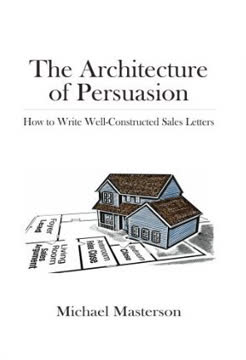
1. La arquitectura de una carta de ventas: una metáfora romántica
Para ser un copywriter exitoso y disfrutar de las recompensas financieras y personales que trae estar en la cresta de esta ola de crecimiento, debes dominar el arte y la ciencia de la persuasión.
La metáfora romántica. El libro utiliza una metáfora extendida que compara la estructura de una carta de ventas exitosa con el inicio de una relación romántica. Esta comparación ayuda a entender el delicado equilibrio entre emoción y lógica que requiere un copywriting efectivo. Los cinco elementos esenciales de una carta de ventas se asemejan a las etapas de un encuentro romántico:
- El teaser del sobre: la frase de apertura en una fiesta
- El titular de la carta de ventas: la primera impresión en la puerta
- El lead: la conversación en el recibidor
- El cuerpo (argumento de venta): la charla en la sala
- El cierre: los momentos finales antes de entrar al dormitorio
Esta metáfora subraya la importancia de construir confianza, crear conexiones emocionales y ofrecer justificaciones racionales a lo largo del proceso de venta.
2. El poder de los teasers indirectos para captar la atención
Gracias a sus capacidades interactivas, Internet es el medio perfecto para el marketing de respuesta directa. Y por sus bajas barreras de entrada, es igualmente ideal para el emprendimiento.
El arte de la indirecta. Los teasers indirectos son más efectivos que los directos para captar la atención e interés del prospecto. Funcionan al:
- Despertar curiosidad sin revelar de inmediato el argumento de venta
- Desviar la atención del lector hacia algo intrigante
- Reducir la resistencia psicológica a ser vendido
Ejemplos de teasers indirectos efectivos:
- "Lo que nadie puede hacerse rico sin..."
- "¿Podrías ayudarme a resolver un debate?"
- "¡Es pura mentira! No creas lo que te han dicho sobre tu salud..."
Estos teasers despiertan la curiosidad y enganchan al lector sin activar de inmediato la resistencia a la venta, aumentando la probabilidad de que abra el sobre o siga leyendo.
3. Crear titulares y leads que despierten emociones
Las grandes cartas de ventas no le dicen al cliente qué pensar… ni qué sentir… ni qué desear. Ubican los sentimientos, pensamientos y deseos del prospecto, y luego los estimulan.
Compromiso emocional. El titular y el lead de una carta de ventas son cruciales para captar y mantener la atención del lector. Deben:
- Mantener la atención generada por el teaser
- Convertir esa atención en un proceso mental “divertido”
- Expresar o insinuar un beneficio inmediato
- Prometer indirectamente un beneficio más profundo
- Identificar y neutralizar pensamientos negativos
- Evocar sutiles sentimientos negativos para estimular deseos positivos
Para crear titulares y leads efectivos:
- Haz una lista de posibles sentimientos que el prospecto pueda tener sobre el producto
- Identifica deseos recíprocos relacionados con esos sentimientos
- Enumera ideas preconcebidas que el prospecto pueda tener sobre el producto
- Escribe varios leads y pruébalos con colegas
- Refina el lead elegido hasta que alcance un alto nivel de interés
4. El complejo emocional central: más allá de la codicia y el miedo
Existen muchas emociones útiles que pueden y deben usarse en la redacción publicitaria. La codicia y el miedo son dos de ellas, pero también son de las más toscas y comunes, y por eso, de las menos útiles al crear un titular y un lead para tu carta de ventas.
Profundidad emocional. El complejo emocional central es un conjunto de sentimientos, pensamientos y deseos más profundos que motivan al prospecto. Va más allá del enfoque simplista de codicia y miedo, tocando emociones más matizadas como:
- Curiosidad
- Deseo de altruismo
- Soledad
- Búsqueda de estatus social
- Exasperación y derrota
Para aprovechar el complejo emocional central:
- Identifica y aborda los sentimientos y deseos más profundos del prospecto
- Evita nombrar directamente emociones negativas
- Usa enfoques indirectos para evocar y tratar esas emociones
- Conecta el producto o servicio con los deseos centrales del prospecto
Al comprender y apelar a este complejo, los copywriters pueden crear cartas de ventas más convincentes y efectivas que resuenen a un nivel más profundo con su audiencia.
5. Construir un argumento de venta convincente
El argumento de venta es donde repites la gran promesa de muchas maneras, donde la desglosas en afirmaciones específicas, donde pruebas esas afirmaciones de forma convincente, donde introduces una gran idea (si tu carta de ventas la tiene), donde empleas prueba social (testimonios, avales, estadísticas de encuestas, etc.) para demostrar credibilidad, y donde respondes todas las preguntas importantes que el prospecto pueda tener sobre el producto.
Persuasión lógica. El argumento de venta forma el cuerpo de la carta, donde ofreces justificaciones racionales para la conexión emocional establecida en el lead. Sus componentes clave incluyen:
- Promesas: grandes y pequeñas, directas e implícitas
- Afirmaciones: declaraciones que respaldan tus promesas
- Pruebas: evidencias que hacen creíbles las afirmaciones
Tipos de prueba:
- Estudios científicos
- Argumentos lógicos
- Citas de expertos
- Datos contundentes
- Testimonios
- Analogías
Para crear un argumento sólido:
- Articula la propuesta única de venta (USP) del producto
- Presenta diversas pruebas de forma natural y no lineal
- Asegura que cada promesa y afirmación esté respaldada por prueba
- Atiende preguntas y objeciones potenciales
6. El arte del cierre: sellar el trato con destreza
Con cada paso hacia el dormitorio, sientes su corazón latir más rápido. Sabes que está lista — que podrías arrancarle la ropa en cuanto llegues a la puerta. Pero eso no es lo que vas a hacer. Porque hay algo que no le has dicho.
El empujón final. El cierre es el momento crítico en que conviertes el acuerdo emocional y lógico del prospecto en acción. Aspectos clave de un cierre efectivo:
- Abordar cualquier escepticismo o miedo residual
- Crear un sentido de urgencia
- Reforzar los beneficios y la propuesta de valor
- Hacer la oferta clara y atractiva
- Facilitar la transición al proceso de compra
Técnicas para cerrar:
- Usar un cierre falso para tratar objeciones finales
- Ofrecer garantía sin riesgos
- Incluir un bono o descuento por tiempo limitado
- Enfatizar la escasez o exclusividad
- Proporcionar prueba social de satisfacción de otros
Recuerda, el objetivo no es solo vender, sino dejar al prospecto encantado con su decisión, preparando el terreno para una relación duradera.
7. Dominar el copywriting: un camino hacia el éxito financiero
Para ser un copywriter exitoso y disfrutar de las recompensas financieras y personales que trae estar en la cresta de esta ola de crecimiento, debes dominar el arte y la ciencia de la persuasión. Y no hay mejor ni más rápido camino que aprender a escribir una buena y sencilla carta de ventas.
Avance profesional. Dominar el arte del copywriting, especialmente en la redacción de cartas de ventas efectivas, puede abrir la puerta a grandes recompensas económicas y oportunidades laborales. Pasos clave para el éxito:
- Aprender los fundamentos de la estructura de una carta de ventas
- Practicar la creación de teasers, titulares y leads atractivos
- Profundizar en el conocimiento del complejo emocional central
- Perfeccionar la habilidad para construir argumentos persuasivos
- Dominar el arte del cierre
Beneficios de dominar el copywriting:
- Alta demanda en la creciente industria de respuesta directa
- Potencial para ingresos de seis cifras
- Oportunidad de trabajar con clientes y productos diversos
- Flexibilidad en modalidades de trabajo (freelance, interno, remoto)
- Aprendizaje continuo y crecimiento personal
Para sobresalir en copywriting:
- Estudia promociones exitosas y analiza sus técnicas
- Mantente actualizado en tendencias de marketing y psicología del consumidor
- Desarrolla un portafolio variado y efectivo de cartas de ventas
- Conecta con otros copywriters y profesionales del sector
- Sé ético y enfócate en promover productos de calidad en los que creas
Al dominar estas habilidades y abordar el copywriting como un arte y una ciencia, te posicionarás para una carrera gratificante y lucrativa en el dinámico mundo del marketing de respuesta directa.
Resumen de reseñas
La arquitectura de la persuasión ha recibido en su mayoría críticas positivas, destacando su enfoque claro y conciso sobre el arte de redactar textos publicitarios. Muchos lectores valoran su utilidad para estructurar argumentos de venta y agradecen el uso de metáforas y relatos que facilitan la comprensión de los conceptos. Para algunos, se trata de una referencia imprescindible para quienes se dedican a la redacción publicitaria, mientras que otros lo consideran una visión general de alto nivel. Un pequeño grupo cuestiona la analogía con la seducción y opina que el libro carece de profundidad. En conjunto, los lectores aprecian las ideas prácticas que ofrece y lo encuentran útil para mejorar sus habilidades en copywriting.
También leyeron

 Inmersivo

 Inmersivo
Preguntas frecuentes
What's "The Architecture of Persuasion" about?
- Sales Letter Focus: "The Architecture of Persuasion" by Michael Masterson is a guide on writing effective sales letters. It emphasizes the importance of structure and persuasion in direct-response marketing.
- Five-Step Formula: The book introduces a simple five-step formula for crafting sales letters that have generated millions in sales.
- Metaphorical Approach: Masterson uses an extended metaphor comparing writing a sales letter to initiating a romantic relationship, making the content engaging and relatable.
- Copywriting Mastery: It aims to transform readers into master copywriters by teaching them how to write compelling and persuasive sales letters.
Why should I read "The Architecture of Persuasion"?
- Proven Techniques: The book offers time-tested techniques that have been used to generate significant sales and launch successful businesses.
- Comprehensive Guide: It covers every aspect of writing a sales letter, from the envelope teaser to the closing copy, ensuring a thorough understanding of the process.
- Practical Application: Readers are encouraged to practice the techniques, making it a hands-on guide for improving copywriting skills.
- Career Advancement: Mastering the art of sales letters can lead to a rewarding career in copywriting, with opportunities for financial success.
What are the key takeaways of "The Architecture of Persuasion"?
- Five Essential Elements: The book outlines five key elements of a sales letter: the envelope teaser, headline, lead, sales argument, and close.
- Emotional Connection: Establishing an emotional connection with the reader is crucial for persuasion and long-term customer relationships.
- Core Emotional Complex: Understanding the prospect's core emotional complex is essential for writing compelling copy that resonates with the audience.
- Indirect Approach: Using indirect methods in headlines and leads can prevent the reader from categorizing the letter as junk mail, increasing engagement.
What is the "core emotional complex" in "The Architecture of Persuasion"?
- Definition: The core emotional complex is a bundle of the prospect's deeper feelings, thoughts, and desires tied together with an emotional cord.
- Importance: Understanding this complex allows copywriters to connect with the prospect on a deeper level, making the sales letter more compelling.
- Application: Copywriters should identify the core emotional complex before writing, using it as a foundation for the teaser, headline, and lead.
- Emotional Resonance: By tapping into these emotions, the sales letter can evoke a strong response, leading to higher conversion rates.
How does Michael Masterson use metaphors in "The Architecture of Persuasion"?
- Romantic Metaphor: Masterson compares writing a sales letter to initiating a romantic relationship, making the process relatable and engaging.
- Step-by-Step Comparison: Each part of the sales letter is likened to stages in a romantic encounter, from the initial meeting to the consummation of the relationship.
- Illustrative Examples: This metaphor helps illustrate complex concepts in a simple and understandable way, aiding in the reader's comprehension.
- Engagement: The metaphor keeps readers engaged, making the learning process enjoyable and memorable.
What are the five essential elements of a sales letter according to "The Architecture of Persuasion"?
- Envelope Teaser: Its purpose is to get the prospect to open the envelope with the right expectations, avoiding the trash.
- Headline: The headline should reinforce the teaser and draw the reader into the letter with the right emotional expectations.
- Lead: The lead is crucial for maintaining attention and converting it into a desire to read more, often accounting for 80% of the letter's power.
- Sales Argument: This section presents benefits, claims, and proof, convincing the prospect that buying the product is the rational choice.
- Close: The close aims to eliminate any remaining skepticism, ensuring the prospect feels delighted with their decision to buy.
What is the "false close" technique in "The Architecture of Persuasion"?
- Definition: The false close is a technique where an additional, unexpected benefit is introduced at the end of the sales argument before asking for payment.
- Purpose: It surprises and delights the customer, reinforcing their decision to buy and enhancing the perceived value of the offer.
- Relationship Building: The false close signals that the customer can expect future surprises, fostering a positive long-term relationship.
- Implementation: It can be as simple as saying, "But wait, there's more!" or creating tension before revealing the extra benefit.
How does "The Architecture of Persuasion" suggest handling negative emotions in sales letters?
- Indirect Approach: Negative emotions should be addressed indirectly to avoid triggering denial or resistance from the prospect.
- Subtle Prompts: Use subtle psychological prompts to lead the prospect to acknowledge their feelings and desires without naming them directly.
- Positive Framing: Frame the conversation in a way that allows the prospect to feel they are discovering solutions on their own.
- Emotional Connection: This approach helps maintain an emotional connection, making the prospect more receptive to the sales message.
What is the "strategy of indirection" in "The Architecture of Persuasion"?
- Definition: The strategy of indirection involves presenting benefits in an unexpected way, preventing the prospect from categorizing the letter as junk mail.
- Purpose: It keeps the prospect engaged by creating curiosity and avoiding direct sales pitches that may trigger resistance.
- Application: Indirect teasers, headlines, and leads are used to divert the prospect's attention, leading them to the sale without overtly selling.
- Long-Term Benefits: This strategy can lead to deeper customer relationships and higher lifetime values, as it builds trust and engagement.
What are some effective teaser types mentioned in "The Architecture of Persuasion"?
- Narcissistic Teaser: Focuses on boasting about the product, often less effective as it ignores the reader's needs.
- Potential Benefit Teaser: Highlights a future benefit the reader might gain, creating interest and engagement.
- Definite Benefit Teaser: Promises a direct and immediate benefit, often more compelling than potential benefits.
- Indirection Teaser: Uses an indirect approach to pique curiosity and lead the reader to the sales letter without overtly selling.
How does "The Architecture of Persuasion" suggest creating high perceived value in the close?
- Comparison Technique: Compare the product to a similar, higher-priced product to establish a high perceived value.
- Drop-in-the-Bucket: Show that the fee is minimal compared to the value or returns the product generates.
- Totaling Values: Offer a package with multiple components, each assigned a dollar value, to demonstrate overall value.
- Liquidating Bonus: Provide a tangible bonus with a retail value equal to the product's price, making the offer irresistible.
What are the best quotes from "The Architecture of Persuasion" and what do they mean?
- "Writing sales letters is like playing the piano. Easy to do poorly; extremely difficult to do well." This highlights the complexity and skill required to craft effective sales letters.
- "Business should not be like war. It should be like love." Masterson emphasizes the importance of building positive, long-term relationships with customers rather than using aggressive tactics.
- "The core emotional complex is the cluster of feelings, thoughts, and desires she has when she encounters your sales letter." This underscores the need to understand the prospect's emotions to create compelling copy.
- "The false close is used to surprise and delight the customer." It illustrates the technique of adding unexpected value to reinforce the customer's decision to buy.
Sobre el autor
Otros libros de Michael Masterson