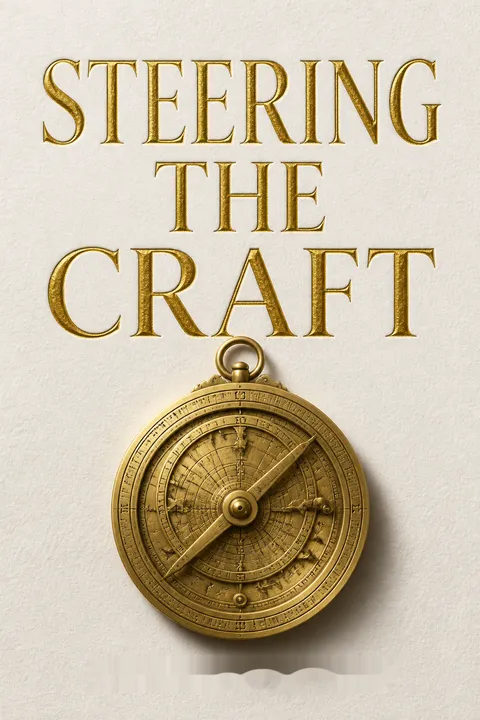

Ideas clave
1. Domina el Oficio: Escribir es una Habilidad que se Aprende
El oficio posibilita el arte.
Escribir es un hacer. Este libro es un manual para narradores, centrado en las técnicas fundamentales de la prosa narrativa. No está dirigido a principiantes, sino a quienes ya trabajan arduamente en su escritura y buscan perfeccionar sus habilidades. La meta es familiarizarse tanto con las herramientas del lenguaje que se vuelvan intuitivas.
La habilidad libera al escritor. Aprender el oficio proporciona las destrezas necesarias para guiar la historia. Permite a los escritores escribir lo que desean y, a veces, descubrir qué quieren contar. Aunque la suerte y el talento influyen en el arte, la habilidad se gana con práctica y estudio.
Concéntrate en el hacer. El libro enfatiza la escritura como arte y oficio, un proceso de crear algo bien hecho. Esto implica entregarse al trabajo, buscar la integridad y seguir el espíritu. Aprender este oficio es una tarea de toda la vida, profundamente gratificante.
2. Escucha tu Prosa: El Sonido y el Ritmo Importan
El sonido del lenguaje es donde todo comienza.
La prosa tiene música. Al igual que la poesía, la prosa posee efectos sonoros, aunque suelen ser sutiles e irregulares. El ruido que hacen las palabras, sus sonidos y silencios, crean ritmos que afectan tanto el significado como la belleza. Un buen escritor cultiva un “oído mental” para escuchar su prosa mientras escribe.
El ritmo impulsa la narrativa. La función principal de una frase narrativa es conducir a la siguiente, manteniendo la historia en movimiento. El ritmo controla el ritmo y el avance, y se domina escuchando la prosa. El lenguaje puede expresar deleite en sí mismo, y la prosa narrativa puede sonar espléndida de muchas maneras, desde un vocabulario exuberante hasta cadencias dialectales.
Leer en voz alta ayuda. Para desarrollar la conciencia del sonido, lee tu escritura en voz alta. Esto revela partes torpes, fallos en el ritmo y ayuda a que los diálogos suenen naturales. Jugar con efectos sonoros como onomatopeyas, aliteraciones y repeticiones (sin rima ni métrica) puede ser una forma divertida y eficaz de cultivar esta habilidad.
3. Abraza la Puntuación y la Gramática: Guían el Oído del Lector
Si no te interesa la puntuación o le temes, te estás perdiendo algunas de las herramientas más bellas y elegantes con que cuenta un escritor.
La puntuación es esencial. La puntuación indica al lector cómo debe escuchar tu escritura, actuando como pausas en la música para señalar descansos y cortes. Aclara la estructura gramatical, haciendo las oraciones claras tanto para la comprensión como para la emoción. Confiar en programas informáticos o en correctores para arreglar errores es arriesgado en la publicación moderna.
La gramática provee herramientas. Aprender gramática va de la mano con aprender puntuación. Entender términos como sujeto, predicado y tiempo verbal es como que un carpintero conozca sus herramientas. La ignorancia gramatical conduce a sintaxis incoherente, palabras equivocadas y puntuación mal colocada, lo que entorpece el significado y vuelve la escritura confusa y fea.
Corrección vs. claridad. Aunque los puristas de la gramática se centran en una “corrección” arbitraria, a menudo ligada a la clase social, el deber moral del escritor es usar el lenguaje con cuidado y bien para lograr claridad. Romper las reglas debe ser intencional, no un error. Escribir claro para extraños requiere más esfuerzo que el habla casual, especialmente en línea, donde el contexto es limitado.
4. Varía la Longitud de las Oraciones: Crea Ritmo y Fluidez
Lo óptimo es la variedad.
Las oraciones deben ser coherentes. La tarea principal de una oración narrativa es conducir suavemente a la siguiente. Más allá de eso, las oraciones pueden hacer infinitas cosas, pero deben mantenerse unidas. Problemas comunes como la mala colocación y los elementos colgantes dificultan la coherencia, por lo que se requiere construcción y revisión cuidadosas.
Evita la monotonía. Aunque las oraciones cortas pueden ser efectivas para generar tensión o impacto, una prosa compuesta solo por ellas se vuelve monótona y entrecortada. Por otro lado, oraciones demasiado largas y mal construidas pueden ser difíciles de seguir. La clave para un buen ritmo en la prosa es la variedad en la longitud de las oraciones, lograda mediante la interacción con las oraciones circundantes.
La sintaxis compleja es poderosa. Las oraciones largas y complejas, cuando se manejan bien, pueden llevar al lector con facilidad, como los músculos de un corredor de fondo. Son adecuadas para desarrollar pensamientos complejos o emociones intensas y acumulativas. No las evites por reglas mal entendidas; aprende a construirlas sólidamente para que sus conexiones sean claras.
5. Usa Adjetivos y Adverbios con Moderación: Fortalece Verbos y Sustantivos
Los adjetivos y adverbios son ricos, buenos y nutritivos.
Evita el uso perezoso. Los adjetivos y adverbios añaden color e inmediatez, pero pueden causar “obesidad en la prosa” cuando se usan de forma perezosa o excesiva. A menudo, la cualidad que describen puede integrarse en un verbo más fuerte (corrió rápido = galopó) o un sustantivo (voz gruñona = gruñido) para lograr una escritura más limpia e intensa.
Cuidado con los calificativos. Palabras como “bastante,” “un poco,” “algo,” “más o menos” y especialmente “muy” debilitan las palabras que modifican. Son “parásitos” en la prosa escrita y deben eliminarse en la revisión. Palabras sobreusadas como “genial” o recursos de transición como “de repente” también pueden volverse vacías de significado.
Cada detalle cuenta. Sin caer en el uso perezoso, no despojes tu prosa hasta dejarla desnuda. Elige adjetivos y adverbios con reflexión y cuidado. El idioma inglés ofrece una riqueza inmensa. La prosa narrativa, especialmente en viajes largos, necesita músculo, no grasa. Enfócate en detalles vívidos, exactos y concretos que contribuyan a la historia.
6. Comprende la Persona y el Tiempo Verbal: Elige la Perspectiva y el Momento Correctos
Cuando una historia se atasca o se queda pegada, considera la posibilidad de cambiar la persona.
La persona define al narrador. La ficción narrativa usa principalmente primera persona (yo) o tercera persona (él/ella/ellos). La segunda persona (tú) es rara. La narración en primera persona limita la historia a lo que “yo” sabe y percibe, mientras que la tercera persona ofrece más libertad, aunque puede limitarse a la perspectiva de un personaje (tercera persona limitada) o abarcar un rango amplio (autor involucrado).
El tiempo afecta el enfoque. El tiempo pasado (ella hizo) ha sido tradicionalmente el estándar para la narrativa, permitiendo moverse fácilmente en el tiempo. El tiempo presente (ella hace) se ha popularizado por su inmediatez percibida, pero crea un foco estrecho en un solo tiempo y lugar, como una linterna de haz angosto. El pasado ofrece un campo más amplio, como la luz del sol, mostrando continuidad con pasado y futuro.
Elige conscientemente. La elección de persona y tiempo es significativa y afecta el tono y alcance de la historia. Si una historia se siente estancada, considera cambiar la persona o el tiempo. Evita cambiar de tiempo sin señales claras dentro de una narrativa, pues confunde al lector y vuelve incoherente la historia.
7. Controla el Punto de Vista y la Voz: Sabe Quién Cuenta la Historia
El punto de vista (POV, por sus siglas en inglés) es el término técnico para quién cuenta la historia y cuál es su relación con ella.
El POV determina la perspectiva. El punto de vista define al narrador — ya sea un personaje dentro de la historia (personaje de perspectiva) o el autor. La voz es el sonido metafórico de la narración. Entender los diferentes POV es crucial para controlar cómo el lector experimenta la historia.
POVs principales:
- Primera persona (“yo”): El narrador es un personaje central.
- Tercera persona limitada (“él/ella”): El narrador es un personaje central, pero contado en tercera persona.
- Autor involucrado (“omnisciente”): El autor sabe y cuenta todo, puede entrar en cualquier mente.
- Autor desapegado (“mosca en la pared”): El autor solo reporta comportamiento y habla externos.
- Narrador observador (primera o tercera): El narrador es un personaje pero no el protagonista principal, testigo de los hechos.
La fiabilidad varía. En no ficción, se espera que el autor sea confiable. En ficción, los narradores pueden ser poco fiables, representando hechos erróneamente de forma deliberada o inocente, lo que revela algo sobre su carácter. Comparar diferentes POV para la misma escena muestra cómo la perspectiva cambia la historia.
8. Maneja los Cambios de POV con Cuidado: Evita Confundir al Lector
Cualquier cambio de uno de los cinco POV mencionados a otro es peligroso.
Los cambios requieren conciencia. Cambiar el punto de vista es una decisión importante que afecta el tono y la estructura narrativa. Debe hacerse conscientemente, con una razón clara y con cuidado para acompañar al lector. Cambios frecuentes y sin aviso, especialmente momentáneos, pueden desorientar y frustrar.
Desafíos específicos de cambios:
- De primera a tercera persona: Difícil en textos breves, puede ser brusco incluso en novelas.
- De autor desapegado a involucrado: Generalmente no factible en una misma obra.
- Dentro de la tercera persona limitada: Cambiar entre mentes de personajes muy seguido o rápido sin señales puede confundir la perspectiva del lector.
Cambios sutiles son posibles. Aunque para cambios mayores suelen necesitarse señales claras (como saltos de línea o capítulos), escritores hábiles como Virginia Woolf pueden moverse entre perspectivas sutilmente dentro de un pasaje. Esto requiere un control y certeza inmensos, permitiendo que los puntos de vista se disuelvan en una voz narrativa más amplia.
9. Cuenta por Implicación: Muestra, No Solo Explique
El mundo está lleno de historias, solo tienes que alcanzarlas.
La historia es más que la trama. La historia es una narración de eventos que implican cambio a lo largo del tiempo. La trama es una forma de estructurar la historia, a menudo mediante conflicto causal, pero no es la única ni necesaria para que una historia sea atractiva. Las historias están en todas partes y no requieren una planificación elaborada.
Transmite información sutilmente. La narrativa a menudo necesita transmitir información (exposición), especialmente en géneros como ciencia ficción o fantasía que construyen mundos nuevos. Volcar información en bloques grandes (bultos expositivos) aburre al lector. Los escritores hábiles fragmentan la información y la entretejen en la narrativa mediante diálogo, acción o descripción.
La descripción cuenta la historia. Las escenas y personajes pueden revelarse indirectamente a través de la descripción. Describir una habitación puede hablarnos de su habitante ausente. Describir un lugar puede implicar el ánimo o la naturaleza de un evento ocurrido o por ocurrir allí. Cada detalle en una descripción debe ser relevante y contribuir al enfoque y trayectoria de la historia.
10. Amontona Detalles, Pero Salta con Valentía: Enfócate en lo Importante
Solo lo relevante pertenece.
Amontonar enriquece. “Amontonar” significa llenar la narrativa con detalles vívidos, exactos y concretos, evitando un lenguaje flojo y clichés. Significa mantener la historia densa en sensaciones, significados e implicaciones, interconectados con ecos y avanzando sin desviarse en irrelevancias.
Saltar omite. “Saltar” es igual de crucial: decidir qué dejar fuera. La gran mayoría de los detalles posibles deben omitirse. Las descripciones sobrecargadas entorpecen la historia. Solo deben quedar detalles relevantes que “cuenten” algo importante. Listar no es describir; el enfoque es clave.
La revisión es fundamental. En los primeros borradores, los escritores suelen amontonar demasiado. La revisión es el momento de cortar todo lo que rellena, repite, ralentiza o impide la historia. Cortar severamente obliga a valorar las palabras y fortalece el estilo, exigiendo tanto amontonar (hacer que las palabras restantes trabajen más) como saltar (eliminar lo innecesario). El consejo de Chéjov de cortar el principio suele aplicarse.
Resumen de reseñas
Steering the Craft es reconocido como una guía perspicaz para escritores, centrada en el lenguaje y el estilo más que en la trama. Los lectores valoran las explicaciones claras de Le Guin, los ejercicios prácticos y el análisis experto de ejemplos literarios. El libro resulta valioso tanto para principiantes como para escritores experimentados, ofreciendo herramientas para mejorar el oficio y comprender las técnicas narrativas. Algunos críticos señalan que, aunque los ejemplos literarios son impresionantes, pueden no reflejar las tendencias actuales del mercado. En conjunto, el libro se recomienda ampliamente por sus consejos concisos y su énfasis en la belleza del lenguaje.
También leyeron

Preguntas frecuentes
What is "Steering the Craft" by Ursula K. Le Guin about?
- Handbook for Storytellers: "Steering the Craft" is a practical guide for writers of narrative prose, focusing on the craft and technique of storytelling rather than inspiration or self-expression.
- Not for Beginners: Le Guin explicitly states the book is intended for writers who have already worked hard at their writing and want to refine their skills.
- Workshop-Based Approach: The book originated from a writing workshop and is structured as a series of discussions and exercises, suitable for individuals (the "Lone Navigator") or groups (the "Mutinous Crew").
- Focus on Fundamentals: It covers the essential elements of narrative prose, such as sound, rhythm, grammar, syntax, point of view, and more, with the aim of developing skill and awareness in writers.
Why should I read "Steering the Craft" by Ursula K. Le Guin?
- Expert Guidance: Le Guin is a master storyteller, and her advice is grounded in decades of experience and literary achievement.
- Practical Exercises: The book offers hands-on exercises that help writers practice and internalize key narrative techniques.
- Focus on Craft: It emphasizes the importance of skill, technique, and conscious control over language, which are often overlooked in favor of inspiration or "finding your voice."
- Applicable to All Narrative: The lessons apply to both fiction and nonfiction writers, as the fundamentals of narrative are universal.
What are the key takeaways from "Steering the Craft" by Ursula K. Le Guin?
- Sound and Rhythm Matter: The sound of language, including rhythm, repetition, and sentence structure, is foundational to good prose.
- Grammar and Punctuation as Tools: Mastery of grammar and punctuation is essential for clarity and effective storytelling.
- Variety in Sentence Structure: Effective narrative prose uses a variety of sentence lengths and structures to create rhythm and maintain reader interest.
- Point of View and Voice: Understanding and controlling point of view is crucial; shifts must be intentional and clear.
- Revision and Cutting: Ruthless editing and the ability to cut unnecessary words or passages are vital skills for any writer.
How is "Steering the Craft" by Ursula K. Le Guin structured, and what topics does it cover?
- Chapter-Based Discussions: Each chapter focuses on a specific element of narrative craft, such as sound, punctuation, repetition, adjectives/adverbs, verbs, point of view, and more.
- Examples from Literature: Le Guin includes examples from classic and modern writers to illustrate each concept.
- Exercises for Practice: Every chapter ends with exercises designed to raise awareness and develop skill in the topic discussed.
- Appendix on Workshops: The book concludes with practical advice on running or participating in peer group writing workshops.
What is Ursula K. Le Guin’s philosophy on writing craft as presented in "Steering the Craft"?
- Craft Enables Art: Le Guin believes that skill and technique are what free writers to create art, not the other way around.
- Conscious Control: She advocates for conscious awareness of language, structure, and technique, rather than relying solely on inspiration or intuition.
- Play and Pleasure: While emphasizing discipline, she also encourages writers to play with language and enjoy the process.
- Respect for Language: Le Guin stresses the importance of understanding the tools of language—grammar, syntax, punctuation—as essential for any serious writer.
What are the most important exercises in "Steering the Craft" and what do they teach?
- Being Gorgeous: Focuses on the sound and rhythm of prose, encouraging writers to play with language for its own sake.
- Am I Saramago: Challenges writers to write without punctuation, raising awareness of how punctuation shapes meaning and rhythm.
- Short and Long: Explores the effects of sentence length and complexity on narrative flow and emotional impact.
- Chastity: Requires writing without adjectives or adverbs, sharpening the use of nouns and verbs for vivid description.
- Points of View: Involves retelling the same story from different points of view, deepening understanding of narrative voice and perspective.
How does "Steering the Craft" by Ursula K. Le Guin address point of view and voice in narrative writing?
- Detailed Definitions: The book defines and distinguishes between first person, limited third person, involved author (omniscient), detached author (objective), and observer-narrator points of view.
- Examples and Exercises: Le Guin provides sample passages and exercises to help writers practice shifting and controlling point of view.
- Risks of Shifting POV: She warns against careless or frequent shifts in point of view, which can confuse readers and weaken narrative focus.
- Voice as Narrative Identity: Voice is treated as the unique narrative presence, shaped by point of view, diction, and rhythm.
What advice does "Steering the Craft" give on grammar, punctuation, and sentence structure?
- Punctuation as Music: Punctuation is described as a way to guide the reader’s ear, shaping the rhythm and clarity of prose.
- Grammar as Foundation: Le Guin insists that understanding grammar is essential for any writer, likening it to knowing the difference between a hammer and a screwdriver.
- Sentence Variety: She advocates for a mix of short and long sentences, tailored to the needs of the narrative, rather than following arbitrary rules.
- Cutting and Revising: The book encourages writers to revise for clarity, coherence, and rhythm, often by cutting unnecessary words or sentences.
How does "Steering the Craft" by Ursula K. Le Guin approach the use of adjectives, adverbs, and repetition?
- Use with Care: Adjectives and adverbs are valuable but should be used thoughtfully and sparingly to avoid weakening prose.
- Vivid Verbs and Nouns: Writers are encouraged to rely on strong verbs and precise nouns for vivid, muscular writing.
- Repetition as Rhythm: Repetition is not inherently bad; when used deliberately, it can create rhythm, emphasis, and structural unity.
- Avoiding Cliché and Padding: The book warns against overused qualifiers and unnecessary repetition that add nothing to the narrative.
What does "Steering the Craft" by Ursula K. Le Guin say about narrative structure, plot, and storytelling?
- Story vs. Plot: Le Guin distinguishes between story (a narrative of change over time) and plot (a tightly connected chain of events, often driven by conflict).
- Not All Stories Need Plot: She argues that not all stories require a traditional plot; some great stories are driven by character, setting, or theme.
- Focus and Trajectory: Every story needs a central focus and a sense of movement or trajectory, even if it’s not a conventional plot.
- Crowding and Leaping: Writers should "crowd" their prose with vivid, relevant detail but also "leap" by omitting what’s unnecessary, maintaining momentum and focus.
How does "Steering the Craft" by Ursula K. Le Guin recommend writers use workshops and peer groups?
- Mutual Learning: Workshops are valuable for mutual encouragement, criticism, and support among writers.
- Rule of Silence: During critique, the author remains silent to fully absorb feedback without becoming defensive.
- Impersonal Critique: Criticism should focus on the writing, not the writer, and be delivered respectfully and constructively.
- Online and In-Person: The book offers advice for both in-person and online groups, emphasizing preparation, participation, and clear protocols.
What are the best quotes from "Steering the Craft" by Ursula K. Le Guin and what do they mean?
- "Skill in writing frees you to write what you want to write. It may also show you what you want to write. Craft enables art." — Emphasizes that technical mastery is the foundation for creative freedom and discovery.
- "The chief duty of a narrative sentence is to lead to the next sentence—to keep the story going." — Highlights the importance of forward momentum in storytelling.
- "To break a rule you have to know the rule. A blunder is not a revolution." — Stresses the necessity of understanding conventions before intentionally deviating from them.
- "To make something well is to give yourself to it, to seek wholeness, to follow spirit. To learn to make something well can take your whole life. It’s worth it." — Encourages dedication to the lifelong pursuit of craft and excellence in writing.
What makes "Steering the Craft" by Ursula K. Le Guin unique among writing guides?
- Focus on Language and Sound: Unlike many writing guides, it delves deeply into the sound, rhythm, and musicality of prose.
- Emphasis on Practice: The book is structured around exercises that require active engagement, not just passive reading.
- Literary Examples: Le Guin draws on a wide range of literary examples, from classic to contemporary, to illustrate her points.
- Author’s Voice: The book is infused with Le Guin’s wit, wisdom, and humility, making it both authoritative and approachable for writers at many levels.
Sobre el autor
Otros libros de Ursula K. Le Guin




Descargar PDF
Descargar EPUB
.epub digital book format is ideal for reading ebooks on phones, tablets, and e-readers.








































