Ideas clave
1. Págate a ti mismo primero: Ahorra al menos el 10% de tus ingresos
"Haz exactamente como le sugerí al comerciante de huevos. Por cada diez monedas que pongas en tu bolsa, saca para gastar solo nueve."
Autopreservación financiera. El principio fundamental para construir riqueza es ahorrar de manera constante una parte de tus ingresos antes de gastar en cualquier otra cosa. Este método asegura que priorices tu futuro económico por encima de las gratificaciones inmediatas.
Mecanismo de ahorro:
- Aparta inmediatamente el 10% de cada ingreso
- Considera el ahorro como un gasto innegociable
- Abre una cuenta separada para tus ahorros
- Automatiza el proceso para evitar que la fuerza de voluntad sea un obstáculo
Impacto psicológico. Al pagarte primero, creas una sensación de seguridad financiera y fomentas una mentalidad de abundancia. Este pequeño acto transforma tu relación con el dinero, pasando de la escasez a la oportunidad.
2. Controla tus gastos: Vive por debajo de tus posibilidades
"Lo que cada uno llama sus 'gastos necesarios' siempre crecerá hasta igualar sus ingresos, a menos que proteste lo contrario."
Sabiduría presupuestaria. Los gastos de la mayoría de las personas tienden a expandirse hasta consumir todos sus ingresos, generando un ciclo perpetuo de dificultades financieras. Gestionar conscientemente los gastos es clave para acumular riqueza.
Estrategias para controlar gastos:
- Elabora un presupuesto detallado
- Distingue entre necesidades y deseos
- Elimina gastos innecesarios
- Busca valor en cada compra
- Negocia mejores tarifas en servicios
Gasto consciente. El objetivo no es la privación, sino la asignación intencional de recursos. Al ser consciente de tus gastos, creas espacio para ahorrar e invertir.
3. Invierte sabiamente: Haz que tu dinero trabaje para ti
"El oro crece rápidamente cuando se obtienen ganancias razonables, como verás."
Multiplicación de la riqueza. El dinero que permanece inactivo pierde valor. La inversión inteligente permite que tu patrimonio crezca mediante rendimientos compuestos y asignación estratégica.
Principios de inversión:
- Busca consejo de inversores experimentados
- Diversifica tu portafolio
- Comienza con inversiones pequeñas y manejables
- Entiende a fondo cada inversión
- Prioriza la preservación del capital
Perspectiva a largo plazo. Invertir con éxito requiere paciencia, conocimiento y una estrategia constante, no esquemas para hacerse rico rápidamente.
4. Protege tu riqueza: Defiéndete de posibles pérdidas
"El primer principio sólido de la inversión es la seguridad de tu capital."
Gestión del riesgo. Proteger el patrimonio acumulado es tan importante como generarlo. Una evaluación cuidadosa y un enfoque conservador pueden evitar pérdidas financieras catastróficas.
Estrategias de protección:
- Investiga a fondo antes de invertir
- Busca asesoría experta
- Evita emprendimientos de alto riesgo
- Mantén fondos de emergencia
- Utiliza seguros y diversificación
Enfoque cauteloso. Un pequeño retorno garantizado es preferible a una ganancia potencialmente alta pero arriesgada.
5. Sé dueño de tu hogar: Crea una base financiera estable
"Al corazón del hombre le alegra comer los higos de sus propios árboles y las uvas de sus propias vides."
Estabilidad financiera. Ser propietario de una vivienda brinda satisfacción emocional y seguridad económica. Representa un activo tangible que puede valorizarse con el tiempo.
Beneficios de ser propietario:
- Construir patrimonio en lugar de pagar renta
- Potencial apreciación del valor de la propiedad
- Ventajas fiscales
- Sentimiento de logro personal
- Estabilidad para la familia
Adquisición estratégica. Compra una casa acorde a tus posibilidades, enfocándote en el valor a largo plazo más que en el lujo inmediato.
6. Planifica para el futuro: Asegura tu estabilidad financiera a largo plazo
"Asegura un ingreso futuro. Observa a los ancianos y no olvides que en los días venideros también serás uno de ellos."
Planificación financiera proactiva. Prepararte para las necesidades económicas futuras, incluyendo la jubilación y emergencias, es fundamental para la tranquilidad.
Elementos para planificar el futuro:
- Ahorros para la jubilación
- Seguro de vida
- Inversión en activos generadores de ingresos
- Provisiones para salud
- Planificación patrimonial
Enfoque integral. La seguridad financiera no solo consiste en acumular riqueza, sino en garantizar un bienestar sostenible en los años venideros.
7. Mejora continuamente tu capacidad de ingresos
"Cuanta más sabiduría poseamos, más podremos ganar."
Desarrollo personal. Incrementar tus habilidades y conocimientos está directamente relacionado con tu potencial para ganar más y crear riqueza.
Estrategias de crecimiento:
- Aprendizaje constante
- Desarrolla habilidades demandadas en el mercado
- Amplía tu red profesional
- Busca mentores
- Adopta nuevas tecnologías y oportunidades
Adaptabilidad. Los individuos más exitosos son aquellos que pueden evolucionar con los cambios del entorno económico.
Resumen de reseñas
El hombre más rico de Babilonia ha recibido críticas abrumadoramente positivas por sus consejos financieros atemporales, presentados a través de parábolas cautivadoras ambientadas en la antigua Babilonia. Los lectores valoran su simplicidad, practicidad y la ausencia de fórmulas para hacerse rico rápidamente. Entre las enseñanzas clave destacan ahorrar el 10% de los ingresos, vivir por debajo de las posibilidades, buscar inversiones sabias y el mejoramiento continuo. Muchos recomiendan esta obra como lectura esencial para la educación financiera, especialmente para los jóvenes. Aunque algunos consideran que su estilo de escritura resulta anticuado, la mayoría elogia su sabiduría perdurable y sus principios fáciles de comprender para la creación de riqueza.
Preguntas frecuentes
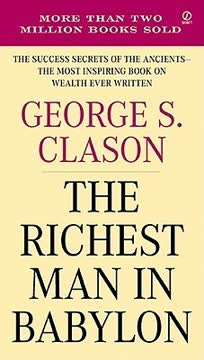
What's "The Richest Man in Babylon" about?
- Overview: "The Richest Man in Babylon" by George S. Clason is a collection of parables set in ancient Babylon that offer timeless financial advice.
- Main Theme: The book emphasizes the importance of financial wisdom and discipline, using stories to illustrate principles of saving, investing, and wealth accumulation.
- Setting: The stories are set in Babylon, known as the wealthiest city of the ancient world, and use its historical context to teach financial lessons.
- Purpose: The book aims to provide readers with practical advice on managing money and achieving financial success through simple, yet effective, principles.
Why should I read "The Richest Man in Babylon"?
- Timeless Financial Advice: The book offers financial principles that are as relevant today as they were in ancient times, making it a valuable read for anyone interested in personal finance.
- Engaging Storytelling: Through engaging parables, the book makes complex financial concepts easy to understand and apply.
- Practical Lessons: It provides actionable advice on saving, investing, and managing money, which can lead to financial independence and security.
- Inspiration and Motivation: The stories inspire readers to take control of their financial future and motivate them to implement the lessons learned.
What are the key takeaways of "The Richest Man in Babylon"?
- Seven Cures for a Lean Purse: These are practical steps for financial success, including saving a portion of your income, controlling expenses, and investing wisely.
- Five Laws of Gold: These laws emphasize the importance of saving, investing, and seeking wise counsel to grow wealth.
- Value of Work and Discipline: The book highlights the importance of hard work, discipline, and perseverance in achieving financial goals.
- Financial Wisdom: It stresses the need for financial education and understanding to make informed decisions about money.
What are the best quotes from "The Richest Man in Babylon" and what do they mean?
- "A part of all you earn is yours to keep." This quote emphasizes the importance of saving a portion of your income as the foundation for building wealth.
- "Gold cometh gladly and in increasing quantity to any man who will put by not less than one-tenth of his earnings." It highlights the principle of saving at least 10% of your income to accumulate wealth over time.
- "The soul of a free man looks at life as a series of problems to be solved and solves them." This quote underscores the mindset of taking responsibility and actively working towards solutions.
- "Better a little caution than a great regret." It advises prudence and careful consideration in financial decisions to avoid future regrets.
What is the "Seven Cures for a Lean Purse" in "The Richest Man in Babylon"?
- Start thy purse to fattening: Save at least 10% of your income to build wealth.
- Control thy expenditures: Live within your means and avoid unnecessary expenses.
- Make thy gold multiply: Invest wisely to grow your savings and generate income.
- Guard thy treasures from loss: Protect your investments by seeking advice from knowledgeable individuals.
- Make of thy dwelling a profitable investment: Own your home to reduce living expenses and build equity.
- Insure a future income: Plan for retirement and ensure financial security in old age.
- Increase thy ability to earn: Continuously improve your skills and knowledge to increase your earning potential.
What are the "Five Laws of Gold" in "The Richest Man in Babylon"?
- First Law: Save at least 10% of your income to create a financial foundation.
- Second Law: Invest your savings wisely to generate returns and grow your wealth.
- Third Law: Seek advice from experienced individuals to protect your investments.
- Fourth Law: Avoid investments in unfamiliar ventures or those not approved by experts.
- Fifth Law: Be wary of schemes promising unrealistic returns and avoid risky investments.
How does "The Richest Man in Babylon" define financial success?
- Accumulation of Wealth: Financial success is defined by the ability to save, invest, and grow wealth over time.
- Financial Independence: Achieving a state where your investments generate enough income to support your lifestyle.
- Wise Money Management: Making informed decisions about spending, saving, and investing to ensure long-term financial security.
- Continuous Learning: Emphasizing the importance of financial education and seeking knowledge to make better financial choices.
What role does work play in "The Richest Man in Babylon"?
- Foundation of Wealth: Work is portrayed as the starting point for accumulating wealth and achieving financial success.
- Value of Hard Work: The book emphasizes the importance of diligence and effort in building a prosperous future.
- Means to an End: Work is seen as a way to earn money, which can then be saved and invested to create financial security.
- Personal Growth: Through work, individuals can develop skills, gain experience, and increase their earning potential.
How does "The Richest Man in Babylon" address debt?
- Avoidance of Debt: The book advises against incurring unnecessary debt and emphasizes living within one's means.
- Repayment Strategy: It suggests a systematic approach to repaying debts by allocating a portion of income to creditors.
- Impact on Financial Health: Debt is portrayed as a hindrance to financial success and a source of stress and limitation.
- Path to Freedom: The book encourages readers to prioritize debt repayment to achieve financial independence and peace of mind.
What is the significance of Babylon in "The Richest Man in Babylon"?
- Symbol of Wealth: Babylon is depicted as the wealthiest city of the ancient world, representing prosperity and financial success.
- Historical Context: The setting provides a backdrop for the timeless financial principles taught in the book.
- Inspiration for Success: The achievements of Babylon's citizens serve as inspiration for readers to pursue their financial goals.
- Lessons from History: The book uses Babylon's history to illustrate the enduring nature of financial wisdom and its relevance today.
How does "The Richest Man in Babylon" use parables to teach financial lessons?
- Engaging Storytelling: The book uses engaging stories to make financial concepts relatable and easy to understand.
- Moral Lessons: Each parable conveys a moral lesson about money management, saving, and investing.
- Practical Application: The stories provide practical examples of how to apply financial principles in everyday life.
- Memorable Characters: The characters in the parables embody different financial behaviors, allowing readers to learn from their successes and mistakes.
What impact has "The Richest Man in Babylon" had on personal finance literature?
- Enduring Popularity: The book has remained a popular and influential work in personal finance literature since its publication in 1926.
- Timeless Principles: Its financial principles are considered timeless and continue to be relevant and applicable today.
- Inspiration for Readers: The book has inspired countless readers to take control of their financial future and implement its lessons.
- Foundation for Financial Education: It is often recommended as a foundational text for those seeking to improve their financial literacy and understanding.