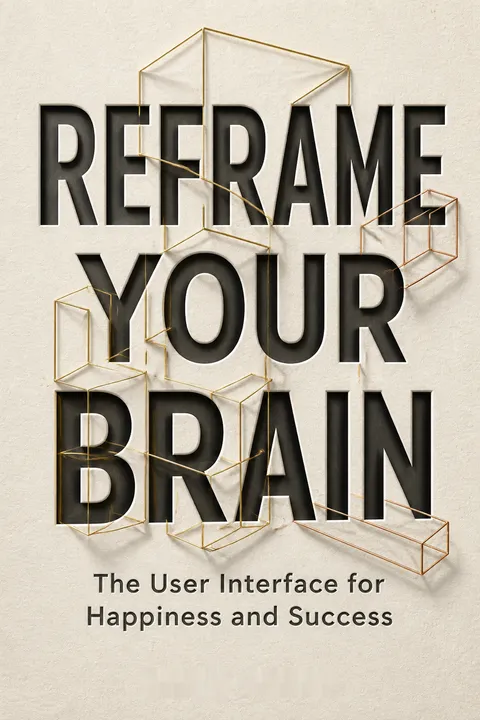

Ideas clave
1. Replantea tu realidad: El poder de la programación mental
Los replanteamientos no tienen que ser verdaderos. Ni siquiera tienen que ser lógicos. Solo necesitan funcionar.
Replantear es un truco mental. Consiste en cambiar tu perspectiva sobre una situación, evento o concepto para modificar tu respuesta emocional y tu comportamiento. Esta técnica no se basa en la verdad ni en la lógica, sino en su eficacia para mejorar tu vida. Los replanteamientos funcionan reprogramando tu cerebro mediante el enfoque, la repetición y, a veces, la emoción.
Ejemplos de replanteamientos poderosos:
- "El alcohol es veneno" (para dejar de beber)
- "Tengo curiosidad por ver qué pasará" (en lugar de preocuparme)
- "El frío me hace más sano y fuerte" (para soportar bajas temperaturas)
Al elegir conscientemente replanteamientos que te empoderen, puedes transformar tus experiencias y resultados en distintos ámbitos de la vida, desde el éxito profesional hasta las relaciones personales y el bienestar mental.
2. Los sistemas superan a las metas: Enfócate en hábitos diarios para triunfar
Los sistemas son mejores que las metas.
Los sistemas generan progreso constante. A diferencia de las metas, que pueden provocar sensación de fracaso hasta ser alcanzadas, los sistemas ofrecen victorias diarias y mejora continua. Un sistema es un proceso repetible que te acerca a los resultados deseados sin la presión de un punto final específico.
Aspectos clave de sistemas efectivos:
- Crean buenas opciones para tu futuro
- Ofrecen flexibilidad ante cambios de circunstancias
- Permiten sentir éxito día a día
- Ejemplos: ejercicio regular, aprendizaje continuo, networking
Al centrarte en sistemas en lugar de metas, te preparas para el éxito a largo plazo y la adaptabilidad en un mundo que cambia rápido.
3. Pilas de talento: Combina habilidades para un valor único
Adquiere habilidades que funcionen bien juntas y te hagan raro y flexible al mismo tiempo.
Las habilidades diversas y complementarias crean oportunidades. En lugar de buscar ser el mejor en una sola habilidad, enfócate en desarrollar una combinación única de capacidades que se potencien mutuamente. Esta "pila de talento" te hace valioso y adaptable en distintas situaciones.
Ejemplos de combinaciones poderosas:
- Experiencia técnica + habilidades comunicativas
- Creatividad + sentido de negocios
- Fluidez en idiomas + conocimiento cultural
Al sumar continuamente a tu pila de talento, amplías tus opciones profesionales y tu resiliencia en un mercado laboral cambiante.
4. Gestiona la energía, no el tiempo: Optimiza tu rendimiento máximo
Si no mides, no gestionas.
Gestionar la energía supera a gestionar el tiempo. Reconoce cuándo tienes el tipo de energía adecuado para ciertas tareas y programa tus actividades en consecuencia. Este enfoque conduce a mayor productividad y mejores resultados que simplemente intentar administrar el tiempo.
Estrategias para gestionar la energía eficazmente:
- Identifica tus horas pico creativas/productivas
- Asocia tareas según tus niveles de energía
- Mide y registra tu desempeño en distintos momentos
- Crea ambientes que favorezcan tu estado energético deseado
Al alinear tus actividades con tus ritmos naturales de energía, lograrás más con menos esfuerzo y mayor satisfacción.
5. Abraza el fracaso: Aprende de los errores y sigue adelante
La creatividad es permitirte cometer errores. El arte es saber cuáles conservar.
El fracaso es un peldaño hacia el éxito. Replantea los errores y retrocesos como valiosas lecciones y oportunidades para crecer. Al aceptar el fracaso, te vuelves más resiliente e innovador frente a los desafíos.
Beneficios de abrazar el fracaso:
- Reduce el miedo a arriesgarse
- Fomenta la experimentación y la creatividad
- Proporciona retroalimentación valiosa para mejorar
- Fortalece la resiliencia y la adaptabilidad
Recuerda que incluso las personas más exitosas han enfrentado numerosos fracasos en su camino. La clave está en aprender de cada experiencia y seguir avanzando.
6. Salud mental: Replantea la ansiedad y los pensamientos negativos
Si estás deprimido, vives en el pasado. Si estás ansioso, vives en el futuro. Pero si estás en paz, estás en el presente.
Gestiona tu estado mental mediante el replanteamiento. Cambiando tu perspectiva sobre la ansiedad, la depresión y otros estados negativos, puedes mejorar significativamente tu bienestar emocional. Enfócate en el momento presente y replantea las situaciones difíciles para reducir el estrés y aumentar la resiliencia.
Replanteamientos efectivos para la salud mental:
- "Tengo curiosidad por ver qué pasará" (en lugar de preocuparme)
- "Esto también pasará" (para dificultades temporales)
- "¿Qué puedo aprender de esto?" (ante los contratiempos)
- "Estoy emocionado" (replanteando los nervios como anticipación positiva)
Practica estos replanteamientos con constancia para crear nuevas vías neuronales y mejorar tu salud mental en general.
7. Dinámicas sociales: Navega las relaciones con perspectivas replanteadas
Todos somos un caso perdido una vez que los conoces bien.
Comprende la complejidad humana para mejorar tus relaciones. Reconoce que todos tienen sus propias luchas, inseguridades y rarezas. Esta perspectiva te ayuda a abordar las interacciones sociales con más empatía, paciencia y comprensión.
Replanteamientos sociales clave:
- "Cada quien está viendo su propia película" (no te juzgan constantemente)
- "Puedo ser la persona más interesante en la sala interesándome en los demás"
- "La crítica suele reflejar al crítico, no a mí"
Al replantear las situaciones sociales, reduces la ansiedad, construyes conexiones más fuertes y manejas mejor las relaciones.
8. Salud física: Replantea la dieta y el ejercicio para un cambio duradero
Los mejores ejercicios son los que estás dispuesto a hacer.
Los hábitos saludables sostenibles superan a la perfección. En lugar de enfocarte en dietas estrictas o rutinas intensas, replantea tu enfoque hacia la salud física para enfatizar la constancia y el disfrute. Esto conduce a cambios de estilo de vida duraderos, no a soluciones temporales.
Replanteamientos efectivos para la salud:
- "Algunos alimentos son combustible, otros son entretenimiento"
- "El ejercicio es una recompensa, no un castigo"
- "No estoy a dieta, estoy cambiando mis hábitos alimenticios"
- "Cada movimiento cuenta" (fomentando esfuerzos pequeños y constantes)
Al replantear tu enfoque hacia la dieta y el ejercicio, crearás un estilo de vida más saludable que se sienta sostenible y placentero, no restrictivo ni punitivo.
9. La hipótesis de la simulación: Un lente poderoso para la vida
Podemos tratar toda la realidad como subjetiva y obtener un buen resultado, como si fuéramos sus autores.
Ver la vida como una simulación puede ser empoderador. Aunque no sea necesariamente cierto, la hipótesis de la simulación ofrece un modelo mental útil para enfrentar los desafíos y oportunidades de la vida. Te invita a cuestionar supuestos, tomar riesgos calculados y creer en tu capacidad para moldear tu realidad.
Beneficios de la mentalidad de simulación:
- Fomenta la resolución creativa de problemas
- Reduce el miedo al fracaso (todo es parte del juego)
- Promueve un sentido de autoría sobre tu vida
- Aumenta la apertura a nuevas posibilidades
Al adoptar esta perspectiva, puedes abordar la vida con mayor curiosidad, flexibilidad y optimismo, lo que puede conducir a soluciones más innovadoras y crecimiento personal.
Resumen de reseñas
Reformula tu mente, de Scott Adams, presenta técnicas para replantear situaciones con el fin de fomentar perspectivas y resultados positivos. Los lectores consideran que el libro es práctico, estimulante y útil para el desarrollo personal. Muchos valoran el humor de Adams y sus ejemplos cercanos a la experiencia cotidiana. Aunque algunos opinan que ciertos replanteamientos resultan más efectivos que otros, la mayoría coincide en que el libro ofrece herramientas valiosas para cambiar percepciones y mejorar la manera en que enfrentamos los desafíos de la vida. Los críticos señalan su carácter de autoayuda y cuestionan la eficacia a largo plazo de algunas técnicas. En conjunto, los lectores lo recomiendan a quienes buscan potenciar su mentalidad y habilidades para resolver problemas.
También leyeron








Preguntas frecuentes
1. What is "Reframe Your Brain" by Scott Adams about?
- Core Concept: The book teaches readers how to use "reframes"—simple shifts in perspective or language—to reprogram their thinking for greater happiness and success.
- Practical Guide: It offers over 160 specific reframes across areas like success, mental health, social life, physical health, and reality.
- User Interface for the Mind: Adams presents the idea that your brain is programmable, and reframes are the user interface for making those changes.
- Accessible Wisdom: The book distills complex psychological and self-improvement concepts into memorable, actionable phrases and stories.
2. Why should I read "Reframe Your Brain" by Scott Adams?
- Immediate Impact: The reframes are designed to be safe, quick to test, and can often produce noticeable changes in attitude or behavior within minutes.
- Broad Applicability: The book covers reframes for common challenges—work, relationships, anxiety, motivation, creativity, and more—making it relevant to almost everyone.
- No Expertise Needed: You don’t need a background in psychology or self-help; the advice is simple, memorable, and easy to apply.
- Empowering Approach: Adams emphasizes that you can author your own experience, moving from a victim mindset to one of agency and control.
3. What are the key takeaways from "Reframe Your Brain" by Scott Adams?
- Reframes Don’t Need to Be True: The effectiveness of a reframe is measured by whether it works for you, not by its objective truth or logic.
- Focus, Repetition, Emotion: These are the three ingredients for rewiring your brain—reframes stick best when they are repeated, focused on, and emotionally charged.
- Systems Over Goals: Building systems and talent stacks is more effective than setting rigid goals, as systems create ongoing success and flexibility.
- You Are the Author: You can choose your operating system (mindset) and actively reprogram your brain for better outcomes.
4. What is a "reframe" according to Scott Adams, and how does it work?
- Definition: A reframe is a new way of looking at a situation, often by changing the language or perspective, to produce a more useful or empowering response.
- Not About Truth: Reframes don’t have to be factually accurate or logical; their value lies in their practical effect on your thoughts and behaviors.
- Examples: "Alcohol is poison" instead of "Alcohol is a beverage," or "I only need to succeed 10% of the time" instead of "I fail at 90% of what I try."
- Mechanism: By repeating a reframe, especially with focus and emotion, you can create new mental habits and neural pathways.
5. How does Scott Adams suggest you can reprogram your brain using reframes?
- Expose Yourself to Reframes: Simply reading or hearing a reframe can start the process; the ones that resonate will stick and repeat in your mind.
- Focus and Repetition: The more you focus on and repeat a reframe, the more it becomes part of your mental operating system.
- Add Emotion: Pairing a reframe with strong emotion (positive or negative) accelerates the rewiring process.
- Test and Iterate: Not every reframe works for everyone; try several and keep the ones that feel effective for you.
6. What are some of the most powerful success reframes in "Reframe Your Brain"?
- Odds of Success: "Maybe I’m bad at estimating the odds" instead of "My odds of success are low," encouraging you to try more things.
- Systems vs. Goals: "Systems are better than goals," focusing on daily habits that create options rather than fixed endpoints.
- Talent Stack: "Acquire skills that work well together and make you rare and flexible at the same time," rather than just being excellent at one thing.
- Manage Energy, Not Time: "Manage your energy" instead of "Manage your time," optimizing for when you’re most effective.
7. How does "Reframe Your Brain" by Scott Adams address mental health and anxiety?
- Reframes for Anxiety: Offers reframes like "I’m curious what will happen" instead of "I worry something will go wrong," and "History doesn’t exist" to break negative thought loops.
- Crowding Out Negativity: Suggests you can’t subtract negative thoughts, but you can crowd them out with positive or engaging activities.
- Control and Acceptance: Encourages focusing on what you can control and accepting outcomes, reducing unnecessary worry.
- Practical Tools: Includes reframes for handling criticism, social anxiety, and even past traumas, emphasizing that your feelings are often a choice.
8. What is the "Talent Stack" concept in "Reframe Your Brain," and why is it important?
- Definition: A talent stack is a unique combination of complementary skills that, together, make you rare and valuable.
- Flexibility Over Specialization: Instead of being the best at one thing, you become highly employable and adaptable by stacking multiple skills.
- Examples: Combining public speaking, writing, and technical skills can open more doors than excelling at just one.
- Career and Life Benefits: Building a talent stack increases your options, resilience, and ability to seize unexpected opportunities.
9. How does Scott Adams use reframes to improve social life and relationships?
- Becoming a Better Version: "Become a better version of yourself" instead of "Be yourself," focusing on growth and self-improvement.
- Handling Criticism and Compliments: Reframes criticism as a "mascot" or a "chemical reaction in someone else’s brain," and encourages giving compliments as almost a moral duty.
- Social Confidence: "Confidence is something you learn," and "Everyone enjoys talking to people who show interest in them," making social interactions less intimidating.
- Dealing with Toxic People: "This person is toxic. I must escape now," rather than trying to outmatch a "strong personality."
10. What are some of the best physical health and habit reframes in "Reframe Your Brain"?
- Food as Fuel or Entertainment: "Some food is fuel. Some food is entertainment," helping you make healthier eating choices.
- Overeating as Knowledge Problem: "Overeating is a knowledge problem," shifting focus from willpower to learning better habits and options.
- Exercise as Habit: "Exercising is easier than not exercising if you turn it into a habit," making fitness sustainable.
- Sleep and Energy: "I didn’t work hard enough" reframes sleep issues as a sign to be more active, not just a sleep problem.
11. How does "Reframe Your Brain" by Scott Adams approach the concept of reality and perception?
- Subjective Reality: Suggests that much of what we experience is subjective, and that we can author our own reality through reframes.
- Simulation Hypothesis: Presents the idea that we might be living in a simulation, and acting as if you can author your reality can be empowering and effective.
- Predictive Value Over Truth: "The best worldview is one that predicts the best," focusing on what works rather than what’s objectively true.
- Two Movies, One Screen: Recognizes that people can see the same events completely differently, reducing frustration in disagreements.
12. What are the most memorable quotes from "Reframe Your Brain" by Scott Adams, and what do they mean?
- "Alcohol is poison." – A simple reframe that helped many readers quit drinking by changing their mental association with alcohol.
- "Reframes don’t need to be true. They don’t even need to be logical. They only need to work." – Emphasizes the practical, results-oriented nature of reframing.
- "You are the author of your experience." – Encourages readers to take control and actively shape their reality.
- "Creativity is allowing yourself to make mistakes. Art is knowing which ones to keep." – A reframe that gives permission to experiment and learn from errors.
- "There are no small acts of kindness." – Reminds readers that even minor positive actions can have lasting, unpredictable effects.
Sobre el autor



Descargar PDF
Descargar EPUB
.epub digital book format is ideal for reading ebooks on phones, tablets, and e-readers.








































