Ideas clave
1. La geografía de Chile: una tierra de extremos y belleza natural
Noche, nieve y arena componen la forma de mi esbelta patria, todo silencio se contiene en su longitud, toda espuma brota de su barba bañada por el mar, todo carbón la llena de besos misteriosos.
Un país de contrastes. Chile se extiende a lo largo de más de 4,300 kilómetros por la costa occidental de Sudamérica, abarcando una diversidad impresionante de paisajes y climas. Desde el árido desierto de Atacama en el norte hasta los helados fiordos de la Patagonia en el sur, la geografía chilena es un testimonio de los extremos que la naturaleza puede ofrecer. Limitado por el Océano Pacífico al oeste y la imponente cordillera de los Andes al este, Chile configura un entorno único y aislado.
Maravillas naturales por doquier. La belleza natural de Chile es sobrecogedora, destacando:
- El desierto más seco del mundo (Atacama)
- Lagos prístinos y volcanes cubiertos de nieve
- Bosques milenarios con árboles de miles de años
- La enigmática Isla de Pascua (Rapa Nui)
- La agreste naturaleza de la Patagonia
Este paisaje diverso ha sido fundamental para moldear la identidad y cultura chilenas, fomentando un vínculo profundo con la tierra y un orgullo genuino por sus maravillas naturales.
2. El carácter chileno: estoico, serio y profundamente arraigado en la tradición
A nosotros, los chilenos, nos encantan los estados de emergencia.
Una psique nacional compleja. Los chilenos son reconocidos por su estoicismo, seriedad y apego a la tradición. Este carácter se forja en la geografía aislada del país, sus frecuentes desastres naturales y su turbulenta historia política. A menudo, los chilenos muestran una visión pesimista, valorando la sobriedad y la preparación por encima del entusiasmo y la espontaneidad.
Rasgos paradójicos. El carácter chileno está lleno de contradicciones:
- Orgullosos de sus tradiciones democráticas, pero aceptan la autoridad
- Formales y reservados, pero cálidos y hospitalarios
- Profundamente religiosos, aunque con un fuerte sentido del fatalismo
- Conservadores en las formas, pero apasionados en sus convicciones
Estos rasgos han permitido a los chilenos sobrellevar numerosas crisis a lo largo de su historia, desde terremotos hasta convulsiones políticas, forjando un carácter nacional resiliente y adaptable.
3. Dinámicas familiares y estructura social en la sociedad chilena
Nosotros, los chilenos, estamos divididos en clanes que comparten un interés o una ideología, cuyos miembros se parecen entre sí, se visten igual, piensan y actúan como clones y, por supuesto, se protegen mutuamente, excluyendo a cualquiera que no pertenezca al grupo.
Lazos familiares fuertes. La sociedad chilena se sostiene sobre la base de familias unidas y redes sociales extendidas. Estas conexiones brindan tanto apoyo como limitaciones, moldeando las identidades individuales y las interacciones sociales. La familia es vista como un núcleo sagrado, donde las obligaciones hacia los parientes suelen primar sobre los deseos o ambiciones personales.
Persistencia de la conciencia de clase. A pesar del progreso económico, la sociedad chilena sigue estratificada:
- Clase alta: tradicionalmente de ascendencia europea, ahora también con nuevas fortunas
- Clase media: en crecimiento, educada y cada vez más influyente
- Clase trabajadora: a menudo de ascendencia indígena mixta, enfrentando desafíos económicos
- Poblaciones indígenas: luchando por reconocimiento y derechos
Esta estructura social, aunque en evolución, continúa influyendo en las oportunidades, relaciones y movilidad social en el Chile contemporáneo.
4. La agitación política: de Salvador Allende a Augusto Pinochet
La aventura socialista terminó trágicamente. La junta militar, presidida por el general Augusto Pinochet, aplicó la doctrina del "capitalismo salvaje", como se ha llamado al experimento neoliberal, pero se negó a reconocer que para funcionar sin tropiezos requiere una fuerza laboral libre para ejercer sus derechos.
Una nación dividida. La elección de Salvador Allende en 1970 marcó un momento crucial en la historia chilena, cuando el país emprendió un experimento socialista que polarizó a la población. El gobierno de Allende, popular entre la clase trabajadora, enfrentó una feroz oposición de sectores conservadores y potencias internacionales, especialmente Estados Unidos.
El golpe y sus consecuencias. El golpe militar de 1973 liderado por el general Augusto Pinochet:
- Puso fin a la larga tradición democrática de Chile
- Impuso una dictadura brutal que duró 17 años
- Implementó políticas económicas neoliberales
- Provocó graves violaciones a los derechos humanos
- Dejó cicatrices profundas en la psique nacional
Este período sigue marcando el discurso político y las dinámicas sociales del país, con debates constantes sobre justicia, reconciliación y el legado de la dictadura.
5. El impacto del exilio y el nacimiento de una escritora
He sentido las punzadas de la nostalgia desde aquella primera noche, y no disminuyeron durante muchos años, hasta que cayó la dictadura y volví a pisar el suelo de mi país.
Partida forzada. El exilio de Isabel Allende de Chile en 1975 significó un punto de inflexión en su vida y carrera. Huyendo de la represión del régimen de Pinochet, se refugió en Venezuela, enfrentando los retos del desplazamiento y la reinvención personal.
La escritura como catarsis. La experiencia del exilio moldeó profundamente la identidad y obra de Allende:
- Alimentó su añoranza por Chile y su familia
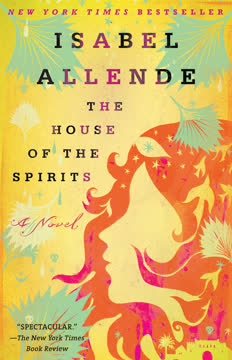
- Fue el impulso emocional para su primera novela, "La casa de los espíritus"
- Le permitió explorar temas de memoria, pérdida y resiliencia
- Le brindó una perspectiva única sobre la cultura e historia chilenas
A través de la escritura, Allende pudo reconectar con sus raíces, preservar sus recuerdos y forjar una nueva identidad como autora, transformando su dolor personal en éxito literario.
6. El poder de la memoria y la nostalgia en la construcción de la identidad
He construido una idea de mi país como se arma un rompecabezas, seleccionando las piezas que encajan con mi diseño e ignorando las demás.
Recuerdo selectivo. La memoria juega un papel crucial en la formación de identidades personales y nacionales. Para los exiliados como Allende, la nostalgia se convierte en una fuerza poderosa que crea una versión idealizada de la patria, a menudo alejada de la realidad.
La interacción entre hecho y ficción. La obra de Allende explora las fronteras difusas entre memoria e imaginación:
- Experiencias personales se entrelazan con narrativas ficticias
- Historias familiares se convierten en relatos épicos
- Eventos históricos se reinterpretan desde una mirada personal
- El acto de escribir se vuelve un modo de preservar y reinventar el pasado
Este proceso de recordar y reimaginar permite a individuos y sociedades dar sentido a sus vivencias y construir relatos significativos sobre su identidad y origen.
7. La transformación de Chile: de la dictadura a la democracia
Hoy Chile no solo exporta más salmón que Alaska, sino que, entre cientos de otros productos no tradicionales, envía patas de rana, plumas de ganso y ajo ahumado.
Milagro económico, desafíos sociales. La transición a la democracia en 1990 vino acompañada de un rápido crecimiento económico y modernización. El país adoptó políticas de libre mercado y globalización, convirtiéndose en una de las naciones más estables y prósperas de América Latina.
Problemas persistentes. A pesar del progreso, Chile sigue enfrentando:
- Desigualdad extrema en los ingresos
- El legado de violaciones a los derechos humanos
- Polarización política
- Preocupaciones ambientales
- Derechos indígenas
La historia de éxito del país se matiza con estos desafíos, reflejando la complejidad de su transformación y el camino que aún queda por recorrer.
8. La lucha constante por la igualdad y la justicia en el Chile moderno
Según el Banco Mundial, Chile es uno de los países con peor distribución del ingreso, junto a Kenia y Zimbabue.
Progreso desigual. Aunque Chile ha avanzado notablemente en desarrollo económico y estabilidad política, persisten profundas desigualdades. El crecimiento acelerado no ha beneficiado por igual a todos los sectores sociales, generando tensiones y demandas de cambio.
Retos actuales. El Chile contemporáneo enfrenta varios problemas urgentes:
- Reducir la enorme brecha entre ricos y pobres
- Reformar el sistema educativo para garantizar igualdad de oportunidades
- Mejorar el acceso y la calidad de la salud
- Proteger los derechos de las comunidades indígenas
- Equilibrar el crecimiento económico con la sostenibilidad ambiental
Estos desafíos han impulsado movimientos sociales y protestas recientes, evidenciando el compromiso permanente del pueblo chileno con la justicia y la igualdad. A medida que el país sigue evolucionando, debe hallar formas de conciliar su éxito económico con la necesidad de mayor equidad e inclusión social.
Resumen de reseñas
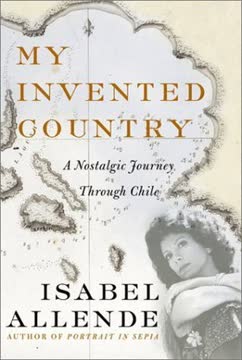
Mi país inventado es una memoria nostálgica que explora la vida de Isabel Allende en Chile y sus vivencias como exiliada. Los lectores valoran el estilo ameno de la autora, su humor y sus reflexiones sinceras sobre la cultura e historia chilenas. El libro ofrece una mirada profunda a la familia de la escritora, al golpe de Estado de 1973 y a su camino para convertirse en escritora. Aunque algunos lo consideran a veces disperso o excesivamente crítico, muchos elogian su honestidad y sus aportes culturales. Esta memoria conecta especialmente con quienes han vivido el exilio o sienten añoranza por su tierra natal.
También leyeron


Preguntas frecuentes
What's "My Invented Country" about?
- Memoir and Nostalgia: "My Invented Country" by Isabel Allende is a memoir that explores the author's reflections on her homeland, Chile, through the lens of nostalgia and memory.
- Cultural Exploration: The book delves into the cultural, social, and political aspects of Chile, offering a personal and historical perspective on the country's evolution.
- Personal Journey: Allende shares her personal journey of exile and immigration, detailing how these experiences have shaped her identity and writing.
- Invented Memories: The narrative weaves between reality and imagination, as Allende acknowledges the fluid nature of memory and how it influences her perception of Chile.
Why should I read "My Invented Country"?
- Insightful Perspective: The book provides a unique insight into Chilean culture and history from the perspective of a renowned author with a deep personal connection to the country.
- Rich Storytelling: Allende's storytelling is engaging and vivid, blending personal anecdotes with historical context to create a compelling narrative.
- Exploration of Identity: Readers interested in themes of identity, belonging, and the immigrant experience will find Allende's reflections thought-provoking and relatable.
- Literary Style: Fans of Allende's fiction will appreciate her lyrical prose and the way she brings her homeland to life through her evocative writing.
What are the key takeaways of "My Invented Country"?
- Nostalgia's Power: Nostalgia can shape our memories and perceptions, creating an "invented" version of our past that may differ from reality.
- Cultural Identity: Allende explores the complexities of cultural identity, particularly for those who have lived in multiple countries and cultures.
- Historical Context: The book provides a historical overview of Chile, including its political upheavals and social changes, offering context for Allende's personal experiences.
- Resilience and Adaptation: Allende's journey highlights the resilience required to adapt to new environments and the importance of maintaining connections to one's roots.
How does Isabel Allende describe her relationship with Chile in "My Invented Country"?
- Complex Relationship: Allende describes a complex relationship with Chile, marked by love, nostalgia, and a sense of alienation due to her long absence.
- Cultural Roots: Despite living abroad for many years, Allende feels a strong connection to Chilean culture and considers it a significant part of her identity.
- Sense of Exile: She often feels like an exile, both in Chile and abroad, as she navigates the changes in her homeland and her own evolving identity.
- Invented Memories: Allende acknowledges that her memories of Chile are partly invented, shaped by nostalgia and the passage of time.
What role does nostalgia play in "My Invented Country"?
- Central Theme: Nostalgia is a central theme in the book, influencing how Allende remembers and interprets her past and her homeland.
- Invented Memories: Allende explores how nostalgia can lead to the creation of "invented" memories that blend reality with imagination.
- Emotional Connection: Nostalgia serves as an emotional connection to Chile, allowing Allende to maintain a bond with her homeland despite physical distance.
- Reflection and Identity: Through nostalgia, Allende reflects on her identity and the impact of her experiences as an immigrant and exile.
How does Isabel Allende address the political history of Chile in "My Invented Country"?
- Historical Overview: Allende provides an overview of Chile's political history, including the rise and fall of Salvador Allende's government and the subsequent military dictatorship.
- Personal Impact: She discusses how these political events affected her family and her own life, leading to her eventual exile.
- Critical Perspective: Allende offers a critical perspective on the political forces that shaped Chile, including the influence of foreign powers like the United States.
- Legacy of Dictatorship: The book examines the lasting impact of the dictatorship on Chilean society and the challenges of reconciling with the past.
What are some of the best quotes from "My Invented Country" and what do they mean?
- "Nostalgia is a powerful feeling; it can drown out reality." This quote highlights the central theme of the book, emphasizing how nostalgia can alter our perception of the past.
- "I have constructed an idea of my country the way you fit together a jigsaw puzzle." Allende reflects on how she has pieced together her memories of Chile, acknowledging the selective nature of memory.
- "I am a writer because I was born with a good ear for stories." This quote underscores Allende's passion for storytelling and the role it plays in her life and identity.
- "My heart isn’t divided, it has merely grown larger." Allende expresses her ability to embrace multiple identities and cultures, finding a sense of belonging in both Chile and her adopted home.
How does Isabel Allende explore the theme of identity in "My Invented Country"?
- Cultural Identity: Allende examines her cultural identity as a Chilean living abroad, exploring how her experiences have shaped her sense of self.
- Exile and Belonging: The book delves into the feelings of exile and belonging, as Allende navigates her connection to Chile and her life in other countries.
- Invented Self: Allende acknowledges the fluid nature of identity, suggesting that it is partly invented and shaped by memory and experience.
- Literary Identity: Her identity as a writer is also explored, highlighting how storytelling allows her to connect with her roots and express her personal journey.
What is the significance of the title "My Invented Country"?
- Invented Memories: The title reflects the idea that Allende's memories of Chile are partly invented, shaped by nostalgia and imagination.
- Personal Interpretation: It suggests that the Chile Allende describes is a personal interpretation, influenced by her experiences and emotions.
- Cultural Exploration: The title underscores the book's exploration of cultural identity and the complexities of belonging to multiple places.
- Literary Creation: It also hints at the creative process of writing, as Allende constructs a narrative that blends reality with fiction.
How does Isabel Allende's writing style in "My Invented Country" enhance the narrative?
- Lyrical Prose: Allende's lyrical prose brings her memories and reflections to life, creating a vivid and engaging narrative.
- Personal Anecdotes: The use of personal anecdotes adds depth and authenticity to the narrative, allowing readers to connect with Allende's experiences.
- Historical Context: Allende skillfully weaves historical context into her storytelling, providing a comprehensive view of Chile's past and present.
- Emotional Resonance: Her writing style evokes strong emotions, capturing the complexities of nostalgia, identity, and belonging.
What challenges does Isabel Allende face as an immigrant, as described in "My Invented Country"?
- Cultural Adaptation: Allende describes the challenges of adapting to a new culture and navigating the differences between her homeland and her adopted country.
- Sense of Exile: She often feels like an exile, struggling with feelings of displacement and longing for her roots.
- Identity Conflict: Allende faces an identity conflict, as she balances her Chilean heritage with her experiences as an immigrant.
- Language Barrier: The language barrier is another challenge, as Allende writes and dreams in Spanish while living in an English-speaking country.
How does "My Invented Country" reflect Isabel Allende's broader body of work?
- Recurring Themes: The book reflects recurring themes in Allende's work, such as identity, memory, and the immigrant experience.
- Storytelling Style: Allende's storytelling style, characterized by lyrical prose and vivid imagery, is consistent with her other works.
- Personal Connection: Like many of her novels, "My Invented Country" is deeply personal, drawing on Allende's own life and experiences.
- Cultural Exploration: The book continues Allende's exploration of cultural and historical themes, offering insight into the complexities of Chilean society.