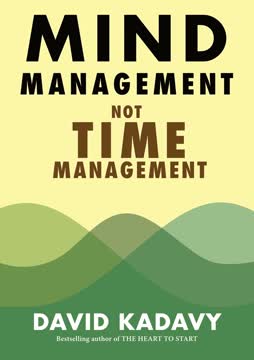
Ideas clave
1. La gestión de la mente supera a la gestión del tiempo en la era creativa
La productividad actual no depende tanto de administrar el tiempo como de gestionar la mente.
Cambio en el paradigma de la productividad. En la era moderna, el pensamiento creativo es la clave para ser productivos. A diferencia de la época industrial, donde la gestión del tiempo era lo más importante, hoy el enfoque debe estar en manejar nuestra energía mental y nuestros estados internos. Este cambio es fundamental porque el trabajo creativo no sigue una ruta lineal de insumo igual a resultado.
Limitaciones de la gestión del tiempo. Las técnicas tradicionales para administrar el tiempo suelen conducir al agotamiento y a rendimientos decrecientes. Intentar exprimir más productividad de cada minuto puede generar ansiedad, olvidos y, en última instancia, una caída en la creatividad. En lugar de eso, debemos concentrarnos en crear las condiciones óptimas para que nuestra mente genere ideas valiosas.
Estrategias para gestionar la mente:
- Reconocer que no todas las horas son iguales
- Identificar tus momentos de mayor creatividad
- Organizar el día según tu energía mental, no solo según el reloj
- Permitir períodos de descanso e incubación
2. Encuentra tu punto dulce creativo para una productividad óptima
Tu punto dulce creativo es el momento y lugar en que haces tu mejor trabajo creativo.
Identifica tus horas de máxima creatividad. Todos tenemos momentos durante el día en que somos naturalmente más creativos. Para muchos, esto ocurre temprano en la mañana, cuando la corteza prefrontal (el “aguafiestas” de la creatividad) aún está adormecida. Experimenta para descubrir tu punto dulce creativo personal.
Optimiza tu entorno. Una vez que sepas cuándo eres más creativo, crea un ambiente que favorezca la concentración y la inspiración. Esto puede incluir:
- Minimizar distracciones
- Tener un espacio de trabajo dedicado
- Usar herramientas que ayuden a mantener el enfoque (como auriculares con cancelación de ruido)
Equilibra el pensamiento divergente y convergente. Tu punto dulce creativo debe permitir tanto la generación libre de ideas (pensamiento divergente) como su refinamiento (pensamiento convergente). Organiza tus sesiones creativas para incluir ambas fases, empezando quizás con una lluvia de ideas y luego pasando a un desarrollo más enfocado.
3. Aprovecha las cuatro etapas de la creatividad: Preparación, Incubación, Iluminación, Verificación
La creatividad va mucho más allá de ejemplos aislados. Los científicos que la estudian la definen como la capacidad de generar algo novedoso y útil.
Comprender el proceso creativo. La creatividad no es magia; sigue un patrón predecible que podemos aprovechar:
- Preparación: Recopilar información y explorar el problema
- Incubación: Permitir que el subconsciente trabaje en el problema
- Iluminación: Vivir el momento “ajá” cuando surge la solución
- Verificación: Probar y perfeccionar la idea
Aplicación práctica. Respeta cada etapa del proceso:
- Dedica tiempo a la investigación y exploración (Preparación)
- Permite pausas y descanso para favorecer la Incubación
- Crea espacio para la Iluminación reduciendo el estrés y las distracciones
- Reserva tiempo para editar y pulir tu trabajo (Verificación)
Abraza la naturaleza no lineal. Ten presente que estas etapas suelen superponerse y repetirse. No te obligues a avanzar de forma lineal; deja que tu proceso creativo fluya naturalmente entre ellas.
4. Aprovecha siete estados mentales para potenciar el trabajo creativo
Los siete estados mentales del trabajo creativo: Priorizar, Explorar, Investigar, Generar, Pulir, Administrar y Recargar.
Reconoce los diferentes estados mentales. Cada tipo de trabajo creativo requiere un estado mental distinto. Al identificar en cuál te encuentras, puedes asignar tareas que se ajusten a tu energía y concentración actuales.
Alinea tareas con estados mentales:
- Priorizar: Planificar y establecer objetivos
- Explorar: Hacer lluvia de ideas y buscar inspiración
- Investigar: Recopilar información específica
- Generar: Crear borradores o prototipos iniciales
- Pulir: Editar y perfeccionar
- Administrar: Gestionar logística y detalles
- Recargar: Descansar y renovar la energía creativa
Optimiza tu entorno. Diseña espacios o rituales que apoyen cada estado mental. Por ejemplo, un lugar tranquilo y sin distracciones para Generar, o un ambiente más social para Explorar.
5. Utiliza ciclos creativos para maximizar energía y resultados
Los ciclos creativos son progresiones repetibles de concentración y relajación.
Reconoce los ritmos naturales. Nuestra energía y creatividad fluctúan a lo largo del día, la semana y el año. Al comprender estos ciclos, podemos sincronizar nuestro trabajo con los picos y valles naturales de productividad.
Implementa rutinas cíclicas:
- Diario: Ajusta las tareas según tus niveles de energía durante el día
- Semanal: Reserva días específicos para distintos tipos de trabajo
- Mensual/Anual: Planifica proyectos creativos mayores y períodos de descanso
Aprovecha la incubación. Incluye pausas deliberadas entre sesiones creativas. Esto permite que el subconsciente trabaje en los problemas, a menudo generando ideas inesperadas.
6. Implementa sistemas creativos para una producción constante
Los sistemas creativos son procesos repetibles que te ayudan a llevar las ideas desde la concepción hasta la ejecución.
Desarrolla procedimientos operativos estándar. Crea pautas flexibles para tu proceso creativo. Estos “Procedimientos Operativos Desordenados” deben ser documentos vivos que evolucionen conforme perfecciones tu método.
Usa la dosis creativa mínima. Divide proyectos grandes en tareas pequeñas y manejables. Esto facilita empezar y mantiene el impulso.
Crea una cascada creativa. Desarrolla un sistema de bandejas para capturar y procesar ideas:
- Captura ideas rápidamente en una bandeja principal (por ejemplo, una libreta de bolsillo)
- Revisa y clasifica regularmente estas ideas en bandejas específicas por proyecto
- Procesa las bandejas de proyectos durante sesiones de trabajo dedicadas
7. Adáptate y crea en el caos: construyendo creatividad antifrágil
Las cosas no salen como planeamos. Ese es el plan.
Abraza la incertidumbre. Reconoce que el caos y la disrupción son inevitables. En lugar de intentar controlar cada aspecto de tu proceso creativo, incorpora flexibilidad en tus sistemas.
Encuentra oportunidades en el caos. Usa los eventos inesperados como combustible para la creatividad. Captura experiencias, emociones y observaciones durante momentos caóticos; a menudo conducen a ideas únicas y trabajos creativos poderosos.
Construye resiliencia en tu práctica creativa:
- Mantén varios proyectos en diferentes etapas
- Desarrolla un conjunto diverso de habilidades creativas
- Crea sistemas de respaldo para capturar y almacenar ideas
- Practica adaptar tus rutinas a distintos entornos y circunstancias
Resumen de reseñas
Gestión de la mente, no del tiempo presenta una perspectiva renovadora sobre la productividad, centrada en el manejo de los estados mentales en lugar del tiempo. Los lectores valoran el enfoque único de Kadavy, sus anécdotas personales y los consejos prácticos para el trabajo creativo. El libro profundiza en conceptos como las Cuatro Etapas de la Creatividad y los Siete Estados Mentales, ofreciendo claves para optimizar la energía creativa. Aunque algunos lo consideran repetitivo o demasiado personal, muchos encuentran en sus estrategias un recurso valioso para potenciar la productividad y la creatividad. En definitiva, esta obra conecta con quienes buscan mejorar su rendimiento creativo y sus procesos laborales.
También leyeron




Preguntas frecuentes
What's "Mind Management, Not Time Management" about?
- Focus on Mind Management: The book emphasizes managing your mind rather than just managing your time to enhance productivity, especially when creativity is crucial.
- Creative Age Shift: It discusses the shift from a time management paradigm to a mind management approach, suitable for the creative age where novel and useful ideas are valued.
- Four Stages of Creativity: The book introduces the Four Stages of Creativity—Preparation, Incubation, Illumination, and Verification—as a framework for understanding and enhancing creative processes.
- Practical Strategies: It provides practical strategies and systems to optimize creative energy, such as finding your Creative Sweet Spot and using Creative Cycles and Systems.
Why should I read "Mind Management, Not Time Management"?
- Enhance Creativity: If you struggle with creative blocks or want to enhance your creative output, this book offers insights and strategies to manage your creative energy effectively.
- Beyond Time Management: It challenges traditional time management techniques, offering a fresh perspective that prioritizes mental states and creative processes.
- Practical Tools: The book provides actionable tools and methods, such as the First Hour Rule and Creative Systems, to help you implement mind management in your daily life.
- Personal Growth: By understanding and applying the concepts, you can achieve personal growth and a more fulfilling creative life.
What are the key takeaways of "Mind Management, Not Time Management"?
- Creative Sweet Spot: Identify the time and conditions where you do your best creative work and build your schedule around it.
- Four Stages of Creativity: Recognize and respect the stages of Preparation, Incubation, Illumination, and Verification in your creative process.
- Seven Mental States: Understand and utilize the Seven Mental States of Creative Work—Prioritize, Explore, Research, Generate, Polish, Administrate, and Recharge.
- Creative Systems and Cycles: Develop repeatable systems and cycles that align with natural rhythms to enhance creative productivity.
How does David Kadavy define the "Creative Sweet Spot"?
- Optimal Time and Place: The Creative Sweet Spot is the time and place where you do your best creative work, characterized by a balance of divergent and convergent thinking.
- Morning Grogginess: For many, this spot is in the morning when the prefrontal cortex is less active, allowing for more insights and creative thinking.
- First Hour Rule: Kadavy suggests using the first hour of your day for your most important creative work to harness this sweet spot.
- Personal Experimentation: Finding your Creative Sweet Spot requires experimenting with different times and environments to see what works best for you.
What are the Four Stages of Creativity according to David Kadavy?
- Preparation: This stage involves gathering information and immersing yourself in the problem, setting the groundwork for creative insights.
- Incubation: During this stage, you step away from the problem, allowing your subconscious to process and form connections.
- Illumination: This is the "aha" moment when a creative insight or solution suddenly becomes clear.
- Verification: The final stage involves refining and evaluating the idea to ensure it is both novel and useful.
What are the Seven Mental States of Creative Work?
- Prioritize: Focus on deciding what needs to be done and in what order, often involving planning and organizing.
- Explore: Engage in open-ended exploration without a specific goal, allowing for curiosity and new ideas to emerge.
- Research: Conduct focused searches for specific information needed to advance your work.
- Generate: Create the actual work, whether it's writing, designing, or any other form of creative output.
- Polish: Refine and perfect the work, focusing on details like grammar, structure, and presentation.
- Administrate: Handle the necessary but non-creative tasks that support your creative work, such as emails and scheduling.
- Recharge: Take time to rest and replenish your energy, ensuring you have the mental resources for future creative work.
How can I implement the First Hour Rule from "Mind Management, Not Time Management"?
- Dedicate First Hour: Spend the first hour of your day working on your most important creative project without distractions.
- Avoid Interruptions: Do not check emails, social media, or engage in any other activities that could interrupt your focus.
- Consistency is Key: Make it a daily habit to ensure you consistently harness your best creative energy.
- Adapt to Your Needs: While the first hour is recommended, adapt the rule to fit your personal schedule and energy levels.
What are Creative Cycles and how do they enhance productivity?
- Rhythmic Patterns: Creative Cycles are repeatable patterns of focus and release that align with natural and cultural rhythms.
- Harness Natural Rhythms: By aligning your work with daily, weekly, or seasonal cycles, you can optimize your creative energy.
- Preparation and Incubation: These cycles incorporate stages of Preparation and Incubation, allowing for more effective Illumination and Verification.
- Perpetual Creativity Machine: When mastered, Creative Cycles help you maintain a steady flow of creative output with less effort.
How do Creative Systems differ from traditional productivity systems?
- Focus on Creativity: Creative Systems are designed to support the unpredictable nature of creative work, unlike rigid traditional systems.
- Minimum Creative Dose: They emphasize taking small, consistent actions to keep projects moving forward and allow for Incubation.
- Sloppy Operating Procedures: These are flexible, evolving processes that adapt to the needs of creative projects.
- Back-Burner Projects: Creative Systems allow you to manage projects with minimal active intervention, freeing up energy for new ideas.
What role do Task Triggers play in managing creative energy?
- Stimulus-Response Mechanism: Task Triggers are stimuli that remind you to perform specific tasks, helping you stay organized.
- Reliable and Context-Specific: Effective triggers are reliable, context-specific, and easy to implement, ensuring tasks are done at the right time.
- Reduce Mental Load: By using Task Triggers, you reduce the mental load of remembering tasks, freeing up energy for creative work.
- Integrate with Inboxes: Task Triggers work with inboxes to ensure ideas and tasks are captured and processed efficiently.
What are some of the best quotes from "Mind Management, Not Time Management" and what do they mean?
- "Things are not difficult to make; what is difficult is putting ourselves in the state of mind to make them." – This quote emphasizes the importance of mind management in the creative process.
- "Time is not prescriptive, time should be descriptive." – Kadavy suggests using time as a guide rather than a constraint, allowing for more effective creative work.
- "The point of time is to use time as a guide to living a fulfilling life." – This quote challenges the traditional view of time management, advocating for a focus on meaningful living.
- "You can’t rush creative work." – It highlights the necessity of respecting the natural pace of creativity, rather than forcing it into rigid schedules.
How can I apply the concepts from "Mind Management, Not Time Management" to my daily life?
- Identify Your Sweet Spot: Experiment with different times and environments to find when and where you are most creative.
- Respect the Four Stages: Allow time for Preparation, Incubation, Illumination, and Verification in your creative projects.
- Use Mental States: Organize your tasks by mental state to match your energy levels and focus throughout the day.
- Build Creative Systems: Develop repeatable processes that align with natural rhythms to enhance your creative productivity.