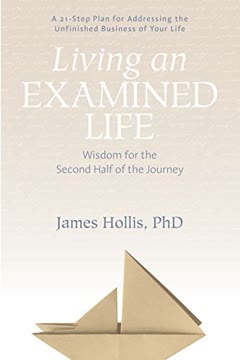
Ideas clave
1. Elige tu camino: El poder de la autoridad personal
"Somos arrojados desde el mar amniótico a esta vida — atados a la materia, a la gravedad, a la mortalidad."
La vida es un viaje de decisiones. Desde el instante en que nacemos, nos enfrentamos a un mundo lleno de elecciones. Aunque en nuestros primeros años nos adaptamos al entorno, la verdadera adultez comienza cuando reconocemos nuestro poder para elegir nuestro propio camino. Este reconocimiento no solo implica tomar decisiones, sino asumir la responsabilidad de nuestra vida y de lo que elegimos.
Recuperar la autoridad personal es fundamental. Significa filtrar el ruido de voces internas —las de nuestros padres, la sociedad y nuestros propios miedos— para encontrar nuestra voz auténtica. Este proceso requiere:
- Valor para enfrentar nuestros temores e inseguridades
- Disposición para cuestionar creencias y valores heredados
- Capacidad para tolerar la incertidumbre y la ambigüedad
- Compromiso con vivir con integridad, incluso cuando resulta incómodo
2. Abraza el crecimiento: Más allá de las adaptaciones infantiles
"Es hora de crecer."
Ser adulto es más que una cuestión de edad. La madurez verdadera implica superar las estrategias adaptativas que desarrollamos en la infancia. Estrategias que, aunque necesarias para sobrevivir entonces, pueden limitarnos ahora. Crecer psicológicamente significa:
- Reconocer y desafiar nuestros viejos patrones
- Asumir la responsabilidad de nuestras emociones y acciones
- Desarrollar la capacidad de tolerar el malestar y la incertidumbre
- Cultivar la empatía y la comprensión hacia los demás y hacia nosotros mismos
El camino hacia la madurez es constante. No es un destino, sino un proceso continuo de reflexión, aprendizaje y crecimiento. Este recorrido suele implicar:
- Enfrentar nuestros miedos e inseguridades
- Soltar creencias y comportamientos obsoletos
- Desarrollar una comprensión más profunda de nosotros mismos y del mundo
- Aceptar la complejidad y la ambigüedad de la vida
3. Enfrenta tu sombra: Ama las partes de ti que parecen inamables
"Otorga amor a las partes de ti que parecen inamables."
Aceptar nuestro ser completo es esencial. La sombra, según Jung, representa esas partes de nosotros que nos cuesta aceptar. Pueden ser nuestros miedos, debilidades o aspectos de la personalidad que contradicen la imagen ideal que tenemos de nosotros mismos. Confrontar e integrar nuestra sombra es vital para la plenitud psicológica y una vida auténtica.
La autoaceptación impulsa el crecimiento. Al reconocer y aceptar incluso nuestras partes menos queridas, logramos:
- Reducir el conflicto interno y el estrés
- Aumentar la conciencia y comprensión de nosotros mismos
- Desarrollar mayor compasión hacia nosotros y los demás
- Liberar energía creativa antes destinada a la represión
- Mejorar nuestras relaciones al ser más auténticos y menos proyectivos
4. Honra tu llamado: Diferencia entre trabajo, deber y vocación
"La vocación es nuestro deber hacia nuestro llamado."
Comprender esta diferencia es vital. Mientras que un trabajo nos da ingresos y el deber cumple obligaciones, la vocación es un llamado profundo que se alinea con nuestro ser auténtico y aporta sentido al mundo. Reconocer y seguir nuestra vocación puede conducir a una vida más plena.
Encontrar y honrar nuestro llamado requiere:
- Reflexión para identificar nuestras pasiones y talentos
- Valentía para perseguir lo que realmente importa, aunque sea difícil
- Disposición a sacrificar comodidad por significado
- Equilibrar nuestro llamado personal con las responsabilidades hacia otros
- Crecimiento y aprendizaje constantes en el camino elegido
5. Cultiva una espiritualidad madura: Acepta el misterio y la responsabilidad personal
"Una espiritualidad madura se encuentra en los cinco puntos siguientes."
La espiritualidad madura trasciende el dogma. Implica una relación personal y en evolución con el misterio de la existencia. Sus aspectos clave son:
- Asumir responsabilidad personal sobre creencias y prácticas espirituales
- Apertura a experiencias numinosas
- Aceptar el misterio y la incertidumbre
- Disposición a crecer y evolucionar
- Evaluar las creencias según su impacto en el crecimiento personal y las relaciones
Este enfoque fomenta:
- Mayor autenticidad en la vida espiritual
- Incremento de la tolerancia hacia la ambigüedad y la diversidad
- Compromiso profundo con los misterios de la vida
- Crecimiento personal y espiritual continuo
- Una espiritualidad más práctica y arraigada que enriquece la vida diaria
6. Toma permiso: Sé quien realmente eres
"El permiso no es algo que se recibe de otros, a menos que se haya tenido padres muy reflexivos y liberados que puedan afirmar tal camino de vida para su hijo y modelarlo ellos mismos."
La autenticidad exige permiso propio. Muchos crecimos reprimiendo nuestro verdadero ser para encajar o complacer. Recuperar nuestra autenticidad implica:
- Reconocer y desafiar las restricciones internalizadas
- Darnos permiso para explorar y expresar nuestra verdadera naturaleza
- Superar el miedo al juicio o la desaprobación
- Cultivar la confianza en uno mismo y la autoridad interior
El camino hacia la autenticidad transforma. Puede conducir a:
- Mayor autoconciencia y autoaceptación
- Relaciones más genuinas y profundas
- Incremento de la creatividad y la realización personal
- Un sentido más fuerte de propósito y dirección en la vida
7. Busca significado más que felicidad: Encuentra propósito en los desafíos
"Elige el significado sobre la felicidad."
El significado ofrece una satisfacción más profunda. Mientras que la felicidad es una emoción pasajera, el significado da propósito y dirección a nuestra vida. Buscar significado implica:
- Enfrentar los desafíos en lugar de evitarlos
- Contribuir a algo más grande que uno mismo
- Desarrollar coherencia en la historia de nuestra vida
- Encontrar valor tanto en experiencias positivas como negativas
Perseguir el significado conduce a:
- Mayor resiliencia ante la adversidad
- Un propósito que trasciende los placeres momentáneos
- Conexiones más profundas con otros y con el mundo
- Una vida rica y valiosa, incluso en tiempos difíciles
8. Exorciza los fantasmas: Libérate del pasado
"Todos vivimos en casas encantadas y dormimos en la cama deshecha de la memoria."
El pasado puede mantenernos cautivos. Nuestras experiencias tempranas, traumas y conductas aprendidas pueden seguir influyéndonos mucho después de haber cumplido su función. Liberarnos de estos "fantasmas" implica:
- Reconocer patrones y comportamientos arraigados en el pasado
- Entender que ya no nos sirven
- Elegir conscientemente nuevas formas de pensar y actuar
- Cultivar la autocompasión mientras navegamos el cambio
La liberación del pasado permite:
- Mayor flexibilidad para responder al presente
- Relaciones mejoradas, libres de viejos patrones
- Capacidad aumentada para vivir el momento
- Expresión auténtica y crecimiento personal
9. Libera a tus hijos: Aligera la carga de vidas no vividas
"La observación de Jung de que la mayor carga que el niño debe soportar es la vida no vivida del padre es escalofriante, pues pone toda la responsabilidad del crecimiento en mí."
Los padres deben vivir plenamente su propia vida. Los hijos a menudo cargan con los sueños no cumplidos, miedos y expectativas de sus padres. Para liberar a nuestros hijos, debemos:
- Buscar nuestro propio crecimiento y realización
- Reconocer y respetar a los hijos como individuos separados
- Fomentar su expresión auténtica y camino único
- Modelar amor propio saludable y establecer límites claros
Los beneficios de liberar a nuestros hijos incluyen:
- Relaciones padre-hijo más fuertes y auténticas
- Niños empoderados para perseguir sus propios sueños
- Reducción de la transmisión intergeneracional de traumas y potencial no realizado
- Una cultura familiar que apoya el crecimiento individual y la autenticidad
Resumen de reseñas
Vivir una vida examinada ha recibido en su mayoría críticas positivas, elogiada por su orientación profunda sobre el crecimiento personal y la autorreflexión. Los lectores valoran la sabiduría de Hollis y su estilo claro de escritura, encontrando el libro útil para enfrentar los desafíos de la vida. Muchos planean releerlo en distintas etapas de su existencia. Algunos señalan cierta repetitividad y un lenguaje académico, mientras que otros lo consideran demasiado crítico con la religión organizada. La obra se percibe como estimulante para el pensamiento, pero exigente, requiriendo una lectura atenta y reflexiva en lugar de una lectura superficial.
También leyeron
Preguntas frecuentes
What's "Living an Examined Life" about?
- Purpose and Growth: "Living an Examined Life" by James Hollis is about encouraging readers to live a life of introspection and personal growth. It emphasizes the importance of self-examination to find purpose and meaning.
- Challenges and Choices: The book discusses the challenges individuals face in their personal journeys and the choices they must make to live authentically.
- Guidance for the Second Half of Life: It provides wisdom and guidance specifically for those in the second half of their lives, helping them navigate the complexities of aging and self-discovery.
- Practical Advice: Hollis offers practical advice through 21 chapters, each focusing on a different aspect of personal development and self-awareness.
Why should I read "Living an Examined Life"?
- Self-Discovery: The book is a valuable resource for anyone seeking to understand themselves better and live a more meaningful life.
- Practical Wisdom: It offers practical wisdom and insights that can be applied to everyday life, making it relevant for readers at any stage of their personal journey.
- Encouragement to Grow: Hollis encourages readers to confront their fears, let go of the past, and embrace personal growth, which can lead to a more fulfilling life.
- Expert Guidance: As a Jungian analyst, Hollis provides expert guidance on navigating the complexities of the human psyche and finding one's true path.
What are the key takeaways of "Living an Examined Life"?
- Personal Authority: One of the key takeaways is the importance of recovering personal authority and taking responsibility for one's life choices.
- Facing Fears: The book emphasizes the need to confront and overcome fears that hold us back from living authentically.
- Meaning Over Happiness: Hollis suggests choosing meaning over happiness, as a meaningful life is more fulfilling and sustainable.
- Continuous Growth: The book encourages continuous personal growth and self-examination as essential components of a well-lived life.
How does James Hollis define "The Choice Is Yours"?
- Personal Responsibility: Hollis emphasizes that individuals have the power to choose how they live their lives, despite external influences and past conditioning.
- Conscious Living: He advocates for living consciously and making deliberate choices that align with one's true self and values.
- Overcoming Conditioning: The chapter discusses overcoming societal and familial conditioning to make choices that are truly one's own.
- Empowerment: By recognizing that the choice is theirs, readers are empowered to take control of their lives and pursue their authentic paths.
What does "It's Time to Grow Up" mean in the context of the book?
- Maturity and Accountability: Hollis calls for readers to embrace maturity and take accountability for their actions and life choices.
- Facing Reality: The chapter encourages facing the realities of life, including its challenges and responsibilities, rather than avoiding them.
- Personal Development: Growing up is seen as a continuous process of personal development and self-improvement.
- Letting Go of Childish Patterns: It involves letting go of childish patterns and behaviors that no longer serve one's growth and well-being.
How does "Living an Examined Life" address "Letting Go of the Old"?
- Releasing Past Patterns: Hollis discusses the importance of releasing old patterns and beliefs that hinder personal growth and development.
- Embracing Change: The chapter encourages embracing change and uncertainty as opportunities for growth rather than clinging to the familiar.
- Overcoming Repetition Compulsion: It addresses the psychological tendency to repeat past behaviors and experiences, even when they are harmful.
- Freedom from the Past: Letting go of the old is about freeing oneself from the constraints of the past to live a more authentic and fulfilling life.
What is "Recover Personal Authority" about in "Living an Examined Life"?
- Self-Empowerment: This chapter focuses on reclaiming one's personal power and authority over their life choices and direction.
- Insight, Courage, Endurance: Hollis emphasizes the need for insight, courage, and endurance to live authentically and resist external pressures.
- Sorting Internal Voices: It involves sorting through internal voices and influences to identify which ones truly belong to the individual.
- Living Authentically: Recovering personal authority is about living authentically and making choices that align with one's true self.
What does "Choose Meaning over Happiness" mean in the book?
- Sustainable Fulfillment: Hollis argues that meaning provides a more sustainable and fulfilling life than the pursuit of transient happiness.
- Depth Over Superficiality: The chapter encourages seeking depth and purpose in life rather than superficial pleasures and distractions.
- Alignment with Values: Choosing meaning involves aligning one's life with personal values and what truly matters to the individual.
- Enduring Satisfaction: A meaningful life leads to enduring satisfaction and a sense of purpose, even in the face of challenges.
How does "Living an Examined Life" suggest "Exorcising the Ghosts of the Past"?
- Confronting Past Influences: Hollis advises confronting and understanding past influences that continue to affect present behavior and choices.
- Breaking Free from Patterns: The chapter focuses on breaking free from self-destructive patterns and the hold of past experiences.
- Healing and Growth: Exorcising the ghosts of the past is about healing and allowing for personal growth and transformation.
- Living in the Present: It encourages living in the present and making conscious choices that are not dictated by past conditioning.
What is the significance of "Seize Permission to Be Who You Really Are"?
- Self-Acceptance: Hollis emphasizes the importance of self-acceptance and granting oneself permission to live authentically.
- Overcoming External Expectations: The chapter discusses overcoming external expectations and societal pressures to conform.
- Embracing True Self: It encourages embracing one's true self and living in alignment with personal values and desires.
- Empowerment and Freedom: Seizing permission to be who you are leads to empowerment and the freedom to live a fulfilling life.
What are the best quotes from "Living an Examined Life" and what do they mean?
- "The choice is yours." This quote emphasizes personal responsibility and the power individuals have to shape their own lives.
- "Choose meaning over happiness." It highlights the importance of seeking a meaningful life rather than chasing fleeting happiness.
- "Recover personal authority." This quote encourages reclaiming one's power and making choices that align with one's true self.
- "Seize permission to be who you really are." It underscores the need for self-acceptance and living authentically, free from external pressures.
How does "Living an Examined Life" guide readers to "Live the Examined Life"?
- Continuous Self-Reflection: Hollis encourages continuous self-reflection and examination of one's life choices and direction.
- Living the Questions: The book advocates for living the questions rather than seeking definitive answers, as this leads to growth and discovery.
- Embracing Uncertainty: It involves embracing uncertainty and ambiguity as part of the journey toward self-discovery and fulfillment.
- Personal Growth: Living the examined life is about personal growth, understanding oneself better, and living a life of purpose and meaning.
Sobre el autor
Otros libros de James Hollis