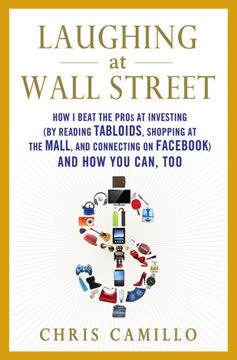
Ideas clave
1. Tus habilidades de observación son tu mayor activo como inversor
¡Obsérvalo, créelo!
Las observaciones cotidianas importan. Como inversor, tu mayor fortaleza es la capacidad de observar e interpretar el mundo que te rodea. Presta atención a nuevos productos, cambios en el comportamiento del consumidor y tendencias emergentes en tu día a día. Estas observaciones pueden revelar valiosas oportunidades de inversión antes de que se vuelvan conocidas para todos.
Confía en tus propios ojos. No descartes tus experiencias y observaciones personales solo porque no seas un experto financiero. Los analistas de Wall Street a menudo pasan por alto tendencias importantes porque se concentran demasiado en estados financieros y reportes sectoriales. Tu perspectiva directa como consumidor y miembro de la sociedad te otorga una ventaja única.
Cultiva la curiosidad. Entrénate para preguntarte constantemente: “¿Podría esta observación impactar significativamente las ventas o ganancias de una empresa?” Esta mentalidad te ayudará a detectar oportunidades de inversión en lugares inesperados. Recuerda, las grandes inversiones suelen surgir al notar pequeños cambios que otros ignoran.
2. Los desequilibrios de información crean oportunidades de inversión lucrativas
Nadie sabe nada.
Aprovecha las brechas de conocimiento. Las oportunidades más rentables surgen cuando posees información o perspectivas que el mercado en general aún no reconoce. Este “arbitraje de información” te permite comprar activos infravalorados antes de que su verdadero valor sea ampliamente entendido.
Busca tendencias ocultas. Enfócate en identificar tendencias emergentes, innovaciones de producto o cambios en el comportamiento del consumidor que todavía no se reflejan en el precio de las acciones. Estos desequilibrios informativos suelen existir en áreas que el análisis tradicional de Wall Street pasa por alto.
Actúa según tus hallazgos. Cuando descubras información valiosa a través de tus observaciones e investigaciones, ten el valor de actuar. La ventana para aprovechar estos desequilibrios suele ser breve, por lo que la acción oportuna es fundamental.
3. Usa tu red personal para descubrir información que marque la diferencia
¡Tú también tienes gente!
Tu red es una mina de oro informativa. Amigos, familiares, colegas e incluso conocidos casuales pueden ofrecer perspectivas valiosas sobre distintas industrias y tendencias de consumo. Interactúa activamente con tu red para recopilar puntos de vista diversos e ideas de inversión.
Amplía tu alcance en línea. Aprovecha las redes sociales, foros y comunidades de inversores para expandir tu red de información. Estas conexiones virtuales te brindan acceso a conocimientos y observaciones de todo el mundo.
Colabora y comparte. Participa en comunidades de inversores para compartir tus propias ideas y aprender de otros. Este modelo de “coopetencia” te permite aprovechar la inteligencia colectiva y descubrir oportunidades que podrías haber pasado por alto.
4. Realiza una diligencia debida exhaustiva para validar tus hipótesis de inversión
No se requiere conocimiento financiero previo.
Desarrolla hipótesis comprobables. Cuando detectes una posible oportunidad, formula hipótesis claras y testables sobre cómo podría afectar el desempeño de una empresa. Este enfoque científico enfoca tu investigación y análisis.
Investiga como un detective. Usa métodos creativos para recopilar información y poner a prueba tus hipótesis. Esto puede incluir visitar tiendas, entrevistar empleados o clientes, analizar el sentimiento en redes sociales o revisar publicaciones especializadas.
Busca evidencia que contradiga tu tesis. Actívamente intenta encontrar información que pueda refutar tu hipótesis de inversión. Esto ayuda a contrarrestar el sesgo de confirmación y asegura que tu análisis sea riguroso y objetivo.
5. Los sesgos de Wall Street crean oportunidades para los externos
Superando a los más brillantes de Wall Street
Reconoce los puntos ciegos institucionales. Wall Street suele pasar por alto o malinterpretar tendencias en demografías que no representan bien, como la cultura juvenil, productos para mujeres o mercados rurales. Estas áreas pueden ser terreno fértil para inversores externos que buscan activos mal valorados.
Desafía el pensamiento consensuado. Cuando tu investigación y observaciones contradigan la narrativa predominante de Wall Street sobre una empresa o tendencia, es posible que hayas descubierto un valioso desequilibrio informativo. No temas ir contra la corriente si tu análisis lo respalda.
Aprovecha la lentitud de las instituciones. Las grandes instituciones financieras suelen tardar en reconocer y actuar sobre tendencias emergentes. Esto crea una ventana de oportunidad para inversores individuales que pueden moverse con mayor rapidez ante nueva información.
6. Usa opciones sobre acciones para amplificar rendimientos en ideas de alta convicción
¡Finge hasta que lo logres!
Entiende el apalancamiento. Las opciones sobre acciones te permiten controlar un gran número de acciones con una inversión relativamente pequeña. Esto amplifica tus posibles ganancias si tu tesis de inversión resulta correcta.
Ajusta la estrategia a tu convicción. Usa opciones de forma estratégica según tu nivel de confianza en una idea. Las opciones “deep in-the-money” ofrecen exposición apalancada con menor riesgo, mientras que las “out-of-the-money” brindan mayor potencial de ganancia pero con más riesgo.
Gestiona el riesgo con cuidado. Las opciones conllevan el riesgo de perder toda tu inversión si tu tesis no se cumple en el plazo del contrato. Úsalas solo para tus ideas de mayor convicción y nunca arriesgues más de lo que puedas permitirte perder.
7. Construye una cuenta “Big Money” financiada con ingresos discrecionales
Cambiando una vida de mediocridad financiera por prosperidad
Crea un fondo de inversión dedicado. Establece una cuenta separada “Big Money” exclusivamente para perseguir oportunidades de arbitraje de información con alto potencial. Esta contabilidad mental ayuda a separar inversiones especulativas de ahorros esenciales.
Financia con “dinero encontrado”. Usa el concepto del “multiplicador 100x” para motivarte a encontrar fondos adicionales para invertir. Pequeños ahorros o ingresos extra pueden convertirse en capital significativo para inversión.
Abraza riesgos calculados. El propósito de tu cuenta Big Money es buscar rendimientos extraordinarios. Está dispuesto a asumir riesgos inteligentes con este capital, sabiendo que está separado de los fondos necesarios para gastos esenciales y seguridad financiera a largo plazo.
8. Vende cuando tu tesis se vuelva ampliamente aceptada
Si está roto, arréglalo.
Monitorea la paridad informativa. Reevalúa continuamente si el mercado ha alcanzado tu tesis original. Cuando tu visión contraria se convierta en consenso, puede ser momento de vender.
Usa un indicador de consenso. Desarrolla un método sistemático para medir cuándo tu tesis ha sido aceptada masivamente. Esto ayuda a eliminar la emoción en la decisión de venta.
Estate dispuesto a tomar ganancias. No permitas que la avaricia te impida vender cuando tu tesis se haya cumplido. Capturar ganancias te permite reinvertir en nuevas oportunidades con desequilibrios informativos frescos.
9. La paciencia y la convicción son clave para el éxito en el arbitraje de información
Aprende a tomar grandes riesgos. Aprende a sobrevivir grandes fracasos. Pero, sobre todo, aprende a ganar en grande en la vida—para poder devolver aún más.
Cultiva la paciencia. Las oportunidades de arbitraje de información no aparecen en un calendario fijo. Prepárate para esperar a que surjan las oportunidades adecuadas y para que tus tesis se desarrollen.
Desarrolla convicción inquebrantable. Una vez que hayas realizado una investigación y diligencia debida exhaustivas, ten el coraje de mantener tus convicciones incluso cuando el mercado no esté de acuerdo. Los verdaderos desequilibrios informativos suelen enfrentar escepticismo antes de demostrarse correctos.
Aprende de éxitos y fracasos. Usa tanto las inversiones exitosas como las fallidas como oportunidades de aprendizaje. Analiza qué salió bien o mal para perfeccionar tus habilidades de observación y análisis en futuras oportunidades.
Resumen de reseñas
Riendo en Wall Street recibió críticas variadas, con una calificación promedio de 3.72 sobre 5. Muchos lectores consideraron que el libro era perspicaz y accesible, valorando el enfoque de Camillo hacia la inversión basado en observaciones cotidianas y tendencias actuales. Algunos elogiaron su explicación sobre el arbitraje de información y el comercio de opciones. Sin embargo, ciertos críticos opinaron que el contenido resultaba demasiado básico o carecía de detalles específicos. En general, el libro se recomendó para principiantes interesados en invertir en el mercado bursátil, aunque los inversores con experiencia podrían encontrarlo menos provechoso.
También leyeron





Preguntas frecuentes
What's "Laughing at Wall Street" about?
- Author's Journey: "Laughing at Wall Street" by Chris Camillo is about how the author, an amateur investor, managed to outperform professional investors using unconventional methods.
- Unique Approach: Camillo shares his strategy of using everyday observations, such as trends seen in tabloids, shopping malls, and social media, to make successful investment decisions.
- Investment Success: The book details how Camillo grew his investment portfolio from $83,752 to $2,388,311 over a few years, emphasizing that anyone can achieve similar success without traditional financial expertise.
- Empowerment: It aims to empower readers to become self-directed investors by leveraging their unique insights and observations from daily life.
Why should I read "Laughing at Wall Street"?
- Practical Insights: The book offers practical insights into investing that don't require a financial background, making it accessible to a wide audience.
- Proven Success: Camillo's personal success story serves as a testament to the effectiveness of his methods, providing a real-world example of how unconventional strategies can yield significant returns.
- Empowerment: It encourages readers to trust their instincts and observations, empowering them to take control of their financial futures.
- Engaging Narrative: The book is written in an engaging and relatable style, making complex investment concepts easy to understand and apply.
What are the key takeaways of "Laughing at Wall Street"?
- Observation is Key: Camillo emphasizes the importance of observing everyday trends and behaviors as a basis for investment decisions.
- Information Arbitrage: The concept of information arbitrage is central, where investors capitalize on information imbalances before they become widely known.
- Leverage Networks: The book highlights the value of leveraging personal and social networks to gather insights and validate investment hypotheses.
- Risk and Reward: It encourages taking calculated risks with money you can afford to lose, using tools like stock options to maximize potential returns.
How does Chris Camillo suggest using everyday observations for investing?
- Investor's Glasses: Camillo advises wearing "investor's glasses" to view the world with heightened awareness, spotting trends and opportunities others might miss.
- Real-World Examples: He provides examples like noticing long lines at a store or a new product gaining popularity, which can indicate potential investment opportunities.
- Hypothesis Testing: Once an observation is made, he suggests forming hypotheses and conducting due diligence to determine if it's a viable investment opportunity.
- Information Imbalance: The goal is to identify information imbalances where you know something that Wall Street doesn't yet recognize.
What is "information arbitrage" according to Chris Camillo?
- Definition: Information arbitrage involves exploiting the time gap between when information is first observed and when it becomes widely accepted by the market.
- Investment Strategy: Camillo uses this strategy to buy stocks based on early observations of trends before they are reflected in stock prices.
- Market Advantage: It provides a market advantage by allowing investors to act on insights before they become common knowledge.
- Exit Strategy: The strategy includes selling investments once the information reaches parity and is widely recognized by the market.
How does Chris Camillo recommend leveraging social networks for investing?
- Virtual Network: Camillo suggests using social networks like Facebook and investor message boards to expand your reach and gather diverse insights.
- Crowdsourcing Information: By engaging with a wide network, investors can crowdsource information and validate their observations with others.
- Real-Time Feedback: Social networks provide real-time feedback and can help identify emerging trends quickly.
- Community Support: Engaging with online communities can also provide support and additional perspectives, enhancing the decision-making process.
What role do stock options play in Chris Camillo's investment strategy?
- Leverage Tool: Stock options are used as a tool to leverage investments, allowing for greater potential returns with a smaller initial investment.
- Risk Management: They provide a way to manage risk, as the maximum loss is limited to the cost of the option.
- Super-Sizing Returns: Options can "super-size" returns by amplifying the impact of stock price movements on the investment.
- Strategic Use: Camillo advises using options strategically, focusing on "in the money" options to balance risk and reward.
What are some of the best quotes from "Laughing at Wall Street" and what do they mean?
- "People may doubt what you say, but they will believe what you do." This quote emphasizes the importance of actions over words, particularly in investing where results speak louder than predictions.
- "Learn to take big risks. Learn to survive big failures. But most importantly, learn how to win big in life—so you can give back even bigger." It highlights the necessity of risk-taking and resilience in achieving significant success.
- "The very best time to buy a company’s stock is when you think you know something about that company that others don’t." This encapsulates the essence of information arbitrage and the advantage of acting on unique insights.
- "Chance favors the prepared mind." This suggests that being observant and prepared increases the likelihood of recognizing and capitalizing on opportunities.
How does Chris Camillo address the fear of investing?
- Risk Tolerance: Camillo acknowledges the fear of losing money but encourages viewing investments as opportunities rather than risks.
- OPM Concept: He introduces the concept of using Other People’s Money (OPM) to fund investments, reducing personal financial risk.
- Calculated Risks: The book advocates for taking calculated risks with money you can afford to lose, emphasizing the potential for high rewards.
- Empowerment Through Knowledge: By equipping readers with knowledge and strategies, Camillo aims to empower them to overcome fear and take control of their financial futures.
What is the significance of the "100× money multiplier" in the book?
- Concept Explanation: The 100× money multiplier is a mental tool to motivate saving and investing by viewing every dollar saved as having the potential to grow 100 times through smart investments.
- Behavioral Change: It encourages behavioral change by making the potential future value of money more tangible and motivating.
- Investment Funding: This concept helps identify and accumulate funds for the Big Money account, which is used for high-risk, high-reward investments.
- Mindset Shift: It shifts the mindset from seeing small savings as insignificant to viewing them as seeds for substantial future wealth.
How does Chris Camillo suggest dealing with investment failures?
- Learning Opportunity: Camillo views failures as learning opportunities, essential for developing investment acumen and resilience.
- Risk Management: He emphasizes the importance of managing risk by investing only what you can afford to lose, minimizing the impact of failures.
- Adaptability: The book encourages adaptability and learning from mistakes to refine strategies and improve future investment decisions.
- Focus on Success: By focusing on the potential for success and the lessons learned from failures, investors can maintain motivation and continue pursuing their financial goals.
What are some real-life success stories shared in "Laughing at Wall Street"?
- Chris Stone's Story: Stone invested in Getty Images after observing its growth in the stock photography market, leading to significant returns.
- Laurent Lucas's Insight: Lucas invested in Intuitive Surgical after recognizing the potential of computerized surgery, resulting in a $3 million return.
- Charles Edward's Disney Investment: Edward invested in Disney based on its ability to make people happy, yielding a thirtyfold return over twenty years.
- DNDN Pirates: A group of investors, the DNDN Pirates, successfully invested in Dendreon by leveraging online communities and independent research, achieving substantial gains.








































