Ideas clave
1. Domina las Primeras Impresiones con un Lenguaje Corporal Poderoso
"Antes incluso de que tus labios se separen y escape la primera sílaba, la esencia de QUIÉN ERES ya ha penetrado en sus mentes."
La Comunicación No Verbal Predomina. Tu cuerpo habla con fuerza antes de que pronuncies una sola palabra. Las primeras impresiones se forman en segundos, principalmente a través de tu presentación física y movimientos. Las personas exitosas saben que la manera en que te conduces comunica más que el lenguaje verbal.
Estrategias Clave de Lenguaje Corporal:
- Mantén una postura segura
- Usa movimientos deliberados y controlados
- Establece contacto visual directo
- Sonríe de forma auténtica y selectiva
- Mantente erguido y proyecta confianza
El Poder de las Señales Sutiles. Cada gesto, desde tu forma de caminar hasta tu sonrisa, transmite información compleja sobre tu personalidad, confianza y estatus social. Las personas descifran estas señales de manera subconsciente, formando juicios instantáneos sobre tu competencia y carácter.
2. Desarrolla Habilidades Seguras para la Conversación Casual
"La conversación ligera no trata de hechos o palabras. Es música, melodía. La conversación ligera busca que las personas se sientan cómodas."
El Arte de la Armonía Conversacional. Una charla efectiva no consiste en impresionar con conocimientos, sino en crear interacciones sociales cómodas. Se trata de sintonizar con la energía del otro, mostrar interés genuino y hacer que se sienta valorado.
Técnicas para una Conversación Casual Exitosa:
- Adecúa tu estado de ánimo y energía al del interlocutor
- Haz preguntas abiertas
- Escucha activamente y con empatía
- Usa el nombre de la otra persona
- Encuentra rápidamente puntos en común
La Conversación como Conexión. La charla ligera funciona como lubricante social, ayudando a establecer un vínculo inicial y comodidad. El objetivo es crear un ambiente positivo y relajado donde surja una comunicación genuina.
3. Habla Como un VIP
"El ochenta y cinco por ciento del éxito en la vida depende directamente de las habilidades comunicativas."
La Comunicación como Impulsora Profesional. Comunicar excepcionalmente no es solo hablar con claridad, sino entender matices psicológicos, leer señales sociales y presentarte con confianza y autenticidad.
Estrategias de Comunicación VIP:
- Usa un lenguaje preciso y significativo
- Evita clichés
- Habla con propósito e intención
- Adapta tu estilo comunicativo a la audiencia
- Proyecta confianza a través del vocabulario
El Lenguaje como Herramienta Estratégica. Tus palabras no son solo vehículos de información, sino instrumentos poderosos para construir relaciones, influir en percepciones y crear oportunidades.
4. Conviértete en un Experto en Cualquier Conversación
"Los grandes ganadores hablan jerga especializada como segunda lengua."
Adaptabilidad Lingüística. El éxito en ámbitos sociales y profesionales requiere la capacidad de entender y hablar rápidamente el “idioma” de distintos grupos, ya sean profesionales, aficionados o culturales.
Métodos para Comunicarse como un Insider:
- Aprende la terminología específica del sector
- Formula preguntas inteligentes y propias de expertos
- Investiga información de fondo
- Muestra curiosidad genuina
- Escucha más de lo que hablas
El Conocimiento como Moneda Social. Al demostrar comprensión de lenguajes e intereses especializados, señalas respeto, inteligencia y potencial valor como contacto.
5. Crea Conexión y Empatía Instantáneas
"Nos sentimos más cómodos dando nuestro negocio y amistad a quienes creemos comparten nuestros valores y creencias."
La Psicología de la Conexión. Construir empatía rápida implica encontrar y resaltar similitudes, usar técnicas de reflejo y generar una sensación de experiencia compartida.
Técnicas para Construir Rapport:
- Repite el lenguaje de la otra persona
- Adecúa su lenguaje corporal
- Muestra interés genuino
- Usa su nombre
- Crea “historia instantánea” mediante momentos compartidos
La Similitud como Mecanismo de Unión. Instintivamente, las personas se sienten más cómodas con quienes parecen similares a ellas, por lo que destacar semejanzas estratégicamente es una herramienta comunicativa poderosa.
6. Usa Técnicas Estratégicas para Elogiar
"El elogio hábil es otra historia. Bien hecho, impulsa la relación de inmediato."
La Ciencia del Elogio Significativo. Los cumplidos efectivos van más allá de la adulación superficial; requieren autenticidad, especificidad y un momento oportuno.
Estrategias para Elogiar:
- Sé específico y genuino
- Elogia el carácter, no solo la apariencia
- Usa elogios “tras bambalinas”
- Elige bien el momento para elogiar
- Enfócate en la perspectiva del receptor
El Elogio como Constructor de Relaciones. Los cumplidos bien ejecutados pueden transformar vínculos, crear conexiones emocionales y demostrar inteligencia emocional.
7. Domina la Comunicación Telefónica
"Cientos de personas han formado impresiones de ti a través de ese pequeño dispositivo... todo lo que saben de ti llegó por diminutos filamentos."
Maestría en la Comunicación Vocal. Las interacciones telefónicas requieren comunicación intencional, enfatizando el tono de voz, la energía y la escucha estratégica.
Técnicas para la Comunicación Telefónica:
- Usa un tono vocal enérgico y atractivo
- Escucha activamente
- Muestra interés genuino
- Administra el tiempo de las conversaciones
- Controla las primeras impresiones a través de la voz
La Tecnología como Plataforma Comunicativa. La comunicación moderna exige habilidades matizadas para transmitir personalidad e intención mediante medios tecnológicos.
8. Maneja Situaciones Sociales Como un Político
"Los políticos calculan cuidadosamente cada movimiento en los eventos sociales."
Redes Sociales Estratégicas. La interacción social exitosa implica planificación deliberada, networking dirigido y comprensión de dinámicas sociales no expresadas.
Estrategias de Networking Político:
- Investiga a los asistentes antes del evento
- Define objetivos claros para el networking
- Domina el lenguaje corporal
- Haz seguimientos sistemáticos
- Crea conexiones significativas
Los Eventos Sociales como Plataformas de Oportunidad. Cada reunión social representa una puerta potencial hacia el avance personal y profesional cuando se aborda con estrategia.
Resumen de reseñas
Cómo hablar con cualquiera recibió críticas encontradas, ya que muchos lectores lo consideraron anticuado y manipulador. Los críticos señalaron que el libro se centra más en trucos que en una conexión genuina, y algunos consejos resultaron inapropiados o condescendientes. Sin embargo, algunos lectores hallaron útiles recomendaciones para mejorar las habilidades sociales, especialmente para quienes carecen de confianza. A pesar de ello, la mayoría opinó que el tono y los ejemplos estaban desfasados, y la narración del audiolibro fue ampliamente cuestionada. En conjunto, los reseñadores sugirieron buscar alternativas más actuales para perfeccionar la comunicación.
Preguntas frecuentes
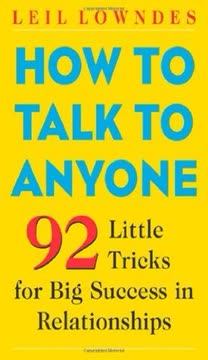
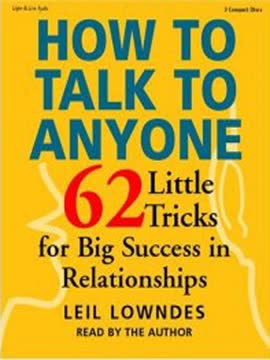
What's How to Talk to Anyone about?
- Focus on Communication Skills: The book by Leil Lowndes emphasizes practical techniques for improving interpersonal communication and building relationships.
- 92 Specific Techniques: It provides 92 specific tricks to enhance your ability to connect with others in various social and professional settings.
- Building Rapport: Lowndes discusses the importance of creating rapport and making others feel comfortable, which is essential for effective communication.
- Cultural Sensitivity: The book highlights the significance of understanding cultural differences in communication, ensuring that readers can navigate social interactions across diverse backgrounds.
Why should I read How to Talk to Anyone?
- Enhance Social Skills: If you struggle with small talk or feel anxious in social situations, this book provides practical strategies to boost your confidence.
- Achieve Success: The book argues that strong communication skills are crucial for success, stating, "85 percent of one's success in life is directly due to communications skills."
- Engaging and Accessible: Lowndes writes in a relatable and engaging style, making the techniques easy to understand and apply.
- Boosts Confidence: By learning these techniques, readers can feel more confident in their ability to engage with others, whether in casual conversations or formal networking events.
What are the key takeaways of How to Talk to Anyone?
- First Impressions Matter: The book highlights that "you only have ten seconds to show you’re a somebody," emphasizing the importance of body language and initial interactions.
- 92 Techniques: The book is structured around 92 specific techniques that readers can use to improve their communication skills.
- Emotional Intelligence: Lowndes emphasizes the importance of emotional intelligence in communication, encouraging readers to be aware of their own emotions and those of others.
- Active Listening: A recurring theme is the value of active listening, which involves fully engaging with the speaker and responding appropriately.
What are the best quotes from How to Talk to Anyone and what do they mean?
- "Your body shrieks before your lips can speak": This quote underscores the importance of non-verbal communication, suggesting that body language often conveys more than words.
- "People don’t care how much you know until they know how much you care": This emphasizes the need for genuine interest in others to build rapport and trust.
- "Call a spade a spade": This encourages honesty and directness in communication, avoiding euphemisms that can dilute the message.
- "People are most receptive to those they feel have the same values in life.": This quote underscores the importance of finding common ground in conversations.
What is the Flooding Smile technique in How to Talk to Anyone?
- Delayed Smile: The Flooding Smile technique involves pausing before smiling at someone, allowing your expression to develop more naturally and appear more genuine.
- Personal Connection: By taking a moment to look at the other person before smiling, you create a sense of personal connection, making the smile feel special and directed at them.
- Impactful First Impression: This technique is designed to enhance first impressions, as a well-timed smile can significantly influence how others perceive you.
How can I use How to Talk to Anyone in professional settings?
- Networking Skills: The book provides techniques for effective networking, such as "The Big-Baby Pivot," which encourages you to give your full attention to new acquaintances.
- Handling Awkward Situations: Techniques like "The Broken Record" help you gracefully navigate uncomfortable questions or situations without losing your composure.
- Tailored Conversations: The Nutshell Résumé technique allows you to customize your responses based on your audience, making your interactions more relevant and engaging.
What is the Big-Baby Pivot technique?
- Full Attention: The Big-Baby Pivot involves turning your body fully towards the person you are speaking with, signaling that they are important and worthy of your attention.
- Warmth and Openness: This technique helps create a welcoming atmosphere, making the other person feel valued and encouraging them to open up in conversation.
- Building Rapport: By using this technique, you can establish a stronger connection and rapport with others, which is essential for effective communication.
How does How to Talk to Anyone address small talk?
- Overcoming Small Talk Anxiety: The book provides strategies to make small talk easier and more enjoyable, helping readers feel more comfortable in social situations.
- Engaging Questions: Techniques like "Never the Naked City" encourage you to provide engaging responses that invite further conversation rather than simple, one-word answers.
- Creating Connections: By mastering small talk, you can build connections that may lead to deeper conversations and relationships.
How does How to Talk to Anyone address cultural differences in communication?
- Research Cultural Customs: The book advises readers to familiarize themselves with the customs and etiquette of different cultures before engaging in conversation.
- Adapt Communication Styles: Lowndes emphasizes the need to adjust your communication style based on cultural norms.
- Avoid Assumptions: The book encourages readers to avoid making assumptions about others based on their own cultural experiences.
What is the significance of body language in How to Talk to Anyone?
- Nonverbal Communication: Body language plays a crucial role in how messages are conveyed and received.
- Creating Comfort: Open body language, such as uncrossed arms and a relaxed posture, invites others to engage.
- Reading Signals: The book teaches readers to be aware of their own body language and that of others.
How can I apply the Comm-YOU-nication technique in my conversations?
- Focus on the Listener: By starting sentences with "you," you shift the focus from yourself to the other person, making them feel valued and engaged.
- Enhance Connection: This technique fosters a stronger connection, as it shows that you are genuinely interested in the other person's thoughts and feelings.
- Positive Responses: Using Comm-YOU-nication can lead to more positive interactions, as it encourages the listener to feel appreciated and understood.
How does How to Talk to Anyone suggest handling difficult conversations?
- Stay Calm and Composed: Approach difficult conversations with a calm demeanor. This sets a positive tone and encourages open dialogue.
- Use Empathy: Acknowledge the other person's feelings and perspectives. This can help de-escalate tension and foster understanding.
- Focus on Solutions: Rather than dwelling on the problem, steer the conversation toward finding solutions.
Sobre el autor
Otros libros de Leil Lowndes