Ideas clave
1. Infancia en la Albania comunista: un mundo de contradicciones y verdades ocultas
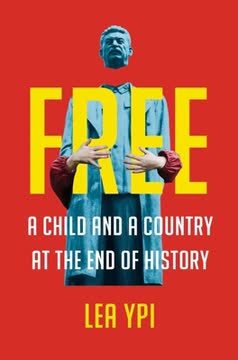
"Nunca me pregunté por el significado de la libertad hasta el día en que abracé a Stalin."
Una sociedad controlada. En la Albania comunista, la vida estaba estrictamente regulada por el Partido. Desde pequeños, los niños eran adoctrinados con ideales socialistas, participando en actividades de los Pioneros y aprendiendo a venerar figuras como el Tío Enver (Enver Hoxha, líder del país). El sistema educativo enfatizaba la lealtad al Estado y el rechazo de los valores capitalistas.
Realidades ocultas. A pesar de la aparente unidad e igualdad, existían tensiones y secretos subyacentes:
- Las familias debían cuidar lo que decían y hacían, incluso en privado
- La "biografía" (el origen familiar) jugaba un papel crucial para determinar las oportunidades y el estatus social
- Las influencias occidentales estaban estrictamente controladas, aunque muchos las anhelaban
2. La caída del comunismo: ilusiones rotas y libertades recién descubiertas
"Cuando finalmente llegó la libertad, fue como un plato servido congelado. Masticamos poco, tragamos rápido y seguimos con hambre."
Transformación rápida. El colapso del régimen comunista en 1990-1991 trajo cambios súbitos y dramáticos:
- Se celebraron elecciones multipartidistas por primera vez
- El control estatal sobre la economía y la sociedad se relajó
- La gente accedió a información y bienes antes prohibidos
Desorientación e incertidumbre. La transición no fue sencilla:
- Muchas personas lucharon por adaptarse al nuevo sistema
- Las creencias y hábitos antiguos chocaban con las nuevas realidades
- La promesa de libertad y prosperidad a menudo quedó lejos de las expectativas
3. Secretos familiares revelados: navegando un pasado complejo y un futuro incierto
"Supe la verdad cuando ya no era peligroso, pero también cuando tenía la edad suficiente para preguntarme por qué mi familia me había mentido tanto tiempo."
Descubriendo el pasado. Con el cambio político, muchas familias sacaron a la luz verdades largamente ocultas sobre su historia:
- La familia de la autora había sido perseguida bajo el comunismo por su "mala biografía"
- Su abuelo estuvo preso durante 15 años
- Su bisabuelo fue un ex primer ministro, considerado enemigo del Estado
Reconciliando identidades. Este conocimiento trajo desafíos:
- La autora tuvo que reevaluar su comprensión de su familia y de sí misma
- Pasar de ser una "buena Pionera" a miembro de una familia antes perseguida fue difícil
- Las preguntas sobre la confianza y la identidad se volvieron centrales en su madurez
4. Los desafíos de la transición: crisis económica y convulsión social
"Todos quieren irse."
Dificultades económicas. El cambio de una economía planificada a un sistema de mercado trajo grandes problemas:
- Muchas empresas estatales cerraron, generando alto desempleo
- Escasez de bienes y servicios era común
- La inflación erosionó los ahorros y el poder adquisitivo de la gente
Cambios sociales. La transición afectó todos los ámbitos de la sociedad:
- Emigración masiva, con personas buscando mejores oportunidades en el extranjero
- Auge del crimen organizado y la corrupción
- Ruptura de las estructuras sociales tradicionales y sistemas de apoyo
5. Madurar en un mundo cambiante: crecimiento personal en medio de la transformación política
"No me sentía libre en absoluto. Me sentía especialmente limitada en invierno."
Navegando la adolescencia. Los años de juventud de la autora coincidieron con la turbulenta transición de Albania:
- Luchó con problemas típicos de la adolescencia mientras enfrentaba normas sociales que cambiaban rápidamente
- Las expectativas familiares chocaban con su deseo de independencia y autodescubrimiento
- Participó en diversas actividades, desde el voluntariado hasta el activismo político, buscando sentido y propósito
Brecha generacional. La generación de la autora enfrentó retos únicos:
- Tuvieron que tender un puente entre su educación comunista y la nueva realidad capitalista
- A menudo tenían valores y aspiraciones diferentes a los de sus padres
- Debieron forjar su propio camino en una sociedad que aún se estaba definiendo
6. Los esquemas piramidales: los sueños y la caída de una nación
"Ahorra e invierte, para que el dinero crezca."
Promesas falsas. A mediados de los años 90, los esquemas piramidales se extendieron en Albania:
- Prometían altos rendimientos, atrayendo a una población ansiosa por riqueza rápida
- Muchas personas, incluida la familia de la autora, invirtieron sus ahorros en estos esquemas
- A menudo contaban con el apoyo o la aprobación tácita de funcionarios gubernamentales
Colapso inevitable. Los esquemas eran insostenibles:
- A principios de 1997, los más grandes comenzaron a fracasar
- La gente perdió sus ahorros de toda la vida de la noche a la mañana
- El colapso desató una ola de ira y protestas contra el gobierno
7. 1997: disturbios civiles y el colapso del orden
"¿Cómo se escribe sobre una guerra civil?"
Caída en el caos. El fracaso de los esquemas piramidales provocó la ruptura del orden:
- Las protestas se tornaron violentas, con ataques a edificios gubernamentales y comisarías
- Se saquearon depósitos de armas, poniendo fusiles en manos de civiles
- El gobierno perdió el control de grandes zonas del país
Impacto personal. La autora vivió de cerca los disturbios:
- Las escuelas cerraron y la vida normal se interrumpió
- Temía por su seguridad y la de su familia
- Los acontecimientos la obligaron a enfrentar la fragilidad de las estructuras sociales y políticas
Los disturbios civiles de 1997 marcaron un punto de inflexión en la transición de Albania, evidenciando los retos de construir una democracia estable y una economía de mercado. Dejaron cicatrices profundas en la psique nacional y moldearon la comprensión de la libertad, la democracia y la responsabilidad social en la generación de la autora.
Resumen de reseñas
Libre: La mayoría de edad al final de la historia es una memoria fascinante de Lea Ypi, que narra su infancia en la Albania comunista y la transición del país hacia el capitalismo. Los lectores valoran la representación matizada que Ypi hace de la vida bajo distintos sistemas políticos, su profunda exploración del concepto de libertad y su habilidad para entrelazar anécdotas personales con el contexto histórico. El libro es reconocido por sus agudos comentarios sobre las ideologías políticas, su estilo narrativo ingenioso y sus reflexiones que invitan a la reflexión sobre el cambio social. Muchos críticos consideran esta memoria tanto educativa como emotivamente cautivadora, ofreciendo una perspectiva única sobre un período poco conocido de la historia europea.
Preguntas frecuentes
What's Free: A Child and a Country at the End of History about?
- Personal Narrative: The memoir by Lea Ypi recounts her childhood in Albania during the transition from communism to democracy, focusing on her personal experiences and family struggles.
- Historical Context: It provides a backdrop of Albania's political landscape, including the fall of communism and the civil unrest of the 1990s, highlighting the impact of these events on personal lives.
- Themes of Freedom: The book explores the concept of freedom, both personal and political, and how it is perceived across generations during a time of societal change.
Why should I read Free: A Child and a Country at the End of History?
- Unique Perspective: Offers a rare insight into the life of a child in a post-communist society, making it valuable for those interested in Eastern European history.
- Exploration of Identity: Examines identity formation amid political upheaval, resonating with themes of belonging and cultural heritage.
- Engaging Writing Style: Ypi's narrative blends personal stories with political commentary, using humor and tragedy to create a compelling read.
What are the key takeaways of Free: A Child and a Country at the End of History?
- Understanding Freedom: Emphasizes that freedom involves making choices and pursuing aspirations, illustrating its liberating and burdensome aspects.
- Impact of History: Highlights how historical events shape individual destinies, showing the interconnectedness of personal and political narratives.
- Cultural Reflections: Reflects on Albania's cultural shifts from communism to capitalism, critiquing the notion of 'the rest of Europe.'
How does Lea Ypi explore the concept of freedom in Free: A Child and a Country at the End of History?
- Childhood Innocence: Begins with a naive understanding of freedom, evolving as she encounters political change.
- Philosophical Inquiry: Questions what true freedom means in a society transitioning from dictatorship to democracy.
- Personal Experience: Uses her experiences, such as protests and family history, to illustrate freedom's multifaceted nature.
How does Free: A Child and a Country at the End of History address the concept of identity?
- Cultural Heritage: Explores her Albanian identity, reflecting on how family history and politics shape her sense of self.
- Generational Differences: Highlights differing perspectives on identity between Ypi and her parents, influenced by historical experiences.
- Personal vs. Political: Shows how political turmoil impacts personal identity, emphasizing its evolving nature with experiences.
What role does family play in Free: A Child and a Country at the End of History?
- Source of Identity: Family history is central to Ypi's understanding of her identity, grappling with relatives' legacies and beliefs.
- Support System: Provides love and guidance amid chaos, illustrating the importance of familial bonds during difficult times.
- Conflict and Resolution: Addresses conflicts within the family regarding political beliefs, highlighting complexities in family dynamics.
How does Free: A Child and a Country at the End of History depict the transition from communism to democracy?
- Personal Experiences: Shares personal experiences during Albania's transition, capturing the confusion and uncertainty of political shifts.
- Societal Changes: Details societal changes, including economic struggles and new political parties, critiquing democracy's promises.
- Hope and Disillusionment: Conveys hope for a better future, tempered by disillusionment, portraying the transition as complex.
What are the significant historical events mentioned in Free: A Child and a Country at the End of History?
- Fall of Communism: Discusses the broader context of communist regimes' fall in Eastern Europe, focusing on Albania's government collapse.
- Protests and Unrest: Recounts experiences during protests, capturing the atmosphere of uncertainty and hope during political change.
- Personal Milestones: Key moments in Ypi’s life serve as markers of historical changes, illustrating their impact on her personal journey.
What are the best quotes from Free: A Child and a Country at the End of History and what do they mean?
- “Human beings do not make history of their own free will. But they make history nevertheless.”: Highlights the paradox of human agency in history, suggesting individuals contribute to history despite lacking control.
- “Philosophers have only interpreted the world; the point is to change it.”: Reflects the tension between theory and practice, emphasizing action against injustice.
- “Everyone wants to leave.”: Captures the desperation felt during Albania's transition, speaking to the universal desire for a better life.
How does Ypi depict the impact of the civil war in Free: A Child and a Country at the End of History?
- Disruption of Lives: The civil war causes significant disruptions, resulting in loss, trauma, and uncertainty for Ypi's family and community.
- Shifts in Relationships: Strains relationships as individuals grapple with differing beliefs, highlighting loyalty and betrayal complexities.
- Resilience and Hope: Despite challenges, Ypi's family demonstrates resilience and hope, showcasing the strength of familial bonds.
How does Free: A Child and a Country at the End of History reflect on the concept of civil society?
- Emergence of NGOs: Discusses the rise of NGOs in Albania, highlighting their role in promoting social change and addressing issues.
- Community Engagement: Emphasizes community engagement and activism's importance in fostering a vibrant civil society.
- Critique of Power Structures: Critiques power structures undermining civil society, advocating for genuine participation and representation.
How does Ypi use childhood experiences to convey complex political ideas in Free: A Child and a Country at the End of History?
- Innocent Perspective: Approaches complex political ideas with wonder and confusion, making them relatable to readers.
- Symbolic Encounters: Interactions with figures like Stalin serve as symbolic representations of authority and rebellion.
- Emotional Resonance: Grounds political discussions in personal experiences, evoking emotional responses to deepen understanding.








































