Handlungszusammenfassung
Das Spukhaus ruft die Vergangenheit
Harlow fühlt sich unwiderstehlich zum Spukhaus in der Sycamore Street 12 hingezogen – einem Ort, der von der Tragödie um den Tod ihres Bruders Noah durchdrungen ist. Das Haus, ein Symbol ihrer ungelösten Schuld, zwingt sie, sich den Erinnerungen an den Unfall zu stellen, der ihr den Arm kostete und das Leben ihres Bruders forderte. Beim Betreten spürt sie die bedrückende Atmosphäre, die ihren inneren Aufruhr widerspiegelt, und wird mit den Geistern ihrer Vergangenheit konfrontiert – sowohl im wörtlichen als auch im übertragenen Sinn. Diese Rückkehr ist nicht nur eine physische Reise, sondern eine Konfrontation mit dem Schmerz und der Schuld, die sie seit Noahs Tod verfolgen.
Geheimnisse lüften sich im Schatten
Im Inneren des Spukhauses trifft Harlow auf die Geister von Jack, Silas und Caden, Freunden ihres verstorbenen Bruders. Sie enthüllen die Wahrheit über ihren Tod, der mit einem Versprechen verbunden ist, das sie Noah gegeben hatten, um Harlow zu schützen. Die Erkenntnis, dass ihre unbedachten Worte zu ihrem Tod und zu Noahs Mord führten, erschüttert sie zutiefst. Die Geister, gefangen durch ihr Gelübde, sind an das Haus gebunden, bis sie ihr Versprechen erfüllen. Harlows Schuld wird durch das Wissen verstärkt, dass ihre Handlungen unabsichtlich die Tragödie verursachten, und zwingt sie, sich den Konsequenzen ihrer Vergangenheit zu stellen.
Geisterhafte Offenbarungen und Reue
Im Verlauf der Nacht entfaltet sich ein komplexes Spiel aus Verlangen und Bedauern zwischen Harlow und den Geistern. Jack, der Gefühle für Harlow hegte, ringt mit seiner Liebe und dem Verrat, der zu seinem Tod führte. Silas, getrieben von Wut, sucht nach Vergeltung an Harlow, während Caden zwischen seiner Liebe zu Silas und seinen eigenen Sehnsüchten hin- und hergerissen ist. Die Nacht wird zu einem kathartischen Ausbruch von Emotionen, in dem jeder Geist mit seinen unerledigten Angelegenheiten kämpft. Harlow, überwältigt von den Enthüllungen, schwankt zwischen Schuldgefühlen und dem unerwarteten Trost, den sie in ihrer Gegenwart findet.
Verlangen und Verzweiflung verschmelzen
Die Nacht verwandelt sich in ein Wechselspiel aus Lust und Schmerz, während die Geister und Harlow die Grenzen ihrer Begierden ausloten. Harlow, auf der Suche nach Sühne, ergibt sich ihren Launen und findet Trost im Schmerz, den sie ihr zufügen. Die Geister, getrieben von ihren eigenen Bedürfnissen, treiben Harlow an ihre Grenzen und verwischen die Linie zwischen Strafe und Vergnügen. Während sie ihren dunkelsten Fantasien nachgehen, wird das Haus zur Bühne für ihren emotionalen und körperlichen Ausbruch. Harlows Hingabe wird zur Form der Buße, indem sie Erlösung durch jene Handlungen sucht, die sie einst im Blick der Stadt definierten.
Versprechen, gebunden durch den Tod
Gegen Ende der Nacht offenbaren die Geister ihren Plan, den Fluch zu lösen, der sie an das Haus bindet. Jack schlägt vor, dass Harlow sich ihnen im Tod anschließt, um alle gemeinsam frei zu sein. Der Plan, voller Unsicherheiten, hängt von Harlows Bereitschaft ab, sich selbst zu opfern. Die Geister, zerrissen zwischen dem Wunsch nach Freiheit und ihrer wachsenden Bindung an Harlow, stehen vor einer schweren Entscheidung. Harlow, hin- und hergerissen zwischen Schuldgefühlen und der Aussicht auf ewige Gemeinschaft, muss entscheiden, ob sie bereit ist, ihnen im Jenseits zu folgen.
Sühne durch Schmerz und Lust
Getrieben von dem Bedürfnis, für ihre Vergangenheit zu büßen, stimmt Harlow dem Plan der Geister zu. Die Nacht wird zum letzten Akt der Katharsis, in dem Harlow Schmerz und Lust annimmt, die sie ihr bieten. Die Geister, jeder auf der Suche nach Abschluss, finden Trost in Harlows Hingabe. Mit dem Anbruch der Morgendämmerung verschwimmen die Grenzen zwischen Leben und Tod, und Harlows Entscheidung wird klar. Ihre Bereitschaft, sich ihnen im Tod anzuschließen, schenkt den Geistern die Chance auf Freiheit, zwingt sie aber auch, sich ihren eigenen Sehnsüchten und Reuegefühlen zu stellen.
Die letzte Abrechnung naht
Mit dem Tagesanbruch stehen die Geister und Harlow am Abgrund einer neuen Existenz. Der Plan, ein Spiel mit ihren Seelen, bietet die Chance auf Freiheit, birgt aber auch das Risiko ewiger Verdammnis. Harlow, die bei den Geistern ein Gefühl der Zugehörigkeit gefunden hat, ist bereit, dem Kommenden entgegenzutreten. Die Geister, die ihr Versprechen erfüllt haben, sind frei, weiterzuziehen, doch die Bande, die im Tod geknüpft wurden, bleiben bestehen. Die letzten Momente sind geprägt von Hoffnung und Ungewissheit, während sie gemeinsam ins Unbekannte schreiten, vereint durch ihre gemeinsame Vergangenheit.
Ein Vorschlag und ein Versprechen
Silas, Jack und Caden unterbreiten einen Plan, um den Fluch zu brechen, der sie an das Spukhaus bindet. Harlow, gefangen von ihrer Vergangenheit und der Bedrohung in ihrem gegenwärtigen Leben, erklärt sich bereit, sich ihnen im Tod anzuschließen. Der Plan ist voller Unsicherheiten und hängt von Harlows Bereitschaft zum Selbstopfer ab. Die Geister, zerrissen zwischen dem Wunsch nach Freiheit und ihrer wachsenden Zuneigung zu Harlow, stehen vor einer schwierigen Wahl. Harlow, die mit ihrer Schuld und der Aussicht auf ewige Gemeinschaft ringt, muss entscheiden, ob sie bereit ist, ihnen im Jenseits zu folgen.
Verzweifelte Bitten und verborgene Sehnsüchte
Im Verlauf der Nacht teilen Silas und Caden einen Moment der Verletzlichkeit und des Verlangens. Silas, sonst abweisend gegenüber Zärtlichkeiten, lässt sich auf Caden ein und offenbart seine Angst, ihn zu verlieren. Ihre Intimität steht im starken Kontrast zur Gewalt und Wut, die sonst ihr Dasein prägen. Dieser zärtliche Augenblick unterstreicht die tiefe Verbindung zwischen ihnen, während sie mit der Angst vor der Zukunft ringen. Ihre Beziehung erinnert daran, dass trotz ihres geisterhaften Zustands noch Menschlichkeit in ihnen lebt.
Der letzte Akt der Erlösung
Mit dem Anbruch der Morgendämmerung nimmt Harlow Rache an ihren Vergewaltigern – unterstützt von den Geistern. Sie stellt sich Michael, ihrem Ex-Freund, und besiegt ihn, wodurch sie ihre Kraft und Selbstbestimmung zurückerlangt. Die Geister, beeindruckt von ihrer Stärke und Entschlossenheit, sind inspiriert, sich ebenfalls an den Männern zu rächen, die ihnen Unrecht taten. Dieser Akt der Gewalt ist für Harlow kathartisch, da sie endlich den Dämonen ihrer Vergangenheit gegenübertritt. Die Geister, die ihr Versprechen erfüllt haben, sind vom Fluch befreit, der sie an das Haus band.
Ein neuer Morgen, ein neues Leben
Mit dem ersten Licht des Tages stehen die Geister und Harlow am Beginn einer neuen Existenz. Der Plan, ein Wagnis mit ihren Seelen, bietet die Chance auf Freiheit, birgt jedoch auch das Risiko ewiger Verdammnis. Harlow, die bei den Geistern ein Gefühl der Zugehörigkeit gefunden hat, ist bereit, dem Kommenden entgegenzutreten. Die Geister, die ihr Versprechen erfüllt haben, sind frei, weiterzuziehen, doch die im Tod geknüpften Bande bleiben bestehen. Die letzten Momente sind geprägt von Hoffnung und Ungewissheit, während sie gemeinsam ins Unbekannte schreiten, vereint durch ihre gemeinsame Vergangenheit.
Gebunden durch Liebe und Lust
Mit dem gebrochenen Fluch beginnen Harlow und die Geister ein neues Leben, frei von den Lasten der Vergangenheit. Sie finden Trost in der Gegenwart des anderen, verbunden durch Liebe und Verlangen. Die Geister, nun wiedergeboren, nehmen ihre neue Existenz an und finden Freude an den einfachen Freuden des Lebens. Harlow, die ihre Kraft zurückgewonnen hat, wird nicht länger von den Geistern ihrer Vergangenheit heimgesucht. Gemeinsam schlagen sie einen neuen Weg ein, vereint durch ihre gemeinsamen Erfahrungen und das Versprechen einer Zukunft voller Liebe und Erlösung.
Charaktere
Harlow
Harlow ist eine junge Frau, belastet von der Schuld am Tod ihres Bruders Noah und den Traumata ihrer Vergangenheit. Ihre Reise ist eine der Selbstfindung und Ermächtigung, während sie sich den Geistern ihrer Vergangenheit stellt und ihre Kraft zurückerobert. Harlows Bereitschaft, sich für die Freiheit der Geister zu opfern, zeigt ihre komplexe Natur, zerrissen zwischen Selbstverachtung und dem Wunsch nach Erlösung. Ihre Stärke und Entschlossenheit werden deutlich, als sie Rache an ihren Vergewaltigern nimmt, ihre Selbstbestimmung zurückgewinnt und Trost in der Gegenwart der Geister findet.
Jack
Jack, einer von Noahs Freunden, hegte vor seinem Tod Gefühle für Harlow. Seine Liebe zu ihr wird durch den Verrat, der zu seinem Tod führte, kompliziert. Im Verlauf der Nacht ringt Jack mit seinen widersprüchlichen Gefühlen, hin- und hergerissen zwischen dem Wunsch nach Rache und seiner anhaltenden Zuneigung zu Harlow. Sein Plan, den Fluch zu brechen, bietet die Chance auf Freiheit, zwingt ihn aber auch, sich seinen Gefühlen für Harlow zu stellen. Jacks Weg ist einer der Versöhnung, während er versucht, seine Liebe zu Harlow mit dem Bedürfnis, die Vergangenheit hinter sich zu lassen, in Einklang zu bringen.
Silas
Silas ist einer von Noahs Freunden, getrieben von Zorn und dem Wunsch, Harlow für ihre Rolle an ihrem Tod zu bestrafen. Seine Reise ist eine der Selbstentdeckung, während er sich seinen eigenen Sehnsüchten und der Möglichkeit der Erlösung stellt. Silas’ Bereitschaft, Harlows Hingabe anzunehmen, zeigt seinen inneren Konflikt, während er versucht, seine Wut mit dem Bedürfnis zu versöhnen, die Vergangenheit hinter sich zu lassen. Seine Verletzlichkeit gegenüber Caden offenbart eine weichere Seite, während er mit der Angst kämpft, ihn zu verlieren.
Caden
Caden ist ein weiterer von Noahs Freunden, hin- und hergerissen zwischen seiner Liebe zu Silas und seiner wachsenden Bindung zu Harlow. Seine Reise ist geprägt von Loyalität und Verlangen, während er die komplexen Dynamiken zwischen den Geistern und Harlow navigiert. Cadens Bereitschaft, Harlows Hingabe anzunehmen, zeigt seinen inneren Konflikt, während er versucht, seine Liebe zu Silas mit dem Bedürfnis zu versöhnen, die Vergangenheit hinter sich zu lassen. Seine Rolle im Plan, den Fluch zu brechen, bietet die Chance auf Freiheit, zwingt ihn aber auch, sich seinen Gefühlen für Harlow zu stellen.
Noah
Noah, Harlows Bruder, ist eine zentrale Figur in den Ereignissen, die zum Tod der Geister führten. Seine Liebe zu Harlow und sein Wunsch, sie zu schützen, führten zu dem Versprechen, das die Geister an das Spukhaus bindet. Noahs Tod ist der Auslöser für die Ereignisse der Nacht, während Harlow und die Geister mit den Folgen seiner Handlungen ringen. Seine Präsenz ist die ganze Nacht über spürbar, während Harlow versucht, für ihre Rolle an seinem Tod zu büßen und die Geister ihr Versprechen erfüllen, sie zu beschützen.
Michael
Michael ist Harlows Ex-Freund, dessen Taten sie seit Jahren verfolgen. Seine Präsenz erinnert ständig an den Schmerz und das Leid, das Harlow erlitten hat. Michaels Rolle in der Geschichte ist die eines Antagonisten, der die Dunkelheit von Harlows Vergangenheit verkörpert. Sein letztendlicher Untergang durch Harlows Hand ist ein Moment der Katharsis, in dem sie ihre Kraft und Selbstbestimmung zurückerlangt. Michaels Tod markiert einen Wendepunkt für Harlow, da sie endlich den Dämonen ihrer Vergangenheit gegenübertritt und die Stärke findet, weiterzugehen.
Handlungsmittel
Das Spukhaus
Das Spukhaus in der Sycamore Street 12 dient als zentrales Handlungsmittel und symbolisiert Harlows Schuld sowie das Bedürfnis der Geister nach Erlösung. Das Haus, einst Schauplatz kindlicher Mutproben, wird zum Denkmal der Tragödie, die Noah und seine Freunde das Leben kostete. Seine bedrückende Atmosphäre spiegelt Harlows inneren Aufruhr wider, während sie sich den Geistern ihrer Vergangenheit stellt. Das Haus ist zugleich Gefängnis und Ort der Katharsis, an dem Harlow und die Geister versuchen, den Fluch zu brechen, der sie bindet.
Das Versprechen
Das Versprechen, das die Geister gegeben haben, um Harlow zu beschützen, ist ein zentrales Handlungsmittel, das sie an das Spukhaus bindet und ihnen den Übergang ins Jenseits verwehrt. Das in einem Moment der Hitze gegebene Versprechen wird zum Fluch, der die Geister in einem Kreislauf aus Rache und Erlösung gefangen hält. Der Plan, den Fluch zu brechen, bietet die Chance auf Freiheit, zwingt Harlow und die Geister jedoch auch, sich ihrer Vergangenheit und den Folgen ihres Handelns zu stellen. Das Versprechen ist sowohl Last als auch Weg zur Erlösung, während Harlow und die Geister versuchen, ihre unerledigten Angelegenheiten zu erfüllen.
Analyse
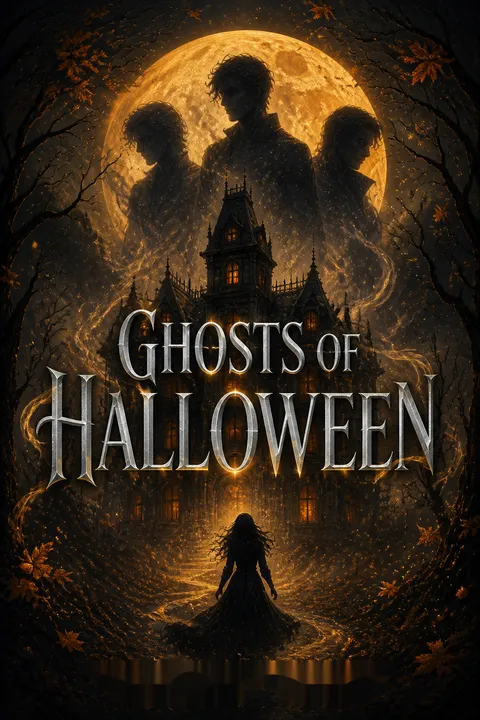
„Ghosts of Halloween“ von Layla Fae ist eine eindringliche Erkundung von Schuld, Erlösung und der Kraft, sich der eigenen Vergangenheit zu stellen. Durch die Linse einer übernatürlichen Erzählung taucht die Geschichte tief in die Komplexität menschlicher Gefühle und die Konsequenzen unseres Handelns ein. Harlows Reise ist eine der Selbstermächtigung, während sie sich den Geistern ihrer Vergangenheit stellt und ihre Selbstbestimmung zurückerobert. Das Spukhaus dient als kraftvolles Symbol für Schuld und Erlösung, während das Versprechen die Figuren in einem Kreislauf aus Rache und Vergebung hält. Letztlich ist die Geschichte ein Zeugnis für die Widerstandskraft des menschlichen Geistes und die Möglichkeit, Trost und Erlösung an den unerwartetsten Orten zu finden.
Andere lasen auch

FAQ
Synopsis & Basic Details
What is Ghosts of Halloween about?
- A Dark Romance of Trauma and Redemption: Ghosts of Halloween by Layla Fae is a dark romance novel centered on Harlow, a young woman haunted by the death of her brother, Noah, and her own past trauma. Drawn back to the abandoned house where Noah died, she encounters the ghosts of his three friends – Jack, Silas, and Caden – who reveal they are trapped there due to a promise made to Noah to protect her.
- Supernatural Captivity and Psychological Exploration: The story unfolds over a single Halloween night within the confines of the haunted house. Harlow is held captive by the ghosts, who are initially driven by a mix of lingering affection, rage over her perceived betrayal that led to their deaths, and their own unresolved trauma. The narrative delves into the complex psychological and emotional dynamics between captors and captive.
- Seeking Freedom Through Unconventional Means: As the night progresses, the lines between fear, desire, and connection blur. The ghosts, embodied for this one night, engage Harlow in intense, often painful, sexual encounters that paradoxically lead to moments of profound intimacy and healing. A desperate plan emerges: for Harlow to join them in death, potentially freeing them all from their spectral prison, leading to a climactic confrontation with her past tormentors and an unexpected path to a shared future.
Why should I read Ghosts of Halloween?
- Unique Blend of Dark Romance and Supernatural Thriller: If you enjoy genre-bending fiction, Ghosts of Halloween offers a compelling mix of spooky atmosphere, intense psychological exploration, and explicit dark romance elements, including a 'why choose' dynamic with supernatural themes. The author's note explicitly details the dark and kinky content, promising a story that pushes boundaries.
- Deep Dive into Trauma and Healing: The novel provides a raw and unflinching look at how characters cope with profound trauma, grief, and guilt. Harlow's journey, in particular, explores themes of victimhood, empowerment, and finding solace and connection in unexpected places, offering a narrative arc focused on healing through confronting the past.
- Complex Character Dynamics and Emotional Intensity: Beyond the plot, the strength of the book lies in the intricate relationships between Harlow and the three ghosts. Their interactions are charged with conflicting emotions – love, hate, desire, regret – creating a palpable tension and emotional depth that keeps the reader invested in their intertwined fates.
What is the background of Ghosts of Halloween?
- Setting Rooted in a Tragic Past: The primary setting, the house at 12 Sycamore Street, is not just a location but a character in itself, steeped in the history of a violent crime. It's the site of Noah's murder and the deaths of the three men, making it a physical manifestation of the characters' shared trauma and the curse that binds the ghosts.
- Halloween as a Thematic Backdrop: The choice of Halloween night is significant, traditionally a time when the veil between the living and the dead is thin. This provides a fitting supernatural context for the ghosts' temporary return to corporeal form and their interaction with Harlow, enhancing the eerie and otherworldly atmosphere of the story.
- Focus on Psychological and Emotional Realism within Fantasy: While featuring supernatural elements (ghosts, temporary embodiment), the core of the story is grounded in the psychological realism of trauma responses, complex grief, and the human need for connection and atonement, exploring these themes through the lens of dark romance conventions.
What are the most memorable quotes in Ghosts of Halloween?
- "Sometimes I wish you were serious, Jack.": This line from Harlow in the prologue encapsulates her longing for genuine connection and her awareness of Jack's playful, yet deeply felt, interest, setting the stage for their complicated dynamic and revealing her hidden desires long before the main events unfold.
- "You're my unfinished business, angel.": Silas delivers this chilling line to Harlow after revealing her role in their deaths. It starkly defines his initial motivation – seeing her as the obstacle to his peace in death – and highlights the central conflict of the ghosts' entrapment tied directly to her existence.
- "We're a family now. Well, the kind where everyone fucks each other.": Silas's blunt, yet ultimately tender, statement in the epilogue perfectly summarizes the unconventional and hard-won found family dynamic that forms between Harlow, Jack, Silas, and Caden, marking their transition from a night of trauma and revenge to a shared life built on love, lust, and mutual acceptance.
What writing style, narrative choices, and literary techniques does Layla Fae use?
- Alternating First-Person Perspective: The story primarily uses a first-person point of view, alternating between Harlow and Jack. This allows for deep immersion into their individual psychological states, motivations, and emotional turmoil, providing contrasting perspectives on the same events and building suspense.
- Explicit and Sensory Language: Layla Fae employs graphic and visceral language, particularly in describing sexual encounters and moments of pain or fear. This intense focus on physical sensation and emotional response is central to the dark romance genre and the exploration of trauma, making the reader feel the characters' experiences acutely.
- Symbolism and Foreshadowing: The author uses recurring symbols like the haunted house, Harlow's prosthetic arm, and the concept of "sparks" to represent deeper themes of trauma, vulnerability, and the search for genuine connection. Subtle foreshadowing, like Jack's early obsession and the ghosts' fragmented memories, builds anticipation and reveals hidden layers of the plot.
Hidden Details & Subtle Connections
What are some minor details that add significant meaning?
- Harlow's Running Habit: Early mentions of Harlow's need to run daily for hours to feel "alive" (Ch 1) are not just character quirks but reveal her deep-seated emotional numbness and dissociation, using physical exertion as a coping mechanism for her trauma and lack of "spark." This connects directly to her later experience of feeling truly alive through the intense fear and pleasure inflicted by the ghosts.
- The Prosthetic Arm's Sensitivity: The detailed descriptions of phantom pain and itching in Harlow's missing hand (Ch 2, 11) and the unexpected sensitivity of her stump to touch (Ch 5, 6) are crucial. This physical vulnerability becomes a key to her psychological "spark" response, turning a symbol of her trauma into an erogenous zone that only the ghosts, particularly Jack, dare to explore, highlighting her unique needs and their ability to meet them.
- Silas's Knife and its Use: Silas's casual handling of a knife (Ch 27) and later using it to inflict pain on Harlow (Ch 33, 34) and her rapists (Ch 51, 52) is a recurring motif. It symbolizes his capacity for violence and his need for control and retribution, but its use on Harlow, initially for punishment, becomes a twisted form of catharsis that paradoxically helps her process her guilt.
What are some subtle foreshadowing and callbacks?
- Jack's Prologue and Later Actions: Jack's intense desire for Harlow, his observation of her discomfort with her boyfriend, and his internal monologue about wanting to kiss her stump (Prologue) subtly foreshadow his later actions as "Groomer." His frustration that she didn't come to the house that night (Ch 17, 33) is a direct callback to his demand in the prologue, revealing the depth of his long-held feelings and hurt.
- Harlow's "Spark" and the Ghosts' Touch: Harlow's explanation of needing "sparks" from touch and her inability to feel them with most men (Ch 9, 42) is foreshadowed by her initial reaction to the ghosts' touch (Ch 5). This establishes the unique connection she has with them, particularly Jack, and explains why she is drawn to their touch despite the terrifying circumstances, fulfilling her long-unmet need.
- The Ghosts' Corporeal Sensations: The ghosts' initial descriptions of their ghostly state – muted sensations, inability to touch or be touched normally (Ch 38) – contrast sharply with their experience of having bodies for the night. This highlights the preciousness and intensity of their physical interactions with Harlow and each other, making their desperate desire to remain corporeal understandable and raising the stakes of Jack's plan.
What are some unexpected character connections?
- Caden's Protective "Daddy" Persona: Caden, initially presented as "Strangler" and later "Daddy Santa," develops a surprisingly tender and protective dynamic with Harlow (Ch 23, 54). This contrasts with his rougher persona and his role in the revenge, revealing a deeper, nurturing side that resonates with Harlow's need for care and makes their connection more complex than simple lust or shared trauma.
- Silas's Shared Trauma with Harlow: The revelation of Silas's prison rape (Ch 46) creates an unexpected parallel between his trauma and Harlow's. This shared experience of violation, particularly the detail of being unable to defend himself due to injury (his broken arm mirroring her missing arm), forms a profound, albeit dark, connection that allows him to understand her pain and shifts his dynamic with her from purely vengeful to empathetic.
- Jack's Jealousy of Noah: Jack's internal monologue in the prologue reveals a subtle jealousy of Noah's close relationship with Harlow and his protective role. While presented as friendly rivals, Jack's desire to "one-up" Noah, even in death (getting piercings to compare, wanting to be the first to touch Harlow's stump), adds a layer of complexity to his motivations beyond simple love for Harlow.
Who are the most significant supporting characters?
- Michael, Greg, and Ryan: These three men are crucial as the catalysts for the climax and the objects of the ghosts' and Harlow's revenge. Michael's past actions (rape, being Noah's killer's son) and Ryan's recent behavior (disrespecting Harlow) make them targets. Their reappearance at the house (Ch 48) provides the opportunity for the ghosts to fulfill their promise to protect Harlow and for Harlow to reclaim her agency through violent retribution.
- Noah: Though deceased, Noah's presence looms large over the entire narrative. His death is the central tragedy, his promise binds the ghosts, and his relationship with Harlow defines her past and influences her present interactions with the men. The revelation of his last words and the circumstances of his death (Ch 28) are pivotal emotional turning points for both Harlow and the ghosts.
- Janet: Harlow's aunt, though only mentioned briefly (Ch 2), highlights the difficult and unsupportive home environment Harlow endured after Noah's death. Her neglect and focus on her own needs underscore Harlow's isolation and deep need for genuine human connection and care, making the ghosts' eventual tenderness towards her all the more impactful.
Psychological, Emotional, & Relational Analysis
What are some unspoken motivations of the characters?
- Harlow's Subconscious Death Wish: Beyond her stated plan to die by overdose, Harlow's decision to go to the haunted house on Halloween night, knowing its history and her connection to the tragedy, suggests a subconscious desire to confront her past and potentially end her suffering in a place tied to her trauma. Her initial thought that she might be dead when she feels the ghosts' touch (Ch 7) hints at this underlying longing for release.
- The Ghosts' Need for Validation: While driven by the promise and revenge, the ghosts also seem to crave validation for their suffering and existence. Silas's need to tell Harlow the truth about their deaths (Ch 29), Caden's desire for Harlow to scream his name (Ch 21), and Jack's need for her to acknowledge his love and hurt (Ch 33) all point to a deeper need to be seen, understood, and have their pain acknowledged by the person they are tied to.
- Silas's Pursuit of Control: Silas's trauma from prison rape, where he lost control and was forced to beg (Ch 46), fuels his intense need to be in command, particularly in sexual situations. His preference for topping, his taunting, and his desire to make Harlow "beg" or "obey" (Ch 8, 23, 32) are unspoken ways he reclaims the power that was stolen from him, projecting his past onto his present interactions.
What psychological complexities do the characters exhibit?
- Trauma-Induced "Spark" Response: Harlow exhibits a complex trauma response where genuine, non-sexual touch, particularly on vulnerable areas like her stump or neck, triggers intense pleasure ("sparks") and arousal (Ch 5, 6, 9, 42). This paradoxical reaction to touch, stemming from a deep deprivation of affection after her trauma, is a central psychological element driving her interactions and making her susceptible to the ghosts' unique form of foreplay.
- Post-Mortem Trauma and Rage: The ghosts display psychological complexities stemming from their violent deaths and subsequent entrapment. Their initial rage towards Harlow (Ch 3, 10, 12), their need for revenge (Ch 27, 38), and their struggle with their ghostly state (Ch 38) are manifestations of post-mortem trauma. Silas's specific trauma from prison rape adds another layer, influencing his behavior even as a ghost.
- Conflicted Emotions and Moral Ambiguity: All characters grapple with conflicting emotions. Jack's love for Harlow wars with his anger over her role in his death. Silas's desire for vengeance clashes with a burgeoning empathy and protective instinct towards Harlow. Caden balances loyalty to Silas with a growing tenderness for Harlow. This moral ambiguity and internal conflict make their psychological states complex and their actions unpredictable.
What are the major emotional turning points?
- Harlow's Confession of Starvation for Touch: Harlow's vulnerable admission to "Groomer" (Jack) that she is "starved" for touch and human connection (Ch 9) is a major emotional turning point. It reveals the depth of her loneliness and trauma, shifting the dynamic from simple fear to a more complex interaction based on her unmet needs and the ghosts' ability to provide a twisted form of comfort.
- Silas's Revelation of His Trauma: Silas revealing his history of prison rape to Harlow (Ch 46) is a pivotal moment. It humanizes him, explaining the roots of his rage and need for control, and creates a shared understanding of trauma between them. This confession shifts Harlow's perception of him and allows for a deeper, albeit dark, connection based on mutual vulnerability.
- The Ghosts' Realization of Their Continued Corporeal State: The moment Jack realizes he is still solid and hungry after Michael's death (Ch 53), followed by Caden and Silas experiencing the same after Greg and Ryan die, is the ultimate turning point. It signifies the success of their unconventional plan, transforming their desperate night of revenge and potential sacrifice into the beginning of a new, shared life together, fundamentally altering their emotional trajectory from despair to hope.
How do relationship dynamics evolve?
- From Captors and Captive to Consensual Exploration: The initial dynamic is one of terror and captivity, with Harlow trapped by the masked ghosts (Ch 2-4). This quickly evolves into a complex power exchange during sexual encounters, where fear intertwines with pleasure (Ch 5-15). By the end of the night, the dynamic shifts towards a more consensual exploration of desires, culminating in a polyamorous relationship built on shared trauma, vulnerability, and mutual care (Ch 54-Epilogue).
- Deepening Bonds Among the Ghosts: The shared experience of death, entrapment, and the plan for freedom strengthens the bonds between Jack, Silas, and Caden. Their reliance on each other, particularly Silas and Caden's established relationship (Ch 39), provides a foundation for their collective actions and emotional support throughout the ordeal, evolving into a found family unit that includes Harlow.
- Harlow's Integration into the Group: Harlow's relationship with the men transforms from being the object of their revenge and the key to their freedom to becoming an integral part of their unit. Her willingness to participate in the plan, her shared trauma with Silas, and the emotional connections she forms with each of them lead to her being fully accepted and loved as a partner and family member (Ch 54, Epilogue), rather than just a means to an end.
Interpretation & Debate
Which parts of the story remain ambiguous or open-ended?
- The Exact Mechanism of Re-Embodiment: While Jack theorizes that swallowing the "spark" or "soul" of the dying rapists brought them back to life (Ch 53), the precise supernatural mechanics remain somewhat ambiguous. It's unclear why this specific act worked, why it required three souls for three ghosts, or if there were other factors involved, leaving the magical system open to interpretation.
- The Nature of Their Future Entrapment (Pre-Resolution): Before Jack's plan is revealed, the nature of the ghosts' entrapment is somewhat vague. They know they are tied to Harlow and the house (Ch 38), but the specifics of how her life being in danger frees them, or what would happen if she died by other means (like her initial overdose attempt), are not fully explained, creating initial ambiguity about their curse.
- The Long-Term Stability of Their New State: While the epilogue shows them living corporeal lives two years later, the permanence of this state is not explicitly guaranteed by any supernatural rule. The possibility, however remote, that their re-embodiment could be temporary or tied to unforeseen conditions remains an open question, adding a subtle layer of potential future conflict or uncertainty.
What are some debatable, controversial scenes or moments in Ghosts of Halloween?
- The Consensual Nature of Early Sexual Encounters: A significant point of debate is the level of consent in the initial sexual encounters. Harlow is tied up, terrified, and explicitly states she doesn't want it (Ch 5). While her body responds with "sparks" and pleasure due to her trauma response and touch deprivation, the circumstances raise questions about dubious consent (dub-con) and whether her physical reaction equates to true psychological willingness in that moment.
- The Justification of Torture and Murder: The graphic torture and murder of Harlow's rapists and Ryan (Ch 51, 52) are highly controversial. While presented as cathartic revenge and a means to the ghosts' re-embodiment, the brutality and cold-blooded nature of these acts, particularly Silas's enjoyment and methodical approach, challenge traditional moral boundaries and can spark debate about whether the characters' past suffering justifies their extreme violence.
- Silas's Shift from Vengeance to Care: Silas's sudden shift from wanting to kill Harlow for revenge (Ch 29) to comforting her after her suicide attempt (Ch 30) and later expressing deep care and sacrificing his own freedom for her (Ch 52) can be debated in terms of psychological realism and narrative plausibility. Some readers might find this transformation too abrupt or inconsistent with his established character, while others might see it as a complex response to shared trauma and burgeoning connection.
Ghosts of Halloween Ending Explained: How It Ends & What It Means
- Revenge as a Catalyst for Rebirth: The climax sees Harlow, with the ghosts' help, confront and kill her rapists, Michael and Ryan, along with Greg. Jack realizes that by "swallowing" Michael's "spark" or soul, he became corporeal again (Ch 53). This leads to Caden and Silas doing the same with Greg and Ryan, respectively, resulting in all three ghosts regaining their physical bodies.
- Breaking the Curse and Finding Freedom: By fulfilling Noah's promise to protect Harlow (by saving her from her attackers) and by regaining their corporeal forms through the rapists' deaths, the ghosts break the curse that tied them to the haunted house and their spectral state. They are no longer bound to the house or to protecting Harlow as ghosts, gaining freedom from their supernatural prison.
- A Found Family and a New Life: The ending signifies a new beginning for all four characters. They leave the haunted house, cover up the crime scene, and start a new life together as a found family unit (Ch 54). The epilogue confirms their continued corporeal existence and their established polyamorous relationship, suggesting that their shared trauma, the intense experiences of that night, and their mutual love and desire have forged a permanent bond, allowing them a second chance at life and happiness together.
PDF herunterladen
EPUB herunterladen
.epub digital book format is ideal for reading ebooks on phones, tablets, and e-readers.








































