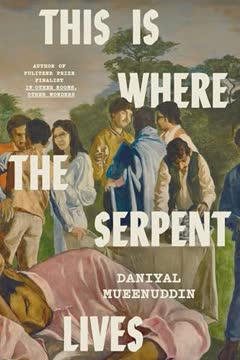
Plot Summary
Orphan in the Bazaar
Afrasiab's earliest memory is of being alone in the Rawalpindi bazaar, clutching a pair of new shoes, waiting for parents who never return. Karim Khan, a tea-stall owner, takes him in, naming him after a mythical king. Afra grows up as a serving boy, learning to read and work, his spirit marked by resilience and a quiet hunger for more. The bustling bazaar becomes his world, a place of hardship but also of small kindnesses and the first taste of community. His orphanhood is both a wound and a source of strength, shaping his sense of self and his longing for connection and purpose.
Bonds of Brotherhood
Afra's world expands as he befriends Zain, the sensitive son of a grocer, and Kamran, the brash politician's son. The carrom board becomes their arena, a space where class lines blur and alliances form. A drunken quarrel leads Afra to wound himself rather than Kamran, cementing his bond with Zain and shifting the group's dynamics. These friendships, forged in the heat of adolescence, are tinged with rivalry, affection, and the unspoken rules of loyalty. The boys dream of a new Pakistan, swept up in the fervor of Bhutto's promises, their hopes and betrayals foreshadowing the adult world's complexities.
The Carrom Board Club
Afra's shabby room becomes a clubhouse for the carrom board mafia, a haven for boys seeking freedom from family expectations. Here, Afra is both host and outsider, his status ambiguous but his presence indispensable. The club is a microcosm of Pakistani society—hierarchies, ambitions, and the yearning for escape. Afra's skill and humor win him respect, but his outsider status remains. The club's easy camaraderie masks deeper tensions, as class, desire, and the limits of belonging simmer beneath the surface, setting the stage for future ruptures.
Love and Class Boundaries
Afra's growing affection for Yasmin, Zain's sister, is both innocent and transgressive. Invited into Zain's home, Afra glimpses a world of comfort and refinement, but also the invisible barriers that keep him apart. Yasmin's presence unsettles him, awakening feelings he cannot express. The household's dynamics—maternal warmth, servant hostility, and the silent codes of propriety—highlight the impossibility of crossing certain lines. Afra's longing is pure but doomed, his love for Yasmin a symbol of all he cannot have, and his eventual banishment a bitter lesson in the costs of aspiration.
The Wound and the Apple
A careless insult from Kamran leads to a violent confrontation, with Afra choosing to harm himself rather than his rival. This act of self-sacrifice cements his legend among the boys but also marks a turning point. The wound becomes a symbol—of pride, pain, and the limits of what Afra can endure. Zain's care in tending to Afra's injury deepens their bond, but the incident also exposes the fragility of their world. The apple, offered in friendship, becomes a token of both intimacy and exclusion, foreshadowing the betrayals to come.
Betrayal and Exile
Afra's growing feelings for Yasmin are discovered by the household's old servant, Mai Viro, who threatens to expose him. Humiliated and heartbroken, Afra is driven from the only home where he felt a sense of belonging. His exile is both literal and emotional—a forced return to the margins, barefoot and bereft, clutching the memory of lost shoes and lost love. The pain of rejection is compounded by the realization that some boundaries cannot be crossed, no matter how pure the heart. Afra's departure is a silent act of self-preservation, a retreat from a world that will not accept him.
Return of the Prodigal
Afra returns to Rawalpindi after years away, now a chauffeur for a powerful family. The city has changed, and so has he—older, heavier, marked by disappointment. A chance encounter with Zain reveals the scars of the past: Zain is broken, Yasmin has been dishonored by Kamran, and the old bonds are frayed. Afra's loyalty is tested as he seeks justice for Yasmin, navigating a world where power and violence are the only currencies. The reunion is bittersweet, a reminder that time does not heal all wounds, and that the past is never truly past.
Land, Power, and Muscle
Rustom, a Western-educated heir, returns to his ancestral estate, determined to modernize and manage with justice. He faces resistance from entrenched interests—corrupt managers, criminal neighbors, and the limits of his own idealism. The arrival of Sheikh Sarkar and his musclemen signals a return to old ways, where disputes are settled with force and alliances are forged in blood. Rustom's struggle is both personal and political, a battle between the values of his education and the realities of Pakistani feudalism. The land is both inheritance and burden, its riches tainted by violence and compromise.
The New Landlord
Rustom's attempts at reform are undermined by the inertia of the estate and the duplicity of those around him. His reliance on outside muscle to resolve conflicts with the Chandios exposes the hollowness of his ideals. The estate's history—of parties, excess, and gradual decline—haunts him, as does the memory of his parents' deaths and his own alienation. The visit of city friends and potential marriage alliances highlight the gulf between appearance and reality, and the impossibility of escaping the patterns of the past. Rustom's loneliness is profound, his victories Pyrrhic.
The Price of Progress
Saqib, a servant boy with charm and intelligence, rises through the ranks in Hisham and Shahnaz's household, eventually managing a lucrative vegetable farm. His success is built on hard work, cunning, and a willingness to bend the rules. The pressures of ambition and the temptations of easy money lead him into a partnership with Warraich, a shrewd businessman who teaches him the darker arts of profit. Saqib's theft is both a personal failing and a symptom of a system where everyone takes what they can. The cost is high: trust is broken, and the line between victim and perpetrator blurs.
The Shadow of the Past
As Saqib's scheme unravels, he is confronted by Afra, his mentor and surrogate father, who recognizes the signs of corruption. The confrontation is painful, a reckoning between two men shaped by service and longing. Saqib's fall is swift—exposed, humiliated, and abandoned by those he served. The strongroom becomes his prison, a place of reckoning where the stick replaces the carrot. The past—of loyalty, kindness, and shared struggle—cannot save him from the consequences of his choices. The serpent's lesson is harsh: in a world of shifting power, innocence is no protection.
The Munshi's Ambition
Saqib's rise from servant to manager is fueled by ambition and a keen sense of opportunity. His marriage to Gazala, the proud granddaughter of a disgraced munshi, is both a personal and strategic alliance. Together, they dream of a future beyond the village, of wealth and respect earned through cunning and hard work. But the system is rigged, and the price of advancement is compromise. Saqib's theft is not just a crime against his masters, but a betrayal of his own ideals. The cost is paid in pain, shame, and the loss of innocence.
The Tunnel Gamble
Saqib's partnership with Warraich is a Faustian bargain—quick profits in exchange for honesty and peace of mind. The tunnel farm becomes a symbol of both progress and corruption, its plastic sheeting as fragile as the dreams it shelters. The scheme is elaborate, the rewards great, but the risks are greater. When the crop fails and the losses mount, Saqib is left exposed, his careful books unable to hide the truth. The lesson is clear: in a world where everyone takes, the one who is caught pays the highest price.
The Fall of the Favorite
Saqib's downfall is swift and brutal. Betrayed by Afra, he is cast out from the household that raised him, his father humiliated, his wife and child left vulnerable. The strongroom is both literal and symbolic—a place where the stick replaces the carrot, and where the cost of ambition is paid in pain and shame. The police torture is a final indignity, stripping Saqib of dignity and hope. The clean release is not redemption, but a return to the margins, marked by loss and the knowledge that some wounds never heal.
The Strongroom and the Stick
Saqib's imprisonment and torture are reminders of the violence that underpins the social order. The police, instruments of power, extract confessions and enforce obedience with impunity. Saqib's suffering is both personal and emblematic—a warning to others who would overreach. The system is self-perpetuating, its cruelty justified by the need for order and the fear of chaos. The strongroom is a place of reckoning, where the serpent's lesson is learned: in a world of masters and servants, the price of ambition is pain.
The Serpent's Lesson
Released from prison, Saqib is broken but wiser. The money is gone, his reputation ruined, his future uncertain. The serpent's lesson is clear: in a world of shifting power, innocence is no protection, and ambition is both a gift and a curse. The bonds of loyalty and love are fragile, easily broken by the pressures of survival and the lure of easy gain. Saqib's journey is both a cautionary tale and a testament to the resilience of the human spirit, his hope tempered by the knowledge of what has been lost.
The Cost of Betrayal
Saqib's release is engineered by Gazala's desperate plea to Shahnaz, who is moved by the sight of mother and child. The cycle of betrayal and forgiveness is incomplete—trust cannot be restored, but mercy is possible. The cost of betrayal is paid not just by the guilty, but by all who are touched by the web of relationships. The clean release is not a return to innocence, but an acceptance of the world as it is—flawed, unjust, and yet still capable of moments of grace.
The Clean Release
Saqib returns home, broken but alive. The world has changed—he is no longer the favored servant, nor the ambitious manager, but a man marked by suffering and loss. The clean release is both an ending and a beginning, a chance to rebuild on new terms. The lessons of the serpent—of ambition, betrayal, and the cost of desire—are etched into his soul. The future is uncertain, but the possibility of redemption remains, however faint. The story ends not with triumph, but with the quiet hope that wisdom, hard-won, may yet lead to a better life.
Analysis
A modern fable of power, longing, and the costs of ambitionThis Is Where the Serpent Lives is a sweeping, multi-generational meditation on the complexities of Pakistani society—its hierarchies, its violence, and its fragile hopes. Through the intertwined stories of servants and masters, the novel explores the ways in which ambition, love, and betrayal shape destinies. The characters' psychological depth—Afra's longing for belonging, Saqib's hunger for more, Shahnaz's struggle for justice—renders the social order both intimate and oppressive. The novel's structure, with its shifting perspectives and recurring motifs, invites readers to see the world through many eyes, to understand the costs of desire and the impossibility of innocence. At its heart, the book is a cautionary tale about the dangers of overreaching in a world where power is jealously guarded and violence is never far away. Yet it is also a testament to the resilience of the human spirit, the possibility of grace, and the enduring hope that wisdom, hard-won, may yet lead to a better life.
Review Summary
Reviews of This Is Where the Serpent Lives are largely positive, praising its vivid portrait of Pakistan's feudal class system, elegant prose, and memorable characters. Many compare it to Chekhov, Turgenev, and The White Tiger. Readers appreciate the interconnected novellas spanning decades, following orphans and servants navigating wealth and poverty. Common criticisms include emotional distance in the writing, uneven pacing, and a slow middle section. Despite mixed feelings about its structure, most agree it offers rare, insightful commentary on Pakistani society, corruption, and class hierarchy.
People Also Read









Characters
Afrasiab (Afra)
Afrasiab is the novel's emotional core—a foundling raised in the Rawalpindi bazaar, whose journey from tea-stall boy to trusted chauffeur embodies the search for home and dignity. His relationships—with Karim Khan, Zain, Yasmin, and later with the Atar family—are marked by loyalty, longing, and the pain of exclusion. Afra's psychological complexity lies in his ability to forgive, his hunger for connection, and his quiet ambition. He is both insider and outsider, his strength masking a deep vulnerability. His eventual betrayal of Saqib is a tragic act, born of disappointment and the recognition that innocence cannot survive in a world built on power and compromise.
Zain
Zain is Afra's closest friend, the grocer's son whose refinement and idealism contrast with Afra's earthiness. Their bond is deep but fraught, shaped by class differences and unspoken desires. Zain's journey—from youthful hope to adult disillusionment—mirrors the novel's broader themes of lost innocence and the failure of political dreams. His inability to protect Yasmin, and his own decline, are emblematic of a generation's dashed hopes. Zain's psychological fragility is both his strength and his undoing, his loyalty to Afra a source of both comfort and pain.
Yasmin
Yasmin is Zain's sister and Afra's unattainable love, her presence a catalyst for Afra's exile and a symbol of the barriers imposed by class and gender. She is intelligent, self-assured, and compassionate, but ultimately powerless to shape her own destiny. Her violation by Kamran and subsequent despair highlight the vulnerability of women in a patriarchal society. Yasmin's psychological depth lies in her resilience and her capacity for forgiveness, even as she is betrayed by those closest to her.
Kamran
Kamran is the embodiment of privilege unchecked—a politician's son whose swagger and cruelty mask insecurity and a hunger for power. His rivalry with Afra is both personal and symbolic, a contest for dominance that ends in violence and tragedy. Kamran's assault on Yasmin is the novel's darkest moment, a reminder of the impunity enjoyed by the powerful. His eventual murder at Afra's hands is both justice and revenge, a cycle of violence that leaves no one unscathed.
Karim Khan
Karim Khan is Afra's first benefactor, a tea-stall owner whose rough kindness provides the foundation for Afra's sense of self. He is both practical and poetic, his unsentimental care masking a deep affection. Karim Khan's death marks the end of an era, his legacy living on in Afra's resilience and capacity for forgiveness. He represents the old order—rooted in tradition, shaped by hardship, and ultimately swept aside by the forces of change.
Rustom
Rustom is the Western-educated scion of a landed family, torn between the ideals of his upbringing and the realities of rural power. His attempts at reform are undermined by the inertia of tradition and the duplicity of those around him. Rustom's psychological struggle is between hope and despair, belonging and alienation. His loneliness is profound, his victories hollow, his sense of duty both a burden and a source of meaning. Rustom's journey is a meditation on the costs of privilege and the impossibility of escaping the past.
Shahnaz
Shahnaz is Hisham's wife and the novel's conscience—a woman of intelligence, taste, and quiet strength. Her efforts to modernize the estate and uplift the servants are both genuine and limited by the structures of power. Shahnaz's relationship with Saqib is maternal, aspirational, and ultimately tragic. Her capacity for forgiveness is tested by betrayal, but her sense of justice prevails. Shahnaz embodies the possibility of change, even as she is constrained by the world she inhabits.
Hisham
Hisham is the inheritor of privilege, a man torn between tradition and modernity, indulgence and responsibility. His charm and generosity are matched by a capacity for cruelty and self-deception. Hisham's relationships—with Shahnaz, Afra, and Saqib—are marked by affection, disappointment, and the exercise of power. His inability to protect those he loves, and his complicity in the system's violence, are sources of both guilt and resignation. Hisham is a tragic figure, his strengths undermined by his weaknesses.
Saqib
Saqib is the novel's most complex creation—a servant boy whose intelligence and charm propel him to the heights of trust and responsibility. His ambition is both admirable and dangerous, leading him into alliances with men like Warraich and ultimately to betrayal. Saqib's psychological journey is one of self-discovery, as he learns the costs of desire and the limits of loyalty. His fall is both personal and emblematic, a cautionary tale about the dangers of overreaching in a world where power is jealously guarded.
Gazala
Gazala is Saqib's wife, the granddaughter of a disgraced munshi, whose pride and intelligence match his own. Their marriage is both a love story and a strategic alliance, shaped by the legacies of ambition and betrayal. Gazala's resilience is tested by Saqib's fall, her plea to Shahnaz a moment of grace in a world marked by cruelty. She is both victim and agent, her strength a testament to the possibility of survival in the face of overwhelming odds.
Plot Devices
Interwoven Narratives and Shifting Perspectives
The novel employs a mosaic structure, weaving together the stories of servants and masters, men and women, past and present. This narrative device allows for a rich exploration of the interconnectedness of lives across class, caste, and generation. The shifting perspectives—Afra's orphanhood, Rustom's inheritance, Saqib's ambition—create a tapestry of longing, betrayal, and the search for belonging. The use of foreshadowing, particularly in the early chapters, sets the stage for later tragedies, while the recurring motifs of shoes, apples, and wounds serve as symbols of loss, desire, and the costs of aspiration.
The Carrom Board and the Clubhouse
The carrom board club is both a literal and symbolic space—a sanctuary for boys seeking escape from the constraints of family and society, but also a site of rivalry, desire, and the limits of belonging. The club's easy camaraderie masks deeper tensions, as class, ambition, and the impossibility of crossing certain boundaries simmer beneath the surface. The club becomes a microcosm of Pakistani society, its hierarchies and exclusions replicated in miniature.
The Strongroom and the Stick
The strongroom, where Saqib is imprisoned and tortured, is both a literal and symbolic space—a place where the social order is enforced through violence and humiliation. The stick, wielded by masters and police alike, is a recurring motif, a reminder that power is maintained not by consent but by force. The strongroom is a place of reckoning, where the costs of ambition and betrayal are paid in pain and shame.
The Serpent and the Shoes
The serpent, invoked in the novel's title, is a symbol of wisdom, temptation, and the costs of knowledge. The shoes—clutched by Afra as a child, discarded in exile—are emblems of longing, belonging, and the pain of exclusion. These motifs recur throughout the novel, linking the stories of servants and masters, past and present, and underscoring the themes of ambition, betrayal, and the search for home.








































