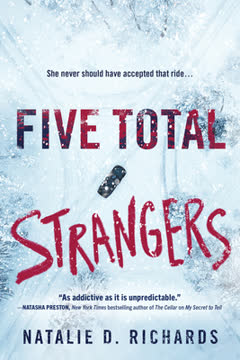
Plot Summary
Turbulence and Unraveling Lives
The novel opens with Mira, a high school senior, flying home to Pennsylvania for the holidays amid a brewing snowstorm. As the turbulence shakes the plane, Mira's inner turmoil is stark: she is grieving her beloved Aunt Phoebe, her mother's twin, while wrestling with her own guilt for leaving home and for her family's unraveling. With news of her mother's divorce breaking just as the world locks down, Mira is cast adrift—forced to improvise when flights are cancelled and the familiar is lost. The storm outside becomes a metaphor for the emotional chaos inside—panic, unresolved grief, and a compulsion to save her mother from more pain, all while Mira finds herself isolated among strangers.
Stranded Hearts, Snowbound Choices
Trapped in an overwhelmed airport crammed with anxious travelers, Mira must adjust her plans. She meets Harper—a sophisticated, poised college student she just befriended on the plane—who brazenly secures a rental SUV to drive home. Joined by Brecken, Kayla, and Josh—other young, stranded travelers—they create an impromptu road family, each looking to escape the chaos. Each brings invisible baggage: wounds, worries, secrets, and a determination to reach someone or something waiting back home. Mira joins out of desperation, not trust, so she can be with her fractured family for Christmas, stepping into a car of uncertain alliances as the snow thickens outside.
Five Strangers, One Ride
The group slips into the whiteout. Conversations deepen as the tempo of the storm matches the gathering anxiety. Brecken is determined and controlling, Kayla withdrawn and sleep-ridden, Josh reserved and observant, and Harper's veneer of control cracks under pressure. Their lack of connection breeds both awkwardness and fleeting camaraderie. Each tries to project normalcy—sharing ambitions, college majors, and half-truths—while the storm makes the roads perilous and the first minor crisis (a windshield mishap, a cut finger) makes clear they depend on each other. Beneath the surface, suspicion and unease fray their bond, signaling the ride will only grow stranger and more deadly.
Foreshadowed Threats, Lost Connections
As they battle worsening weather and traffic nightmares, the group is unsettled by a series of unsettling events: first minor car slips, then growing traffic chaos. Sleep deprivation and stress fray everyone's nerves, especially Mira's. A mysterious man with a yellow hat is glimpsed at rest stops and a gas station—always watching, always in the background. Items begin to disappear—first Josh's book, then Harper's wallet, and soon Mira's own phone. Sabotage seems likely, though suspicion falls on no obvious culprit. Each missing object increases the tension and sense that someone—inside or outside the SUV—is manipulating their fate, awaiting the moment fear will tear them apart.
Chains, Strangers, and Shifting Trust
As the storm isolates them further, practical challenges escalate: sabotaged snow chains and vandalized emergency supplies turn minor inconveniences into potential disasters. The group's trust erodes as they fail to identify the perpetrator. Gas station attendants prove threatening, and after an unpaid bill, the strangers flee, chased by the gas station owner—a literal threat matching their psychological panic. Inside the claustrophobic SUV, accusations mount, bonds fray, and whispered alliances form and dissolve. Mira, wracked by anxiety, aches to call home, but communication is sabotaged at every turn. The group begins to accept that their worst enemy may be one of their own.
Accidents, Detours, Unraveling Truth
The drive grows perilous: they narrowly survive pile-up collisions and take increasingly desperate detours off abandoned highways, always seeking safety but finding deeper isolation. Roles shift with each crisis—Harper's confidence wavers, Brecken's assertiveness turns to bullying, Kayla drifts further from reality, and Josh grows attentive toward Mira. Detours through backroads and a near-miss with a fallen tree trap the group in mountainous backcountry. Along the way, snippets of letters haunt the narrative—worshipful, obsessive notes directed at Mira from a shadowy admirer. Trust collapses; everyone is both suspect and victim, and the once-shared goal of getting home is eclipsed by mounting terror.
The Storm Intensifies—Lines Blurred
As night falls and the blizzard intensifies, fear manifests as infighting. Driven to a rural bar, their last refuge, Mira and the others finally connect with locals, but even warm shelter brings no relief. The group's secrets spill out—Brecken's failure in school, Harper's family scandals, Kayla's drug dependency, and Mira's own lies about her age and background. Each confesses, but the truth offers no absolution; it simply leaves them more defenseless. The lines between perpetrator and victim blur. Mira's recurring sense of being watched intensifies, especially as a string of obsessive letters addressed to her are unearthed. The reader senses a threat closing in—not just the storm, but something (or someone) inside the car itself.
Sabotage and Secrets Revealed
Critical discoveries push the travelers over the edge. A knife is found hidden near Mira's seat, and sabotage becomes undeniable. Paranoia reigns as suspicions swirl: could the calm, resourceful Josh be behind it? Is Brecken simply unstable, or something worse? Kayla, previously lethargic, reveals she stole the knife herself for self-protection, but admits to collaborating with the unknown antagonist in exchange for drugs. Tensions erupt until, in a desperate moment, letters are discovered that lay bare a long-term obsession targeting Mira. Now survival is paramount—escape, not arrival, is the new goal, and the group's fragile unity implodes under the weight of betrayal.
Gas-Station Flight and Pursuit
Attempts to flee collapse into chaos: the group attempts to take gas without paying, drawing the enraged owner into a heart-stopping pursuit through ghostly, snow-covered backroads. The world shrinks; flashing headlights in the rearview mirror stoke primal terror. Resourceful, Mira and Brecken work together to lose their pursuer, erasing their tracks and hiding in an abandoned campground, but the emotional cost is high. Trust is annihilated. Meanwhile, clues multiply: obsessive notes, lost objects, and unsettling, recurring glimpses of the strange man in the yellow hat. The driver's true intentions—and the stalker's proximity—become undeniable. Any hope of a normal journey home is destroyed.
Hidden Motives, Stolen Objects
Safe for a fleeting moment, the group inventories what's missing: phones, map, chargers, and other crucial tools—all stolen or broken with clinical intent. Now wholly cut off, the remaining travelers confront ugly truths about their predicament—and each other. As evidence mounts, damning letters and the return of stolen objects reveal premeditation far beyond mere panic; someone wants them lost, scared, and alone. The remaining group realizes Mira—already fragile from grief and isolation—is at the center of the unfolding mania. The specter of obsession, violence, and lurking danger moves from atmospheric to immediate, as the stalker's net closes tight.
Fracturing Alliances, Gathering Doubt
Emotional stakes explode as group members turn on each other, accusing, defending, and revealing bitterness and secrets. Mira is blamed for the missing knife and map, framed by the real saboteur. Brecken, previously a suspect, is vindicated by Kayla's confession and then exposed for more ordinary but poignant failures. Kayla admits a deal with the stalker, drawn into betrayal by addiction and desperation. The true threat is now clear. As the group attempts to extricate themselves from a ditch—literally stuck, unable to go forward or back—Mira makes a desperate bid for freedom, but finds herself betrayed and physically assaulted by the one she thought she could count on.
Paranoia, Accusations, and Frayed Nerves
Panic and confusion rule—the possibility of murder replaces mere anxiety. Mira is physically attacked by Josh, who reveals himself as her obsessed stalker. His calm exterior disintegrates, replaced by violent intensity as he reveals elaborate knowledge of Mira's past. Kayla flees, paid off by Josh's supply of drugs. Cornered, Mira is forced into a desperate, bloody struggle for her life; she is wounded, but manages to escape and reach Harper and Brecken, who are, at last, made to see the truth.
Letters from the Dark
The source of the anonymous, raving letters is finally revealed to Mira in full—their terrified language wrapping the past and present together, as the stalker's madness is exposed on the page and in blood. Mira's autonomy and safety are rewritten as her value to the stalker—a haunting motif of possession and inevitability. The narrative voice of the letters—worshipful, threatening, desperate—embodies the psychological manipulation at the heart of her ordeal. By now, the reality: stalkers don't merely follow—they erase, rewrite, and consume identity.
The Unmasking—Truth Surfaces
The years-long web of obsession snaps as Josh's mask fully drops. In chaos, he tries to physically subdue Mira, wielding the stolen knife. In a brutal, snowbound struggle, Mira fights for her life. Her friends—long at odds, now united by crisis—intervene. Brecken delivers the final, stunning blow with a shovel, killing Josh and ending the threat, but not the trauma. The snowstorm is their only remaining shroud; instead of safety, exhausted survivors are left with a body and a lasting sense of violation.
Escape through Snow and Fear
Help arrives in the form of a bystander—the once-ominous man in the yellow hat—now revealed as an ordinary traveler, not the monster they all feared. Emergency services, the police, and at last safety and warmth reach Mira and the shocked survivors. But safety is relative; the ordeal's emotional scars are deep, their newfound "normal" forever altered by the realization that evil did not look or behave as expected—it hid behind the face of a friend.
Final Confrontation in Shadows
In the aftermath, Mira is hospitalized, her wounds—physical and psychological—tended at last. She is rejoined by her mother, and the two reckon with the losses not just of the last day, but of the last year: Daniel's departure, Phoebe's death, and the heavy weight of always being 'strong' for others. Their reunion is deeply emotional as they realize that both have tried to protect each other and failed; what's left is raw honesty and beginning the process of rebuilding trust—in themselves and each other.
Rescue, Recovery, Return Home
The snowstorm that isolated Mira has finally abated, leaving in its wake not only devastation but the possibility of new beginnings. In the hospital, Mira reflects on the lessons of survival, on the meaning of trust, and on the importance of allowing grief and fear to surface. She learns to accept love and vulnerability, to forgive herself and those around her for being imperfect. She returns at last, physically and emotionally, to her home and her mother—not as rescuer, but as someone ready to begin healing, to claim her place in the world on her own terms, weathered but unbroken.
Analysis
The high-stakes isolation thriller of the digital age—where obsession, grief, and the hunger for control intersect
Five Total Strangers is both a harrowing survival story and a psychological drama about trust, perception, and the dangers of misplaced faith. By using the simple setup—a snowstorm, a stranded group of teens, and a drive gone wrong—Richards crafts a chilling reflection on how easily our need for connection can make us vulnerable to those who would exploit it. The book's structure—rotating between moments of hope, bursts of terror, and brief respite—mimics real psychological trauma: there is rarely a clear villain until it is too late. The stalker's manipulation echoes social media-age anxieties about appearances, the thin line between friend and predator, and the gradual crossing of boundaries that too often goes unrecognized by victims desperate to normalize the abnormal. Richards also thoughtfully explores the aftermath of trauma: Mira's need to rescue her mother, the group's splintering under stress, and the ways in which "strength" too often becomes denial. In the end, the storm is both literal and symbolic—surviving means not simply arriving home, but confronting your own story honestly. The lesson is urgent: real danger is rarely a monster in the dark; it is the person sitting quietly beside you, the one you think you know. In a world where connections are easy and trust is easily faked, vigilance and self-advocacy are the only real sources of safety.
People Also Read






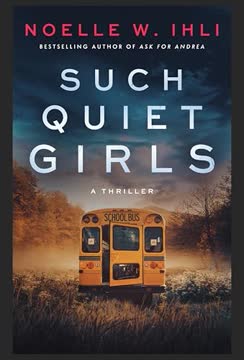

Characters
Mira Hayes
Mira is the heart of the story—a perceptive, artistic teen suffocating under grief and adult responsibilities she shouldn't have to shoulder. She is fierce and determined, desperately trying to get home and hold her family together through tragedy and her mother's collapse after losing her twin, Phoebe. Mira's cautious optimism and tendency to "fix" things for others hides a scared, lonely girl riddled with guilt for leaving home and suspicion that her presence is both needed and a burden. Traumatized yet resilient, she navigates the shifting allegiances among the strangers, learning harsh lessons about trust, autonomy, and her own right to be cared for as she confronts not just the dangers of the storm, but the obsessive stalker who targets her. By the end, Mira's journey is as much about returning to herself and accepting vulnerability as it is about survival.
Harper Chung
Harper is sophisticated, capable, and outwardly unflappable—a college student with international ambitions who steps into leadership when no one else will. She forms a fast bond with Mira and becomes her maternal protector amidst chaos. But Harper's armor is thin: the story reveals family and legal crises, secret vulnerabilities, and emotional fragility. Her relationship with Brecken signals a longing for stability and connection she doesn't feel at home. Harper's psychological journey is about letting her mask slip, admitting weakness, and learning to trust others—shifting from brittle control to emotional honesty and ultimately, courage when it counts most.
Brecken Carter
Brecken is at first the confident, privileged problem-solver—the guy who won't back down from a challenge and commands the group with near-overbearing energy. Underneath lies insecurity, fear of failure, and a desperate desire to impress, especially after grappling with being forced out of his family's legacy of medicine due to academic failure. Brecken's intensity and short temper mask self-loathing and fear, and at times he appears a threat—not only to the others but to himself. Though at first a suspect, Brecken ultimately becomes a crucial protector—aided by his physical presence and unwillingness to give up, eventually proving heroic despite his flaws.
Josh Miles
Initially, Josh is quiet, intelligent, almost endearing—a 'nice guy' hampered by injury, who seems to play peacemaker and offers thoughtful empathy to Mira. But his reserve hides a darker truth: he is the stalker, the orchestrator who sabotages the group's hope of escape while enacting an elaborate, delusion-fueled plan to claim Mira for himself. Josh's psychological unraveling is chilling: he externalizes his need, blames others, and finds justification in manufactured destiny. He manipulates perceptions, framing others, and weaponizing trust, culminating in his deadly pursuit of Mira. His character is a masterclass in deceptive normalcy masking violent obsession.
Kayla
Kayla, an enigmatic figure marked by illness, withdrawal, and lapses into sleep or dissociation, is plagued by her own demons—a drug dependency born of unresolved grief and trauma, possibly after her brother's death. Marginalized and judged, Kayla survives by bartering her loyalty for pills, ultimately collaborating with the group's saboteur. Her arc is one of ambiguous morality: not villainous, but not innocent—her pain makes her vulnerable and exploitable, yet her choices endanger others. Kayla stands as a warning of how unchecked sorrow and addiction can rot the core of trust, yet in the end, she is as much a casualty as an accomplice.
Mira's Mother
Mira's mother is the story's emotional shadow, her grief and anxiety mirroring Mira's. She has lost her twin, her marriage, and her sense of stability, retreating into sadness that colors Mira's need to rush home. The relationship is fraught; Mira wants to save her mother, blaming herself for her mother's fragility, even as she resents the role-reversal. Ultimately, their reunion at the hospital is a pivotal healing moment; both must accept being "enough" as they are, relinquishing guilt and perfection to embrace reality and authentic support.
Daniel (Mira's Step-Father)
Daniel embodies calm practicality. His sudden revelation of leaving Mira's mother shakes Mira's world, triggering unresolved anxieties about abandonment and failing at caretaking. Daniel's presence in the story is symbolic of the changes Mira cannot prevent, and his gentle honesty exemplifies that sometimes love is measured not by presence, but by the depth of care shown, even in parting.
Mira's Father
Mira's bio father anchors the family's West Coast side, providing the permission and assurance Mira craves, even when she cannot always hear it. He represents the promise of strength and rationality—"trust your instincts"—and reaffirms the essential message that Mira, too, deserves to be held, not just to hold others.
Mysterious Man with the Yellow Hat
Throughout the snowbound saga, the recurring image of the yellow-hatted man haunts Mira and the group—his silent, watchful presence at rest stops and the gas station feeds paranoia and suspicion. Ultimately, he is revealed to be an ordinary, if weary, traveler—a narrative device that externalizes the group's internal fears, showing how the true threat is almost always closer and more familiar than we wish it were.
Aunt Phoebe (in memory)
Phoebe's death is the raw wound that gives shape to Mira's sorrow and her mother's collapse. Her ghostly presence fuels much of the family's dysfunction, but also Mira's creative drive, her longing for connection, and her willingness to risk herself for others—reminding both mother and daughter that life and survival come not from pretending to be unbreakable, but from finding meaning even in loss.
Plot Devices
Locked-Room Road Mystery in Snow
The primary plot engine is the blizzard—a classic "locked room" device reframed as an impassable landscape. The external threat of the storm forces five virtual strangers into close quarters, where fear, suspicion, and interpersonal secrets fester. Plot progression is measured in escalating external disasters—crashes, sabotage, pursuit—but the true story moves forward via the group's changing alliances, mounting paranoia, and the slow drip of psychological horror as objects, then trust, go missing.
Unreliable Narration & Red Herrings
Richards leans into unreliable narration with precision: Mira's perception, already compromised by grief and anxiety, becomes the lens through which readers misinterpret events. The man with the yellow hat, for example, is a constant, accessible threat, distracting from the true saboteur—"the call is coming from inside the house." The reader is encouraged to suspect everyone, especially brash or unconventional Brecken and sleepy, sick Kayla, while the real threat grows quietly in the background.
Epistolary Obsession—Stalker Letters
Periodic letters addressed to Mira form a parallel narrative—obsessive, possessive, poetic in their madness. These are used to foreshadow the stalker's growing proximity and control, tracking the escalation from infatuation to violent intent. The shift from mere letters to the real-life confrontation signals the moment when imagination becomes a weapon, and ordinary caution is no longer enough.
Sabotage as Symbol and Plot Driver
The slow disappearance of practical items (maps, phones, chargers) operates on two levels: ratcheting up practical peril and cementing the underlying theme—terror is not conjured by ghosts or external enemies, but by manipulation and control by trusted hands. Each vanished item is both literal and symbolic, stripping away hope and rendering the group defenseless against the true predator.
Psychological Tension and Group Dynamics
The story's structure leverages group psychology—disaster breeding suspicion, confession, and eventual catharsis. Characters take turns in leadership, only to falter under pressure, and every honest moment is undermined by a new crisis or revelation. The breakdown of alliances forces each to confront personal demons, amplifying the sensory disorientation of the storm.
False Safety and Twisted Rescue
Crossings from one perceived refuge to the next—airport, rest stops, gas station, rural bar—offer no real safety, only new opportunities for the antagonist to manipulate, isolate, and corner Mira. The overwhelming message: nowhere is immune from danger when the danger is already inside your circle.








































